How Many Hours a Havanese Can Be Left Alone
It’s a common dilemma, isn't it? That knot in your stomach when you have to leave your adorable Havanese at home, wondering if they'll be okay, if they'll get lonely, or if they'll have an accident. Many of us grapple with the guilt of a demanding schedule, but life happens. This guide aims to provide realistic expectations and practical strategies for how long you can safely and humanely leave your Havanese alone, without compromising their happiness or well-being.
Understanding Your Havanese's Innate Need for Companionship
Before we dive into specific timeframes, it's really important to understand the very nature of the Havanese breed. These aren't dogs bred for solitary farm work or long hours patrolling property lines. Far from it, our Havanese companions were literally bred to be companions – little "velcro dogs" whose primary job was to bring joy and affection to their human families. They thrive on interaction, snuggles, and being a constant shadow, often following you from room to room just to be near.
This deeply ingrained desire for companionship is what makes the question of "how long can a Havanese be left alone" so much more complex than simply how long they can "hold it." It's about their emotional well-being, their mental stimulation, and their overall sense of security. Ignoring this fundamental aspect can lead to stress, destructive behaviors, and even health issues. We love them for their devotion, but that devotion comes with a responsibility to meet their social needs. You might find that your Havanese really struggles with alone time, a common trait that sometimes makes owners feel like The Havanese That Cannot Be Left Alone.
The Havanese as a "Velcro Dog"
Let's be honest, if you own a Havanese, you know exactly what I mean by "velcro dog." They are often found snuggled on your lap, sleeping at your feet, or peering around the bathroom door when you're in there. This isn't a flaw; it's a feature of the breed, a testament to their history as pampered household pets. They were developed to be constant companions, living side-by-side with their people. This historical role means they genuinely prefer to be with you, or at least in the same room.
When you leave them, they truly notice your absence. It's not just a matter of waiting for you; it's a feeling of being disconnected from their primary source of comfort and security. This strong bond, while wonderful, also means they can be more prone to developing anxiety when left alone compared to breeds that might be more independent. It's not uncommon for them to display behaviors that show they are missing you, even if it's only for a short time.
The Impact of Isolation on a Social Breed
Imagine being the most social creature in your family, whose entire purpose revolves around interacting with your loved ones, and then suddenly being left in an empty house for hours on end. That's often what it feels like for a Havanese. Prolonged isolation can lead to boredom, which can quickly escalate into destructive chewing, incessant barking, or inappropriate urination. But beyond these nuisance behaviors, isolation can lead to genuine emotional distress.
A Havanese who is regularly left alone for too long might develop chronic anxiety, even if it doesn't manifest as full-blown separation anxiety right away. This can impact their overall health, their ability to relax, and their bond with you. Their bright, playful personalities can dim, and they might become withdrawn or overly clingy when you are home. It's a subtle but significant shift that often goes unnoticed until it's become a serious problem. Our goal as Havanese parents is to provide a rich and fulfilling life, and that includes minimizing their time spent in distress.
Age-Specific Guidelines for Leaving Your Havanese Alone
The amount of time a Havanese can comfortably and safely be left alone varies significantly with their age. A tiny puppy is a very different proposition from a mature adult or a senior with specific needs. Understanding these distinctions is crucial for responsible Havanese ownership.
Havanese Puppies: The Youngest and Most Vulnerable
Bringing home a Havanese puppy is a joyous occasion, but it also comes with a significant commitment, especially regarding alone time. A young puppy, generally under 6 months old, has very limited bladder control and a strong need for frequent socialization and reassurance. Think of them like a human toddler – they need almost constant supervision, bathroom breaks every couple of hours, and plenty of positive interaction.
- Under 10 Weeks Old: Ideally, a puppy this young should not be left alone for more than an hour at a time, and even that should be minimal. Their bladders are tiny, and they're still learning about the world. Frequent potty breaks are non-negotiable. If you're working, this is the time for a dedicated puppy-sitter, staggered family schedules, or puppy daycare.
- 10-16 Weeks Old: At this stage, a puppy might manage 2-3 hours, but again, this should not be a daily routine. They still need very frequent potty breaks and consistent training. This is when you're often working on fundamental house training, and prolonged alone time can set you back significantly. It's a critical period for socialization, and isolation can hinder their development. For tips on managing overnight bladder control, check out How Long a Havanese Puppy Holds It Overnight.
- 4-6 Months Old: A puppy around this age might be able to stretch to 3-4 hours, but still, consistency is key. They're developing better bladder control, but they're also at an age where they can be quite mischievous if bored. This is a great time to introduce structured crate training, if you haven't already, as a safe den for short periods. Learning Whether Crate Training Suits a Havanese can be immensely helpful.
Leaving a young puppy alone for too long isn't just about accidents; it's about their foundational learning and emotional security. If they learn that being alone means discomfort or fear, it can lead to lifelong issues.
Adult Havanese: Finding the Balance
Once your Havanese is fully grown, typically around 1 year old, they can generally handle longer periods of alone time, but there are still limits. An adult Havanese can usually hold their bladder for 6-8 hours, but this is a maximum, not an ideal. For many, 4-6 hours is a much more humane and comfortable duration for regular alone time.
- 4-6 Hours: This is generally considered the sweet spot for an adult Havanese if you must leave them. They can typically hold their bladder, and with proper enrichment (puzzle toys, a comfy bed, perhaps background noise), they can cope. This is the kind of timeframe that might work for a part-time job or a series of errands.
- 6-8 Hours: This should be the absolute maximum for an adult Havanese, and only if absolutely necessary and not on a daily basis. If you work a full 8-hour day plus commute, this means your dog is alone for 9-10 hours, which is far too long for a Havanese. A mid-day potty break and interaction from a dog walker or friend becomes essential. Imagine yourself needing to "hold it" for that long every day; it's uncomfortable and unhealthy.
- Beyond 8 Hours: Honestly, anything beyond 8 hours without a break is simply too long for a Havanese. It risks not only accidents and physical discomfort but also significant emotional distress and potential development of separation anxiety. If your schedule regularly requires this, you need a robust plan: doggy daycare, a professional dog walker, or a trusted pet sitter. For individuals asking Whether a Havanese Suits a Full Time Worker, the answer often involves significant external support.
Remember, even an adult Havanese benefits from mental stimulation and physical activity before and after periods of being alone. A tired, well-exercised Havanese is a calm Havanese.
Senior Havanese: Reconsidering Their Needs
As our Havanese companions age, their needs shift again. Just like older people, senior dogs (typically starting around 10-12 years old for Havanese) may have decreased bladder control, more frequent needs to relieve themselves, and potentially cognitive changes that make being alone more challenging.
- Increased Potty Needs: An older Havanese may need to go out every 3-4 hours, or even more frequently, due to age-related changes, medications, or developing health conditions like kidney issues. Pushing them to hold it for longer periods can lead to accidents and discomfort.
- Comfort and Security: Senior Havanese might also experience some vision or hearing loss, or develop arthritis, making them more vulnerable and less able to cope with being alone. They may become confused or anxious without their human nearby. A calm, secure environment with easy access to water and a comfortable bed is paramount.
- Cognitive Decline: Some older Havanese may experience canine cognitive dysfunction, similar to dementia in humans. This can make them disoriented or anxious when left alone, even in a familiar environment. They may pace, vocalize, or have accidents more frequently. For these seniors, shorter periods of alone time are crucial, and sometimes even constant companionship or medication is necessary.
Always consult your veterinarian if you notice changes in your senior Havanese's ability to hold their bladder or their behavior when left alone. They can help rule out underlying medical issues.
| Havanese Age Group | Recommended Max Alone Time (Hours) | Key Considerations |
|---|---|---|
| Puppy (under 10 weeks) | 1 | Tiny bladder, high need for socialization/training |
| Puppy (10-16 weeks) | 2-3 | Developing bladder control, critical socialization stage |
| Puppy (4-6 months) | 3-4 | Better bladder, still needs frequent breaks and stimulation |
| Adult (1-10 years) | 4-6 (regularly) | Good bladder control, needs enrichment, 8 hours max with break |
| Senior (10+ years) | 3-4 | Decreased bladder control, potential anxiety/cognitive issues |
Note: These are general guidelines. Every Havanese is an individual, and some may cope better or worse with alone time.
Strategies to Help Your Havanese Cope with Alone Time
Knowing how long you should leave your Havanese alone is one thing; actually making it work is another. Thankfully, there are many proactive steps you can take to make alone time more manageable and less stressful for your beloved companion.
Gradual Desensitization and Training
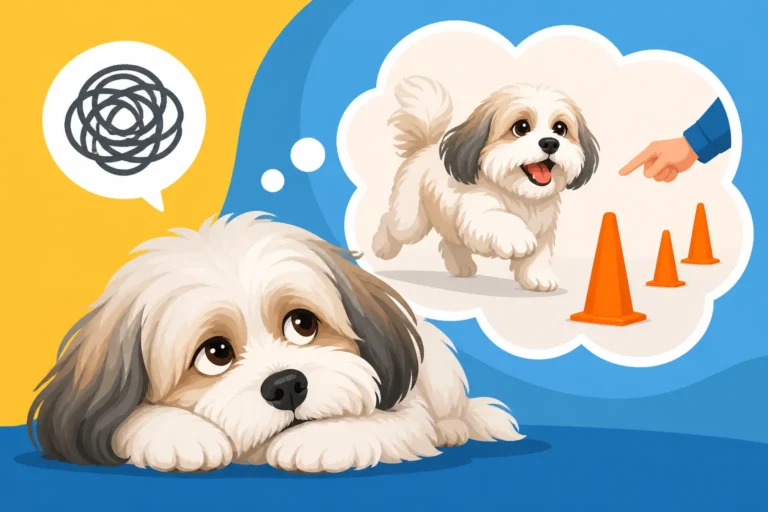
The key to successful alone time isn't just about giving them something to do; it's about teaching them that your absence is not a reason for panic. This starts with gradual desensitization. Don't just leave them for 8 hours one day. Start small.
- Practice Short Absences: Begin by leaving your Havanese alone for just a few minutes, even if you're just stepping into another room or going to check the mail. Build up the time slowly. This helps them learn that you always come back.
- Establish a "Safe Place": Whether it's a cozy crate, a pen, or a designated dog-proof room, create a comfortable and secure space where your Havanese feels safe when you're gone. Fill it with their favorite bed, blankets, and toys. Many Havanese do well with Whether Crate Training Suits a Havanese, as it provides a den-like comfort.
- Cues for Departure: Avoid making a big fuss when you leave or return. Your Havanese picks up on your anxiety. A calm, quiet departure and return signals that it's not a huge event. You can give them a special "departure treat" or puzzle toy that they only get when you leave.
- Online Training Resources: If you're struggling, consider an online program like BAXTER & Bella. They often offer structured guidance and exercises that can help you systematically teach your dog to be more comfortable alone, building confidence through positive reinforcement.
Consistency is paramount. A little bit of training every day will yield much better results than sporadic, long sessions.
Environmental Enrichment
A bored Havanese is a destructive or anxious Havanese. Providing mental and physical stimulation before and during your absence can make a world of difference.
- Pre-Departure Exercise: A good walk or a vigorous play session before you leave can help tire your Havanese out, making them more likely to rest while you're gone. What a Havanese Needs Beyond a Walk often includes mental games, which are just as tiring!
- Interactive Toys and Chews: Leave them with safe, stimulating toys. Kongs stuffed with peanut butter or treats, puzzle feeders, or durable chew toys can keep them occupied for a good chunk of time. You can find a fantastic array of these on platforms like Amazon. Rotate toys to keep things fresh and exciting.
- Comfort and Scent: Leave a piece of your unwashed clothing, like an old t-shirt, in their safe space. Your scent can be comforting and help reduce anxiety. Ensure they have access to fresh water and a comfortable bed.
- Background Noise: Some Havanese find comfort in background noise. Leaving on a radio (classical music or talk radio works well for some), a TV, or even a specialized "dog calming music" playlist can help muffle outside noises and create a more comforting atmosphere. This is definitely something to experiment with, as Whether Leaving the Radio On Helps a Havanese can vary by dog.
Professional Support and Alternative Care
Sometimes, despite your best efforts, your Havanese just can't cope with being alone. That's not a failure on your part, but a sign that you might need professional help or alternative care solutions.
- Dog Walkers/Pet Sitters: If you work long hours, arranging for a mid-day dog walker or a pet sitter to come in for a potty break, some playtime, and a little companionship is invaluable. This breaks up their alone time and provides much-needed interaction.
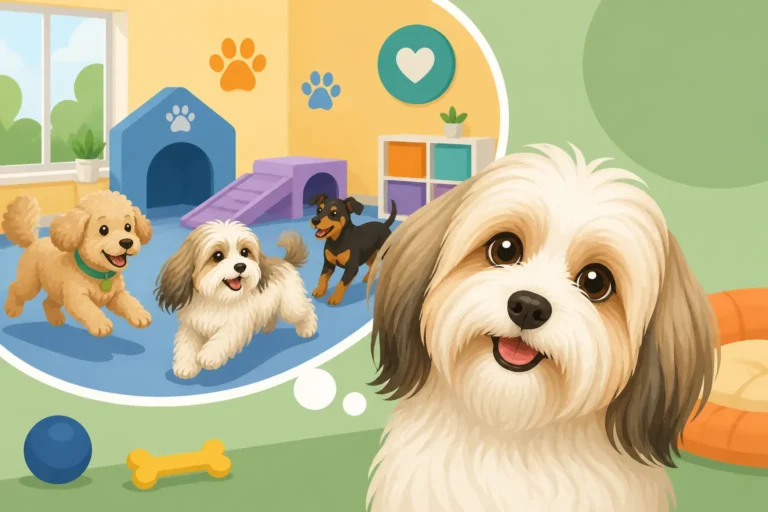
- Doggy Daycare: For highly social Havanese who thrive around other dogs and people, doggy daycare can be a fantastic solution. It provides supervised play, socialization, and constant companionship, ensuring they return home tired and happy. Exploring Whether a Havanese Settles at Daycare can offer more insights.
- Considering a Second Dog: For some Havanese, the companionship of another dog can significantly reduce loneliness and anxiety. However, this is a big decision and not a guaranteed fix. A second dog brings its own needs and challenges. Read more about Whether a Second Dog Settles a Havanese before making this commitment.
- Professional Dog Trainers/Behaviorists: If your Havanese exhibits severe anxiety or destructive behaviors when left alone, a certified professional dog trainer or a veterinary behaviorist can provide tailored strategies and, if necessary, discuss medication options in conjunction with behavior modification.
Recognizing and Addressing Separation Anxiety
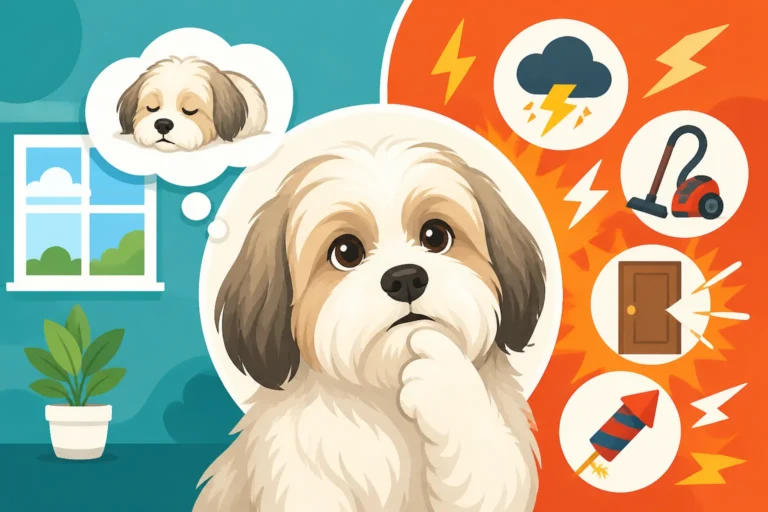
It’s one thing for your Havanese to feel a little lonely; it’s another for them to suffer from genuine separation anxiety. This isn't just "being naughty" or "mad at you" – it's a panic disorder that needs to be taken seriously and addressed with compassion and professional guidance. Signs a Havanese Has Separation Anxiety are distinct and often distressing for both dog and owner.
Common Symptoms of Separation Anxiety
Havanese, with their strong bond to their families, can be particularly susceptible to separation anxiety. The symptoms typically occur exclusively when you are absent or preparing to leave, not when you are present.
- Excessive Vocalization: This is probably the most common symptom, and often the first one noticed by neighbors. It can manifest as incessant barking, howling, or whining the moment you leave, and sometimes before you even get out the door. Some owners report that their Havanese Whether a Havanese Cries When You Leave for a long time after departure.
- Destructive Chewing: Anxious chewing is often focused on exit points, like doors, door frames, or windows, as the dog attempts to "escape" to find you. However, it can also be generalized destructive chewing of furniture, bedding, or personal items, sometimes resulting in What an Anxious Havanese Chews. This is not malicious behavior; it's a coping mechanism for extreme stress.
- Inappropriate Urination/Defecation: House-trained Havanese suddenly having accidents indoors, especially when left alone, can be a strong indicator. This is not defiance; it's a physiological response to stress and panic. They often relieve themselves in unusual spots, or leave "presents" near your bedroom door.
- Pacing and Restlessness: Anxious dogs may pace constantly, unable to settle down. This can be observed if you have a pet camera (easily available on Amazon) to monitor their behavior.
- Escaping Attempts: Some Havanese will try desperately to escape their confinement, whether it's chewing through a crate, jumping fences, or breaking out of rooms. This can lead to injury and property damage.
- Excessive Drooling or Panting: Even in a cool environment, an anxious Havanese might drool excessively or pant heavily due to stress.
It's vital to remember that these behaviors are panic responses, not acts of spite. Punishing your Havanese for these symptoms will only increase their anxiety and erode your bond.
When to Seek Professional Help
If you suspect your Havanese has separation anxiety, don't try to go it alone. This is a complex behavioral issue that often requires a multi-faceted approach.
- Consult Your Veterinarian: Your first step should always be a visit to your vet. They can rule out any underlying medical conditions that might be contributing to the symptoms, such as bladder infections, kidney issues, or cognitive decline in older dogs. They might also suggest initial strategies or recommend a professional.
- Certified Professional Dog Trainer (CPDT) or Veterinary Behaviorist (DACVB): These professionals specialize in canine behavior and can create a tailored behavior modification plan for your Havanese. They will help you understand the triggers, implement desensitization and counter-conditioning techniques, and guide you through the process. A veterinary behaviorist can also prescribe anti-anxiety medication if deemed necessary, as part of a comprehensive treatment plan.
- Medication as a Tool: For severe cases, medication can be a crucial tool to help reduce your Havanese's anxiety to a level where behavior modification can be effective. It's rarely a standalone solution but can significantly aid the training process by helping your dog feel calm enough to learn.
- Consistency and Patience: Treating separation anxiety is a journey, not a quick fix. It requires immense patience, consistency, and dedication. There will be good days and bad days, but with the right support, many Havanese can learn to cope better with alone time and live happier, less anxious lives.
Remember, your Havanese relies on you for everything, including understanding their emotional needs. Addressing separation anxiety is an act of love and commitment that will ultimately strengthen your relationship.
Disclaimer
This article is for general informational purposes only and does not constitute professional advice. Laws, prices and regulations vary by location and change over time. Consult a qualified professional for guidance on your specific situation.