Whether a Havanese Bonds to One Person Only
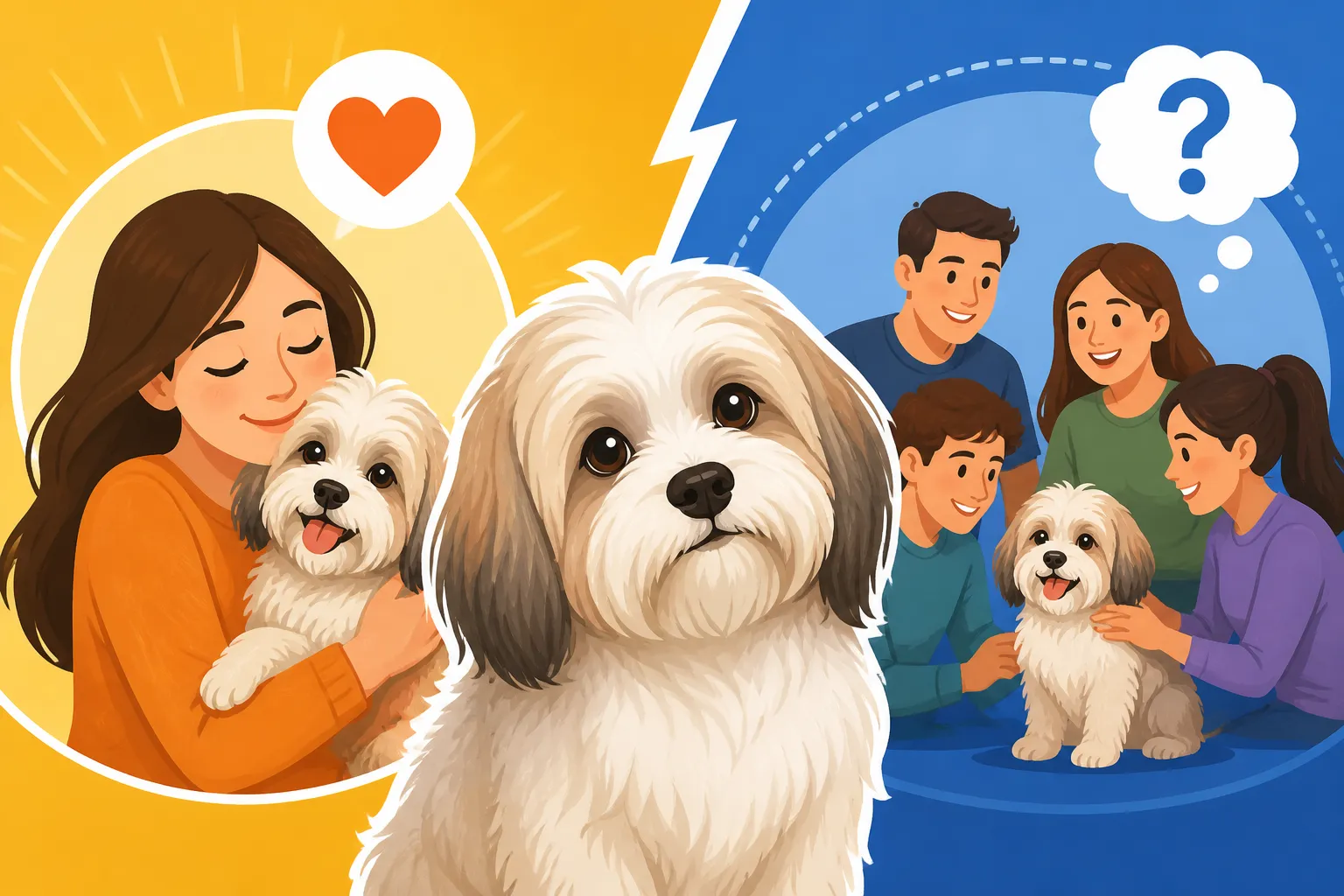
It's a common worry for many prospective Havanese owners: "Will my sweet little Havanese only bond with one person in our family?" This concern often stems from stories about certain breeds being fiercely loyal to a single individual, leaving other family members feeling a bit left out. This guide is here to reassure you and provide insights into the Havanese's naturally sociable nature, helping you foster a loving, balanced relationship with every member of your household.
The Myth of the "One-Person Dog" in Havanese
Let's bust this myth right out of the gate: the Havanese is generally not a "one-person dog" in the way some breeds are portrayed. While they are incredibly affectionate and can develop a very strong primary bond, their history and temperament are geared towards being true family companions. It's a common misconception that their intense devotion translates to exclusivity, and honestly, it can make people hesitant to bring one into a bustling household.
Understanding the Havanese Breed Tendencies
The Havanese, historically known as the national dog of Cuba, was literally bred to be a companion. These charming little dogs were developed in the lap of luxury, nestled among Cuban aristocrats who wanted a lively, intelligent, and deeply affectionate dog to share their lives. Think about that for a moment: they weren't working dogs guarding livestock or hunting game. Their job was to be delightful companions, often entertaining entire families with their playful antics and loving nature. You can explore more about their origins in The Havanese Is the Only Breed Cuba Ever Produced. This background means they thrive on human interaction and generally seek to form connections with anyone who offers them kindness, attention, and cuddles. They’re not content to just tolerate other family members; they genuinely want to be part of the whole group.
Their very essence is about forming bonds. They are inherently social creatures who blossom when surrounded by people. If a Havanese appears to be solely dedicated to one individual, it's often a reflection of specific circumstances or choices in their upbringing, rather than an unchangeable characteristic of the breed itself.
Why the Perception Arises
So, if they're not naturally one-person dogs, why does this idea persist? Often, it comes down to a few factors that can inadvertently strengthen a bond with one individual over others:
- Primary Caregiver: In many households, one person takes on the primary role of feeding, walking, training, and providing comfort. When one person consistently meets all of the dog's basic needs and provides the most positive interactions, it's natural for the Havanese to develop a particularly strong attachment to that individual. They associate this person with all the good things in life – food, walks, play, and security.
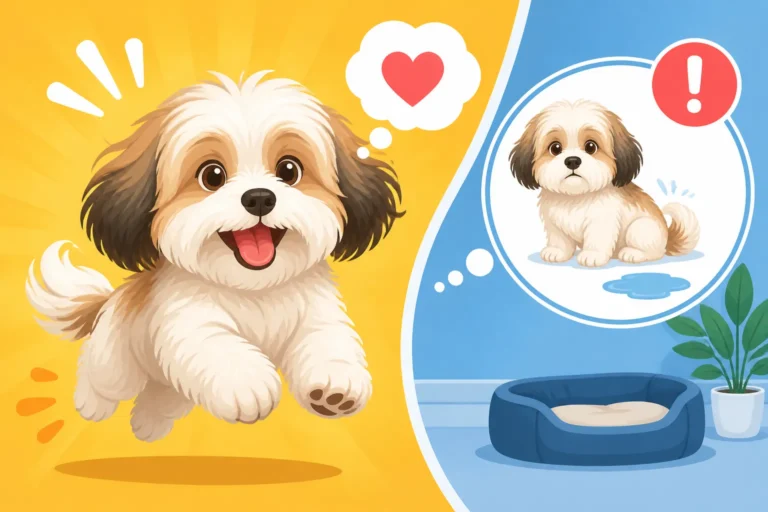
- Intensity of Affection: Havanese are notoriously affectionate. When they bond, they bond hard. They love to be physically close, whether it's snuggled on your lap or following you from room to room. This intense devotion, sometimes seen as clinginess, can be misinterpreted as a refusal to acknowledge anyone else. They earned the nickname "Velcro dogs" for a reason! However, they can be "Velcro" to multiple people if given the chance.
- Lack of Consistent Interaction from Others: Sometimes, other family members might not engage with the Havanese as actively. If a child or a partner only occasionally interacts with the dog, while one person is consistently involved, the bond will naturally be stronger with the more engaged individual. It’s not that the Havanese rejects others, but rather that the strongest connection forms where the most effort and positive experiences are invested.
- The "Chosen One" Phenomenon: Occasionally, a Havanese might simply have a personal preference, much like people do. They might find one person's energy or routine more comforting. This doesn't mean they dislike or ignore others, but they might gravitate more towards their "favorite" when given the choice. It's important to differentiate this natural preference from outright exclusivity.
Factors Influencing a Havanese's Bonding Patterns
Understanding what shapes a Havanese's relationships can help you encourage balanced bonding across your entire family. It's not just about their innate breed traits; it's also heavily influenced by their environment and experiences.
Early Socialization and Exposure
The critical period for a Havanese puppy's socialization, generally between 3 and 16 weeks of age, is absolutely foundational. During this time, every positive experience with different people, places, sounds, and other animals helps shape their future temperament and their ability to form diverse bonds.
- Diverse Human Interaction: A puppy that meets a wide variety of people – men, women, children, people with hats, people with glasses, people with different voices – will learn that humans, in all their forms, are generally safe and pleasant. If a Havanese puppy is primarily exposed to only one or two people during this crucial window, it can be more prone to shyness or a stronger, more exclusive bond with those familiar individuals later on. This isn't because they are inherently one-person dogs, but because their world was simply too small. Puppy classes are fantastic for this, helping them interact with various people and dogs in a structured, positive way. You might find resources like BAXTER & Bella's online training helpful for guiding you through these crucial early weeks, ensuring a well-rounded start. For more on early development, see The First Year With a Havanese Puppy and Whether Puppy Class Is Enough for a Havanese.
- Positive Experiences with Children: If you have children, it's vital for your Havanese puppy to have positive, supervised interactions with them from a young age. Teaching children how to gently interact with a puppy – no pulling tails or ears, understanding when the puppy needs space – creates a foundation of trust. This prevents the Havanese from forming a preference for adults simply because they associate children with rough handling. Check out A Havanese in a House With Children for more tips.
- Exposure to Different Environments: Even something as simple as taking your puppy on short, positive outings to quiet parks, friends' houses, or pet-friendly stores exposes them to new sights and smells, building their confidence and adaptability to various situations and people.
Consistent Caregivers and Positive Associations
For a Havanese to bond with multiple family members, it’s important that everyone participates in their care and positive interactions. It's not about making every interaction a grand event, but about consistent, everyday involvement.
- Sharing Responsibilities: If one person is always the sole provider of food, walks, and cuddles, the dog will naturally see that person as the central figure. Try to distribute these tasks. Let different family members feed the dog, take them for walks, play games, or engage in training sessions. For instance, if you're exploring training techniques, materials you might find on Amazon could include treat pouches for different family members to carry, encouraging consistent positive reinforcement. Even small things, like different people giving the "good morning" and "good night" cuddles, can make a difference.
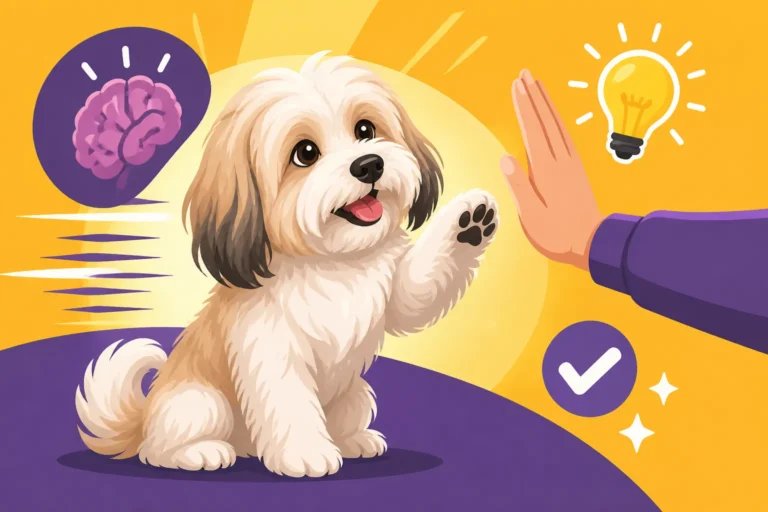
- Training as a Bonding Tool: Training isn't just about obedience; it's a powerful bonding experience. When multiple family members engage in training, it teaches the Havanese to respect and respond to commands from everyone, strengthening their connection across the board. Short, fun training sessions, where each family member uses positive reinforcement, can be incredibly effective. Why the Havanese Learns Tricks Faster Than Most Toys highlights their intelligence, making them great candidates for multi-person training.
- Playtime and Affection: Encourage everyone in the family to spend dedicated playtime with the Havanese. Whether it's a game of fetch in the living room, a gentle tug-of-war, or just quiet cuddle time on the couch, these moments build rapport and trust. A Havanese thrives on affection and attention, and the more sources it comes from, the more broadly they will distribute their love.
Individual Personality and Genetics
Just like people, every Havanese has a unique personality. While the breed generally leans towards sociability, individual differences will always exist.
- Genetic Predisposition: Some Havanese lines might inherently be more outgoing or reserved. A well-bred Havanese from health-tested parents and a reputable breeder will likely have a more balanced temperament, having been carefully selected for good health and stable personalities. The Health Tests Both Havanese Parents Should Have is important for ensuring overall well-being, which includes temperament.
- Learned Behaviors: A Havanese who has had a negative experience with a particular type of person (e.g., a boisterous child, a loud man) might become more wary of that demographic, causing them to cling more to a trusted individual. Conversely, a dog that receives consistent love and positive interactions from everyone will learn that all humans are sources of comfort and joy.
- Rescue Dogs: If you adopt a rescue Havanese, especially an adult, their past experiences can heavily influence their bonding patterns. A dog that has experienced neglect or a lack of socialization might initially cling to one person they feel safe with. With patience, consistency, and positive reinforcement from the whole family, even these dogs can learn to trust and bond with more people.
Nurturing a Havanese That Loves Everyone
If you want your Havanese to be a true family dog, loving everyone equally, it requires a conscious effort from everyone involved. It's a rewarding process that leads to a happier, more well-adjusted canine companion.
Strategies for Multi-Person Bonding
Here are some practical strategies to help your Havanese bond with every member of your household:
| Strategy | Description | Family Member Involvement |
|---|---|---|
| Shared Feeding Duties | Rotate who feeds your Havanese, making mealtime a positive interaction with different individuals. | Everyone takes turns. Even younger, responsible children can help scoop food or place the bowl, always under supervision. |
| Varied Playmates | Encourage each family member to engage in different types of play with your Havanese. One person might love fetch, another tug-of-war, another gentle chase games. | Ensure each person has unique play rituals or toys they use with the dog. |
| Distributed Training | Have multiple people lead short training sessions. This teaches the Havanese to respond to commands from different voices and body language. | Even basic commands like "sit" or "stay" can be practiced by various family members. Online training platforms, like those offered by BAXTER & Bella, often provide modules that can be done by multiple family members, reinforcing consistent methods. |
| Cuddle & Grooming Time | Ensure that different family members spend quiet, affectionate time with the Havanese, including brushing or lap snuggles. | This is particularly important for children to learn gentle touch and for the Havanese to associate comfort with everyone. For grooming tools, look for gentle brushes and combs on Amazon that make these sessions pleasant for all. |
| Walks & Outings | Rotate who takes the Havanese for walks or on errands. New experiences with different people strengthen bonds outside the home. | If safe and appropriate, allow older children or other adults to handle the leash. This reinforces leadership and companionship from various sources. What a Havanese Needs Beyond a Walk highlights the importance of shared adventures. |
| Positive Reinforcement | Everyone in the household should consistently use positive reinforcement (treats, praise, petting) for desired behaviors. This teaches the Havanese that good things come from everyone. | Keep a stash of small, healthy treats readily available for all family members to use. |
Addressing Signs of Over-Attachment to One Person
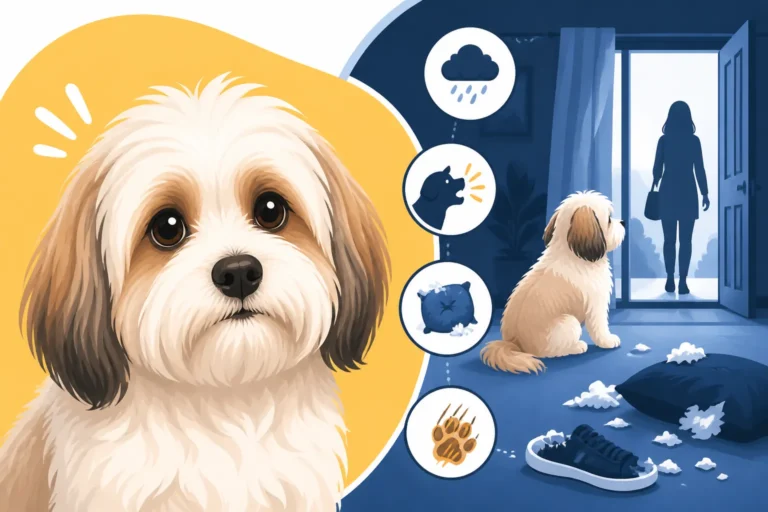
What if your Havanese does seem to have an unusually strong, almost exclusive bond with one person, showing signs of distress when that person leaves or ignoring others? This can sometimes tip into what we call "separation anxiety" or extreme over-attachment. It's a signal that intervention might be needed for the dog's well-being and the harmony of the household.
- Gradual Desensitization: If the Havanese only calms down with one person, that person needs to practice leaving the dog alone for very short, increasing periods. Start with just stepping into another room, then leaving the house for a minute, gradually extending the time. This helps the dog build resilience.
- Redirecting Attention: The "favorite" person should make an effort to ignore the dog sometimes, especially during greetings (which should be calm and low-key). Other family members should initiate playtime, feeding, and walks. This helps shift the dog's focus and reliance.
- Consistent Routines: Establish predictable routines that involve multiple people. For example, one person does the morning walk, another the evening feed, and a third plays fetch in the afternoon. This ensures the dog isn't solely relying on one individual for all their needs and stimulation.
- Training and Mental Stimulation: An under-stimulated Havanese might focus all their energy and anxiety on one person. Ensure your Havanese is getting enough physical exercise and mental engagement. Puzzle toys, short training sessions, and even just novel sniffing walks can make a huge difference. These activities can be led by any family member. Sometimes, a dog that's easily bored can become extra clingy with the person who provides the most entertainment.
- Professional Help: If the attachment issues are severe, leading to destructive behavior, excessive barking, or panic when the preferred person is absent, it's time to consult a professional dog trainer or a veterinary behaviorist. They can provide tailored strategies and, if necessary, discuss medication to help manage anxiety. You can read more about significant attachment issues in Signs a Havanese Has Separation Anxiety and The Havanese That Cannot Be Left Alone.
The Benefits of a Well-Socialized Havanese
A Havanese that bonds broadly with everyone in the family isn't just a happy thought; it's a foundation for a healthier, more adaptable dog and a more harmonious home life.
A Happier, More Resilient Dog
When your Havanese has strong, positive relationships with multiple people, they become much more confident and resilient.
- Reduced Anxiety: A dog that is secure in their bonds with an entire family is less likely to suffer from severe separation anxiety when one person leaves. They know there are other trusted individuals to rely on for comfort and care. This broadens their comfort zone and reduces stress significantly.
- Adaptability: Life happens! If one family member is sick, goes on vacation, or has a change in schedule, a well-bonded Havanese won't be completely thrown off. They will comfortably adjust to receiving care and attention from others without distress. This adaptability makes them easier to travel with or board, knowing they won't suffer from extreme anxiety away from their "one person." Whether a Havanese Copes With Heat or Cold and Flying, Carrying and Traveling With a Havanese discuss aspects of their adaptability in different environments.
- Enriched Life: More people mean more opportunities for play, cuddles, and new experiences. A Havanese thrives on interaction, and a household where everyone engages with them provides a much richer and more stimulating environment than one where all interaction comes from a single source. They get a diverse range of affection and activities, which contributes to their overall mental and emotional health.
A Harmonious Household
For the human members of the family, a Havanese that bonds with everyone creates a much more joyful and integrated living situation.
- No Feelings of Exclusion: No one feels like the "unloved" family member. Everyone gets to experience the warmth and affection of the Havanese, fostering a sense of shared joy and companionship. This is particularly important for children, who benefit greatly from a loving relationship with a family pet.
- Shared Responsibility and Flexibility: When everyone shares a bond with the dog, responsibilities become easier to manage. If one person is busy, another can easily step in to walk, feed, or play with the Havanese without causing undue stress for the dog or feeling like they're doing a chore for someone else's pet. This shared responsibility can be a huge relief, especially during busy times or emergencies.
- True Family Member Status: Ultimately, a Havanese that loves and interacts with everyone truly integrates into the family unit. They aren't just one person's pet; they are the family's pet, a cherished member who brings joy and connection to all. This strengthens family bonds and creates lasting memories for everyone involved. The Havanese breed was, after all, developed for this very purpose: to be a beloved and interactive part of a family.
So, while your Havanese might show a slight preference for the person who gives the best belly rubs or the most exciting walks, rest assured that with proper socialization, consistent care from all, and a whole lot of love, your Havanese will be a devoted and cherished companion to everyone in your home. They are, at their heart, dogs who want to love widely and deeply, embracing the joy of a complete family bond.
Disclaimer
This article is for general informational purposes only and does not constitute professional advice. Laws, prices and regulations vary by location and change over time. Consult a qualified professional for guidance on your specific situation.