Whether a Litter Box Suits a Havanese
Havanese owners often grapple with the realities of housetraining a tiny companion, particularly when faced with urban living, unpredictable schedules, or challenging weather conditions. The struggle is real: a small bladder means frequent potty breaks, and when outdoor access isn't convenient or weather-appropriate, it can lead to endless frustration and messes. This comprehensive guide will delve into whether a litter box is a viable solution for your Havanese, offering practical advice and exploring the nuances of this indoor potty training method.
Why Havanese Owners Explore Indoor Potty Solutions
Let's be honest, living with a Havanese brings immense joy, but their small size often comes with unique housetraining considerations. For many, the idea of an indoor potty solution like a litter box isn't just a convenience; it can feel like a necessity, saving carpets and sanity alike.
Small Bladder Capacity and Frequent Trips
One of the most common reasons Havanese parents consider indoor options is the simple biological fact of their small size. A Havanese puppy, or even an adult, has a tiny bladder compared to larger breeds. This means they need to relieve themselves much more frequently throughout the day. If you're working long hours, living in a multi-story building, or simply can't dash outside every hour on the hour, an indoor solution provides that much-needed constant access. Imagine trying to get a tiny puppy bundled up and outside every 45 minutes on a rainy day, only for them to do a tiny sprinkle and want to come back in! It's exhausting, and it often leads to accidents indoors out of sheer necessity.
Battling the Elements: Weather Woes
Another huge motivator for considering a litter box is the weather. Mother Nature isn't always cooperative with our potty training schedules. Picture this: it's snowing heavily, the wind is biting, or the summer sun is scorching hot, making the pavement unbearable. For a tiny Havanese, these conditions aren't just uncomfortable; they can be genuinely intimidating or even dangerous. Many Havanese, like my little Luna, absolutely refuse to step paw in cold, wet grass or blazing hot asphalt. I've heard countless stories, and experienced some myself, of Havanese holding it in for ages, only to relieve themselves the moment they're back inside on a comfy rug. This leads to the classic "I thought they were clean!" dilemma. Articles like Housetraining a Havanese in a Cold Climate and Whether a Havanese Refuses to Go Out in Rain highlight just how real these struggles are for our little Cuban companions. An indoor litter box removes this environmental hurdle entirely, offering a safe, consistent space regardless of what's happening outside.
Apartment Living and Accessibility Challenges
For Havanese living in apartments or condos, especially those on higher floors, outdoor potty breaks are a logistical challenge. It's not just a quick trip out the back door; it involves leashing up, taking an elevator, navigating common areas, and finding a suitable patch of grass, often shared with other pets. This can be particularly difficult for elderly owners, individuals with mobility issues, or those with very young puppies who haven't completed their vaccinations. An indoor litter box offers unparalleled convenience, allowing your Havanese to relieve themselves without the complex journey. It provides a sense of freedom and reduces the stress associated with timed outdoor excursions. Whether a Havanese Suits an Apartment explores how these dogs adapt to urban living, and an indoor potty can certainly ease the transition.
Convenience and Schedule Flexibility
Life happens, and our schedules aren't always predictable. A sudden meeting, an unexpected errand, or even just oversleeping can throw off a rigid outdoor potty schedule. An indoor litter box provides a safety net. It means you don't have to panic if you're stuck in traffic, or if you simply need an extra 15 minutes in the morning. For those who travel often with their Havanese, a familiar indoor potty setup can also be incredibly reassuring, preventing accidents in new environments like hotel rooms or vacation rentals. This flexibility can greatly reduce stress for both the dog and the owner, fostering a more harmonious living arrangement.
The Advantages and Disadvantages of Litter Box Training for Havanese
Deciding whether to embrace litter box training means weighing the specific pros and cons for your Havanese and your lifestyle. It's not a one-size-fits-all solution, but for many, the benefits outweigh the potential drawbacks.
Benefits of Indoor Potty Training
The primary advantage is undoubtedly consistency and accessibility. Your Havanese will always have a designated, safe place to go, irrespective of the weather, time of day, or your immediate availability. This dramatically reduces the likelihood of accidents born out of necessity, which can be a huge relief, especially during the challenging puppy stage when you're trying to figure out How Long a Havanese Puppy Takes to Be Clean.
Another significant benefit is protection from outdoor hazards. No more worrying about pesticides on grass, encounters with unfriendly dogs, or exposure to parasites and diseases found in public areas. For a small dog like a Havanese, these concerns are very real. It also means potentially less barking to signal the need to go out, which can be a huge plus if you live in an apartment building and worry about noise complaints, as discussed in articles like The Barking a Havanese Does at Every Sound. Finally, for senior Havanese who may develop age-related incontinence or difficulty getting around, an indoor litter box offers a dignified and convenient solution, as explored in Whether an Old Havanese Becomes Incontinent.
Drawbacks and Potential Issues
While convenient, litter box training isn't without its challenges. The most immediate concern for many owners is the potential for mess and smell. While quality litter and frequent cleaning can mitigate this, it's still a factor to consider. Unlike outdoor elimination where waste is removed from your home, an indoor potty means waste remains inside until cleaned. There's also the possibility of your Havanese tracking litter particles around the house, though some litter types minimize this.
Another common issue is confusion with outdoor training. If you plan to eventually transition to solely outdoor potty breaks, or if your Havanese will be spending time in homes that don't have an indoor potty, they might get confused about where it's appropriate to go. They might start to prefer relieving themselves indoors even when outdoor access is available. It's crucial to maintain clear distinctions if you're doing a hybrid approach. Finally, some Havanese might develop a preference for soft surfaces, such as rugs or carpets, if the litter box isn't kept meticulously clean or if they find the substrate uncomfortable. This is especially true if you've already found your Havanese is slow to house train.
Comparison to Other Indoor Methods: Puppy Pads vs. Litter Boxes
When it comes to indoor potty solutions, the choice often comes down to puppy pads or a dedicated litter box system. Both have their merits for a Havanese.
| Feature | Puppy Pads (Pee Pads) | Litter Box Systems |
|---|---|---|
| Setup & Cost | Inexpensive, disposable pads. | Higher initial cost for box, ongoing for litter. |
| Cleanliness | Can be messy if dog misses, urine can track. | Contains waste, but litter tracking possible. |
| Odor Control | Minimal, pads absorb but don't neutralize. | Better, especially with absorbent litter types. |
| Aesthetics | Can look unsightly, especially when soiled. | More discreet, can blend into decor better. |
| Durability | Single-use, easily torn or moved. | Sturdy, reusable, harder for dog to move. |
| Environmental | Disposable waste adds to landfills. | Litter can be more environmentally friendly (e.g., recycled paper, wood pellets). |
| Dog Preference | Soft, absorbent surface. | Textured, often pelletized or turf-like surface. |
Whether Indoor Pads Suit a Havanese delves deeper into pads, but for a Havanese, a litter box often offers better odor control and containment. Puppy pads, while convenient, can sometimes encourage a dog to associate any soft, absorbent surface (like your favorite rug) with a potty spot. Litter boxes, particularly those with a faux grass or pellet substrate, offer a more distinct texture that helps dogs differentiate it from other indoor surfaces.
Practical Steps for Litter Box Training Your Havanese
Embarking on litter box training with your Havanese requires patience, consistency, and the right tools. It's very similar to traditional housetraining in its principles but adapted for an indoor setup.
Choosing the Right Litter Box and Substrate
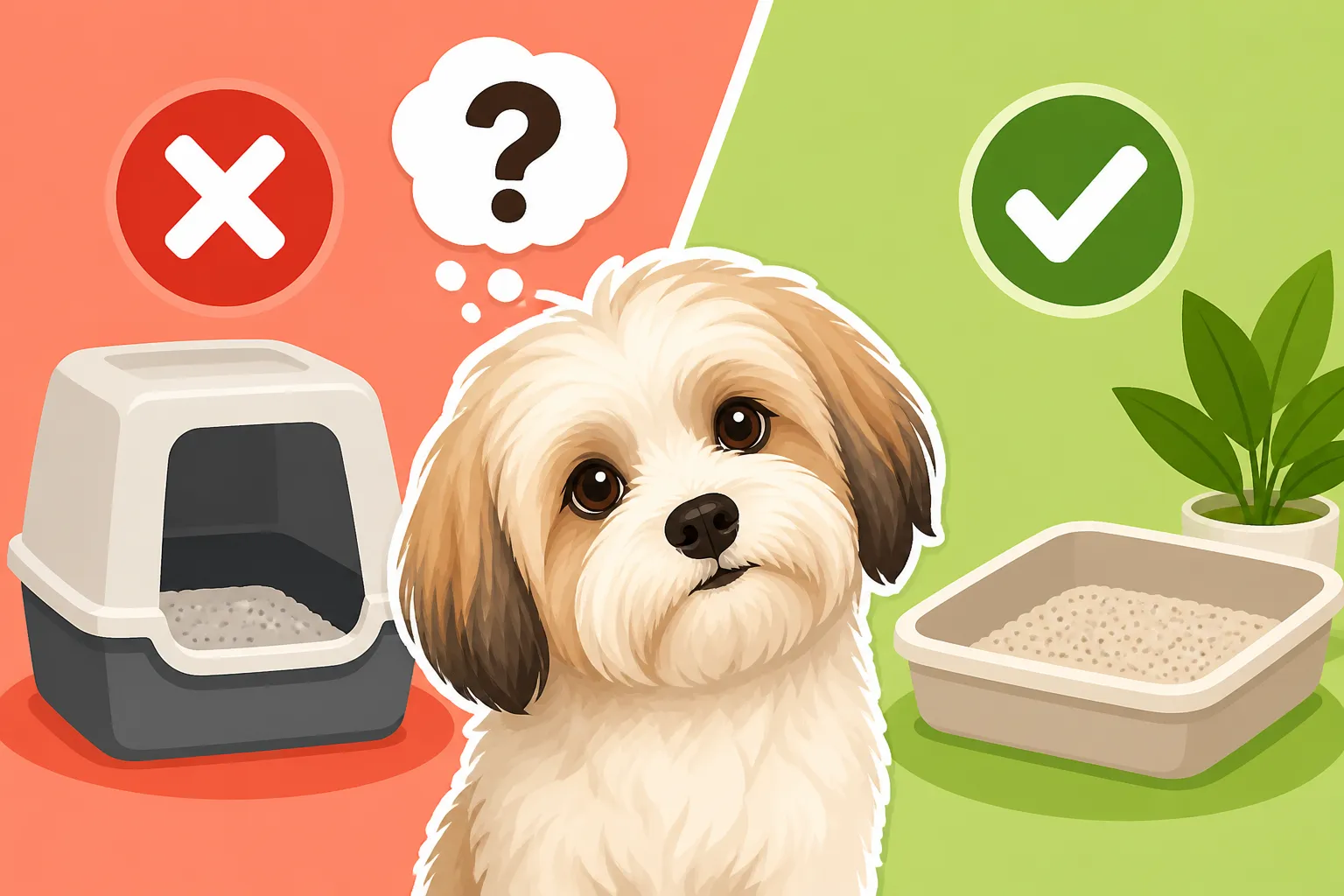
First things first, you need the right equipment. For a Havanese, choose a litter box with low sides that your small dog can easily step into, even as a tiny puppy. There are many options available, some specifically designed for dogs. You can find a good variety on platforms like Amazon, from simple plastic trays to more elaborate systems with artificial turf. The size should be generous enough for your Havanese to turn around comfortably inside.
Next, consider the substrate, which is what you fill the box with. This is critical for success, as your Havanese needs to accept its texture. Options include:
- Recycled paper pellets: Highly absorbent, good odor control, less tracking, safe if ingested in small amounts.
- Wood pellets: Similar to paper, but might have a stronger natural scent.
- Artificial grass patches: These often come with a tray system that collects urine underneath. They mimic the feel of real grass, which can be very helpful for dogs transitioning from outdoor pottying or those who prefer a natural feel.
- Specific dog litter: Brands sometimes offer clay-based or silica gel litters formulated for dogs, similar to cat litter but often larger pellets to prevent paw tracking.
Experimenting might be necessary, but starting with something that feels distinctly different from your household flooring is usually a good bet to avoid confusion.
Placement and Consistency
Where you put the litter box is crucial. Choose a quiet, accessible spot that's a bit out of the main traffic flow but still easy for your Havanese to reach quickly. A bathroom, laundry room, or a quiet corner of a living area can work well. Consistency is key here; once you've chosen a spot, stick with it. Moving the box around too much can confuse your Havanese and set back training.
Routine is paramount. Just like with outdoor training, establish a consistent schedule for taking your Havanese to their litter box. This includes first thing in the morning, after every meal, after naps, after playtime, and right before bedtime. These are prime potty times for any dog.
Introducing Your Havanese to the Box
Once you have your setup, it's time to introduce your Havanese.
- Scent Marking: If your Havanese has had an accident outside the box, gently blot a small amount of urine with a paper towel and place it in the litter box. The scent will help guide them to the correct spot.
- Guided Introduction: After waking up, eating, or playing, carry or gently lead your Havanese to the litter box. Use a consistent phrase like "Go potty" or "Go busy."
- Wait It Out: Stay with them, calmly encouraging them. Don't play or distract them. Just wait. If they don't go within a few minutes, take them back out and try again in 10-15 minutes.
- Massive Praise and Rewards: This is the most critical step! The instant your Havanese uses the litter box, throw a party! Use enthusiastic verbal praise ("Good potty!"), give them a high-value treat, and offer gentle petting. This positive reinforcement teaches them that using the box is the best thing ever. BAXTER & Bella offers excellent resources on positive reinforcement training methods that can be easily applied to litter box training. You want them to associate the box with happy outcomes.
- Clean Accidents Thoroughly: If accidents happen outside the box (and they will!), clean them immediately and thoroughly with an enzymatic cleaner to eliminate odors that might attract your Havanese back to that spot. Never scold or punish for accidents; it only teaches them to hide their elimination from you.
Remember, The First Year With a Havanese Puppy is filled with learning curves, and potty training is a big one. Be patient and consistent.
Managing Accidents and Transitions
Accidents are part of the learning process. If your Havanese has an accident, reflect on why it might have happened:
- Did you miss a scheduled potty break?
- Was the box too dirty?
- Were they distracted when you took them to the box?
- Is the box in a spot they can't easily access?
If you're transitioning from outdoor pottying or puppy pads, the process might take a little longer. If they're used to pads, you can try placing the litter box over a puppy pad initially, then gradually phasing out the pad. If they are used to going outside, the artificial grass turf option might be a good stepping stone. Using a crate, as suggested in Whether a Havanese Should Be Crate Trained for Toileting, can also be integrated into litter box training by ensuring your Havanese goes to the box immediately after being let out of their crate.
Troubleshooting Common Litter Box Training Challenges
Even with the best intentions and consistent effort, you might hit a few bumps in the road during litter box training. It's perfectly normal, and usually, there's a straightforward explanation and solution.
Refusal to Use the Box
This is a common frustration, especially if your Havanese seems to understand what the box is for but simply won't use it. Several factors could be at play:
- Substrate Aversion: Your Havanese might not like the feel of the litter or turf under their paws. Some dogs prefer the texture of grass, while others prefer soft pellets. If you started with one type, consider trying another. For instance, if you're using pellets, try an artificial grass patch, which many dogs find more inviting. I once had a Havanese who absolutely refused to step on wood pellets but took to a faux grass patch on Amazon like it was real grass.
- Location, Location, Location: Is the box in a place where your Havanese feels safe and private? If it's in a high-traffic area, or near something noisy like a washing machine, they might be reluctant to use it. Conversely, if it's too isolated, they might forget it's there. Ensure it’s accessible but discreet.
- Cleanliness: Dogs, particularly Havanese, are fastidious creatures. If the litter box isn't clean enough for their liking, they will avoid it. Imagine us humans having to use a consistently dirty toilet – not pleasant! This is especially true if you are finding that your Havanese is slow to house train. You might need to clean the box more frequently than you initially thought.
- Previous Negative Associations: Has anything unpleasant happened near the box? Perhaps a loud noise, a scolding (even if not for pottying), or another pet bothering them while they were trying to go? Build positive associations to counteract any lingering apprehension.
Using the Box Incorrectly
Sometimes your Havanese uses the box, but not quite correctly. This could manifest as peeing on the edge, or outside the box but right next to it.
- Box Size or Entry Issues: For a Havanese, even a slightly too-small box can make them feel cramped, causing them to back up or stand awkwardly, leading to messes. Similarly, if the sides are too high, they might struggle to get in fully. Double-check that your box is large enough for them to comfortably enter, turn around, and assume their potty posture without feeling constrained. Some dogs prefer a box with one ultra-low entry point.
- Aiming Problems: Occasionally, it's just a matter of aim. Male dogs, especially, might lift a leg slightly. If this is the case, consider a litter box with higher sides or an enclosed design (though ensure it's still easy for them to get in and out). A "splatter guard" accessory might also be helpful.
- Substrate Comfort: They might be standing on the edge because the substrate itself is uncomfortable for their paws. Revisit the substrate choice if this is a consistent issue.
Reverting to Accidents
You thought you had it, and then suddenly, accidents start happening again. This can be incredibly disheartening, but it's often a sign of something specific.
- Stress or Anxiety: A change in routine, a new person or pet in the house, a visit to the vet, or even changes in your schedule can cause stress, leading to regressions. Havanese can be sensitive dogs, and any shift in their world can affect their potty habits. If your Havanese is one of The Havanese That Cannot Be Left Alone, changes in your presence could be a trigger.
- Underlying Medical Issues: Any sudden regression in housetraining, especially if your Havanese was previously reliable, warrants a vet visit. Urinary tract infections, bladder stones, kidney issues, or even diabetes can cause increased urination and loss of bladder control. For older Havanese, conditions like cognitive dysfunction or incontinence can also be culprits.
- Inconsistent Reinforcement: Have you become a bit lax with your praise and treats? Remember, positive reinforcement needs to be ongoing, not just during the initial training phase. Keep rewarding those successful trips to the box!
- Box Cleanliness (Again!): Seriously, this can't be stressed enough. A slightly soiled box can be a dealbreaker for a Havanese.
The Smell Factor
No one wants their home to smell like a dog bathroom. While litter boxes are convenient, managing odor is paramount.
- Frequent Cleaning is a Must: This is non-negotiable. Scoop solids immediately, and replace the absorbent layer (pads, pellets) or clean the turf regularly. For most Havanese, this means scooping solids daily and changing the primary absorbent material every few days, or more often if it's heavily used.
- Quality Litter and Odor Neutralizers: Invest in good quality litter designed for odor control. Some artificial grass systems have carbon filters or trays for absorbent pads that help. You can also use pet-safe odor neutralizers around the box area.
- Consider Location: While you want it accessible, placing the box in a well-ventilated area can help dissipate odors naturally.
- Diet: Sometimes, a dog's diet can influence the smell of their urine or feces. While not a direct solution to litter box odor, ensuring your Havanese is on a high-quality, easily digestible food can contribute to overall digestive health and potentially less pungent waste.
By systematically addressing these common challenges with patience and understanding, you can successfully implement a litter box system that works for both you and your beloved Havanese.
Disclaimer
This article is for general informational purposes only and does not constitute professional advice. Laws, prices and regulations vary by location and change over time. Consult a qualified professional for guidance on your specific situation.