Whether a Havanese Struggles With Ear Cleaning
Oh, the Havanese ear cleaning saga! If you're wondering whether your sweet, fluffy companion is just being dramatic about having their ears cleaned, or if there's a genuine struggle there, you're not alone. Many Havanese owners face a real challenge when it comes to keeping those adorable, floppy ears pristine, and it can quickly turn into a wrestling match if not handled with care. This guide will delve into why ear cleaning can be such a hurdle for our Havanese, and how you can make it a less stressful, more positive experience for both of you.
Why Havanese Ears Can Be a Special Challenge
Let's be real, no dog loves having their ears messed with, but Havanese sometimes seem to take it to another level. There are several very good reasons why this task, which seems so simple in theory, can become a battle of wills or even a source of anxiety for your furry friend. It's not just about being stubborn; their anatomy and early experiences play a huge role.
The Unique Anatomy of a Havanese Ear
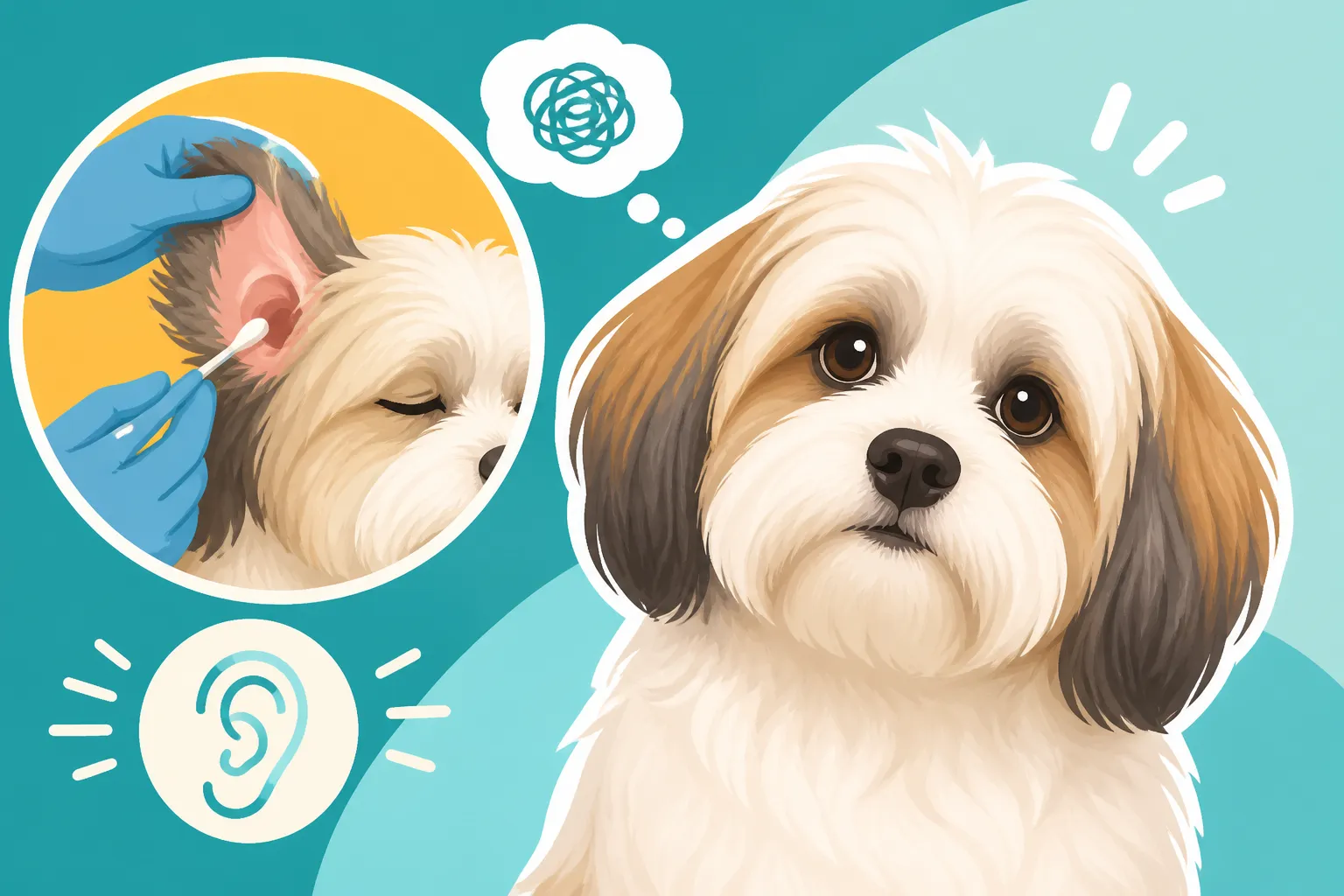
Unlike some breeds with upright ears, our Havanese companions sport those endearing, floppy ear flaps. While undeniably cute, this physical trait can create a perfect storm for ear problems and make cleaning a bit of a tricky affair. The ear flap, by its very nature, covers the ear canal, significantly reducing air circulation. Think about wearing a hat all day – it gets warm and a little damp underneath, right? That's what's happening under your Havanese's ear. This warm, moist environment is exactly what yeast and bacteria adore, making your Havanese more prone to infections. You can read more about this in Whether a Havanese Gets Ear Infections.
Beyond the floppy nature, the Havanese boasts a glorious coat, and that includes a generous growth of hair inside and around the ear canal. This isn't just fluffy adornment; this hair can trap dirt, debris, excess wax, and even moisture from baths or playful romps in the yard. Over time, this buildup creates an even more inviting habitat for unwelcome microorganisms. Imagine trying to clean a dusty, carpeted hallway in a dark room; it's a bit like that inside your Havanese's ear. This combination of reduced airflow and hair-trapping debris means that regular, thorough cleaning isn't just good hygiene, it's a vital preventative measure to avoid discomfort and costly vet visits. Understanding Whether Hair in a Havanese's Ear Canal Causes Infection can shed more light on this issue.
Early Experiences and Temperament
Just like us, Havanese puppies form strong opinions based on their early interactions. If their first few encounters with ear cleaning were rough, painful, or scary, it's perfectly understandable that they might develop a lifelong aversion to the process. Many puppies are naturally sensitive, and if someone — even with good intentions — was too forceful, used a cold solution, or accidentally hurt them, that memory sticks. This breed, known for its intelligence and often described as having a "circus dog brain," can be incredibly perceptive and quick to learn, both good and bad habits. If a Havanese learns that ear cleaning equals discomfort, they'll resist with all their adorable might.
Furthermore, a Havanese's temperament is generally sweet and eager to please, but they can also be quite sensitive. They thrive on positive reinforcement and gentle handling. A stressed or anxious Havanese is much more likely to struggle, squirm, or even snap during a procedure they fear. Think about how much patience and positive reinforcement goes into general puppy training; the same principles apply, perhaps even more so, to grooming tasks like ear cleaning. Owners often find that consistency and making it a routine part of handling, starting from puppyhood, can prevent many future struggles. Building a solid foundation during The First Year With a Havanese Puppy is key to cooperative care.
Making Ear Cleaning a Positive Experience
Okay, so we know why it can be a struggle. Now, let's talk about turning that frown upside down – or, rather, that squirming bundle of fluff into a calm participant. The secret lies in preparation, a gentle touch, and lots of positive reinforcement. Making ear cleaning a positive experience is absolutely achievable, even if you've had some bumpy rides in the past.
Essential Tools and Supplies
Before you even think about tackling those ears, gather everything you'll need. Rushing around mid-clean only increases your Havanese's anxiety and makes the process longer and more unpleasant. You'll want to have a designated "ear cleaning station" with all your supplies neatly laid out. This might be a grooming table if you have one, or simply a comfortable spot on the floor or a counter (with a non-slip mat!).
First and foremost, you'll need a high-quality, veterinarian-recommended ear cleaning solution designed specifically for dogs. Do not use rubbing alcohol, hydrogen peroxide, or anything not explicitly made for canine ears, as these can cause irritation and damage. Look for solutions that are gentle, drying, and have properties to help break down wax. Many excellent options are available, and a quick search on Amazon will reveal a plethora of choices. You'll also need plenty of soft cotton balls or gauze pads. Avoid cotton swabs (Q-tips) for cleaning inside the ear canal, as these can push debris deeper or even damage the delicate eardrum. For any excessive hair growth, you might consider dog-specific ear powder if you plan to pluck, or small, blunt-tipped scissors if you prefer to trim the hair at the entrance of the canal. And don't forget the treats – lots and lots of high-value treats! These are your secret weapon for positive association.
Here's a handy checklist to get you started:
| Item | Purpose | Notes |
|---|---|---|
| Dog-specific Ear Cleaner | Dissolves wax, dries canal, fights microbes | Choose a vet-recommended formula; avoid alcohol/peroxide. |
| Cotton Balls / Gauze Pads | Wiping away dissolved wax and debris | Use generously; avoid cotton swabs for deep cleaning. |
| High-Value Treats | Positive reinforcement and distraction | Have plenty ready; small, soft, and easy for your Havanese to gobble quickly. |
| Towel | Catching spills, general cleanup, comforting your Havanese | Can also be used to wrap your Havanese if they need a little extra security. |
| Ear Powder (optional) | Aids in gripping hair for plucking | Consult vet or groomer before plucking; can cause irritation if overused. |
| Blunt-tipped Scissors | Trimming hair at ear canal entrance | Safer than pointed scissors; use with extreme caution and good lighting. |
| Headlamp (optional) | Provides better visibility into the ear canal | Especially helpful for long-haired breeds where light can be blocked. |
The Gentle, Step-by-Step Approach
Now that your supplies are ready, let's get down to business. Remember, patience is your best friend here. If you're feeling rushed or frustrated, your Havanese will pick up on that energy. Aim for short, positive sessions. The goal is not just clean ears, but a dog who tolerates or even enjoys the process because it predicts good things. How Often a Havanese's Ears Should Be Cleaned will give you an idea of a regular schedule to maintain.
- Calm Your Havanese: Start by getting your Havanese in a relaxed state. A short play session or a calming cuddle can help. Offer a favorite treat or a lick mat to distract them.
- Lift the Ear Flap: Gently lift the ear flap to expose the ear canal. Praise them softly for allowing this. If your Havanese has long hair around the ears, you might want to clip it back with a small, soft scrunchie or hair clip to get it out of the way.
- Apply Solution: Carefully squeeze the ear cleaning solution into the ear canal, following the product instructions for amount. You want enough to flood the canal. Your Havanese will likely shake their head, which is normal! Allow them to do this.
- Massage the Base: Gently massage the base of the ear (where the ear attaches to the head) for about 20-30 seconds. You should hear a squishing sound as the solution moves around, breaking up wax and debris. This part shouldn't hurt them.
- Wipe Away Debris: Now, take a fresh cotton ball or gauze pad and gently wipe away any visible solution and debris from the outer ear and the entrance to the ear canal. Don't go deep into the canal with the cotton ball. You're just cleaning what comes to the surface. Repeat with fresh cotton balls until no more visible dirt or wax appears.
- Reward, Reward, Reward: Every step of the way, use calm praise and high-value treats. If they tolerate the solution, treat. If they let you massage, treat. If they allow wiping, treat. End the session on a positive note, even if you only managed one ear or just a quick wipe. The next session can build on this success. Online resources, like those offered by BAXTER & Bella, can be incredibly helpful for teaching cooperative care behaviors using positive reinforcement, making grooming tasks much easier.
Remember, consistency is crucial. Regular, gentle sessions will build trust and habit. If your Havanese starts to struggle, take a break. You can always try again later or tackle one ear at a time over several short sessions. This approach aligns with broader grooming efforts like Teaching a Havanese to Lie Still for Grooming and dealing with issues like Whether a Havanese Fights a Brush.
Dealing with Ear Hair
The hair growing inside your Havanese's ears can be a contentious topic among owners and even some veterinary professionals. Some believe it should always be plucked to improve airflow and prevent matting, while others argue that plucking can cause micro-traumas, leading to inflammation or infection, and that it's often unnecessary.
If your Havanese has very dense hair deep in the ear canal that seems to be trapping excessive wax or causing recurring infections, your vet might recommend plucking. If you decide to pluck, it's best to have a professional groomer or your veterinarian demonstrate the correct technique first. They often use a special ear powder to grip the hair more easily and a hemostat (a small, blunt-tipped forceps) to gently remove small tufts of hair at a time. The key is to remove only a few hairs at a time, always pulling in the direction of hair growth to minimize discomfort. Never try to yank out large clumps. However, if your Havanese's ear hair is not causing any problems and is not excessively thick, a more conservative approach might be to simply trim the hair at the entrance of the ear canal with blunt-tipped scissors. This helps keep the opening clear without irritating the delicate skin inside.
Ultimately, the decision on how to manage ear hair should be made in consultation with your veterinarian, taking into account your Havanese's specific ear health, coat type, and tolerance levels. What works for one Havanese might not be suitable for another.
When to Call in the Professionals
Sometimes, despite your best efforts, ear cleaning remains a challenge, or you might suspect something more serious is going on. It's important to know when to seek help from your veterinarian or a professional groomer. Ignoring persistent issues can lead to more severe problems for your Havanese. In fact, ear infections are among What Havanese Are Most Often Treated For.
Recognizing Signs of Infection
As diligent as you might be with routine cleaning, Havanese, due to their ear structure and hair, are still susceptible to ear infections. Knowing the signs is crucial for early intervention. Don't wait until your Havanese is in obvious pain; catching an infection early can prevent it from worsening and requiring more intensive treatment.
Keep an eye out for any of these indicators:
- Excessive scratching or rubbing: If your Havanese is constantly scratching at their ears or rubbing them on furniture or the floor, it's a major red flag.
- Head shaking: Frequent or vigorous head shaking can indicate discomfort or irritation in the ears.
- Foul odor: A sweet, yeasty, or otherwise unpleasant smell emanating from the ear is a strong sign of infection. Healthy ears should not have a noticeable odor.
- Redness or swelling: Carefully check the inside of the ear flap and the visible part of the ear canal for any redness, inflammation, or swelling.
- Discharge: Any unusual discharge – waxy, yellowish, brownish, or pus-like – is a clear sign of an issue. Healthy ears should be relatively clean and dry.
- Pain or sensitivity: If your Havanese cries out, flinches, or guards their head when you touch their ears, they are likely experiencing pain.
- Behavioral changes: A change in demeanor, such as becoming withdrawn, irritable, or less playful, could be due to ear discomfort.
If you observe any of these symptoms, it's time to put the ear cleaner away and schedule a vet appointment. An untreated ear infection can lead to chronic pain, hearing loss, or even spread to other parts of the body.
Vet Visits and Professional Groomers
If you suspect an ear infection, your veterinarian is the first and only stop. They can properly diagnose the type of infection (bacterial, yeast, mites, etc.) and prescribe the appropriate medication, whether it's topical drops, oral antibiotics, or anti-inflammatories. They can also provide a thorough, deep cleaning of the ear canal using specialized tools, which is often necessary to clear out stubborn debris before medication can work effectively. Never attempt to treat a suspected infection yourself with over-the-counter products without veterinary guidance.
For routine cleaning or hair management that you find challenging, a professional groomer can be an invaluable resource. A good groomer is experienced with handling Havanese ears, understanding their sensitivities and specific grooming needs. They can perform regular cleanings, trim hair, and even pluck if necessary, often with less stress to your dog because they have established techniques for cooperative grooming. Many groomers are skilled in positive reinforcement methods and can help reinforce a positive association with ear care. If your Havanese is particularly difficult, they might even offer insights into behavioral strategies or suggest ways to desensitize your dog further. In severe cases of fear or aggression during grooming, a vet might even suggest Whether a Havanese Needs Sedation for Grooming for truly traumatic experiences, but this is usually a last resort. Don't hesitate to reach out to a professional; it's a sign of a responsible pet owner who wants the best for their Havanese.
Disclaimer
This article is for general informational purposes only and does not constitute professional advice. Laws, prices and regulations vary by location and change over time. Consult a qualified professional for guidance on your specific situation.