Whether a Havanese Tolerates Rough Handling
It's a common, heartbreaking scenario: a well-meaning child, or even an unsuspecting adult, treats a small dog like a toy, leading to injury or behavioral problems. Many Havanese owners worry about how their delicate companions will cope with the hustle and bustle of family life, especially when little hands are involved. This guide is here to unravel the complexities of "rough handling" for a Havanese, explain why it's a critical concern, and offer actionable strategies to foster a safe, respectful environment for everyone in your home.
The Delicate Nature of Our Havanese Friends
Havanese, with their charming personalities and flowing coats, often give off an aura of cuddly resilience. However, beneath that soft exterior lies a physically and emotionally sensitive creature. Understanding their inherent nature is the first step in ensuring they are treated with the gentleness they deserve.
Small Stature and Physical Vulnerability
Let's be real: a Havanese is a small dog, typically weighing under 15 pounds. This isn't a breed built for rough-and-tumble play with large, boisterous children or clumsy adults. Their small size means their bones are more delicate, their joints are more susceptible to injury, and a simple fall from a couch can be a serious medical event. Imagine trying to catch a fast-moving, excited child while holding a wiggly 8-pound Havanese – it's a recipe for disaster. We sometimes forget how fragile these little bodies truly are until something happens, and by then, it's often too late.
Their skeletal structure, especially in their legs and hips, is not designed to absorb impacts like larger breeds. They are prone to conditions like The Kneecaps a Havanese Slips, where the kneecap can pop out of place, or even more severe issues if they fall or are dropped incorrectly. Even a playful tug on a leg by a child who doesn't understand the force they're exerting can cause pain or injury. This vulnerability is a huge part of why thoughtful handling is so paramount.
A Sensitive Soul, Not Just a Pretty Face
Beyond their physical fragility, Havanese possess a deeply sensitive temperament. They were historically bred as companion dogs for Cuban aristocracy, designed to be cherished lapdogs and gentle family members. The Havanese Is the Only Breed Cuba Ever Produced tells us about their origins, highlighting their role as beloved household pets rather than working dogs accustomed to harsh conditions. This history imbues them with a desire for gentle interaction and a strong bond with their human family.
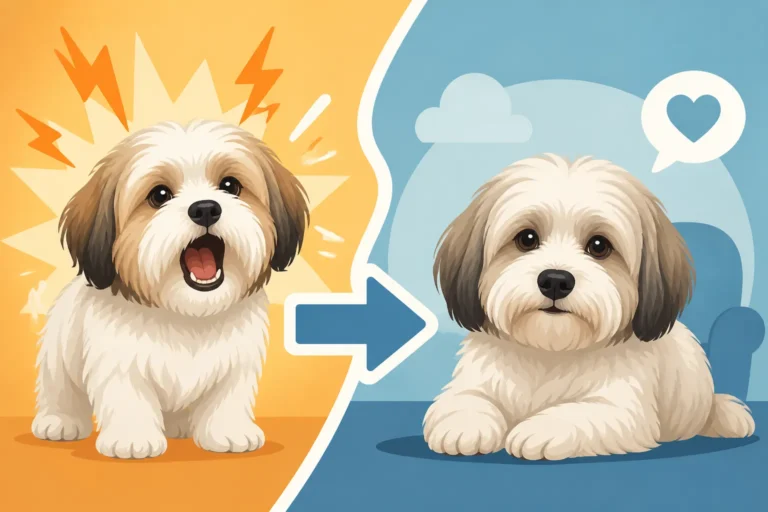
When a Havanese experiences rough handling, whether it's an accidental bump, a loud shout, or a clumsy grab, it registers not just as physical discomfort but as emotional distress. They are intelligent and observant, quick to pick up on nuances in human behavior. A negative interaction can easily lead to fear, anxiety, and a breakdown of trust. They thrive on positive reinforcement and consistent, calm interactions, and anything deviating from that can deeply unsettle them. This sensitivity means that even what might seem like minor rough play to us can be genuinely upsetting for your Havanese.
What "Rough Handling" Really Means for a Havanese
The term "rough handling" isn't always about outright abuse; often, it's a matter of perception and accidental clumsiness. For a Havanese, what might be a shrug-off moment for a larger dog can be a deeply unsettling or even painful experience. It's crucial for everyone in the household to understand this distinction.
Accidental Roughness vs. Intentional Harm
Let's be honest, most people don't intentionally try to hurt a dog, especially not their beloved Havanese. However, accidents happen, and a Havanese's small size makes them particularly vulnerable. Think about it: a quick turn in a busy hallway, a foot catching them unexpectedly, or even a misguided attempt to pick them up from under their arms rather than supporting their chest and hindquarters. These seemingly minor incidents can cause real physical harm or significant fright.
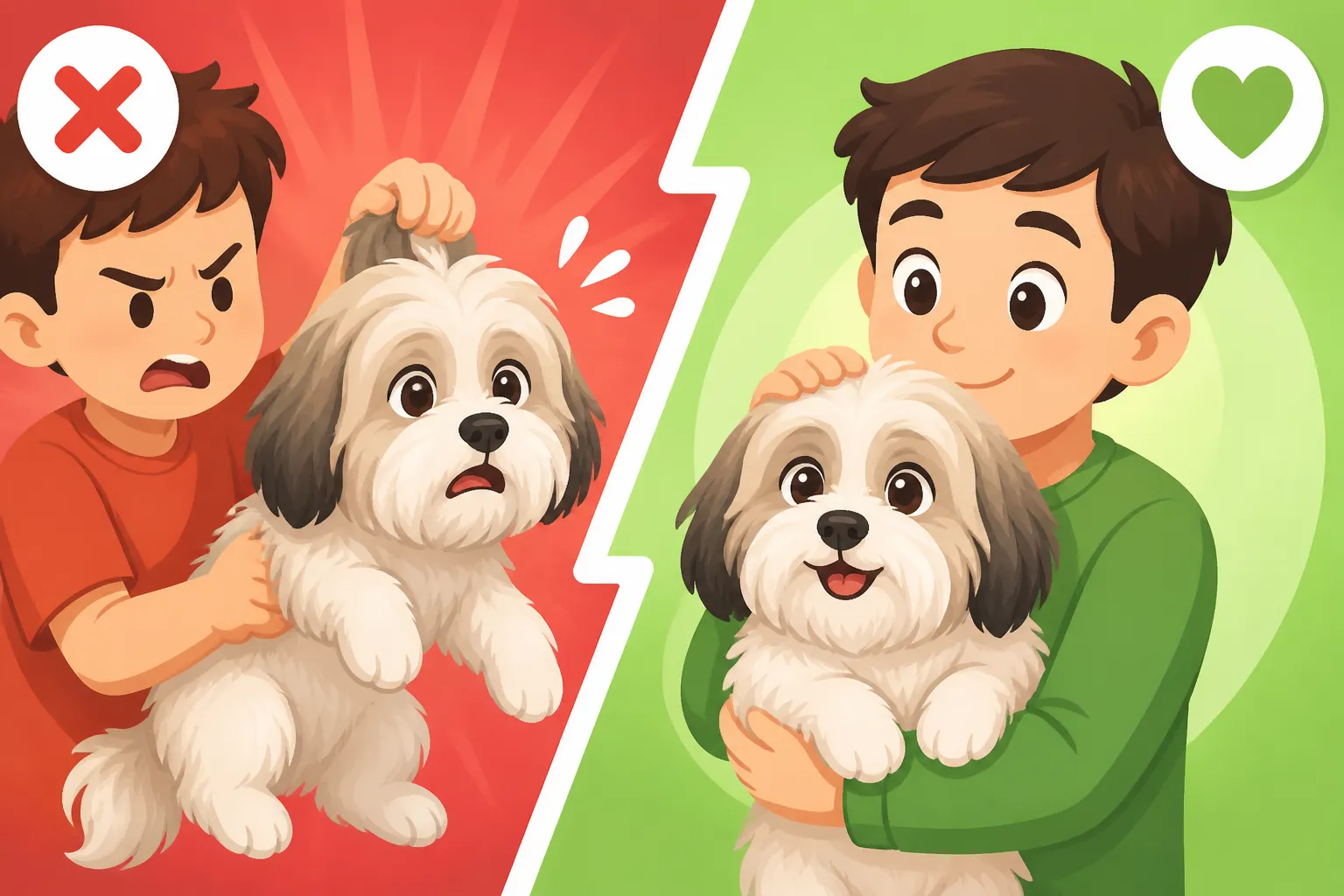
Children, in particular, often lack the fine motor skills and understanding of a dog's body language to interact gently. A toddler's idea of a hug might involve a tight squeeze around the dog's neck or a sudden pull on an ear. While these actions might come from a place of affection, they are unequivocally perceived as rough handling by the dog. It's not about malice; it's about a lack of awareness and control, which can be just as damaging.
The Child's Perspective vs. the Dog's Reality
This is where many families struggle. A child sees a fluffy, adorable Havanese and naturally wants to engage. They might try to carry the dog like a doll, pull its tail, or poke its eyes, not understanding the potential for pain or fear. From a child's perspective, they're playing or showing affection. From the Havanese's perspective, however, it's unpredictable, potentially painful, and definitely scary.
Imagine being picked up suddenly, without warning, by someone much larger than you, or having your hair pulled. That's often what a small dog experiences. This mismatch in perception is why it's so vital for parents to actively teach and supervise all interactions between children and their Havanese. Without intervention, a child's natural curiosity and enthusiasm can quickly turn into traumatizing experiences for the dog. Our article Whether a Havanese Suits a Family With Young Children delves deeper into managing these dynamics.
The Unintended Consequences of Rough Interactions
The impact of rough handling on a Havanese goes far beyond the immediate moment. It can lead to both significant physical injuries that require costly veterinary care and profound behavioral issues that alter the dog's personality and trust in humans.
Physical Risks and Lingering Pain
The most immediate and obvious consequence of rough handling is physical injury. Because Havanese are so small, even a short fall can result in broken bones, sprains, or soft tissue damage. Being stepped on, kicked accidentally, or dropped can lead to injuries to the back, legs, or internal organs. Their delicate joints, especially those in their knees and hips, are particularly vulnerable. How Common Slipping Kneecaps Are in a Havanese is a testament to how easily these dogs can suffer orthopedic issues, which can be exacerbated by rough play or poor handling.
Beyond acute injuries, chronic pain can develop. A dog that has been repeatedly handled roughly might develop a constant fear of being touched, flinching or crying out even at gentle approaches, because they associate touch with past discomfort. This can make routine care like grooming or vet visits incredibly stressful and even dangerous for the dog and the handler. It’s a sad reality that a moment of carelessness can lead to a lifetime of physical repercussions for your furry friend.
Behavioral Fallout and Trust Issues
The emotional and psychological scars from rough handling can be even more insidious than physical ones. A Havanese that consistently experiences rough interactions will quickly learn to be fearful, anxious, and distrustful of humans. This fear can manifest in several ways:
- Withdrawal: The dog might retreat, hide under furniture, or become reluctant to engage with family members, especially those they associate with negative experiences. They might stop greeting people at the door or even avoid entering certain rooms.
- Aggression: When a dog feels cornered, frightened, or anticipates pain, their natural instinct is to protect themselves. This can lead to growling, snapping, or biting. A Havanese that previously tolerated being picked up might start to Whether a Havanese Snaps When Startled or even when approached. This isn't out of malice, but out of self-preservation. It's a tragic outcome when a gentle, loving Havanese is forced into such defensive behaviors because their boundaries were not respected.
- House-training Regression: Stress and anxiety can disrupt a dog's established routines. A Havanese experiencing emotional distress might start having accidents in the house, even if they were perfectly house-trained. This is often a sign of underlying stress rather than a deliberate act.
- Reluctance for Care: Grooming, nail trims, teeth brushing – all essential for a Havanese – become battles. If they associate hands and being held with unpleasant experiences, they will resist necessary care, making life difficult for both dog and owner. Our article on Teaching a Havanese to Lie Still for Grooming highlights how crucial early positive experiences are.
These behavioral changes can strain the bond between a Havanese and its family, turning a once joyful companion into a source of frustration or concern. Preventing these issues starts with understanding and proactive management.
Cultivating Gentle Interactions and a Safe Environment
Creating a safe and loving environment for your Havanese, especially if children are part of the family, requires conscious effort and consistent training. It's about setting clear boundaries for both humans and dogs and teaching respect for each other's space and bodies.
Teaching Gentle Touch to Children
This is perhaps the most crucial step if you have young ones. Children need direct, patient instruction on how to interact with a small dog.
- Supervision is Non-Negotiable: Never leave young children unsupervised with your Havanese, even for a moment. Accidents happen in an instant. This means active supervision, not just being in the same room.
- Demonstrate and Guide: Physically show children how to pet gently, using an open hand on the dog's back or chest, avoiding sensitive areas like the head, ears, and tail. Use a soft, quiet voice. Have them practice on a stuffed animal first.
- "Pat, Pat, Done": Teach children a simple rule: "Pat, pat, done." This means they can give two gentle pats and then their hands should come away. This helps prevent prolonged, overstimulating interactions.
- No Picking Up: For small children, a strict "no picking up the dog" rule is often best. Small dogs like Havanese are easily dropped, and a child may not know how to support their body properly. This is covered in more detail in Whether a Child Can Injure a Havanese by Dropping It.
- Respect the Dog's Space: Teach children that when the dog walks away, it means "I need space." They should not follow or chase the dog.
- Positive Reinforcement for Kids: Praise your children when they interact gently and correctly with the dog. Make it a positive experience for them too.
- Educational Resources: There are many wonderful books and online programs designed to teach children about dog safety. Programs like the online puppy school offered by BAXTER & Bella can provide excellent guidance for the whole family, including how to involve children safely in training and care. You can also find many helpful children's books on dog etiquette on Amazon.
Creating a Safe Space for Your Havanese
Your Havanese needs a sanctuary, a place where they can retreat and feel safe from overzealous attention or accidental bumps.
- Crate Training: A crate, when introduced positively, becomes a den where your Havanese can feel secure. It's a place no one, especially children, should disturb them. This is not a punishment area; it's their safe haven. Whether a Havanese Should Be Crate Trained for Toileting explores the benefits of crate training for puppies, but it's equally valuable as a lifelong safe space.
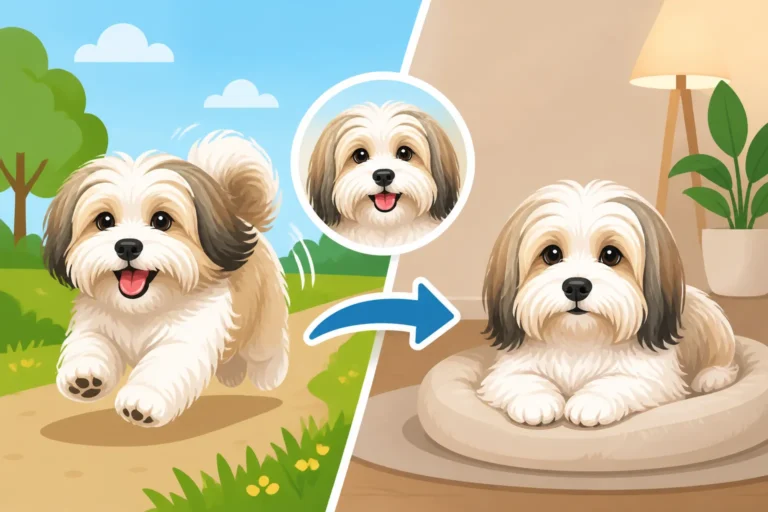
- Designated Quiet Zones: This could be a dog bed in a quiet corner of the room, or even a soft blanket under a table. Teach everyone in the household that when the Havanese is in this spot, they are to be left undisturbed.
- Dog Gates: Use baby gates to create physical barriers between your Havanese and children when you can't actively supervise. This allows the dog to relax without constant vigilance.
- No Furniture Rule (for some): If your Havanese is prone to jumping off high places, or if children are likely to pull them off, consider teaching a "no jumping on furniture" rule to prevent falls. If they do enjoy the couch, provide dog steps or a ramp to make getting up and down safe. Our guide on Keeping a Havanese Off Furniture It Should Not Jump From has more tips.
Owner Responsibility and Training
As the adult owner, you are your Havanese's primary advocate and protector.
- Model Gentle Behavior: Always handle your Havanese with care, supporting their body properly when you pick them up. Speak in calm tones. Your behavior sets the standard for everyone else.
- Teach Basic Cues: Commands like "leave it," "off," and "down" can be invaluable for managing interactions. "Leave it" can prevent a child from grabbing a toy from the dog, for instance.
- Advocate for Your Dog: Don't hesitate to politely but firmly intervene if you see someone, even another adult, handling your Havanese too roughly. It's your responsibility to protect them. Educate visitors before they interact with your dog.
- Socialization for Resilience: While you want to protect your Havanese, proper, positive socialization from a young age can help them develop resilience and confidence. Introduce them to different sights, sounds, and gentle people. However, always ensure these experiences are positive and never forced. The First Year With a Havanese Puppy emphasizes the importance of early positive experiences.
- Appropriate Gear: For walks, always use a harness instead of a collar to avoid pressure on their delicate trachea if they pull or are pulled. A comfortable, well-fitting harness found on Amazon or at your local pet store can make a big difference in their comfort and safety. Whether a Havanese Should Wear a Harness offers more details on this.
By implementing these strategies, you can create a household where your Havanese feels safe, loved, and respected, ensuring that their sensitive nature is understood and cherished by all.
Understanding Havanese Responses to Rough Handling
It’s easy to misunderstand a dog’s signals, especially subtle ones. Recognizing how your Havanese communicates discomfort is key to preventing escalation and fostering a truly harmonious home environment.
Recognizing Warning Signs
Havanese, like all dogs, communicate their feelings, often long before resorting to a bite. Learning to read these signals is vital for everyone who interacts with your dog.
| Signal Type | Subtle Signs (Early Warning) | Clearer Signs (Escalation) | Action Required |
|---|---|---|---|
| Body Language | Lip licking, yawning (out of context), blinking, turning head away, stiffening, tucked tail, lowered body, whale eye (showing whites of eyes), freezing | Growling, snarling, air snapping, showing teeth, lunging, biting | Immediately stop interaction, create space, reassess situation, consult professional if persistent. |
| Vocalizations | Low whines, soft grumbles | Barking (fearful or defensive), yelping, loud growls | Identify trigger, remove dog from situation, observe for injury. |
| Avoidance | Moving away, hiding under furniture, trying to escape lap or hands, refusing eye contact | Consistently running away from specific people or situations, shaking, trembling | Identify stressor, reduce exposure, provide safe retreat. |
| Physical Symptoms | Shedding excessively (in stress), panting (not due to heat or exercise) | Diarrhea, vomiting (stress-induced), loss of appetite, excessive drooling | Reduce stress, monitor health, consult vet if symptoms persist. |
It's crucial to understand that these are not just "bad behaviors" but genuine attempts by your Havanese to communicate distress. Ignoring early warning signs forces the dog to escalate to clearer, potentially more dangerous signals. Forcing a dog to endure an interaction they dislike can break trust and lead to lasting fear.
Building Resilience Through Positive Reinforcement
While Havanese are sensitive, they are also intelligent and adaptable. Positive reinforcement training can help them build confidence and cope better with the world around them, even if it means encountering less-than-perfect handling from time to time.
- Positive Association with Touch: Practice gentle handling exercises from puppyhood. Pair gentle touches (ears, paws, tail) with high-value treats and praise. This teaches your Havanese that human touch is usually a good thing. BAXTER & Bella's online puppy training program often incorporates such desensitization techniques.
- Choice and Control: Give your Havanese choices. Instead of forcing an interaction, invite them. "Do you want to come up?" or "Would you like a pet?" If they decline, respect that. This empowers them and builds trust.
- Exposure to Different People: Carefully and positively expose your Havanese to a variety of people, including gentle children, from a young age. Ensure these interactions are always controlled, short, and end on a positive note. This helps prevent them from becoming overly wary of strangers. Our article Whether an Undersocialized Havanese Recovers highlights the importance of early, positive socialization.
- Structured Play: Engage in appropriate, structured play sessions using toys, not hands. This teaches them how to play without nipping or mouthing and establishes boundaries. Toys from Amazon that are suitable for small dogs can be great for this.
- Consistent Training: Consistent training in general helps build a dog's confidence and predictability. A confident dog is less likely to react with fear to unexpected stimuli. They learn that even when things are a bit chaotic, their human guardian has things under control.
By being mindful, proactive, and committed to positive interactions, you can ensure your Havanese thrives in a home where they feel safe, respected, and deeply loved, even amidst the sometimes-unpredictable nature of human interaction.
Disclaimer
This article is for general informational purposes only and does not constitute professional advice. Laws, prices and regulations vary by location and change over time. Consult a qualified professional for guidance on your specific situation.