Whether a Havanese Suits Someone With Limited Mobility
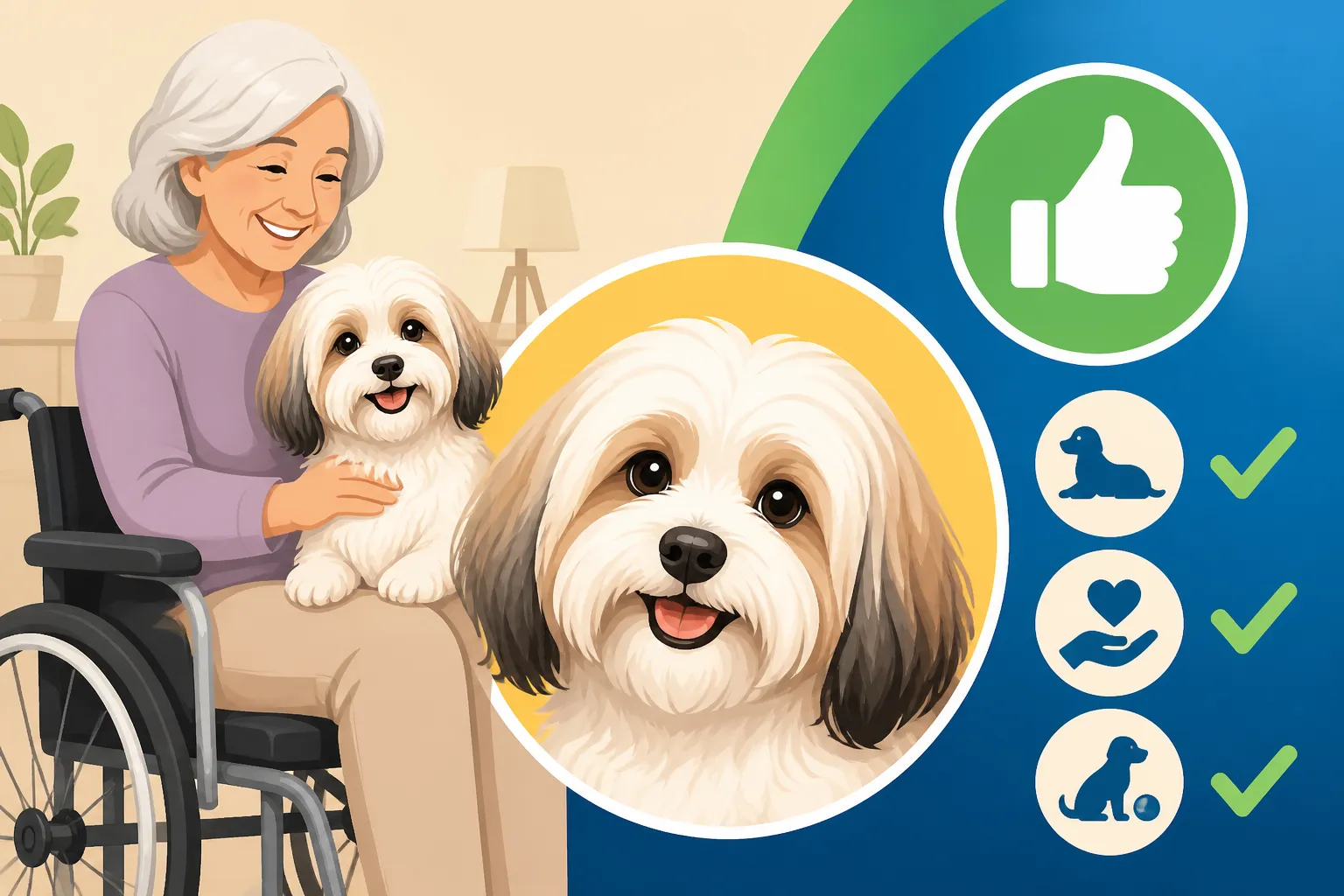
For someone living with limited mobility, the dream of sharing a home with a loving canine companion often comes with a heap of practical questions and anxieties. You want a dog that brings joy and comfort, not added stress or physical strain. This guide is here to explore whether the delightful Havanese, with their charming personalities and manageable size, can truly be a perfect match for individuals facing mobility challenges, offering practical insights and solutions.
Understanding the Havanese Temperament and Energy Levels for Limited Mobility Owners
One of the first things people with limited mobility worry about when considering a dog is its energy level. Will the dog need endless walks and runs that they simply cannot provide? This is where the Havanese often shines as a fantastic option. They are certainly not couch potatoes – these little dynamos have a playful spirit and enjoy being active – but their exercise needs are generally quite moderate compared to many other breeds.
The Havanese's Moderate Exercise Requirements
Unlike a high-energy sporting breed that needs miles of running every day, a Havanese is typically satisfied with a few short walks throughout the day, coupled with plenty of indoor play. Think of it this way: a vigorous game of fetch in the living room, a spirited chase after a favorite toy down a hallway, or even a good romp in a secure, small backyard can often fulfill a significant portion of their exercise needs. This is a huge advantage for someone whose mobility might restrict long walks or challenging terrains. You won't feel guilty if you can only manage a short stroll around the block or a quick trip to a grassy patch just outside your door. It's about quality interaction and mental stimulation as much as physical exertion for these clever little dogs. They love being with their people, and playing together is often their favorite form of exercise. If you’re wondering exactly what they need, you might find more insight in How Much Exercise a Havanese Needs.
Their "Velcro Dog" Nature as a Benefit
Havanese are often called "Velcro dogs" for a reason – they absolutely adore being close to their human companions. This isn't just a cute quirk; it's a significant benefit for someone with limited mobility who spends a lot of time at home. Instead of a dog that wanders off to entertain itself, your Havanese will likely be content to curl up beside you on the couch, rest at your feet while you're reading, or follow you from room to room. This constant companionship can be incredibly comforting and can help alleviate feelings of isolation that sometimes accompany mobility limitations. They thrive on interaction and being part of your daily life, making them excellent emotional support animals in a very real, unofficial sense. Their desire to be near you also means they're easier to keep track of and don't require constant calling to check on their whereabouts, which can be a relief. This trait means they generally don't do well when left alone for long periods, a topic explored in The Havanese That Cannot Be Left Alone.
Training and Adaptability: Making Life Easier for Both You and Your Havanese
Having a well-behaved dog is important for any owner, but it becomes even more critical when mobility is a factor. You need a dog that responds to commands, doesn't pull on the leash, and ideally, can even assist with small tasks. The good news is that Havanese are generally intelligent and eager-to-please, making them highly trainable companions.
Harnessing Their Intelligence for Assistance Tasks
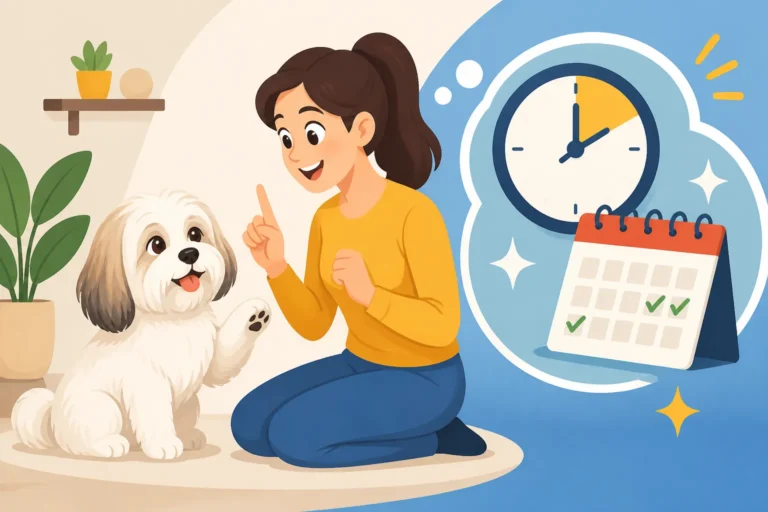
The Havanese were historically known as circus dogs, a testament to their sharp minds and ability to learn quickly. You can tap into this inherent intelligence to train them for simple, yet incredibly helpful, tasks that can make a real difference in your daily life. Imagine having a dog that can retrieve a dropped remote control, pick up a fallen pen, or even bring you its leash when it's time for a potty break. These might seem like small things, but for someone who struggles to bend or reach, they can be life-changing. Training can be done in short, fun sessions from the comfort of your home, and positive reinforcement works wonders with these enthusiastic learners. For those who find it difficult to attend in-person classes, online training programs, like those offered by BAXTER & Bella, can be an invaluable resource, providing structured lessons and support from home. This allows you to build a strong bond and teach essential skills at your own pace. You can learn more about their capabilities in Whether a Havanese Is the Smartest Toy Breed.
Leash Training and Indoor Management
A Havanese's small size is a definite advantage when it comes to leash manners. Even if they do pull slightly, they are unlikely to unbalance someone with limited strength or stability, unlike a larger, stronger breed. Consistent positive reinforcement training can teach them to walk politely on a loose leash, making outings much more manageable. Inside the home, their intelligence and desire to please also translate into good house manners. They can be easily taught boundaries – like staying off certain furniture if needed (though most love to snuggle!) – and can be very responsive to verbal cues. For managing their energy indoors, puzzle toys available from retailers like Amazon can provide excellent mental stimulation, keeping their minds engaged without requiring extensive physical activity from you. Furthermore, teaching a "place" command can be incredibly useful for keeping them safely out from underfoot, especially in smaller spaces or when you're moving around the house.
| Aspect of Training | Havanese Trait | Benefit for Limited Mobility |
|---|---|---|
| Intelligence | High, eager to please | Can learn retrieval tasks, good manners |
| Motivation | Food, praise, attention | Easy to motivate during training sessions |
| Size | Small (7-13 lbs) | Less likely to pull/unbalance owner on leash |
| Companionship | "Velcro" nature | Stays close, offers emotional support |
| Adaptability | Thrives on routine | Easily adapts to a predictable home schedule |
Managing Havanese Grooming Needs with Physical Limitations
Here’s where we need to be realistic. The Havanese's beautiful, flowing coat is undeniably one of their most attractive features, but it also demands significant grooming attention. This can be the biggest hurdle for someone with limited mobility. Their double coat is prone to matting, and skipping even a few days of brushing can lead to uncomfortable tangles and knots.
The Challenge of Regular Brushing and Bathing
A full, long Havanese coat ideally needs daily brushing to prevent mats, especially during the coat change period around 8-12 months. If reaching, bending, or holding a brush for extended periods is difficult, this can quickly become overwhelming. Bathing also requires a certain degree of physical dexterity to thoroughly wet, shampoo, rinse, and then carefully dry their dense coat to prevent mats from forming. Neglecting grooming not only looks unkempt but can also lead to painful skin issues and infections. This is a common frustration, and many owners quickly learn that regular, diligent care is key. You might consider reading The Silky Double Coat a Havanese Grows to the Floor for more detail on what to expect.
Practical Solutions for Grooming Challenges
Thankfully, there are several excellent strategies to make Havanese grooming manageable, even with physical limitations:
- Professional Grooming: This is often the most practical solution. Find a reputable groomer who understands the Havanese coat and can provide regular services. This might be every 4-6 weeks, depending on the clip. While an added expense, it ensures your dog is comfortable and healthy. Discuss your needs with the groomer to ensure they can accommodate drop-off/pick-up or offer mobile services if available in your area.
- The "Puppy Cut" or Shorter Clip: Many Havanese owners opt for a shorter, more manageable "puppy cut." This clip keeps the coat at a uniform, shorter length (often 1-2 inches), drastically reducing the risk of mats and making daily brushing much quicker and easier. Even with a shorter clip, regular brushing is still necessary, but it's far less demanding. You can learn more about this popular choice in The Puppy Cut Most Havanese Owners End Up Choosing.
- Assistive Grooming Tools: Tools like long-handled slicker brushes or grooming tables (even small, portable ones) can make grooming less strenuous. Some pet supply retailers, including many options on Amazon, offer various ergonomic brushes and combs designed for comfort. For tasks like nail trims, you might rely on your groomer or veterinarian, or consider a simple nail grinder if you can manage it from a seated position. If you're tackling grooming at home, Teaching a Havanese to Lie Still for Grooming offers great advice.
- Mobile Groomers: In many areas, mobile groomers will come directly to your home, which can be a huge convenience if transportation is an issue.
Creating a Supportive Environment: Gear and Strategies for Mobility Challenges
Making your home accessible and safe for both you and your Havanese is crucial. The good news is that their small size often means fewer major structural changes are needed compared to owning a large breed.
Home Adaptations for Safety and Comfort
Small dogs can sometimes be prone to injury from jumping off high surfaces. If you have a bed or couch your Havanese loves to access, pet steps or ramps are an absolute must. These can prevent joint strain and potential injuries, especially as your dog ages. You can find a wide variety of these on Amazon, designed to blend with home decor. It also means you won't have to constantly lift your dog, saving your back and reducing potential strain. You can find useful insights into protecting their joints in Whether a Havanese Should Use Steps to the Couch.
Consider strategically placed dog beds (orthopedic ones are great for all dogs, especially as they get older, such as those mentioned in Beds That Suit an Arthritic Havanese) around the house, providing comfortable resting spots where your Havanese can be near you without being directly in your path. Non-slip rugs or runners can also be helpful on hard floors, giving your Havanese better traction and preventing slips and falls, which is beneficial for both of you.
Essential Gear and Daily Routines
A Havanese needs daily essentials like food, water, a safe sleeping space, and toys. An elevated food and water bowl can be easier for your Havanese to use and can also be easier for you to fill and clean without bending as much. When it comes to walks, a comfortable, well-fitting harness is almost always preferred over a collar for a small dog, as it distributes pressure more evenly and reduces strain on their delicate necks.
If getting outside for every potty break is a challenge, especially in bad weather, indoor potty solutions can be considered. This might include potty pads or an indoor grass patch system, which can provide a convenient alternative without requiring you to rush outside. Establishing a consistent routine, even if it's primarily indoors, will help your Havanese feel secure and well-adjusted. Remember, the Havanese thrives on routine and being an integral part of your life. This consistent structure can greatly simplify your daily care tasks, making their needs predictable and easier to manage within your own physical capabilities. Ultimately, the Havanese wants nothing more than to be with you, which makes adapting their care to your lifestyle much easier than with a more independent or high-energy breed. They are truly devoted companions.
Disclaimer
This article is for general informational purposes only and does not constitute professional advice. Laws, prices and regulations vary by location and change over time. Consult a qualified professional for guidance on your specific situation.