Whether a Havanese Puppy Drops Its Blood Sugar
Low blood sugar in Havanese puppies explains vulnerability causes, warning signs, prevention methods, and management strategies.
Know what to watch for.
Breed-specific conditions, screening and DNA tests, what surgery actually costs, and the daily habits that stretch a healthy lifespan.

Low blood sugar in Havanese puppies explains vulnerability causes, warning signs, prevention methods, and management strategies.
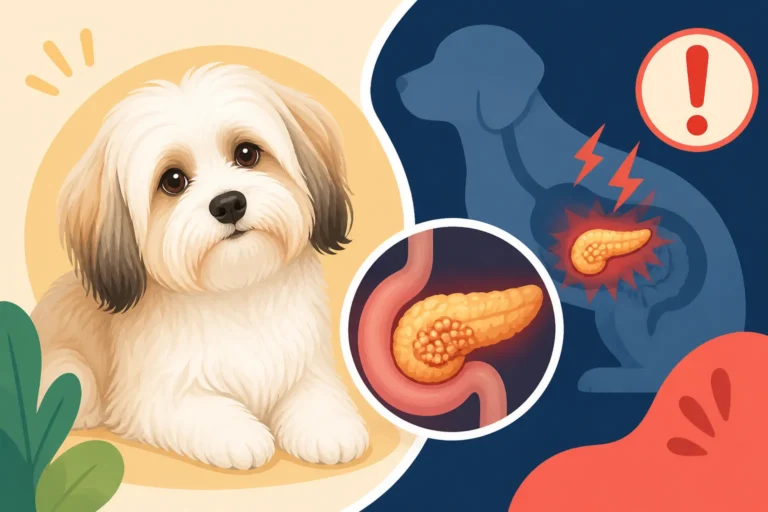
Pancreatitis in Havanese dogs causes painful organ inflammation, often triggered by eating fatty foods or genetic factors.
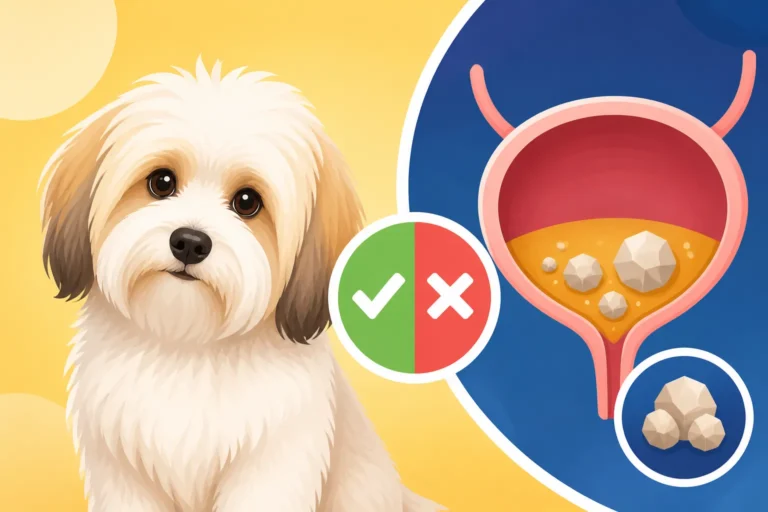
Bladder stones in Havanese dogs form from minerals, causing pain. Learn signs, struvite and calcium oxalate types, treatment, and prevention.
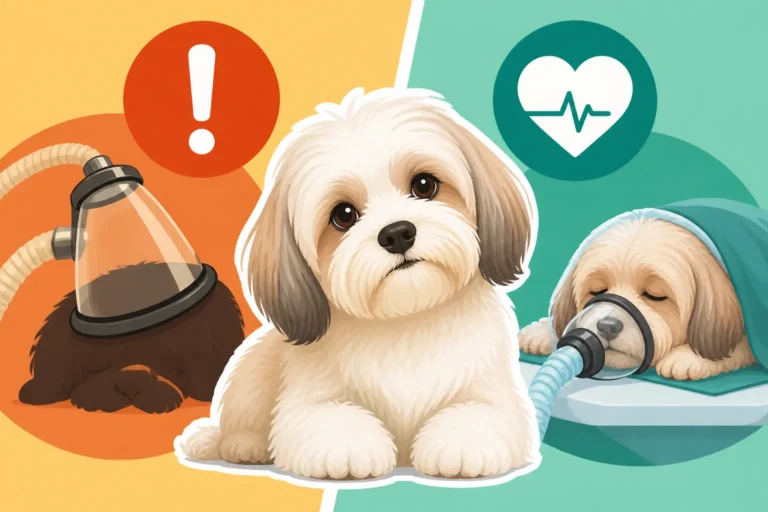
Small Havanese anesthesia risks, hypothermia, and hypoglycemia prevention during veterinary procedures are explained for worried owners.
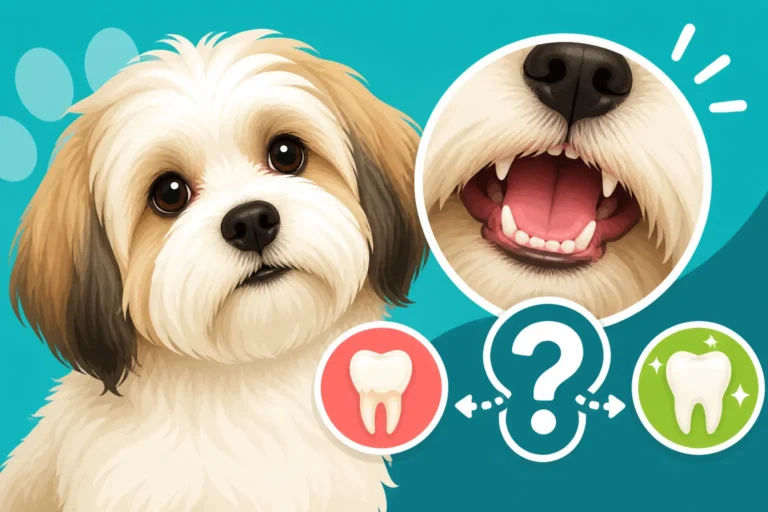
Retained baby teeth in Havanese puppies can cause dental crowding and misalignment when adult teeth erupt without falling out.

Havanese jaws are petite but hold as many teeth as larger breeds, so crowding lets food and bacteria build plaque and tartar, which raises the need for scaling.
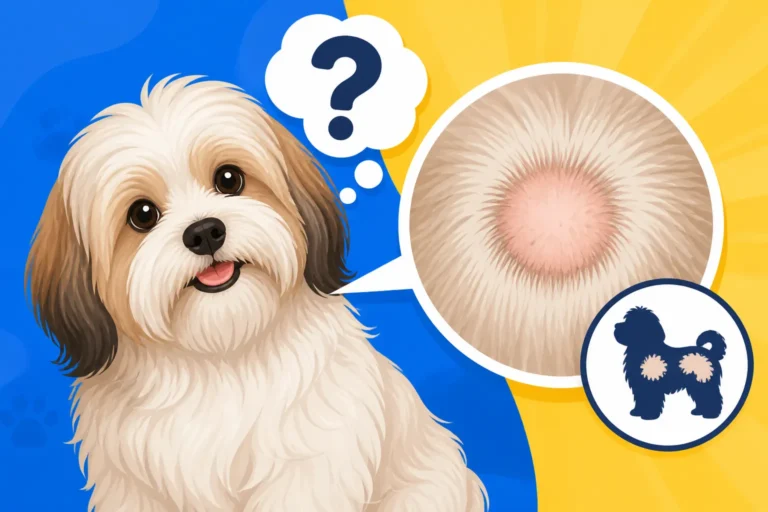
Havanese hair loss in patches explained through puppy coat changes between eight and eighteen months, allergies, and skin irritations.
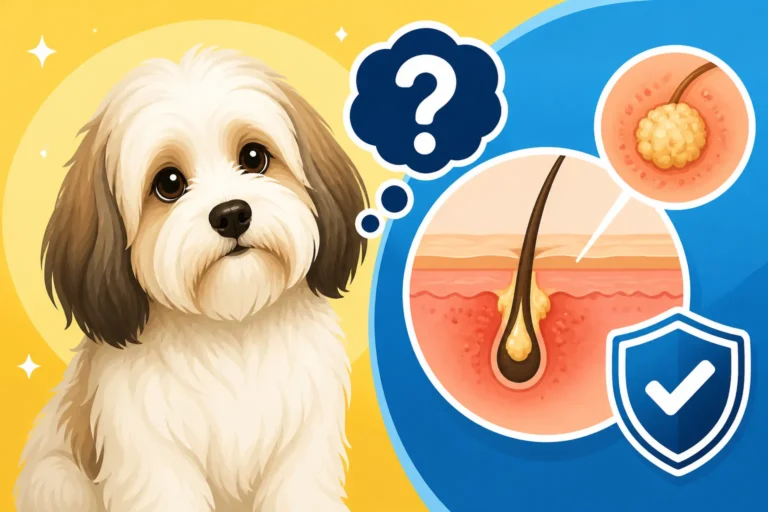
Sebaceous Adenitis in Havanese dogs is an inflammatory autoimmune disease that destroys skin glands and causes dry coats.
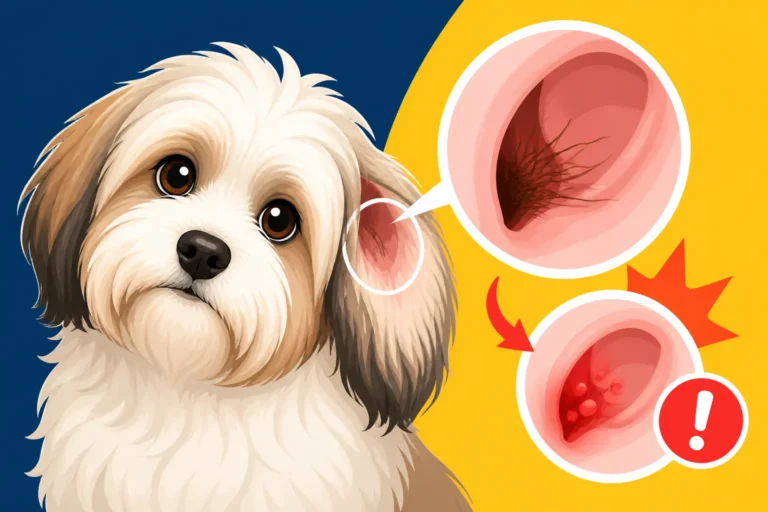
Havanese ear canal hair and its real role in causing trapping of moisture, wax, and bacteria that lead to canine ear infections.
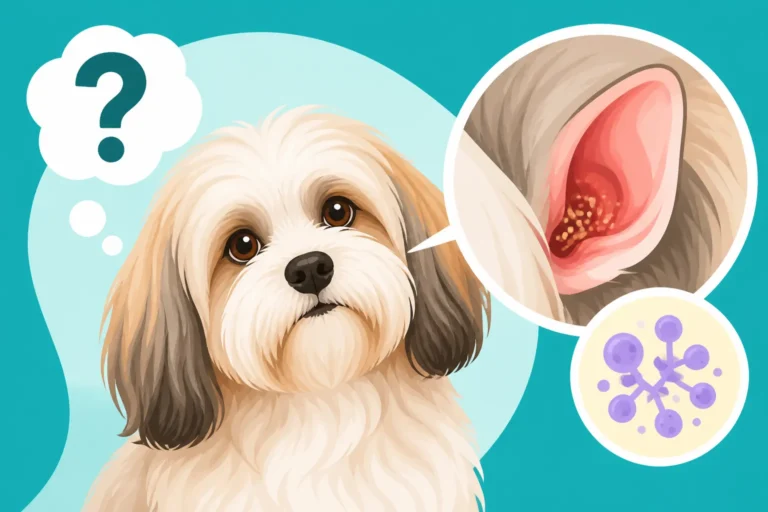
Havanese floppy ears and trapped moisture create warm environments that cause yeast infections, head shaking, and scratching.