Whether a Havanese Outlives a Maltese
Bringing a new furry family member into your home is a huge decision, and for many of us, knowing how long we can expect them to be by our side is a deeply emotional consideration. When you're weighing breeds like the cheerful Havanese against the elegant Maltese, questions about their longevity naturally arise. This comprehensive guide will delve into the typical lifespans of both breeds, explore the common health conditions that can impact their golden years, and share practical advice on how you can help your chosen companion live the longest, happiest life possible.
Comparing Average Lifespans: Havanese vs. Maltese
It's completely normal to wonder about the longevity of a potential companion. You want to know that the bond you're forming will last for many cherished years. When we look at the Havanese and the Maltese, two delightful toy breeds, their average lifespans are quite comparable, often falling within a similar range, which is good news for anyone seeking a long-lived little dog.
Understanding Havanese Longevity
The Havanese is generally known for being a robust little dog, especially for a toy breed. Owners often report their Havanese living well into their teens. It's not uncommon to hear stories of Havanese celebrating their 14th, 15th, or even 16th birthdays, which is fantastic news if you're looking for a long-term companion. The average lifespan for a Havanese typically falls in the range of The Fourteen to Sixteen Years a Havanese Lives, which speaks volumes about their general health and vitality. Of course, this is an average, and individual dogs can certainly defy expectations, living shorter or even longer lives depending on a myriad of factors.
They're often described as healthy dogs overall, a trait that breeders diligently work to preserve. Factors like responsible breeding practices, consistent veterinary care, and a loving home environment all play a crucial role in tilting the odds in favor of a long life. While no dog is truly free from potential health issues, the Havanese has a good track record. It's truly wonderful to spend so many years with these lively, affectionate little characters, watching them grow from mischievous puppies to cherished senior companions. Caring for a Havanese past twelve years often means navigating some age-related changes, but their spirit remains strong.
For those considering a Havanese, understanding their genetic predispositions is key. While generally healthy, specific conditions like patellar luxation or certain eye diseases can sometimes crop up, and being aware of these can help you choose a responsible breeder and provide appropriate care from day one. Many Havanese owners have found pet insurance providers like Healthy Paws to be invaluable for covering unexpected vet costs as their beloved pets age, giving them peace of mind that they can always provide the best care without financial strain.
Exploring Maltese Lifespan
The Maltese, with their stunning white coats and graceful demeanor, are also celebrated for their impressive longevity. Much like the Havanese, it's common for Maltese to live long, full lives, often reaching ages between 12 and 15 years, and sometimes even longer. It's a wonderful testament to their hardiness as a toy breed. Many owners revel in the many years they get to spend with these charming and gentle dogs, whose playful spirit often belies their advanced age.
Historically, the Maltese has always been a companion dog, cherished for its beauty and affectionate nature. This close bond with humans means they typically live indoors, receiving constant care and attention, which undoubtedly contributes to their extended lifespans. Their small size makes them relatively easy to manage, and they often become integral members of the family, showered with love and excellent care. When considering The Havanese Against the Bichon and the Maltese, longevity is one of many factors.
However, even with the best care, Maltese dogs, like all breeds, have their own set of potential health predispositions. Understanding these can help prospective owners prepare for potential challenges and ensure their Maltese receives timely and effective medical attention throughout its life. It's wise to consider comprehensive pet insurance, perhaps through a provider like Healthy Paws, early in your dog's life to safeguard against future medical expenses, especially for breeds known for certain genetic conditions. This proactive step can offer significant peace of mind.
Common Health Concerns Influencing Lifespan in Havanese and Maltese
While both breeds boast impressive lifespans, they also share some common predispositions to certain health issues, typical of many small purebred dogs. Being aware of these isn't about fostering anxiety, but about empowering you to be a proactive and informed pet parent, ready to address potential concerns early.
Health Challenges in Havanese
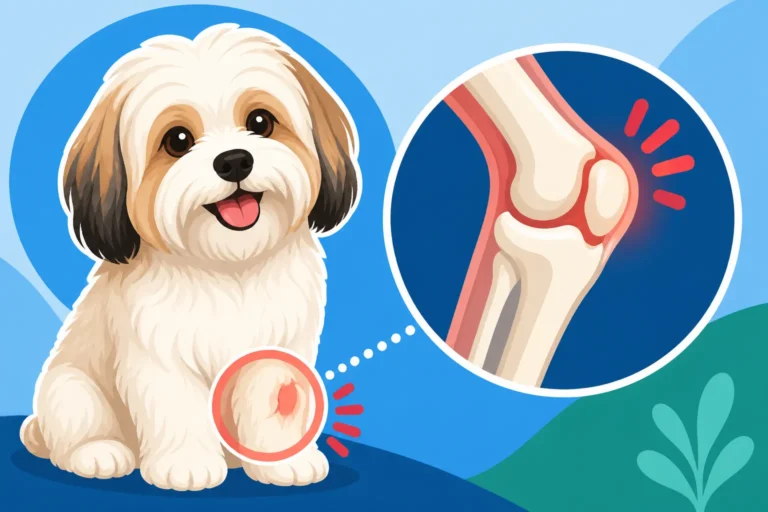
Even with their generally healthy reputation, Havanese aren't immune to certain health conditions that can impact their quality of life and potentially their longevity. One of the more common orthopedic issues we see is The Kneecaps a Havanese Slips, also known as patellar luxation. This is where the kneecap temporarily slips out of place, causing discomfort or a skip in their gait. While many cases are mild and managed conservatively, severe cases might require surgery to correct the issue and prevent further joint damage.
Eye health is another area to be mindful of. Havanese can be prone to The Eye Diseases a Havanese Inherits, such as cataracts or progressive retinal atrophy (PRA), which can affect their vision over time. Regular eye exams by a veterinary ophthalmologist are a good idea, especially as they get older, to detect these conditions early and manage them appropriately. Another, more serious concern, though less common, is a congenital portosystemic shunt, often referred to as a liver shunt. This condition, covered in detail in What a Congenital Liver Shunt Does to a Havanese, can be life-threatening if not diagnosed and treated early. Symptoms can be subtle, so vigilance is key.
Heart conditions, particularly Mitral Valve Disease in an Older Havanese, can also emerge as they age. This is a common ailment in many small breeds, often presenting as a heart murmur. Regular vet check-ups are crucial for early detection and management, which can significantly extend a dog's comfortable life. Dental health is also paramount; Dental Crowding in a Havanese Mouth can lead to plaque buildup and periodontal disease, impacting overall systemic health if left unchecked. A proactive approach to dental care, including professional cleanings and home brushing, can prevent many issues down the line.
Health Challenges in Maltese
Maltese, while long-lived, also have breed-specific health concerns that owners should be aware of. Like Havanese, they are susceptible to patellar luxation, which can range from mild to severe. Tracheal collapse is another condition often seen in toy breeds, including the Maltese. This involves the weakening of the tracheal rings, leading to a chronic cough or respiratory distress. Managing weight, avoiding neck pressure from collars (opt for a harness instead), and minimizing excitement can help alleviate symptoms.
Dental disease is extremely prevalent in Maltese. Their small mouths can lead to overcrowding, making them highly prone to plaque and tartar accumulation. Without regular veterinary dental cleanings and diligent home care, this can progress to serious periodontal disease, leading to pain, tooth loss, and even systemic infections affecting organs like the heart and kidneys. It’s a silent threat that absolutely needs attention, and consistent effort to ensure proper oral hygiene is critical.
They can also be predisposed to certain heart conditions, much like the Havanese, which necessitates regular cardiac screenings as they age. Additionally, "white shaker dog syndrome" (generalized tremor syndrome) is more common in white-coated breeds, including the Maltese, causing full-body tremors that usually respond well to medication. It's reassuring to know that with proactive veterinary care and potentially a good pet insurance plan from a provider like Healthy Paws, many of these conditions can be managed effectively, allowing your Maltese to continue enjoying a good quality of life despite these challenges.
Factors Influencing Longevity Beyond Breed Genetics
While genetics certainly play a role in a dog's predisposition to certain conditions, they are by no means the sole determinant of how long and how well your Havanese or Maltese will live. The daily choices you make as an owner have a profound impact, perhaps even more so than any genetic lottery. You hold a significant key to their long-term health and happiness.
The Impact of Preventative Care and Nutrition
The truth is, while genetics lay the foundation, how we care for our dogs day-to-day plays an enormous role in The Average Age a Havanese Reaches and how well they live through those years. Preventative veterinary care is arguably the single most important factor. This isn't just about annual vaccinations; it includes regular check-ups, appropriate parasite control, and early detection screenings. For instance, addressing How Often a Havanese's Teeth Need Scaling from a young age can prevent serious dental disease, which, as we've discussed, can lead to much larger health problems impacting vital organs.
Nutrition is another cornerstone of a long, healthy life. Feeding a high-quality, balanced diet appropriate for your dog's age, size, and activity level is critical. Avoiding overfeeding is also key; maintaining a lean body weight significantly reduces the risk of joint problems, heart disease, and diabetes. It’s not always easy, especially when those big, soulful eyes are begging for a treat, but portion control and healthy snacks truly make a difference. Talk to your vet about the best food choices and proper feeding amounts for your Havanese or Maltese, as their needs can change over time.
Beyond food, ensure access to fresh, clean water at all times. Hydration is vital for all bodily functions. Many owners also consider joint supplements as their dogs age, particularly for breeds prone to orthopedic issues. While not a magic bullet, they can support joint health and comfort. Investing in a robust pet insurance plan early on, like those offered by Healthy Paws, can make a world of difference when unexpected health issues arise, allowing you to focus on your dog's recovery without the added stress of overwhelming vet bills.
Lifestyle and Environmental Considerations
Beyond the vet's office and the food bowl, a dog's daily life and environment profoundly impact their longevity. Regular, appropriate exercise helps maintain a healthy weight, strengthens muscles, and provides crucial mental stimulation. For toy breeds like the Havanese and Maltese, this doesn't mean marathon runs, but consistent daily walks and opportunities for safe, supervised play are essential. Just as important as physical exercise is mental enrichment. Puzzle toys, positive reinforcement training sessions, and interactive games keep their minds sharp and engaged, preventing boredom which can sometimes lead to stress or destructive behaviors.
Creating a safe home environment is equally crucial. Both Havanese and Maltese are small and relatively delicate, making them prone to injuries from falls, especially from furniture. Providing steps or ramps to beds and couches can prevent joint trauma, which is particularly important if you're trying to prevent conditions like luxating patellas from worsening. Monitoring their interactions with larger pets or young children is also vital to prevent accidental injuries, as a small dog can easily be hurt if not handled carefully. Whether a Havanese Is Sturdier Than a Maltese is often debated, but both are small and need care.
Stress management also plays a role. A calm, predictable home environment reduces anxiety in dogs, which can have tangible benefits for their physical health over time. For example, if you have a Havanese that cannot be left alone, addressing separation anxiety early can prevent chronic stress. Similarly, ensuring your dog is comfortable with grooming, as detailed in guides like Teaching a Havanese to Lie Still for Grooming, reduces stress during necessary maintenance. Ultimately, providing a loving, secure, and stimulating home fosters a truly happy and long-lived companion.
Making an Informed Decision and Maximizing Your Dog's Lifespan
When you're comparing the Havanese and Maltese, it’s about so much more than just numbers. It’s about finding the right furry soul to share your life with. Understanding the nuances of each breed’s health and how your own care contributes to their longevity is key to making the best choice for both of you.
Why Breed Statistics Are Just a Starting Point
It's totally understandable to pore over statistics when choosing a dog, especially when it comes to something as precious as how many years you'll have together. But here's the honest truth: breed average lifespans are just that — averages. They are valuable data points, certainly, but they don't dictate the fate of your specific puppy. Think of it more as a general guideline. Many individual dogs will live shorter lives due to unforeseen circumstances, accidents, or aggressive diseases, and many will live far longer, thriving into their golden years with excellent care and a sprinkle of good fortune.
The more important takeaway from these statistics isn't to pick the breed with the highest number, but to understand the potential health challenges associated with each. Knowing these predispositions allows you to be a more informed and proactive owner. It guides your choice of a responsible breeder who screens their dogs for these issues and helps you work with your veterinarian on a preventative health plan tailored to your dog's breed and individual needs. It's about being prepared, not predicting an exact expiration date.
Remember that comparing a Havanese to a Maltese in terms of lifespan often reveals very similar ranges, usually in the low to mid-teens. So, if you're asking Whether a Havanese Outlives a Maltese, the answer isn't a stark difference, but rather a slight variation within a generally long lifespan for both. Your choice should hinge more on personality, grooming commitment, and overall fit for your lifestyle rather than a few months' difference in average lifespan. Perhaps Havanese or Maltese for an Apartment living is a more relevant question for you.
Prioritizing Health in Your Puppy Search
When you're ready to bring a Havanese or Maltese into your life, the single most impactful decision you'll make for their long-term health is choosing a responsible breeder. A good breeder prioritizes the health and well-being of their breeding dogs and puppies above all else. This means they conduct health testing for breed-specific genetic conditions, are transparent about their dogs' pedigrees, and can provide proof of health clearances. Don't be shy about asking for these. For a Havanese, this would include certifications for eyes, patellas, and potentially cardiac health. For a Maltese, similar health checks for patellas, eyes, and cardiac health are crucial.
A responsible breeder will also be keen to interview you to ensure their puppy is going to a good home. They'll welcome questions, allow you to meet the puppy's parents, and be a resource for you throughout your dog's life. They understand that a healthy puppy today means a healthy adult dog for years to come. Avoid breeders who can't answer your health questions, don't provide health clearances, or push you to take a puppy home before 8 weeks of age.
Finally, remember that ongoing care is a partnership between you and your vet. Regular check-ups, a balanced diet, consistent exercise, and plenty of love will provide the best possible chance for your Havanese or Maltese to not just live a long life, but to truly thrive. Having financial support for unexpected health issues, such as through a reputable pet insurance provider like Healthy Paws, can truly provide peace of mind and ensure your beloved companion receives the best possible medical care throughout their long and happy life. Knowing What a Havanese Costs a Year to Keep should always factor in potential vet bills, planned and unplanned.
| Breed | Average Lifespan (Years) | Common Health Concerns | Grooming Needs | Temperament Highlights |
|---|---|---|---|---|
| Havanese | 14-16 | Patellar Luxation, Eye Diseases (Cataracts, PRA), Liver Shunts, Mitral Valve Disease, Dental Issues | High (Daily brushing) | Cheerful, Outgoing, Intelligent, Affectionate |
| Maltese | 12-15 | Patellar Luxation, Tracheal Collapse, Dental Disease, White Shaker Syndrome, Heart Conditions | High (Daily brushing, tear stains) | Gentle, Playful, Devoted, Lively, Elegant |
Disclaimer
Please remember that the information provided in this guide is for general informational purposes only and should not be considered a substitute for professional veterinary advice. Always consult with your veterinarian for any health concerns or before making any decisions related to your pet's health or care.