Whether a Havanese Coat Is Silky or Wiry
It's incredibly common for new Havanese owners, and even those who've loved the breed for a while, to wonder about the true nature of their dog's coat. You might hear terms like "silky" and "wiry" thrown around, and it can be confusing trying to figure out if your Havanese's fluffy, sometimes unruly, locks fit the "ideal." This guide is here to untangle that confusion, explain the unique characteristics of the Havanese coat, and help you understand what's normal, what's not, and how to best care for your furry friend's magnificent mane.
The Havanese Coat Standard: What's Expected?
When you delve into the official breed standards for the Havanese, you'll find very specific descriptions of their coat. These aren't just arbitrary preferences; they reflect the historical development of the breed and what makes a Havanese, well, a Havanese. Understanding these standards is the first step in appreciating your dog's unique texture.
The Ideal Texture Described
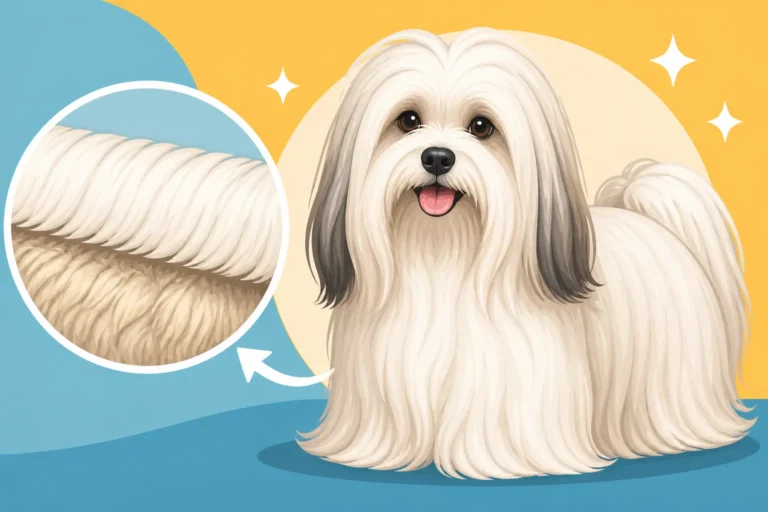
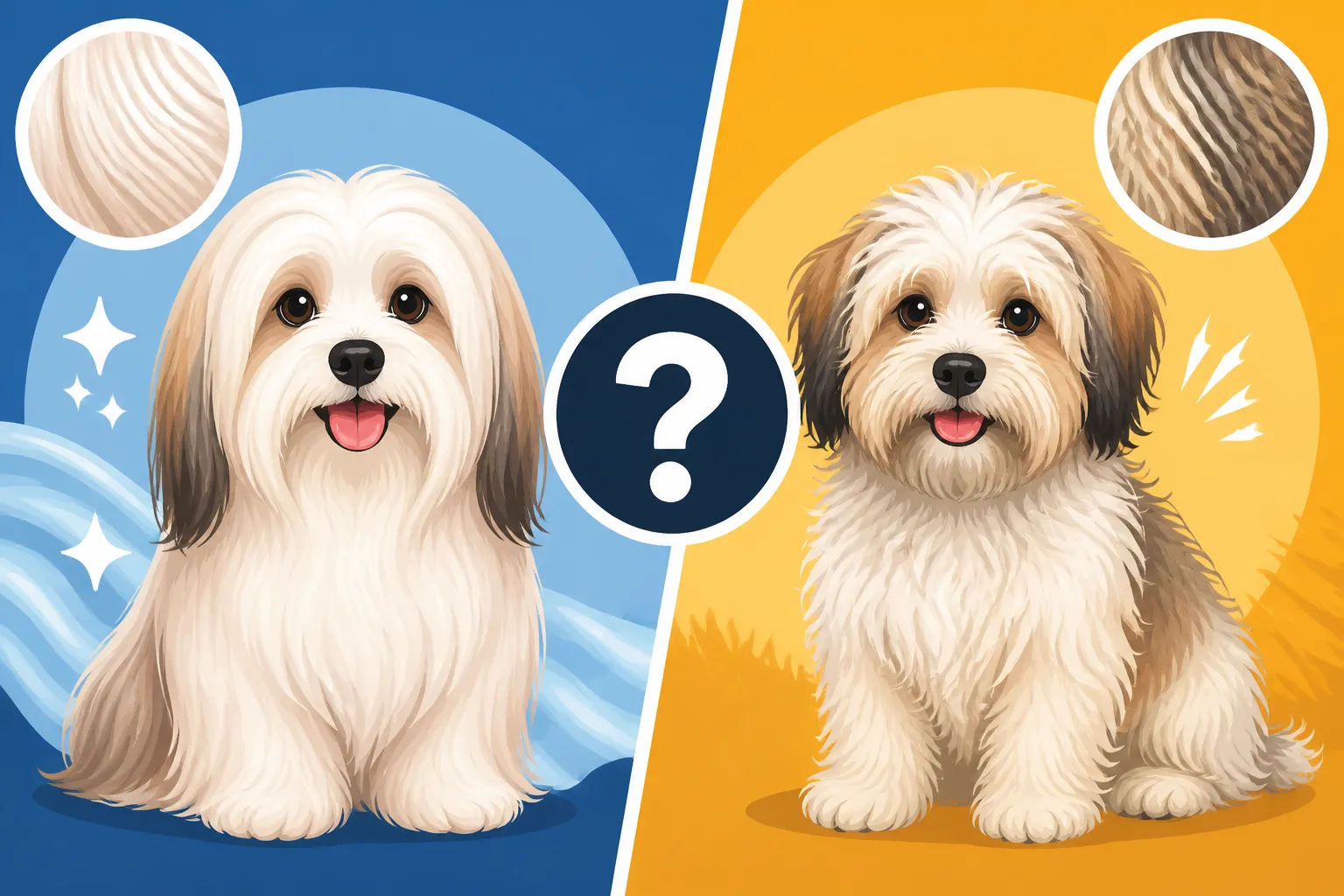
The Havanese standard consistently emphasizes a coat that is soft, silky, and light. It's often described as feeling like raw silk or even spun glass – fine, flowing, and with a distinct sheen. This isn't a coarse coat, nor is it cottony or woolly like some other breeds. Instead, it should possess a luxurious drape, falling gracefully as your Havanese moves. When you run your fingers through a properly maintained Havanese coat, it should feel incredibly smooth and cool to the touch, easily parting and falling back into place without resistance.
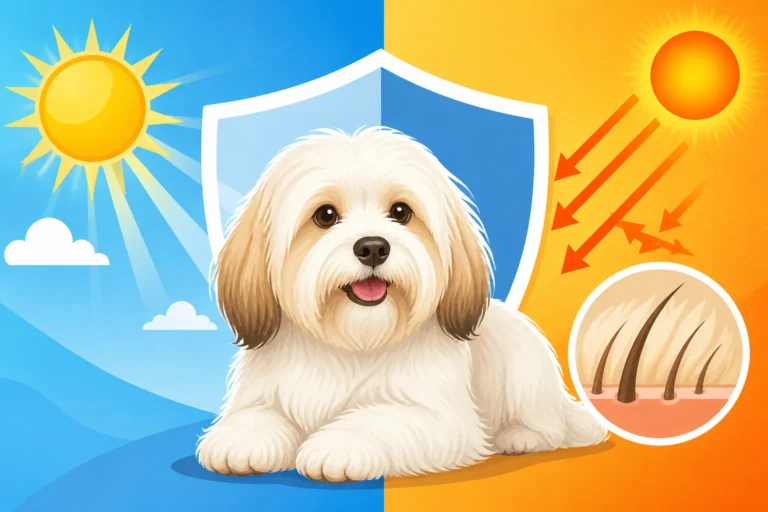
Imagine a fine silk scarf; that's the kind of elegant flow and softness the ideal Havanese coat is meant to have. This texture is a hallmark of the breed, a direct link back to their Cuban heritage where a lighter, flowing coat would have been advantageous in the warmer climate. It's truly one of their most distinguishing features, setting them apart from other small, long-coated breeds.
Why "Wiry" Isn't Typical for a Havanese
If your Havanese's coat feels wiry, bristly, or coarse, it's generally not considered typical for the breed. Wiry coats are characteristic of terriers, like a Jack Russell or a Border Terrier, where the texture is designed to be tough and weatherproof, often requiring hand-stripping rather than simple brushing. Their hair shafts are thick and stiff, giving them a distinct, almost rough-to-the-touch feel that's meant to repel dirt and water.
A true Havanese coat should never exhibit this kind of harshness. If you're encountering a wiry texture, it could be a sign of a few things we'll explore later, such as severe matting, incorrect grooming, or even a mixed lineage. It’s important not to confuse a slightly wavy or even a more dense, profuse silky coat with a truly wiry one. The difference in feel is quite significant, and a wiraness would be a departure from the breed's established characteristics.
Understanding the Havanese Double Coat
One of the most fascinating aspects of the Havanese coat is that it's actually a double coat, even though it doesn't shed in the traditional sense like many double-coated breeds. This combination of an inner and outer layer is crucial to its unique texture and protective qualities. It's this dual structure that gives the Havanese its characteristic fluffy yet flowing appearance.
The Protective Undercoat
Beneath that beautiful, long outer layer lies a softer, often slightly denser undercoat. This undercoat is typically fine and downy, almost like soft cotton or wool. Its primary job is insulation, keeping your Havanese warm in cooler temperatures and, surprisingly, helping to regulate body temperature in warmer climates by creating an airy buffer against the heat. It also provides a protective cushion for the skin.
While this undercoat is vital, it's also the main culprit behind matting if not properly managed. It sheds, but the loose hairs get caught within the longer outer coat, leading to tangles and knots. A healthy undercoat contributes to the overall volume and plushness of the Havanese, giving it that characteristic "springy gait" often mentioned in the breed standard.
The Flowing Outer Coat
The outer coat is where the Havanese truly shines, quite literally! This is the long, flowing, silken hair that gives the breed its elegant appearance. It should be soft to the touch, with a natural sheen, and can be quite profuse. It's this outer coat that can grow to impressive lengths, sometimes even reaching the floor if left untrimmed. Whether a Havanese Coat Reaches the Floor is a question many owners ponder, and indeed, it can, but this requires immense dedication to grooming.
The outer coat contributes significantly to the Havanese's signature light and airy texture. It should move freely with the dog, creating an almost ethereal quality as they prance. When healthy, it's remarkably low-allergen, making the Havanese a popular choice for families with sensitivities, although no dog is truly 100% hypoallergenic. The combination of the soft undercoat and the luxurious outer coat is what defines the Havanese's beautiful, yet demanding, grooming needs.
Variations in Havanese Coat Texture
While the breed standard calls for a silky coat, it's not always a uniform experience from one Havanese to the next. Just like human hair, there can be subtle differences in texture that are perfectly normal. Understanding these variations can help you appreciate your dog's individual characteristics and tailor your grooming approach accordingly.
The Puppy Coat Transition
If you're noticing a different texture in your young Havanese, especially one that seems a bit coarser or more cottony than expected, it's likely due to the puppy coat. Havanese puppies are born with an incredibly soft, fine coat that is often much easier to manage than their adult hair. However, around 8-15 months of age, they go through a significant "blowing coat" phase, where the soft puppy fur gives way to the denser, double-layered adult coat. When a Havanese Puppy Coat Changes is a crucial period for grooming.
During this transition, the old puppy coat often gets deeply intertwined with the emerging adult hair, leading to intense matting. This period can make the coat feel rougher or more difficult to comb through, not because the adult coat is wiry, but because it's a tangled mess of old and new hair. Once this phase is complete and the adult coat has fully grown in and settled, the true silky texture should become more apparent, provided it's regularly groomed. Patience and consistent brushing are key during this fuzzy adolescent stage.
Genetic Influences and Line Differences
Even within purebred Havanese, there can be slight variations in coat texture due to genetics. Some lines might produce dogs with a slightly wavier coat, while others might have a straighter, finer texture. You might also encounter some Havanese with a denser, more profuse coat that, while still silky, feels more substantial than a very fine, sparse coat. These are generally considered within the acceptable range for the breed, falling under the umbrella of "silky." Whether a Havanese Coat Texture Varies by Line is definitely something breeders observe and consider.
For instance, one Havanese might have a coat that's described as "lighter, airier silk," while another from a different lineage might have "richer, heavier silk." Both are undeniably silky, but the subtle differences in density or wave can give a slightly different hand-feel. These are not true "wiry" coats, but rather nuanced expressions of the silky gene. However, if a breeder is deliberately breeding for an extremely dense or cottony coat that moves away from the silken ideal, it's something to be aware of, as it can make grooming much more challenging.
Environmental and Care Impacts
What you put into your Havanese, and what you put on their coat, can absolutely impact how it feels. A poor diet lacking essential fatty acids can lead to a dry, brittle, and less lustrous coat that might feel coarser than it should. Think of how dull and unhealthy human hair looks when someone isn't eating well. The same applies to your Havanese. Providing a high-quality, balanced diet, perhaps even exploring fresh food options like Ollie, can make a noticeable difference in coat health and silkiness.
Similarly, using harsh shampoos, neglecting regular conditioning, or improper drying can strip the natural oils from the coat, making it feel dry, frizzy, and less silky. Exposure to harsh environmental elements, like excessive sun or dry winter air without proper coat protection, can also take a toll. Regularly bathing your Havanese with appropriate shampoos and conditioners, followed by careful drying, is essential for maintaining that luxurious feel. Which Shampoo Suits a Havanese is an important question to consider, as many products are simply too harsh for their delicate coats.
The Impact of Coat Texture on Grooming and Care
The unique silky double coat of the Havanese directly dictates their grooming needs. Unlike breeds with wiry or coarse coats, a Havanese requires a specific approach to keep their locks free of mats, healthy, and beautiful. Understanding this connection is vital for every Havanese owner.
Brushing and Detangling Needs
The silky texture of a Havanese coat, while gorgeous, is also prone to matting. The fine, soft hairs can easily tangle, especially when the undercoat sheds and gets caught in the longer outer coat. This means daily brushing is not just a recommendation; it's a necessity. Skipping even a few days can quickly lead to painful mats that are difficult to remove without resorting to shaving. This is a stark contrast to many wiry-coated breeds, whose stiff hairs tend to repel tangles more effectively and are often "stripped" rather than brushed extensively.
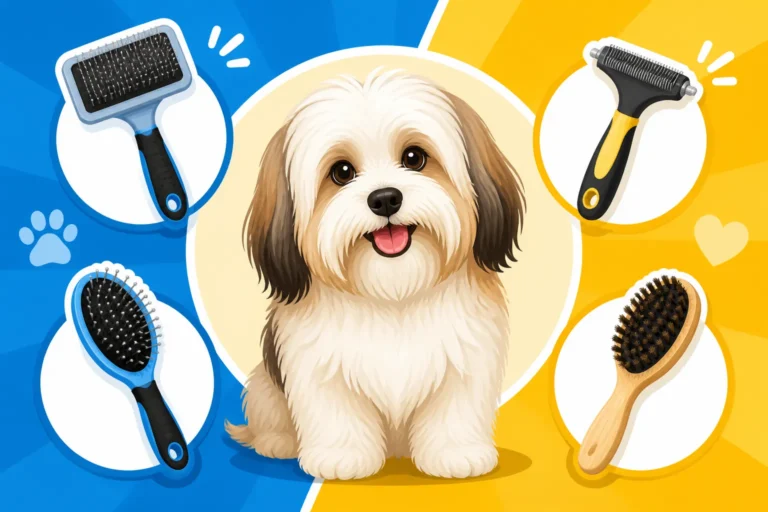
When brushing, you'll need to use specific tools like a pin brush and a metal comb. The goal is to get down to the skin to ensure no mats are forming at the base of the hair shaft. This process needs to be gentle yet thorough, as a Havanese can be sensitive. How Often a Havanese Must Be Brushed truly depends on the individual dog's coat density and lifestyle, but "daily" is a good baseline. Establishing a positive routine from puppyhood, even if your Havanese initially Whether a Havanese Fights a Brush, is crucial for long-term coat health and your sanity.
Bathing and Drying Techniques
Bathing a Havanese is also a specialized task. Due to their silky texture, the coat can easily tangle when wet, and improper drying can lead to mats and a dull appearance. You'll want to use a high-quality moisturizing shampoo and a good conditioner to keep the hair soft and prevent dryness. The conditioning step is particularly important for their silky texture, as it helps to smooth the hair cuticles, reducing friction and preventing tangles.
After bathing, thoroughly towel-dry your Havanese before using a dryer on a cool setting. It's essential to dry the coat completely, brushing as you go, to prevent any dampness from leading to matting. Air drying a Havanese, especially one with a longer coat, is a recipe for a matted disaster. Drying a Havanese Properly involves line brushing while drying to ensure every section of hair is straight and tangle-free, maintaining that signature silky feel.
Common Grooming Misconceptions
One common misconception is that clipping a Havanese short will make their coat coarser or change its texture permanently. While the texture of the hair at the clipped ends might feel slightly different initially (because you're feeling the blunt cut end of the hair shaft rather than the naturally tapered tip), the underlying genetic texture of the Havanese coat remains silky. Whether a Clipped Havanese Coat Grows Back the Same is a frequent concern, and the answer is yes, it will grow back with its original silky texture, though it might take time to regain its full length and drape.
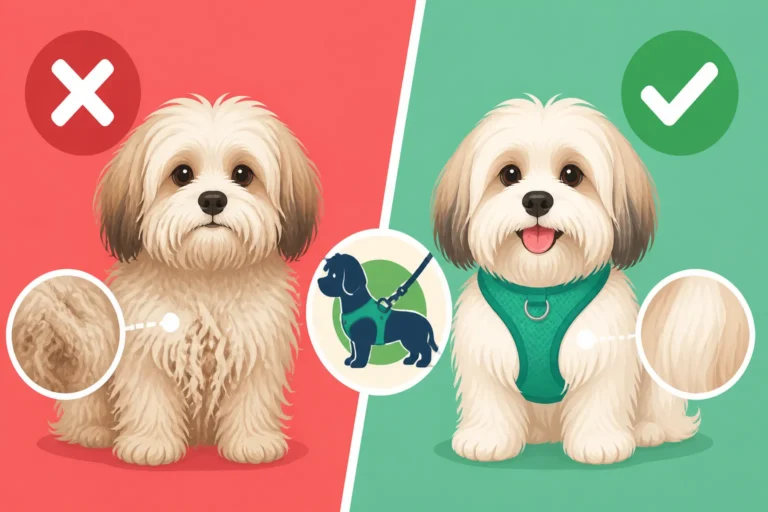
Another misconception is that a fluffy Havanese coat means it's wiry. Fluffiness simply refers to the volume and density of the coat, which is a characteristic of many Havanese. A fluffy coat can still be incredibly silky to the touch. The key distinction is the feel of the individual hair strands: soft and pliable for silky, stiff and coarse for wiry. As long as the individual hairs are fine and soft, even a very voluminous Havanese coat maintains its inherent silky quality.
Why a "Wiry" Feel Might Occur (and What It Means)
If you've felt your Havanese's coat and genuinely think it feels wiry or overly coarse, it's natural to be concerned. While a truly wiry coat is not characteristic of a purebred Havanese, there are several reasons why the coat might feel that way. Identifying the cause is the first step towards addressing it and restoring your Havanese's naturally soft texture.
Matting and Undercoat Issues
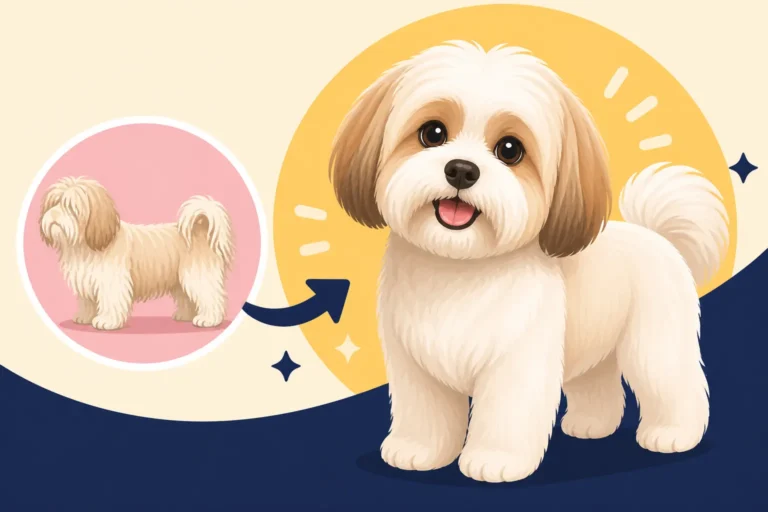
The most common reason a Havanese coat might feel stiff or wiry is severe matting, especially close to the skin. When the soft undercoat sheds and gets tangled with the outer coat, it forms dense, compacted knots. These mats pull at the skin, can be incredibly painful, and create a hard, almost felt-like texture that can easily be mistaken for wiry hair. The hair within the mat itself becomes matted and stiff, losing all its natural silkiness. Why a Havanese Mats at Eight Months and Not Before is often when this issue first starts appearing due to the coat change.
Neglected undercoat, even without full-blown matting, can also contribute to a coarser feel. If the undercoat isn't regularly brushed out, it can become impacted, forming a dense layer that interferes with the natural flow and softness of the outer coat. This impaction can make the entire coat feel less pliable and more robust than it should. In severe cases of matting, the only humane solution is often to shave the dog down, allowing the coat to grow back fresh and mat-free. Whether a Matted Havanese Must Be Shaved is a common and often necessary step to alleviate discomfort.
Product Buildup and Poor Coat Health
The products you use on your Havanese, or lack thereof, can also dramatically impact coat texture. Using shampoos with harsh detergents or chemicals can strip the natural oils from the hair and skin, leading to a dry, brittle, and rough-feeling coat. If you've ever used a shampoo that left your own hair feeling like straw, you know the effect! Similarly, leaving conditioner residue or not rinsing thoroughly can create a sticky, dull film that makes the coat feel unpleasant.
Beyond products, a Havanese's overall health plays a huge role in the quality of their coat. Nutritional deficiencies, allergies, or underlying Skin Trouble Under a Havanese Coat can manifest as a poor-quality coat that might be dry, brittle, greasy, or even patchy, all of which can contribute to a non-silky feel. If you suspect your Havanese's coat issues are linked to health, it's always best to consult your veterinarian. They might recommend specific dietary changes, supplements, or treatments for skin conditions.
Mixed Breed Influences
While we hope all Havanese are purebred, the reality is that sometimes dogs sold as purebred might have some mixed ancestry. If a Havanese is mixed with a breed that naturally has a wiry or coarser coat, such as some terrier types, then their coat might genuinely exhibit those characteristics. In such cases, no amount of grooming or special products will transform a genetically wiry coat into a silky one.
If you obtained your Havanese from a reputable breeder who screened for genetic health and provided a clear pedigree, this is less likely to be the issue. However, if there's any doubt about your dog's lineage, a DNA test could provide clarity. Ultimately, whether purebred or not, every dog deserves a comfortable, well-cared-for coat, regardless of its exact texture.
Maintaining That Signature Silky Havanese Coat
Achieving and maintaining the luxurious, silky coat that Havanese are known for isn't just about genetics; it's a commitment to consistent, proper care. It truly is a partnership between you and your furry companion to keep them looking and feeling their best.
Daily Brushing is Key
There's no getting around it: consistent, daily brushing is the cornerstone of Havanese coat care. Even if your Havanese has a shorter "puppy cut," a quick daily once-over with a good brush and comb will prevent small tangles from becoming big mats. For longer coats, a thorough line-brushing session daily or every other day is essential. This isn't just a quick surface brush; it means systematically parting the hair and brushing from the skin out, ensuring no tangles are hiding underneath.
A good pin brush and a steel comb with both wide and narrow teeth are your best friends. Products like detangling sprays, readily available on Chewy or Amazon, can also be incredibly helpful to make the process smoother and prevent breakage. Remember, brushing isn't just for looks; it stimulates blood flow to the skin, distributes natural oils, and helps you bond with your dog. It might seem like a lot of work, but How Long Brushing a Havanese Takes Daily often isn't as long as you think once you get into a routine.
Quality Diet and Supplements
Just like our skin and hair reflect our internal health, so does your Havanese's coat. A high-quality diet rich in essential nutrients is paramount for a healthy, shiny, and silky coat. Look for dog foods with real meat as the first ingredient and a good balance of fats and vitamins. Some owners find that incorporating fresh food diets, like those offered by Ollie, makes a noticeable difference in their Havanese's coat quality.
Additionally, certain supplements can bolster coat health. Omega-3 fatty acids, often found in fish oil, are fantastic for skin and coat, promoting shine and reducing dryness. Whether a Havanese Needs Fish Oil for Its Coat is a common question, and for many, it can be a beneficial addition, helping to maintain that soft, silky texture and a healthy skin barrier. Always consult your vet before adding any new supplements to your dog's diet to ensure they're appropriate and in the correct dosage.
Professional Grooming When Needed
While home grooming is essential, professional grooming is often a vital part of maintaining a Havanese's coat, especially if you prefer a longer style or find yourself struggling with mats. Professional groomers have the tools, expertise, and experience to handle even the most challenging coats. They can provide thorough baths, full detangling, sanitary trims, and stylish cuts that you might not feel comfortable doing yourself.
Even if you maintain your Havanese's coat at home, regular professional grooming every 4-8 weeks can help keep everything in check. They can trim nails, clean ears, and catch any skin or coat issues you might have missed. While Why Grooming a Havanese Costs More Than Buying One might seem like an exaggeration, the ongoing expense of professional grooming highlights the dedication required for this breed's coat care. Think of it as an investment in your Havanese's comfort, health, and stunning appearance.
Coat Texture Comparison
Here's a quick table to summarize the key differences in coat types, keeping in mind that the Havanese ideally falls squarely into the "silky" category.
| Feature | Silky Coat (Havanese Ideal) | Wiry Coat (e.g., Terrier) | Cottony/Woolly Coat (e.g., Poodle, Bichon) |
|---|---|---|---|
| Feel | Soft, fine, flowing, smooth, cool to the touch | Coarse, stiff, harsh, bristly, springy | Soft, dense, fluffy, tends to mat easily, sometimes feels damp |
| Appearance | Lustrous, drapes gracefully, natural sheen, can grow very long | Duller, often unruly, stands away from body, shorter to medium length | Voluminous, often curly or tightly curled, holds shape, matte finish |
| Shedding | Minimal to none (hairs caught in coat) | Minimal (hairs removed by stripping) | Minimal to none (hairs caught in coat) |
| Matting Tendency | High, especially during coat change or neglect | Low (hairs repel tangles) | Very High (hairs interlock easily) |
| Grooming Needs | Daily brushing, regular conditioning, careful drying | Regular stripping, brushing to remove dead hair | Daily brushing, professional clipping, careful drying |
| Primary Function | Historically, protection from sun, ornamentation | Protection from elements, camouflage | Insulation, soft tactile feel |
Disclaimer
This article is for general informational purposes only and does not constitute professional advice. Laws, prices and regulations vary by location and change over time. Consult a qualified professional for guidance on your specific situation.