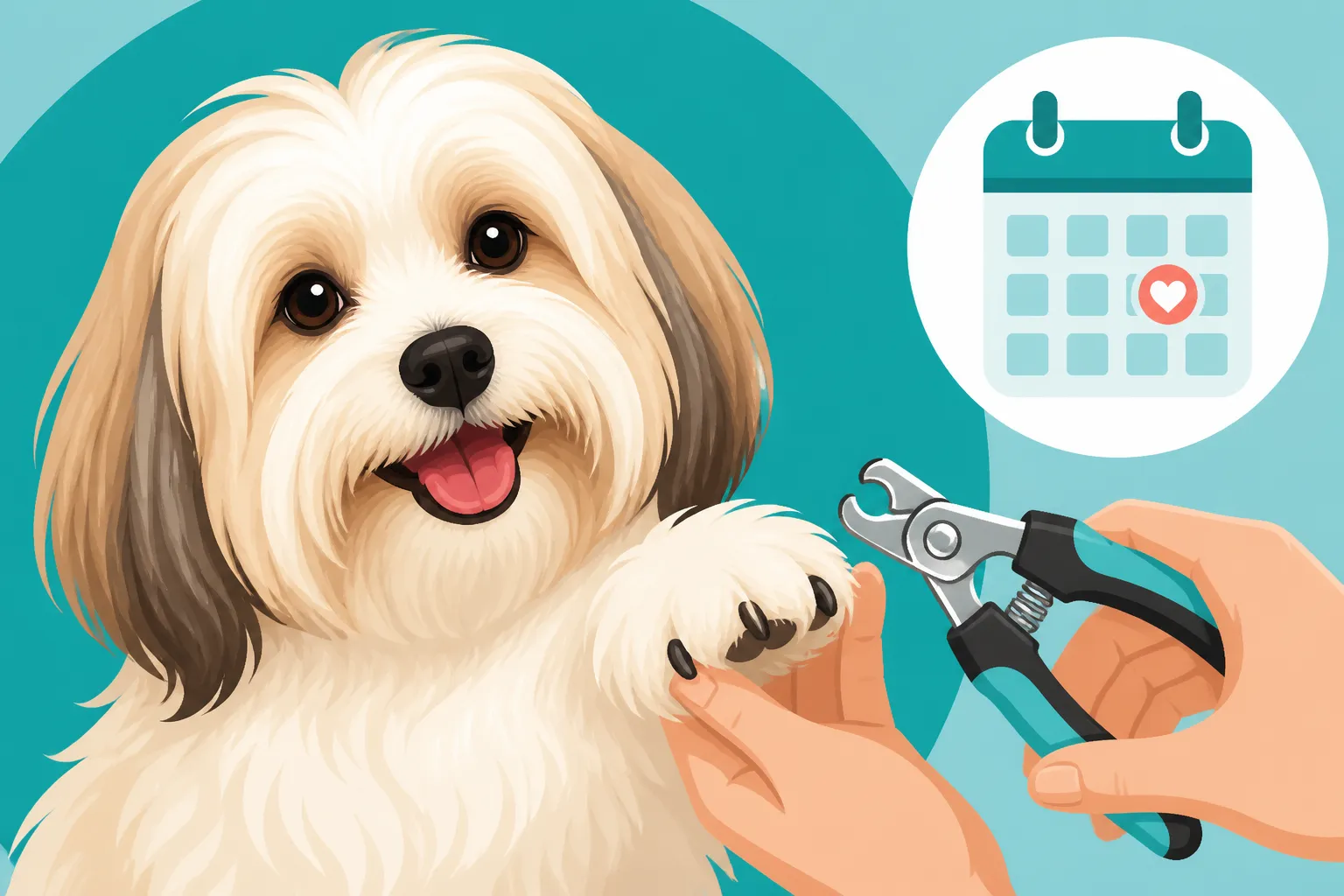
How Often a Havanese’s Nails Need Cutting
One of the most common worries for Havanese owners, especially new puppy parents, is figuring out how often their little furry friend’s nails actually need trimming. It's a task many of us dread, often fueled by the fear of cutting too short and hitting the "quick," which can be painful and lead to bleeding. But letting your Havanese's nails grow too long can cause a whole host of problems, from discomfort and pain to serious health issues down the line. This comprehensive guide will walk you through everything you need to know about keeping your Havanese's paws healthy and happy, ensuring you feel confident with the clippers or grinder in hand.
Understanding Your Havanese's Nail Growth
Before we even talk about how often to trim, it's really helpful to understand why Havanese nails grow the way they do and what influences their rate of growth. Just like our own fingernails, a dog's nails are constantly growing, and for our pampered house pets, they often don't get the natural wear and tear that wild canids would experience.
The Quick and the Nail Anatomy
Every one of your Havanese's nails contains a sensitive part called the "quick." This isn't just a fancy term; it's a living tissue filled with blood vessels and nerves. If you look closely at light-colored nails, you might see a pinkish area – that's the quick. Dark nails, of course, make it much harder to see, which adds to the anxiety many owners feel. When we talk about trimming, the goal is always to cut the insensitive tip of the nail, just shy of the quick, to avoid pain and bleeding.
The quick grows along with the nail, which is why consistent, regular trimming is so important. If nails are allowed to grow excessively long, the quick will also extend further down the nail. This makes it challenging, if not impossible, to trim the nail back to a healthy length without causing discomfort. Over time, with frequent small trims, the quick can actually recede, allowing you to gradually take more off and achieve shorter, healthier nails.
How Activity Levels Impact Nail Wear
Think about a wild dog running miles over rough terrain; their nails would naturally file down, staying short and strong. Our beloved Havanese, while certainly active and playful, typically live much softer lives, usually indoors or on manicured walks. This means their nails don't get that natural abrasion.
A Havanese that spends most of its time on carpets or soft grass will have less natural wear on its nails compared to one that frequently walks on concrete or sidewalks. Even a dog that gets daily walks on pavement might not wear its nails down evenly or enough, especially if they have a light step. It’s a common misconception that simply walking your dog will keep their nails perfectly short. While it helps, it rarely eliminates the need for regular trimming altogether. This is why understanding your individual dog’s lifestyle is crucial in determining their trimming schedule.
Recognizing When It's Time for a Trim
One of the best ways to know it’s time for a trim is to simply listen and observe your Havanese. Our dogs often tell us, in their own subtle ways, when their nails are getting too long. It's not about guessing; there are clear signs you can look for that indicate your pup is overdue for a paw-dicure.
The Telltale Click on Hard Floors
Perhaps the most obvious sign that your Havanese's nails are getting too long is the sound they make when walking across hard surfaces like hardwood floors, tile, or laminate. Do you hear a distinct "click-click-click" with every step they take? If so, their nails are definitely too long. When a dog walks, their paw pads should be the primary point of contact with the ground. Long nails push up into the nail bed, distorting the natural angle of their paw and forcing them to walk with more pressure on their toes.
This isn't just annoying for you to listen to; it's uncomfortable and can even be painful for your Havanese. Imagine trying to walk around all day with shoes that are too small, or constantly stubbing your toes. That clicking sound is a signal that it's time to act. Consistent clicking indicates the nails are actively impacting their gait.
Nails Extending Beyond the Paw Pads
Another visual cue is to simply look at your Havanese's paws when they are standing on a flat surface. Their nails should not extend past the bottom edge of their paw pads. If you can slide a piece of paper under their paw and their nails prevent it from touching the ground, they are too long.
When the nails are excessively long, they force the toes upwards, which can put unnatural stress on the toe joints and even the wrist and elbow joints over time. This can lead to lasting structural changes in the foot, making walking awkward and painful. Regularly checking this visually, perhaps once a week, can give you a clear indication of when it's time to break out the clippers. This is particularly important for Havanese, whose relatively small paws can be easily impacted by overgrown nails.
Changes in Gait or Posture
Sometimes, the signs are more subtle. Your Havanese might start walking a little differently, even if you haven't noticed the clicking yet. They might appear hesitant to jump, or seem a bit more clumsy. Long nails can cause your Havanese to shift their weight differently to avoid putting pressure on their toes, which can lead to poor posture and an altered gait. This unnatural stance can eventually contribute to joint pain and conditions like arthritis.
You might observe them "paddling" their front feet or walking on the backs of their pasterns more often. This is their body compensating for the discomfort. Early intervention is key here, as chronic changes in gait can exacerbate underlying joint issues or even contribute to new ones. Keeping their nails short helps maintain their natural balance and prevents unnecessary strain on their delicate joints, ensuring they can enjoy their lively zoomies without hindrance. After all, we want our Havanese to be able to follow us into every room without pain.
Establishing a Regular Trimming Schedule
So, how often is regular? There isn't a one-size-fits-all answer, but there are definitely guidelines that will help you establish a routine that works best for your individual Havanese. Consistency is truly the key to maintaining healthy nails and keeping the quick receded.
The "Gold Standard" Frequency
For most Havanese, the "gold standard" recommendation is to trim their nails every 2 to 4 weeks. For some, especially those with very fast-growing nails or low activity levels, it might even be every week or two! This might sound like a lot, but remember, the goal isn't to take off huge chunks of nail each time, but rather to take off small, manageable amounts frequently.
Frequent, small trims are far less stressful for both you and your dog. They allow the quick to recede naturally, making it less likely you'll cut into it. It also helps your Havanese get used to the routine, making the experience less intimidating over time. Think of it as preventative maintenance, like brushing their coat daily to prevent mats rather than waiting until you have a huge tangle to deal with. How Often a Havanese Must Be Brushed provides similar advice for their beautiful coats.
Adjusting for Individual Havanese Needs
Every Havanese is a unique little creature, and their nail growth rate can vary. Factors like genetics, diet, and activity level all play a role. A Havanese puppy, for instance, might have softer nails that grow quickly and require more frequent trims than an older dog whose nail growth has slowed slightly.
If your Havanese spends a lot of time romping on concrete or asphalt during walks, their nails might wear down more naturally, allowing you to stretch the time between trims to the longer end of the 2-4 week spectrum. Conversely, a less active Havanese or one that mostly walks on soft surfaces will likely need more frequent attention. It’s all about observing your individual dog and adjusting accordingly. Some owners even keep a little log or mark it on their calendar to help them stay on track. This personalized approach ensures you're meeting your Havanese's specific needs rather than relying on a generic schedule.
The Role of Professional Groomers
If the thought of trimming your Havanese's nails fills you with dread, or if you simply can't seem to get the quick to recede, don't hesitate to lean on a professional groomer or your veterinarian's office. They are skilled in handling even the most reluctant dogs and can often get the job done quickly and efficiently. Many groomers offer "walk-in" nail trim services, which can be very affordable and save you a lot of stress.
Regular visits to a groomer for nail trims, even if you do most of the grooming at home, can be a great way to keep on top of things. They can also offer tips and tricks for at-home maintenance and help your Havanese become more comfortable with the process. Think of it as a partnership in your dog's well-being. A good groomer can also help identify other paw issues, like impacted hair between the pads or dry, cracked paw pads, which are easy to miss at home. What a Full Havanese Groom Costs often includes nail trimming as part of the service.
| Factor | Recommended Frequency | Notes |
|---|---|---|
| High Activity (hard surfaces) | Every 3-4 weeks | Natural wear helps, but still needs checking. |
| Low Activity (soft surfaces) | Every 2-3 weeks | Less natural wear, quick may grow faster. |
| Fast Nail Growth | Every 1-2 weeks | Some dogs simply grow nails faster; requires more diligence. |
| Receding Quick Goal | Every 1 week | Tiny trims often can help push the quick back over time. |
| Puppies | Every 1-2 weeks | Nails are softer, grow quickly, and it's vital for early desensitization. |
| Older Dogs | Every 2-4 weeks | Growth may slow, but mobility issues make short nails even more critical. |
Tools and Techniques for Safe Nail Trimming
Having the right tools and knowing how to use them properly can make a huge difference in the nail trimming experience for both you and your Havanese. There are a few different options available, and what works best might depend on your dog's preferences and your comfort level.
Choosing the Right Nail Trimmers
When it comes to clippers, there are typically two main styles: guillotine and scissor-style. For a small breed like a Havanese, scissor-style clippers are often preferred as they give you more control and precision, especially on their smaller nails. Brands like Safari or Resco are popular choices. Ensure you buy clippers designed for small dogs, as larger ones can be clumsy and intimidating.
Always make sure your clippers are sharp. Dull clippers can crush the nail rather than cut it cleanly, which can be painful for your Havanese and lead to splintering. Replace them regularly or sharpen them if possible. You can find a good variety of clippers on platforms like Chewy or Amazon, making it easy to compare options and read reviews from other Havanese parents.
The Dremel vs. Clippers Debate
Beyond traditional clippers, a Dremel tool (or a similar pet-specific nail grinder) is another excellent option. Many owners swear by grinders, especially for dogs with dark nails where the quick is hard to see. Grinders file the nail down gently, allowing you to take off small amounts at a time and "feather" the edges, which can be more comfortable for your dog and less likely to hit the quick.
The main downsides are the noise and vibration, which can be startling for some dogs initially. However, with gradual introduction and positive reinforcement, most Havanese can be successfully desensitized to a Dremel. It's often easier to achieve shorter nails with a grinder because you can get closer to the quick without going into it. Again, you'll find plenty of reliable pet nail grinders on sites like Chewy and Amazon, with various speeds and noise levels to choose from. Consider your Havanese's temperament when making this choice.
Step-by-Step Trimming Guide
Regardless of whether you choose clippers or a Dremel, the technique for a successful and safe trim involves a few key steps:
- Gather Your Supplies: Have your clippers or Dremel, styptic powder (a must-have in case of a quicking accident!), and plenty of high-value treats ready.
- Find a Calm Environment: Choose a quiet place where your Havanese feels comfortable and won't be easily distracted.
- Position Your Havanese: You might sit them in your lap, have them lie down, or stand them on a grooming table if you have one. The key is to have easy access to their paws. Getting them used to being handled, especially their feet, is something you should start from puppyhood. Getting a Havanese Used to Brushing as a Puppy offers some great tips on early handling.
- Isolate a Paw: Gently but firmly hold one paw, separating the toes to expose the nails.
- Identify the Quick (if possible): For light nails, look for the pink quick. For dark nails, trim tiny bits at a time. The inside of the trimmed nail will often reveal a small dark dot in the center just before the quick – that's your sign to stop!
- Trim Small Amounts: Take off only the very tip of the nail, angling slightly upwards from the bottom of the paw. It's always better to take off too little than too much.
- Reward Generously: After each nail, or even every few nails, offer a treat and praise. Make it a positive experience!
- Don't Forget the Dewclaws: If your Havanese has dewclaws (the nails on the inner side of their legs, typically the front), these also need trimming. They don't touch the ground and therefore don't wear down naturally, making them prone to growing into the paw pad if neglected.
Repeat this process for all paws. If your Havanese gets stressed, take a break and continue later. Building trust and positive associations is more important than rushing through it.
Dealing with Reluctance and Anxiety
It's completely normal for a Havanese, like many dogs, to be a little hesitant or even outright fearful of nail trims. The sound of the clippers, the sensation, or past negative experiences can all contribute to anxiety. The good news is, with patience and the right approach, you can help your Havanese overcome this fear.
Positive Reinforcement and Desensitization
The key to turning nail trims into a non-traumatic event is a process called desensitization and counter-conditioning. This means gradually exposing your Havanese to the tools and sensations while pairing them with incredibly positive experiences, like their favorite high-value treats.
Start small:
- Day 1: Just show them the clippers or Dremel. Let them sniff it. Give a treat. Put it away. Repeat a few times.
- Day 2: Touch the clippers/Dremel to their paw for a second (without trimming). Treat. Repeat.
- Day 3: Turn on the Dremel for a second, then immediately turn it off. Treat. Repeat, gradually increasing the duration. For clippers, gently hold a paw and simulate squeezing the clippers without actually cutting, or clip a piece of uncooked spaghetti to make the sound familiar.
- Gradual Trimming: When they're comfortable with the tools, try to trim just one nail. Treat heavily. If they tolerate it, do another. If not, stop and try again later. The goal is to keep it positive, even if it means only doing one nail per session initially.
Consistency is crucial. Short, positive sessions are far more effective than long, stressful struggles. Remember, you're building a foundation of trust. Teaching a Havanese to Lie Still for Grooming delves into similar strategies for general grooming tolerance.
When to Seek Professional Help
There are times when a Havanese's fear or aggression around nail trims is simply too much to handle on your own. If your dog becomes overly stressed, tries to bite, or if you're consistently unable to trim their nails safely, it's time to call in the professionals.
Your veterinarian or a certified professional groomer has experience with fearful dogs and can often perform trims with minimal stress. In extreme cases, a vet might even suggest mild sedation if the anxiety is severe and impacting their quality of life due to overgrown nails. Don't feel like a failure if you need to go this route; your Havanese's comfort and health are paramount. Many mobile groomers can even come to your home, which can sometimes reduce stress as the dog is in a familiar environment.
What to Do if You Cut the Quick
No matter how careful you are, hitting the quick can happen to even the most experienced owner. It's startling, it can bleed quite a bit, and it's certainly painful for your Havanese. But don't panic!
- Stay Calm: Your Havanese will pick up on your stress, which will only make them more anxious.
- Apply Styptic Powder: This is why styptic powder (or cornstarch if you're in a pinch) is an essential part of your nail trimming kit. Apply a generous amount to the bleeding nail and apply gentle pressure for a few minutes. The bleeding should stop fairly quickly.
- Comfort Your Dog: Once the bleeding is under control, offer lots of praise and a special treat. Reassure them gently.
- Avoid Future Quicking: If you cut the quick, take a break. For subsequent trims, be extra cautious, especially with that particular nail. Remember, consistent small trims will help the quick recede.
A single quicking incident shouldn't derail all your efforts. With continued positive experiences, your Havanese will learn that nail trims aren't always bad, even if there's an occasional mishap.
The Long-Term Impact of Neglected Nails
It might seem like just a minor inconvenience, but chronically long nails can have a profound and detrimental impact on your Havanese's health and well-being. This isn't just about aesthetics; it's about their mobility, comfort, and overall quality of life, especially as they age.
Pain, Mobility Issues, and Arthritis
When a Havanese's nails grow too long, they push up into the nail bed, exerting constant pressure on the delicate toe joints. This is uncomfortable and can become acutely painful with every step. Over time, this chronic discomfort forces the dog to alter their natural gait, distributing their weight unevenly. This can lead to strain on other joints, including the ankles, knees, and even the hips and spine. Imagine walking on perpetually uncomfortable feet; it affects your entire posture.
For a small breed like the Havanese, which can be prone to certain joint issues like The Kneecaps a Havanese Slips, adding the stress of overgrown nails only exacerbates the problem. This altered biomechanics can contribute to the early onset or worsening of arthritis, making daily activities like walking, playing, or even getting up from a nap a painful ordeal. Maintaining short nails is a simple yet incredibly effective way to support their joint health throughout their life and help prevent unnecessary suffering, particularly for an older Havanese where Arthritis in a Havanese at Twelve is a genuine concern.
Risk of Injury and Infection
Long nails are also more susceptible to trauma. They can snag on carpets, furniture, or rough terrain, leading to painful tears, cracks, or even completely ripping off the nail. A torn nail is not only incredibly painful but also leaves the quick exposed, making it vulnerable to bacterial infections. These injuries often require a visit to the vet for pain management, antibiotics, and sometimes even sedation to properly clean and bandage the wound.
Furthermore, extremely long nails can sometimes curl around and grow into the paw pad, especially if the dewclaws are neglected. This is excruciatingly painful and can lead to deep infections in the paw pad. Such an ingrown nail usually requires veterinary intervention to carefully remove it and treat any subsequent infection. Preventing these injuries and infections is far easier and less costly than treating them. Regular, consistent nail trims are a small effort with big rewards when it comes to keeping your Havanese healthy and pain-free.
Disclaimer
This article is for general informational purposes only and does not constitute professional advice. Laws, prices and regulations vary by location and change over time. Consult a qualified professional for guidance on your specific situation.