Whether a Havanese Should Have Its Feet Trimmed
As a Havanese owner, you've probably found yourself staring at those adorable, feathery paws and wondering: should I be trimming all that hair? It’s a common dilemma, and one that often feels overwhelming, especially when you see your beloved companion slipping on the kitchen floor or tracking half the backyard indoors. This comprehensive guide will walk you through everything you need to know about trimming your Havanese's foot hair, ensuring their comfort, safety, and overall paw health.
The Practicalities of Havanese Foot Hair
Those beautiful, flowing locks are a hallmark of the Havanese breed, but when it comes to their feet, that luxurious hair can become more of a hindrance than a help. It's not just about aesthetics; there are very real, practical reasons why managing the hair between and around their paw pads is crucial for their well-being. Ignoring it can lead to a host of problems that are easily preventable with a little regular care.
Why Those Paw Pads Need Breathing Room
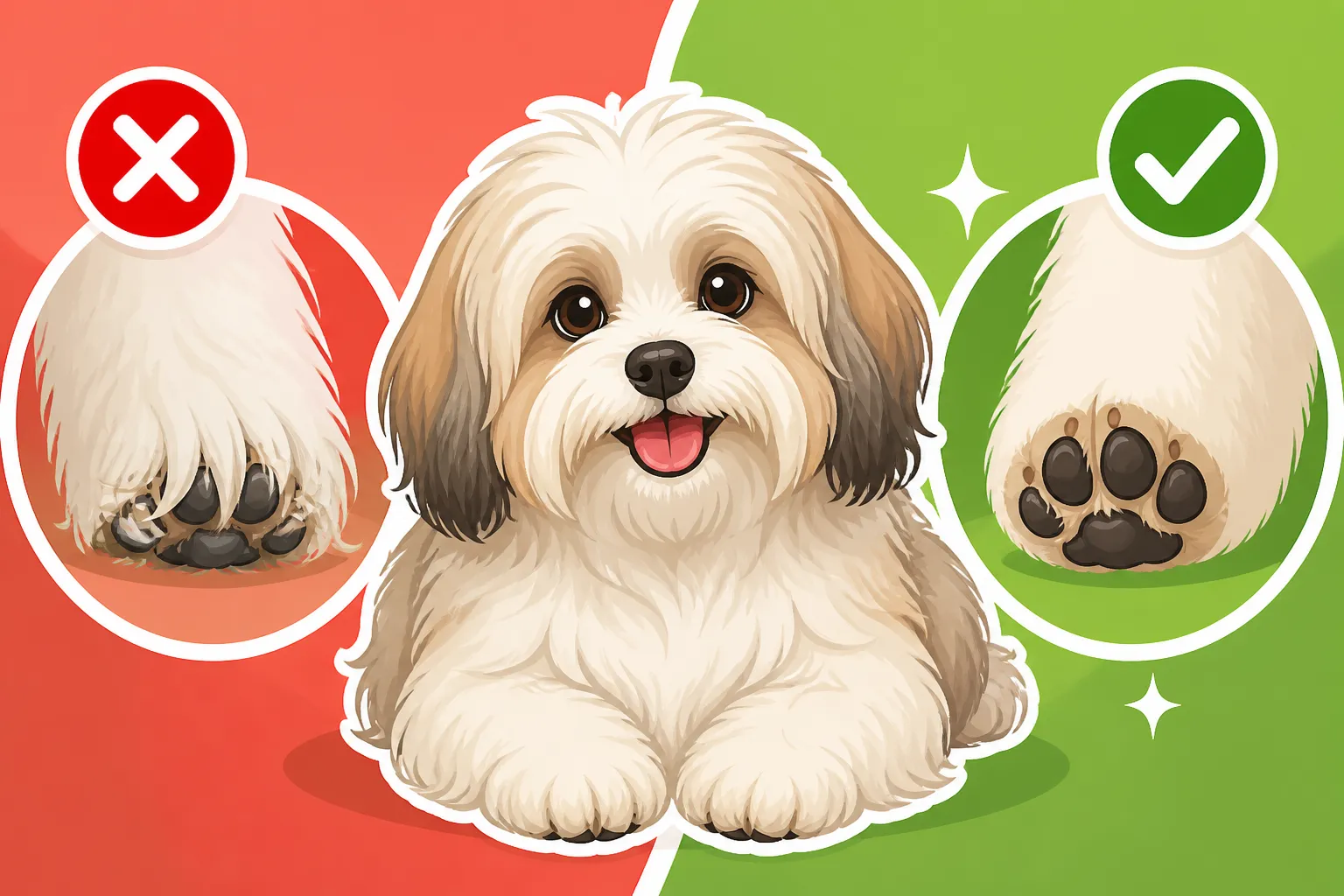
Your Havanese's paw pads are designed for traction and sensation, much like the soles of your own feet. They provide grip on various surfaces, help with balance, and even play a role in dissipating heat. When hair grows long and thick between these pads, it essentially creates a furry barrier. This barrier can significantly reduce traction, making it much easier for your Havanese to slip and slide on smooth surfaces like hardwood or tile floors. Imagine trying to walk across a polished floor with thick socks on – that's a bit like what your Havanese experiences.
Beyond traction, those paw pads need to breathe. Trapped hair can hold moisture, especially after walks in damp grass or even just from sweat. This creates a warm, humid environment that is a prime breeding ground for bacteria and yeast, leading to uncomfortable and sometimes painful infections. Keeping the hair trimmed ensures proper air circulation, helping to keep the pads dry and healthy. It's a small detail that makes a big difference in preventing common paw ailments.
The Unseen Dangers of Overgrown Foot Hair
The perils of untrimmed foot hair extend beyond just slipping. One of the most common issues Havanese owners face is matting. The fine, silky double coat that makes a Havanese so unique, as discussed in The Silky Double Coat a Havanese Grows to the Floor, is particularly prone to matting, and the hair on their feet is no exception. As this hair grows, it can tangle and knot, forming tight mats between the toes and around the pads. These mats can pull on the skin, causing considerable pain and discomfort with every step.
Furthermore, long foot hair acts like a magnet for debris. Tiny pebbles, burrs, grass seeds, sticky sap, and even small pieces of trash can easily get caught and embedded in the tangled fur. Not only is this uncomfortable, but it can also lead to cuts, sores, and infections if left unchecked. A Havanese that comes in from a walk with half the park stuck to their feet is not just a nuisance; it's a potential health hazard waiting to happen. Over time, chronic irritation from debris or mats can even lead to your Havanese licking or chewing their paws excessively, causing further skin issues and inflammation.
Balancing Aesthetics with Functionality
For many Havanese owners, the breed's signature long, flowing coat is part of their appeal. However, when it comes to the feet, functionality often trumps aesthetics, especially for pet Havanese who aren't being shown in conformation. While show Havanese might have a meticulously styled foot that still maintains some length, the average pet Havanese benefits greatly from a practical, shorter trim that prioritizes comfort and safety. Think of it as tailoring their "shoes" for their everyday life.
There's no single "right" way to trim a Havanese's feet; it's about finding what works best for your dog and your lifestyle. Some owners prefer a very neat, close trim that removes almost all visible hair from the pads and around the edges, creating a "clean foot" look. Others opt for a slightly longer trim that still clears the pads but maintains a softer, more natural outline. The key is to ensure the hair isn't interfering with their movement or becoming a magnet for trouble. Even those who love the long-haired look often choose a sensible The Puppy Cut Most Havanese Owners End Up Choosing for easier maintenance, and that often includes a tidy paw trim.
How to Safely Trim Your Havanese's Paws
Trimming your Havanese's paw hair at home might seem daunting at first, but with the right tools, a little patience, and a calm approach, it's a skill any owner can master. Regular at-home maintenance can save you trips to the groomer and keep your pup much more comfortable between professional appointments. The trick is to start slow and make it a positive experience for your furry friend.
Gathering Your Essential Tools
Before you begin, gather everything you'll need. Having your tools organized and within reach will make the process smoother and less stressful for both you and your Havanese. You'll want a sturdy, comfortable pair of blunt-nosed grooming scissors, specifically designed for safely trimming around delicate areas. Regular household scissors are often too sharp and pointed, increasing the risk of nicks. Alternatively, small, cordless clippers with a fine blade (like a #10 or #15) can be excellent, especially for getting a clean finish between the pads. Many owners find clippers less intimidating than scissors for this area. You can find excellent options on Chewy or Amazon by searching for "pet grooming scissors blunt nose" or "small dog paw clippers."
Don't forget a fine-toothed metal comb to brush out the hair before and during trimming, and, crucially, a product like styptic powder or cornstarch. Accidents can happen, and having a quick way to stop any minor bleeding is essential. Finally, a non-slip mat or towel for your workspace will help keep your Havanese steady, and plenty of high-value treats are a must for rewarding good behavior.
A Step-by-Step Guide to the Paw Trim
Once you have your tools, find a quiet time when your Havanese is relaxed. Many owners find success after a good walk, when their Havanese is a little tired.
- Preparation is Key: Start by gently cleaning your Havanese's paws. If they're muddy or dirty, a quick wipe down or even a shallow paw bath might be necessary. Make sure the paws are completely dry before you begin trimming, as wet hair can be harder to cut evenly and can snag.
- Comb and Spread: Using your metal comb, carefully comb out the hair on the top of the foot and between the toes. This helps you see what you're working with and removes any tangles. Gently spread the toes apart to expose the hair that grows between the paw pads.
- The Pad Trim (Clippers): If using clippers, switch them on (let your Havanese get used to the sound first) and gently glide the clippers flat against the paw pad. Trim the hair that grows flush with the pads. Always go with the natural direction of the paw pad, never pushing the clipper blade directly into the skin between the pads. Lift each toe individually if needed to get into the crevices.
- The Pad Trim (Scissors): If using scissors, hold the paw with your non-dominant hand, gently extending the toes. Carefully trim the hair that is protruding past the paw pads. Always keep the blades parallel to the pad, and point the tips away from the pads. Use small snips, never cutting a large section at once. It's often safer to use the blunt-nosed scissors and just trim the hair flush with the bottom of the pads.
- The "Slipper" Trim: Now, turn your attention to the hair growing around the outside edge of the paw, often creating a "slipper" effect. Comb this hair down so it lies naturally. Using your blunt-nosed scissors, trim the hair so it's even with the paw pad, creating a neat, round, or oval shape. Imagine tracing the outline of the paw pad itself. Be extremely careful around the nails, ensuring you don't accidentally cut the quick. This is also a good time to check if How Often a Havanese's Nails Need Cutting is being regularly addressed.
- Check Your Work: Once you've trimmed all four paws, place your Havanese on a hard surface and observe. Are they walking comfortably? Is there any hair still touching the floor that could cause slipping? Do the paws look neat and tidy? Make any minor adjustments as needed.
Remember, patience is key. If your Havanese gets stressed, take a break and come back to it later. A positive association is more important than a perfect trim on the first try. You might even find that How Long Home Grooming a Havanese Takes can be broken into smaller, manageable sessions over a couple of days.
Overcoming Resistance and Making it a Positive Experience
Many Havanese are naturally a bit sensitive about their feet. It’s a vulnerable area, and past negative experiences (like a painful nail trim or having mats pulled) can make them wary. To make paw trimming a positive experience, start young if possible, and integrate it into a larger grooming routine. Desensitization is your best friend here. Begin by simply handling their paws gently every day, praising and rewarding them. Touch their toes, spread their pads, and gradually introduce the sound and feel of the clippers (even if not actively trimming) or the sight of the scissors.
Associate paw handling and trimming with high-value treats. Offer a continuous stream of small, delicious treats while you’re working on their feet. Keep sessions short and end on a positive note, even if you only managed one paw. If your Havanese is particularly anxious, consider wrapping them in a towel or having a second person gently hold them and offer treats. Consistency is crucial; the more often they experience gentle paw handling and trimming with positive reinforcement, the more accepting they will become. This also ties into teaching them to be still for other grooming tasks, such as discussed in Teaching a Havanese to Lie Still for Grooming.
When to Seek Professional Help
While at-home foot trims are certainly achievable for many Havanese owners, there are times when professional help is not just recommended, but truly necessary. Recognizing these situations can prevent undue stress for your dog and ensure their paws receive the best possible care. A good groomer isn't just about making your Havanese look pretty; they're an invaluable partner in maintaining their health and comfort.
Recognizing When a Groomer is Best
There are several scenarios where a professional groomer's expertise becomes invaluable. If your Havanese has developed severe matting between their toes, especially if it's tight against the skin, trying to remove it yourself with scissors can be risky. It's incredibly easy to accidentally cut the delicate webbing between their pads, leading to pain and potential infection. A professional groomer has specialized tools and techniques to safely and humanely remove even the toughest mats.
Another reason to call in the pros is if your Havanese is extremely fearful or aggressive about paw handling. If every attempt at a trim turns into a wrestling match, it's not only stressful for both of you but also dangerous. A skilled groomer has experience with nervous dogs and can often work quickly and efficiently, using their calm demeanor and specialized setup to minimize stress. If you've tried all the positive reinforcement techniques and your Havanese is still resistant, it's time to let someone with more experience handle it. Additionally, if your Havanese has any pre-existing paw injuries, sensitive skin, or an unusual gait (perhaps indicating issues like those discussed in Whether a Havanese Gets Hip Dysplasia or The Kneecaps a Havanese Slips), a professional groomer can assess the situation and work carefully around any sensitivities.
The Benefits of Regular Professional Grooming
Beyond addressing specific problems, regular professional grooming offers numerous benefits for your Havanese's paw health. Groomers are trained to identify subtle issues that might go unnoticed by an untrained eye, such as early signs of skin irritation, nail problems, or even potential fungal infections between the pads. They have high-quality equipment, including powerful clippers and dryers, that make the process faster and more effective than many home setups. For example, a force dryer helps ensure the foot hair is completely dry, which is critical after a bath to prevent mats from forming, especially if you have a Havanese with a truly long coat, as mentioned in Whether a Havanese's Coat Gets Harder to Manage.
A professional groomer also offers a full-service experience. While you might only focus on the feet at home, they'll tackle nails, ear cleaning (relevant for Whether a Havanese Gets Ear Infections), sanitary trims, and an all-over coat tidy, ensuring your Havanese is comfortable from head to paw. This comprehensive approach means consistent care for all those hard-to-reach or tricky areas, contributing to your Havanese's overall comfort and hygiene.
Understanding Grooming Schedules and Costs
The frequency of professional grooming for your Havanese, including paw trims, will depend on several factors: your dog's coat type, how quickly their hair grows, their lifestyle (e.g., active outdoors vs. mostly indoors), and your ability to do maintenance at home. Generally, most Havanese benefit from a full professional groom every 4-8 weeks. During these appointments, the foot hair will be thoroughly addressed.
If you prefer to maintain a longer coat but still need consistent paw care, you might schedule shorter "tidy-up" appointments between full grooms, specifically for things like paw trims, face trims, and sanitary areas. It's always best to discuss your Havanese's specific needs with your chosen groomer. Regarding costs, these vary significantly based on your location, the groomer's experience, the services included, and your dog's temperament and coat condition. Severely matted dogs, for instance, often incur additional dematting fees because of the extra time and skill required. Always ask for a detailed price list and clarify what's included to avoid surprises.
Common Concerns and Troubleshooting
Even with the best intentions and techniques, you might run into a few challenges when it comes to keeping your Havanese's feet perfectly trimmed and healthy. Addressing these common concerns proactively can make a big difference in preventing discomfort and ensuring your dog remains happy and active. Remember, their paws are their primary mode of interaction with the world, so keeping them in top shape is paramount.
Dealing with Sensitive Paws or Injured Pads
Some Havanese simply have more sensitive paws than others, making the trimming process a bit trickier. If your dog flinches or seems particularly uncomfortable, it’s crucial to be extra gentle and patient. Ensure your tools are sharp – dull blades can pull hair, which is painful. Use clippers with minimal vibration if possible, as some dogs are sensitive to the buzzing. If your Havanese has any visible cuts, sores, or inflammation on their paw pads or between their toes, avoid trimming until the area has healed or consult your vet. Trimming over an open wound can cause further irritation or infection.
For dogs with chronic paw sensitivity, perhaps due to allergies or previous injuries, consider using paw balms or protective waxes on their pads. Products available on Chewy or Amazon, often containing natural ingredients like shea butter or beeswax, can help moisturize and protect the pads, making them less prone to cracking and discomfort. If you notice persistent redness, swelling, or lameness, these could be signs of a deeper issue, such as arthritis in an older Havanese, as discussed in Arthritis in a Havanese at Twelve, or an infection, and a vet visit would be prudent.
Preventing Future Matting and Slipping Issues
The best defense against matted foot hair and slipping is consistent preventative care. Regular brushing of the entire coat, including the feathering on the legs and feet, is crucial, as highlighted in How Long Brushing a Havanese Takes Daily. A good pin brush and metal comb can help catch tangles before they become full-blown mats. Pay special attention to the areas where hair tends to grow thicker, like between the toes and just above the pads.
To combat slipping, especially if you have hard floors, consider adding non-slip runners or rugs in high-traffic areas. This not only provides better traction but also protects their joints, a relevant concern if you are reading Whether a Havanese Should Use Steps to the Couch. Regularly trimmed paw hair is the first line of defense, but sometimes a little extra help is needed. There are also specialized paw grips or non-slip socks available for dogs, which can be useful for older Havanese or those recovering from injury. Always ensure any products you use are comfortable and don't restrict blood flow.
The Relationship Between Paw Health and Overall Well-being
It might seem like a small detail, but your Havanese's paw health is intimately connected to their overall well-being and mobility. When their paws are uncomfortable, whether from long hair, mats, injuries, or infections, it affects everything. They might be reluctant to walk, play, or even stand for long periods. This can lead to decreased exercise, weight gain (touching on Getting Weight Off a Havanese), and even behavioral changes due to chronic pain. A Havanese that is constantly licking or chewing at their paws is not a happy Havanese.
Ensuring their feet are well-maintained means they can enjoy their walks, explore their world, and interact with their family without discomfort. It's about preserving their zest for life and keeping them active for many years. From preventing painful mats that can develop into serious infections to ensuring they have proper traction on slippery surfaces, caring for your Havanese's feet is a fundamental part of responsible ownership. It’s one of those essential, ongoing tasks that contributes significantly to their happiness and longevity, right alongside ensuring they get quality nutrition from brands like Ollie that support their overall health from the inside out.
| Feature | DIY Paw Trimming (Home) | Professional Grooming (Salon) |
|---|---|---|
| Tools Needed | Blunt-nosed scissors, small clippers, comb, styptic powder | Professional clippers, various blade sizes, specialized shears, force dryers |
| Skill Level | Requires patience and practice, learning curve for owner | Expert knowledge and experience with various breeds and coat types |
| Cost | Low initial investment for tools, no recurring fee | Recurring service fee per visit (varies by location/service) |
| Convenience | Schedule at your own pace, no travel required | Requires appointment booking and travel to salon |
| Risk of Injury | Higher for inexperienced owners, especially with scissors | Lower due to professional training and specialized tools |
| Matting | Difficult to remove severe mats safely | Equipped to handle and safely remove severe matting |
| Detection | May miss subtle issues like skin irritation or lumps | Trained to identify and alert owners to potential health issues |
| Dog's Comfort | Can be done in familiar environment, owner's handling | Can be stressful for anxious dogs, but pros are skilled at handling |
Disclaimer
This article is for general informational purposes only and does not constitute professional advice. Laws, prices and regulations vary by location and change over time. Consult a qualified professional for guidance on your specific situation.