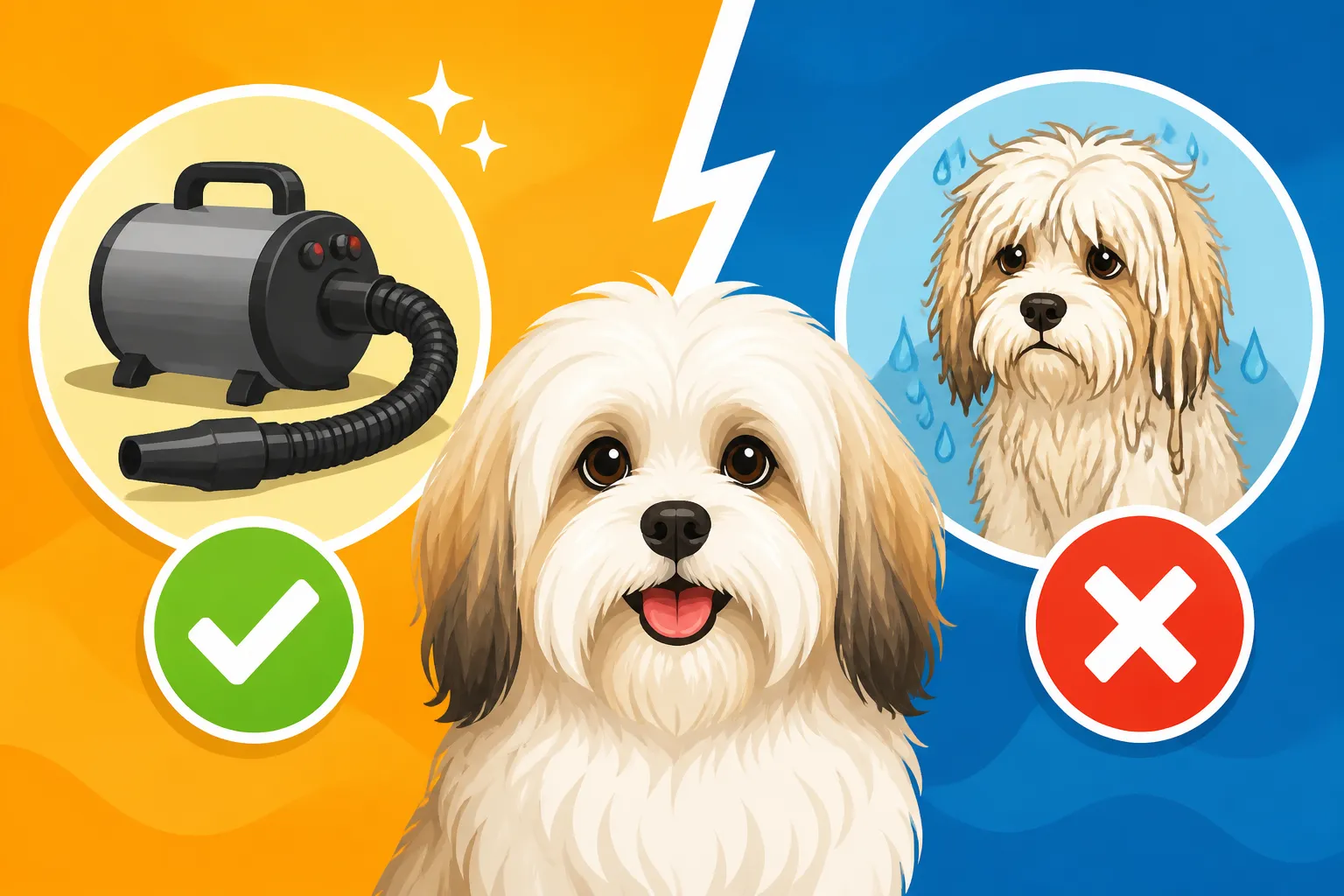
Whether a Force Dryer Is Worth It for a Havanese
If you've ever spent what feels like an eternity trying to dry your Havanese after a bath, only to find damp spots hours later or worse, discover a new mat forming, you know the struggle is real. Their glorious, silky double coats are beautiful but can be a nightmare to dry thoroughly. This guide will dive deep into whether a force dryer is a worthwhile investment for you and your beloved Havanese, covering everything from how they work to their benefits and potential drawbacks.
The Unique Havanese Coat: Why Drying Is Such a Big Deal
The Havanese coat is truly something special, a hallmark of the breed that brings so much joy and, let's be honest, a fair bit of grooming commitment. But beneath its luxurious appearance lies a structure that makes drying a particularly challenging task for owners.
Unpacking the Double Coat Dilemma
Unlike some single-coated breeds, your Havanese sports a beautiful double coat. This means they have a soft, lighter undercoat nestled beneath a longer, silkier outer coat. This combination is fantastic for keeping them insulated and looking adorable, but it's a sponge for water. When your Havanese gets wet – whether from a bath, a walk in the rain, or even just playing in damp grass – that dense undercoat traps moisture like nobody's business. It’s not just the top layer you need to worry about; it's getting air down to the skin.
Think about trying to dry a thick wool sweater by just patting the surface. It might feel dry on the outside, but underneath, it's still holding onto moisture. The same principle applies to your Havanese. The outer coat can dry relatively quickly, but the undercoat can remain damp for a surprising amount of time. This isn't just an inconvenience; it can lead to bigger problems down the line, which we'll explore next.
The Silent Threats of a Damp Havanese
Leaving a Havanese coat damp, even for what seems like a short period, can set the stage for a host of issues that no owner wants to face. The most immediate concern is matting. Damp hair, especially a double coat like the Havanese has, clings together and quickly forms tangles that can escalate into painful mats. These aren't just cosmetic; they pull at the skin, restrict movement, and can be incredibly uncomfortable for your dog. A minor damp spot can become a solid pelt if not properly dried and brushed out, sometimes requiring a professional groomer to shave it off, which nobody wants for their beautiful Havanese. You might find yourself asking Whether a Matted Havanese Must Be Shaved.
Beyond matting, that persistent dampness creates a perfect breeding ground for bacteria and fungi. This can lead to skin irritations, rashes, and the dreaded "hot spots." Hot spots are inflamed, infected patches of skin that can appear seemingly overnight and spread rapidly. They're painful, itchy, and require veterinary attention. You definitely want to avoid anything that could lead to Whether a Havanese Gets Hot Spots Under Its Coat. An improperly dried coat also contributes to that unmistakable "wet dog smell" that seems to linger long after the bath, indicating that moisture is still trapped deep within their fur.
Demystifying the Force Dryer: What It Is and How It Works
So, if traditional towel drying and even regular human hair dryers aren't quite cutting it, what's the alternative? Enter the force dryer, a tool that might look intimidating but is actually a grooming game-changer for Havanese owners.
Beyond the Basic Hair Dryer: Power vs. Heat
A force dryer, often called a high-velocity dryer, is fundamentally different from the hair dryer you use on your own hair. The key distinction lies in its primary mechanism: air volume and velocity, not heat. While some force dryers have a mild heating element, their main job is to blast a powerful stream of unheated or minimally heated air deep into the coat. This high-velocity air physically pushes and separates the water molecules from the fur, effectively "blasting" the water right off your dog's coat.
Think of it less like an oven baking away moisture and more like a powerful leaf blower clearing leaves off a driveway. This method is not only incredibly efficient but also much safer for your Havanese's delicate skin. Human hair dryers operate at much higher temperatures, which can easily burn a dog's skin, especially one with a dense coat that traps heat, leading to discomfort or even serious burns. A force dryer eliminates this risk, making it a much healthier choice for a quick and thorough dry.
Features to Look for in a Havanese-Friendly Force Dryer
When you start looking at force dryers, you'll notice there's a range of options out there, from compact models perfect for home use to heavy-duty professional machines. For a Havanese, you'll want something that balances power with manageability. Look for models with variable speed settings. This is crucial because a full-blast setting might be too intense for a nervous Havanese or for sensitive areas like their face and ears. Being able to dial down the air flow allows for a gentler introduction and targeted drying.
Consider the noise level; while all force dryers are louder than human hair dryers, some are designed with noise reduction features, which can make a big difference for sensitive pups. Different nozzles are also important – a flat, wide nozzle is great for the body, while a narrower one can help target dense areas. You can find a good selection of these on reputable pet supply sites like Chewy or even general online retailers like Amazon, often with reviews from other small-breed dog owners. Don't forget to check the hose length and flexibility; a longer, flexible hose gives you more maneuverability around your dog, especially when they're on a grooming table. Getting a good quality dryer is part of setting up a complete home grooming kit. You might want to consider What a Home Grooming Kit Costs a Havanese Owner if you plan to invest in DIY grooming.
The Transformative Benefits of Force Drying Your Havanese
Once you overcome any initial apprehension, introducing a force dryer into your Havanese grooming routine can genuinely transform the experience for both of you. It's not just about getting them dry; it's about better coat health, less stress, and more time for cuddles.
A Lifesaver for Time and Temperament
Let's be honest, bathing a Havanese can feel like an Olympic event, especially when you factor in the drying time. With just towels and a regular dryer, you could be looking at an hour or more of diligent work, trying to get all those layers completely dry. A force dryer drastically cuts this time down. What used to take 60 minutes might now take 15-30 minutes, depending on your dog's coat density and cooperation. This reduction in time is a huge benefit for busy owners.
But it's not just about your schedule. A shorter drying time often means less stress for your Havanese. Standing or sitting for extended periods, even with breaks, can be tiring and annoying for a dog. A quick, efficient drying session means they're back to their normal, happy selves sooner, which fosters a more positive association with bath time. This makes the whole grooming process less of a chore and more of a routine part of their happy life.
The Ultimate Matting and Skin Health Defender
One of the most significant advantages of using a force dryer is its unparalleled ability to prevent matting. As mentioned earlier, dampness is a mat's best friend. The powerful stream of air from a force dryer literally blows apart the individual strands of hair, preventing them from clumping together and forming those dreaded knots. It’s like magic, watching the water and loose hair just fly off their coat. This deep drying action ensures that even the dense undercoat is thoroughly dry, eliminating the primary cause of many mats.
Furthermore, by keeping the skin dry and aerated, a force dryer drastically reduces the risk of skin infections, hot spots, and fungal issues that thrive in moist environments. It helps maintain a healthy skin barrier, preventing irritation and allowing your Havanese to remain comfortable in their own skin. Many experienced Havanese owners will tell you it's the single best tool for keeping their dogs' coats mat-free and healthy between professional grooms.
Say Goodbye to Shedding and Hello to a Healthier Coat
Here's a secret: while Havanese are often touted as low-shedding (and they are, compared to many breeds!), they do shed. Their loose hair tends to get caught within their long coats rather than falling out onto your furniture. A force dryer is an incredible tool for "deshedding" your Havanese. The powerful air stream blasts out all that trapped, dead undercoat and loose hair, preventing it from forming mats and keeping it off your floors. You'll be amazed at how much loose hair comes out during a force drying session – far more than you'd ever get with just a brush.
This process isn't just about reducing shedding; it also promotes overall coat health. By removing dead hair and dander, you allow new, healthy hair to grow. The stimulation from the air can also improve circulation to the skin, contributing to a shinier, healthier-looking coat. It truly complements a regular brushing routine, making your Havanese's coat easier to manage and more vibrant. Understanding How Often a Havanese Must Be Brushed becomes even more important when you factor in the benefits of a force dryer.
Navigating the Challenges: What to Consider Before You Buy
While the benefits are clear, it's also important to have realistic expectations and be prepared for a few potential challenges when introducing a force dryer into your Havanese's life. Like any new grooming tool, there's a learning curve for both you and your furry friend.
Weighing the Investment Against the Noise
Let's address the elephant in the room: cost. Force dryers are an investment. They are significantly more expensive than a typical human hair dryer, and prices can vary widely depending on power, features, and brand reputation. However, when you weigh this against the potential vet bills from untreated hot spots or the cost of frequent professional grooming sessions solely for drying or dematting, it often evens out in the long run. Consider it an investment in your Havanese's health and your own peace of mind.
Then there's the noise. Force dryers are powerful machines, and that power comes with a certain decibel level. They can be quite loud, which can be startling, especially for a small, sensitive breed like the Havanese. This is probably the biggest hurdle for most dogs. It's crucial to introduce the dryer slowly and positively to avoid creating a negative association. You might even wonder Whether a Havanese Tolerates a Dryer at all, and it really comes down to patience and positive reinforcement.
Teaching Your Havanese to Love the Dryer
Acclimating your Havanese to a force dryer requires patience, treats, and a gentle approach. Don't just turn it on full blast and point it at them. Start by simply letting them see and sniff the dryer while it's off. Reward them for calm curiosity. Next, turn it on in a different room or at the lowest setting, so they can get used to the sound from a distance. Gradually bring it closer over several sessions, always offering praise and high-value treats.
When you start using it on their coat, begin with the lowest setting and target less sensitive areas first, like their hindquarters, avoiding the face and ears initially. Use a soft, reassuring voice. The goal is to make it a positive, rewarding experience. If your Havanese shows signs of extreme fear or stress, take a break and try again later. Consistency is key, and with time, most Havanese learn to tolerate, and some even enjoy, the sensation of the warm, powerful air. You can apply similar principles to Teaching a Havanese to Lie Still for Grooming.
Making Room for Your New Grooming Assistant
Force dryers are generally bulkier than regular hair dryers. They require a dedicated space for storage and, ideally, a specific area where you can comfortably groom your Havanese. A sturdy grooming table is highly recommended, as it elevates your dog to a comfortable working height and can make the process much easier on your back. You'll also want an area that can handle some flying hair and water droplets.
Good ventilation is a plus, especially if you're sensitive to the loosened dander and hair that will inevitably be released during a drying session. Consider where you'll plug it in, ensuring you have a safe, easily accessible outlet. While it might take up a bit more space than you're used to, the benefits for your Havanese's coat and health often outweigh these logistical considerations.
Is a Force Dryer Truly Worth It for Your Havanese?
So, after considering all the ins and outs, the big question remains: should you get a force dryer for your Havanese? The answer, like with many things in pet care, isn't a simple yes or no, but rather depends on your specific situation, your Havanese's coat, and your grooming routine.
Scenarios Where a Force Dryer Shines
For many Havanese owners, a force dryer becomes an indispensable tool. If your Havanese has a particularly dense or long coat that takes forever to dry, a force dryer will be a game-changer. It's also incredibly beneficial if you bathe your Havanese frequently, whether due to their playful nature, participation in dog sports, or simply personal preference. The time saved and the effectiveness of the drying process will make those baths much less daunting.
If you're committed to doing most of your Havanese's grooming at home, especially if you want to keep their coat long, a force dryer is almost essential for preventing mats and maintaining coat health. It empowers you to give them a truly professional-level dry right in your own home. Even for senior Havanese who might struggle to stand for long periods, the reduced drying time can make grooming much more comfortable for them. Thinking about Grooming an Old Havanese That Cannot Stand Long? A force dryer can significantly ease the process.
When Other Methods Might Be Enough
However, a force dryer might not be an absolute necessity for everyone. If your Havanese has a shorter "puppy cut" style, a good quality towel, perhaps combined with a cool-setting human hair dryer and diligent brushing, might be sufficient. These shorter clips mean less hair to dry and less surface area for mats to form. If you only bathe your Havanese infrequently and rely heavily on a professional groomer for most of their coat maintenance, then the investment in a force dryer might not make as much sense for your household.
Ultimately, if you're happy with your current drying method and your Havanese consistently dries quickly and completely without matting or skin issues, then there's no urgent need to change. But if you're constantly battling damp patches, mats, or long drying times, it's definitely time to consider an upgrade.
The Long-Term Impact on Your Grooming Routine
The decision to invest in a force dryer isn't just about one bath; it's about the long-term impact on your Havanese's health, comfort, and your overall grooming routine. A properly dried Havanese is a happier, healthier Havanese, less prone to skin issues and painful matting. By making bath time more efficient and less stressful, you're not just saving time; you're strengthening the bond you share with your dog.
Think of it as a tool that supports both aesthetics and well-being. A beautifully maintained coat isn't just for show; it's a sign of a well-cared-for dog. While it requires an initial investment and a bit of training, the long-term benefits in terms of time saved, mat prevention, and overall coat health often make a force dryer an incredibly worthwhile addition to any Havanese owner's grooming arsenal. After all, if you're trying to replicate even a fraction of What a Full Havanese Groom Costs at home, a force dryer is a key piece of equipment.
| Feature | Force Dryer | Human Hair Dryer (Cool/Low Heat) | Towel Drying / Air Drying |
|---|---|---|---|
| Drying Time | Fastest (15-30 mins) | Moderate (45-90 mins) | Slowest (Hours, often incomplete) |
| Mat Prevention | Excellent (blasts out loose hair, separates) | Fair (can cause tangles if not brushed thoroughly) | Poor (traps moisture, highly prone to matting) |
| Skin Health | Excellent (dries to skin, prevents moisture) | Moderate (risk of overheating, some dampness) | Poor (prolonged dampness, risk of hot spots/fungi) |
| Deshedding | Excellent (blasts out dead undercoat) | Poor (only dries surface, no deep deshedding) | Poor (no deshedding action) |
| Noise Level | High (can be startling, requires acclimation) | Moderate (less powerful, less startling) | Silent |
| Investment | Significant (initial cost) | Low (often already owned) | None (often already owned) |
| Safety for Dog | High (no direct heat, gentle air) | Moderate (risk of burns if not careful) | High (no equipment risk, but health risks of dampness) |
Disclaimer
This article is for general informational purposes only and does not constitute professional advice. Laws, prices and regulations vary by location and change over time. Consult a qualified professional for guidance on your specific situation.