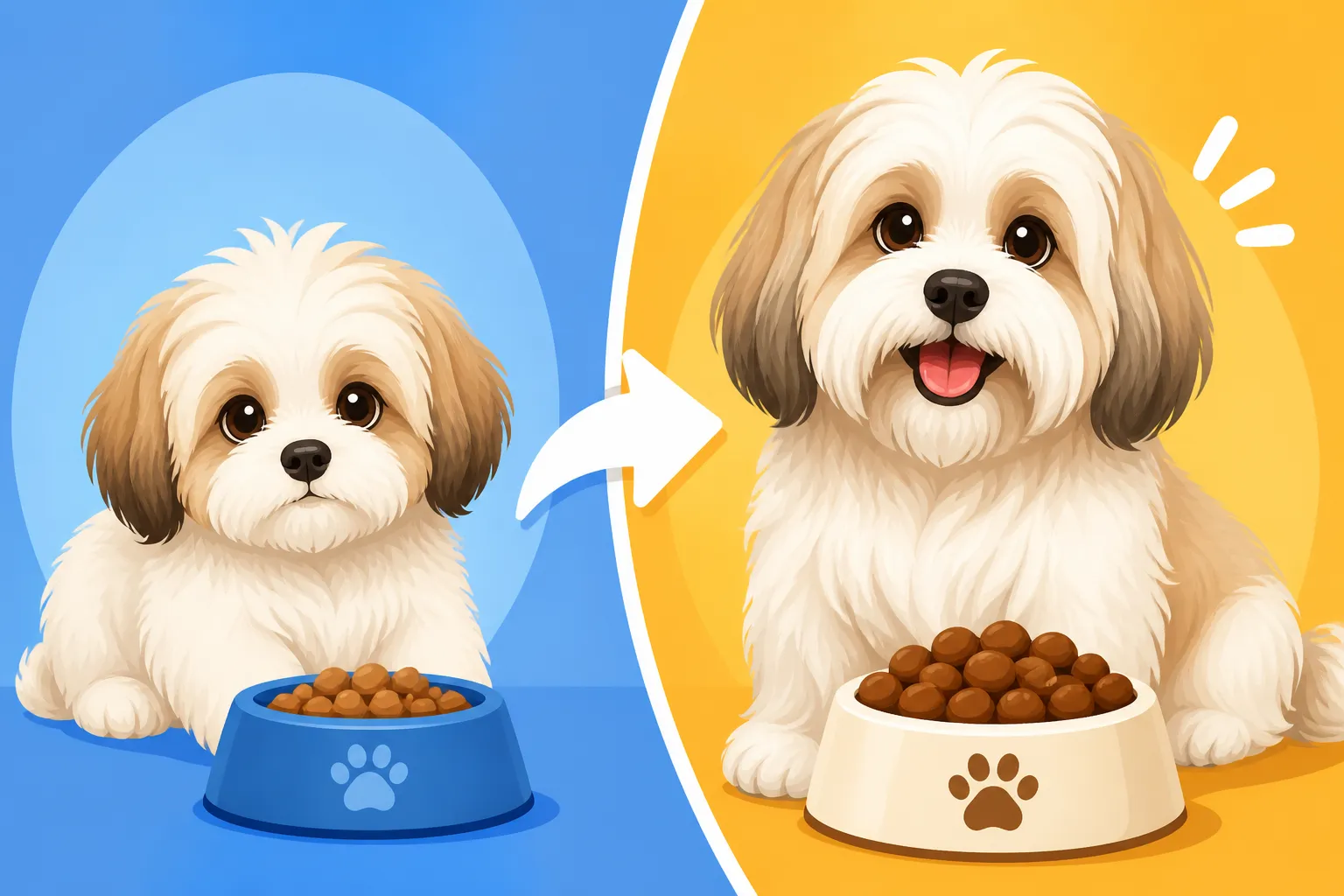
When a Havanese Moves to Adult Food
It can be surprisingly tricky to figure out the exact right time to switch your adorable Havanese puppy from its specialized puppy food to an adult formula. Many of us find ourselves staring at bags of kibble, wondering if our little fluffball is really ready for the grown-up stuff, especially when they still seem so small and full of puppy antics. This guide will walk you through the subtle signs and practical steps to ensure a smooth, healthy dietary transition for your beloved Havanese.
Understanding Why Puppy Food Is Different
Before we dive into when to switch, it's really important to understand why puppy food exists in the first place and why it's so critical for those formative months. Puppy food isn't just smaller kibble; it's a carefully crafted nutritional powerhouse designed to fuel rapid growth and development. Your Havanese puppy, despite its small size, is a tiny dynamo, building bones, muscles, and organs at an incredible rate.
The Unique Nutritional Needs of a Growing Havanese
Think about a human baby versus an adult. Their dietary needs are vastly different, right? The same goes for your Havanese. Puppy formulas are packed with more calories per serving to support their high energy levels and rapid metabolism. They also contain higher levels of protein to build strong muscles and tissues, and often a more carefully balanced ratio of calcium and phosphorus for healthy bone development. Too much or too little of these minerals during growth can actually lead to skeletal problems down the line, which is something no Havanese parent wants to face.
Beyond the macronutrients, puppy foods often include higher amounts of specific vitamins and minerals, as well as crucial ingredients like DHA, an omega-3 fatty acid vital for brain and vision development. Imagine all that tiny brain power going into learning new tricks or just exploring the world—it needs proper nutrition! This specialized blend ensures your Havanese gets everything it needs during its most critical developmental period. Cutting this short or making a sudden change can disrupt that delicate balance, potentially impacting their long-term health and growth.
The Risks of Staying on Puppy Food for Too Long
While puppy food is essential for growth, it's equally important not to keep your Havanese on it indefinitely. Once their rapid growth phase begins to slow down, typically around 8-12 months, the higher calorie and nutrient density of puppy food can become a problem. It's like a teenager continuing to eat a baby's diet – it just doesn't quite fit their needs anymore.
One of the biggest concerns with overfeeding puppy food to an adult Havanese is obesity. Those extra calories, when not being burned off by intense growth, will quickly turn into excess weight. Obesity in Havanese, as with any breed, can lead to a host of health issues, including joint problems like luxating patellas, which Havanese are already prone to, and can exacerbate conditions like arthritis later in life. It also puts undue stress on their little hearts and can lead to diabetes. Furthermore, the imbalanced calcium and phosphorus levels, while beneficial for growing bones, can actually become detrimental to adult bones if continued for too long, potentially leading to orthopedic issues. It's about finding that sweet spot where their diet matches their life stage.
Pinpointing the Right Age for Transitioning
Deciding when your Havanese is ready to move to adult food isn't always a strict calendar date. While there are general guidelines, it truly depends on your individual dog's growth and development. Most small breeds, like our beloved Havanese, mature faster than larger breeds, but there's still a range.
General Guidelines for Small Breeds
For most small breed dogs, the transition from puppy to adult food typically occurs between 9 and 12 months of age. This timeframe is when their growth plates are generally closing, and they are nearing their adult size and bone density. At this point, their bodies no longer require the intense caloric and nutrient input that puppyhood demanded. They're settling into a maintenance phase, where their diet needs to support their current size and activity level without promoting excessive growth or weight gain.
It's a really good idea to consult with your veterinarian during your Havanese's regular check-ups around this age. They can assess your dog's individual growth curve, weight, and overall health to give you the most accurate recommendation for your specific Havanese. They'll also be able to tell if your Havanese is reaching The Age a Havanese Reaches Full Size. Remember, every Havanese is an individual, and while guidelines are helpful, a professional's eye is invaluable.
Recognizing Signs Your Havanese Is Ready
Beyond the calendar age, there are physical and behavioral cues that can indicate your Havanese is ready for adult food. Observing these signs can help you make an informed decision alongside your vet.
Firstly, a significant slowdown in growth is a primary indicator. You might notice that your Havanese isn't getting taller or longer as rapidly as it used to. While they may still fill out a little, the explosive growth spurts are usually over. Secondly, their energy levels might start to stabilize. While still playful and energetic, they might not have the frantic, non-stop puppy energy that necessitated such high-calorie food. They may be more content with a couple of good walks and some indoor playtime, rather than needing to bounce off the walls constantly.
Lastly, pay attention to their body condition. Is your Havanese looking a little rounder than before, even on the recommended puppy food portions? This can be a sign that the caloric density is now too high for their needs. A healthy Havanese should have a discernible waist when viewed from above, and you should be able to feel their ribs easily under a thin layer of fat, but not see them protruding. If they're starting to look a bit portly, it's definitely time to discuss an adult food transition with your vet. You want to focus on Keeping a Havanese From Getting Heavy.
How to Transition Your Havanese to Adult Food
Making the switch from puppy food to adult food isn't something you should do overnight. A sudden change can easily upset your Havanese's delicate digestive system, leading to tummy troubles like diarrhea or vomiting. The key is a slow, gradual introduction that allows their body time to adjust to the new formula.
A Gradual, Seven-Day Transition Plan
A gradual transition typically takes about seven days, though some sensitive Havanese might benefit from a slightly longer, 10-day period. This method involves slowly increasing the proportion of the new adult food while decreasing the amount of their current puppy food.
Here’s a general schedule you can follow:
| Day | Puppy Food Portion | Adult Food Portion | Notes |
|---|---|---|---|
| 1-2 | 75% | 25% | Introduce a small amount of new food. Watch for any changes in stool or appetite. |
| 3-4 | 50% | 50% | Equal parts. Your Havanese should be tolerating the new food well by now. |
| 5-6 | 25% | 75% | Mostly adult food. Continue monitoring for digestive upset. |
| 7 | 0% | 100% | Full transition to adult food. Continue to observe your dog closely. |
Mix the old and new food thoroughly in their bowl. This ensures they don't just pick out the food they prefer. During this period, keep a close eye on your Havanese for any signs of digestive upset, such as loose stools, diarrhea, vomiting, or a decreased appetite. If you notice any of these, slow down the transition. You might need to stay at a particular ratio for an extra day or two until their system settles before moving to the next step. Patience is truly a virtue here; it's much better to take an extra few days than to deal with a sick pup!
Choosing the Right Adult Food
When it comes to selecting an adult food for your Havanese, the options can feel overwhelming, with so many brands and types available. The goal is to find a high-quality, nutritionally complete and balanced formula that suits your dog's specific needs.
First, look for foods specifically formulated for "small breeds" or "all life stages." Small breed formulas often have smaller kibble sizes, which are easier for tiny Havanese mouths to chew and digest. Check the ingredient list: a good quality food will have a named meat source (like chicken, lamb, or salmon) as the first ingredient, not a generic "meat meal" or corn. Avoid foods with excessive fillers, artificial colors, or preservatives, as these can sometimes cause sensitivities. You might find a great selection of these on sites like Chewy, which often provides detailed ingredient lists and customer reviews to help you compare.
Consider your Havanese's preferences and any sensitivities. Some dogs thrive on kibble, while others might do better on a fresh food diet. Brands like Ollie, for example, offer fresh, human-grade food options that can be great for picky eaters or those with sensitive stomachs. If you're going the kibble route, many reputable brands offer excellent small breed formulas. You can often find a wide range of options, from budget-friendly to premium, on platforms like Amazon, but always read reviews and check the ingredient list carefully. Remember, "premium" doesn't always mean "best fit" for your dog. Sometimes, a well-regarded mid-range food is perfect. Don't forget to check if your Havanese needs Whether a Havanese Needs Small Breed Food specifically.
Life After the Transition: Ongoing Nutritional Care
Congratulations, your Havanese has successfully transitioned to adult food! But the journey of providing optimal nutrition doesn't end there. As they settle into adulthood, their dietary needs will continue to evolve, albeit more slowly. Ongoing attention to their diet and health is paramount for a long, vibrant life.
Adjusting Portions and Monitoring Weight
Once your Havanese is on adult food, paying close attention to portion control and weight management becomes even more critical. Adult foods are designed for maintenance, not growth, so overfeeding can quickly lead to weight gain. Start with the feeding guidelines provided on the food packaging, but treat them as a starting point. These are general recommendations, and your Havanese’s individual metabolism and activity level may require adjustments. An active Havanese who loves to play and go on long walks might need slightly more than a couch potato Havanese.
Regularly weigh your Havanese and perform body condition checks. You should be able to easily feel their ribs without seeing them, and they should have a visible waist. If you notice your Havanese is gaining weight, gradually reduce their portion size. If they seem too thin, you might need to slightly increase it. Remember that treats also contribute to their daily calorie intake, so factor those in! For more detailed guidance on how much to feed, you can refer to resources like How Much an Adult Havanese Eats Daily. If you notice that your Havanese continues to be Whether a Havanese Is a Picky Eater, you may need to try different brands or food types.
Maintaining Hydration and Dental Health
Beyond the food bowl, ensuring your Havanese stays well-hydrated is crucial. Always provide fresh, clean water in a bowl that is easily accessible. Dehydration can lead to numerous health issues, and adequate water intake supports digestion, kidney function, and overall well-being. Keeping water fresh can also encourage them to drink more.
Dental health is another significant aspect of care that ties into nutrition. Small breeds like Havanese are notoriously prone to dental issues, including plaque buildup, tartar, and early tooth loss. While adult kibble can offer some abrasive action, it's generally not enough. Incorporate regular tooth brushing into your routine. Daily brushing is ideal, but even a few times a week can make a huge difference. Dental chews and water additives can be supplementary tools, but they don't replace brushing or professional dental cleanings. Good dental hygiene will help prevent painful infections and maintain their ability to comfortably eat their adult food for years to come. For more information about their overall care, you might find What a Havanese Needs Every Day helpful.
When to Consider Senior Food
As your Havanese approaches its golden years, typically around 7-10 years of age, you'll start thinking about another dietary transition: to senior food. This is an important step, as the nutritional needs of an aging dog change once again. Senior formulas are generally lower in calories to account for a slower metabolism and decreased activity levels, helping to prevent weight gain. They often contain added joint support ingredients like glucosamine and chondroitin, which can be immensely beneficial for aging joints, especially if your Havanese has Arthritis in a Havanese at Twelve or other mobility issues.
Senior diets may also have different protein and fiber levels to support muscle mass and digestive health, as well as antioxidants to boost the immune system. Your veterinarian can advise you on the best time to make this switch, based on your Havanese's activity level, any developing health conditions, and overall physical condition. Much like the puppy-to-adult transition, this move should also be done gradually over several days to avoid digestive upset. Caring for an older Havanese has its own unique considerations, and you can learn more by looking into Feeding an Old Havanese.
Disclaimer
This article is for general informational purposes only and does not constitute professional advice. Laws, prices and regulations vary by location and change over time. Consult a qualified professional for guidance on your specific situation.