Whether a Havanese Should Be Clipped for Summer
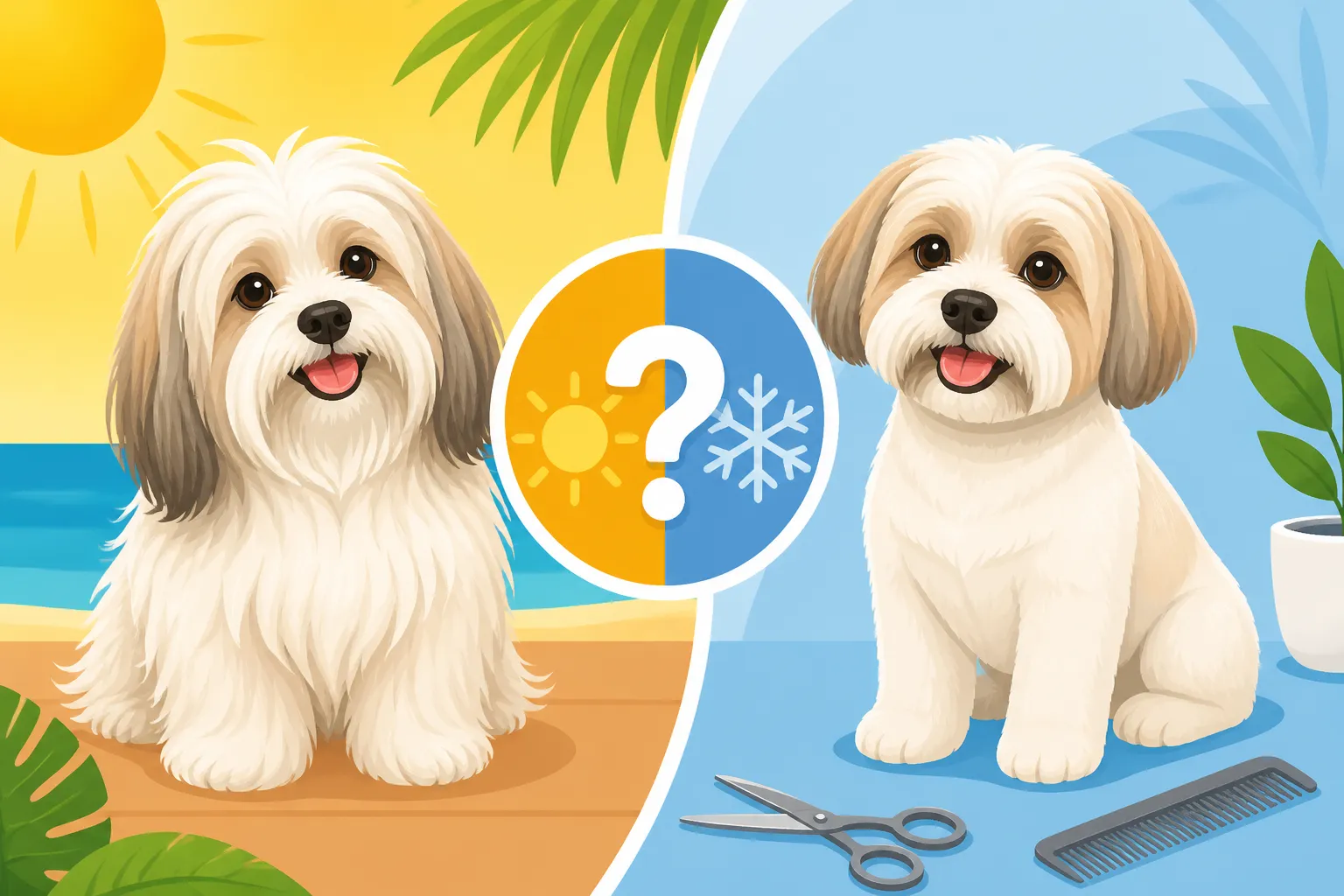
As the summer months approach, many Havanese owners find themselves wrestling with a common dilemma: to clip or not to clip their beloved furry companion. It's a natural concern, especially when the temperatures soar and you see your little Havanese panting, but the decision isn't as simple as just grabbing the clippers. This guide will help you understand the nuances of a Havanese's coat and how best to keep them comfortable and healthy through the warmer seasons.
The Havanese Coat: A Natural Insulator and Protector
It’s easy to look at a Havanese with their long, flowing coat in the heat and think, "Oh, they must be sweltering! I need to shave it all off." But the truth about their glorious hair is far more complex than just its visual warmth. Their coat is actually designed by nature to protect them, not just from the cold, but from the sun and heat too.
Understanding the Double Coat
Unlike some breeds, a Havanese typically boasts a double coat, although it's not the dense, heavy undercoat you might find on a Malamute or a Bernese Mountain Dog. Their coat is renowned for being silky, soft, and flowing, often reaching the floor if left untrimmed. This isn't just for beauty; it's functional. The outer guard hairs and the softer, lighter undercoat work together to create a natural buffer. This layering traps air, which then acts as an insulator against both cold and heat. It's a bit like how a thermos works, keeping things warm in winter and cool in summer. Think of it as their built-in air conditioning system, regulated by their own body heat. This is why you'll often read about The Silky Double Coat a Havanese Grows to the Floor.
The Havanese coat is often described as non-shedding, or at least very low-shedding, which is why they are often considered suitable for allergy sufferers. However, this also means that the hair grows continuously, requiring regular grooming to prevent matting. It's crucial to understand that even with this continuous growth, the double-layered structure is key to their temperature regulation. Removing it entirely can disrupt this natural system, leading to unintended consequences for your pup's comfort and health. It's a delicate balance between keeping them neat and preserving their natural defenses.
Protection from Sun and Heat
Imagine stepping outside on a sunny day without any clothing. Your skin would be exposed to direct sunlight, potentially leading to sunburn and overheating very quickly. A Havanese’s coat acts much like that clothing, providing a physical barrier against harmful UV rays. When you shave a Havanese down to the skin, you remove this vital protection, leaving their delicate skin vulnerable to sunburn, just like ours. Sunburn on a dog isn't just uncomfortable; it can be painful and, over time, can increase the risk of skin cancers, especially in areas with lighter pigmentation.
Beyond sunburn, their coat also helps to prevent direct heat absorption. While it might seem counterintuitive, a longer coat can actually keep the sun's intense heat from directly hitting their skin, helping to maintain a more stable body temperature. Removing this barrier means their skin directly absorbs the sun's radiation, potentially causing them to get hotter faster. This is why many experienced breeders and veterinarians will caution against shaving certain double-coated breeds completely in hot climates, emphasizing that Whether a Havanese Coat Protects It From Sun is a common misconception. Their coat, when properly maintained, allows for air circulation close to the skin, which assists in cooling through evaporation, while still shielding them.
The Myth of Shaving to Cool Down
The idea that shaving a double-coated dog like a Havanese will make them cooler is a widespread and understandable misconception. It makes logical sense to us as humans – we shed layers when it's hot. However, our skin is different, and our hair doesn't function in the same way. For a Havanese, their coat doesn't just warm them; it actively helps regulate their temperature by creating that insulating layer. When you shave it off, you strip away this protective barrier.
Without their natural insulation, their body has to work harder to regulate its temperature. Their skin is exposed to the elements, making them more susceptible to both the heat of the sun and environmental temperature fluctuations. Furthermore, a shaved coat can grow back differently. Sometimes, the undercoat can grow faster than the guard hairs, leading to a woolly, uneven texture that can be more prone to matting and even less efficient at temperature regulation than the original coat. This can create a cycle of needing to shave them shorter and shorter, potentially damaging the coat permanently.
To Clip or Not to Clip? Weighing the Options
Given the complexities of the Havanese coat, the decision to clip for summer isn't a simple yes or no. It really depends on your dog's individual needs, your lifestyle, and how you plan to manage their grooming and activity during the hottest months. There are definitely pros to a shorter clip, but there are also significant risks to consider.
Benefits of a Shorter Summer Clip
For many Havanese owners, especially those dealing with active dogs, a shorter summer clip can be incredibly appealing. The most obvious benefit is the reduced maintenance. A full Havanese coat requires daily brushing to prevent mats, which can become an even bigger chore when the dog is spending more time outdoors, getting into burrs, or rolling in damp grass. A shorter clip means less brushing, fewer tangles, and often, quicker baths and drying times. This can save you a lot of time and effort, and for some, the reduced stress of daily grooming makes summer more enjoyable for both human and canine.
Another practical benefit is cleanliness. Havanese love to explore, and a long coat can quickly pick up dirt, debris, and even allergens. A shorter cut around the legs, belly, and face can significantly reduce the amount of grime they bring into the house. It can also make it easier to spot ticks or other parasites after outdoor adventures, as they won't be hidden deep within layers of hair. For dogs prone to "hot spots" or skin irritations in humid weather, keeping the coat shorter can improve air circulation and help prevent these issues from flaring up. Some owners also find that a shorter coat makes it easier for their Havanese to navigate stairs or jump on and off furniture without getting tangled.
Risks and Downsides of Clipping Too Short
While a shorter clip has its advantages, going too short, especially shaving down to the skin, carries several risks. As we discussed, removing the insulating layer exposes their delicate skin to sunburn. This isn't just theoretical; many Havanese, particularly those with lighter pigmentation or sparse coats, can suffer painful sunburns, leading to discomfort and increased risk of skin cancer. Their coat also provides a barrier against insect bites and scratches from brush or other environmental hazards. A naked dog is more vulnerable to all of these.
Beyond the immediate physical risks, there's the long-term impact on the coat itself. Shaving a Havanese down can, in some cases, permanently alter the texture of their coat. The softer undercoat can grow back thicker and faster than the coarser guard hairs, resulting in a cottony, unruly texture that mats even more easily than the original coat. This is often referred to as "clipper alopecia" or "post-clipping alopecia" and can be very frustrating for owners. The coat might never fully regain its original silky texture, leaving you in a continuous battle against matting, even with a short cut. Whether a Clipped Havanese Coat Grows Back the Same is a common concern among owners for this very reason.
What a "Summer Clip" Actually Means
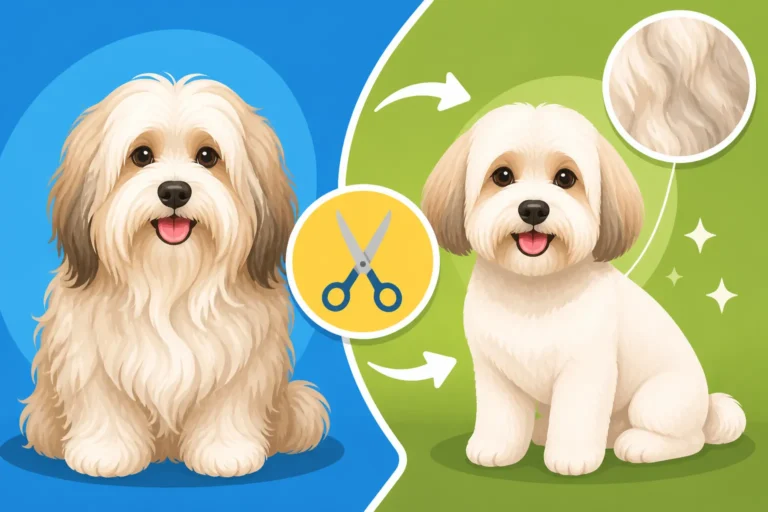
When we talk about a "summer clip" for a Havanese, it's really important to distinguish between a simple trim and a complete shave-down. A responsible groomer will usually recommend leaving at least an inch or two of hair length to protect the dog's skin and preserve the coat's natural function. This style, often referred to as a "puppy cut" or a "teddy bear cut," can still make your Havanese look neat, feel lighter, and reduce grooming time without stripping away essential protection. This is often The Puppy Cut Most Havanese Owners End Up Choosing.
A typical summer clip might involve using a longer clipper blade, like a half-inch or three-quarter inch, to take the body hair down to a manageable length. The face, ears, and tail might be left a bit longer for that characteristic Havanese look, or trimmed for practicality. The key is to aim for a balance: enough length for protection, but short enough for comfort and easy maintenance. It's not about making them hairless; it's about reducing bulk and allowing for better airflow without compromising their natural defenses. Always discuss your goals with your groomer to ensure they understand your desire for a practical, protective summer style rather than a drastic shave.
Keeping Your Havanese Cool Without the Shear
If you're hesitant about clipping your Havanese or have decided against it, there are still many effective ways to keep them comfortable and cool during the summer. It's all about proactive care, smart grooming, and providing a suitable environment.
Grooming Practices for Hot Weather
Regular and thorough grooming becomes even more critical for a Havanese with a longer coat in the summer. Matting is your biggest enemy, as mats prevent air circulation to the skin, trapping heat and moisture, which can quickly lead to skin irritations and overheating. Daily line-brushing, ensuring you get down to the skin, is essential. A good quality slicker brush and a metal comb (like those you can find on Chewy or Amazon) will be your best friends to keep their coat free of tangles and allow air to flow through. How Often a Havanese Must Be Brushed truly matters, especially when the weather heats up.
Bathing is also important, but ensuring they are completely dry afterwards is paramount. A damp coat, especially if it's long, can foster bacterial growth and create hot spots. Using a force dryer (if your Havanese tolerates it) can significantly speed up drying and help 'blow out' any loose undercoat. Trimming the hair between their paw pads and keeping their sanitary areas neat can also make a huge difference in comfort and cleanliness. Some owners also trim the hair around their eyes and muzzle a bit shorter to keep them clean and prevent moisture from building up, which can contribute to tear staining or skin irritation. Whether a Havanese Needs Its Muzzle Trimmed Short can be a personal preference but often helps.
Environmental Management and Hydration
Regardless of their coat length, managing your Havanese's environment is crucial for keeping them cool. Always ensure they have access to fresh, cool water, especially after any outdoor activity. Consider adding ice cubes to their water or using a water fountain to encourage more drinking. On extremely hot days, limit outdoor exercise to early mornings or late evenings when temperatures are lower. Avoid walking on hot pavement, which can burn their sensitive paw pads.
Creating cool resting spots indoors is also essential. A cooling mat can be a fantastic investment, providing a chilled surface for them to lie on. Many brands are available on Amazon. You can also place fans strategically around the house, ensuring they're not blowing directly into their face for too long, but creating good air circulation. For outdoor time, always ensure there's ample shade. A small kiddie pool with a few inches of water can be a fun way for some Havanese to cool down their paws and belly, but always supervise them closely. If your Havanese seems sluggish or is panting excessively, get them into a cooler environment immediately and offer water, as these are Signs a Havanese Is Too Hot.
Products and Accessories to Help
The market is full of wonderful products designed to help dogs stay cool, and many of these can be really beneficial for your Havanese, regardless of their coat length.
| Product Category | Example Benefit | Where to Find |
|---|---|---|
| Cooling Mats | Provides a chilled surface for resting, drawing heat away from their body. | Chewy, Amazon |
| Cooling Vests/Bandanas | Worn on the dog, these can use evaporative cooling or gel packs to keep core temperature down. | Amazon |
| Portable Water Bowls | Essential for ensuring hydration on walks or trips, especially foldable silicone ones. | Chewy, Amazon |
| Frozen Treats/Kongs | Can provide a fun, hydrating, and cooling activity. Fill a Kong with wet food or Ollie fresh dog food and freeze it. | Pet stores, Online |
| Elevated Beds | Allows air to circulate underneath, preventing heat buildup on the ground. | Amazon |
Beyond these, remember the basics. A good quality harness (rather than a collar that pulls on their neck) can be more comfortable for walks in warm weather. And don't forget sun protection for yourself too when you're out with your Havanese! Regular veterinary check-ups are also crucial to ensure your Havanese is healthy enough to handle the summer heat, especially as they get older or if they have any underlying health conditions.
Making the Best Decision for Your Havanese
Ultimately, the decision of whether or not to clip your Havanese for summer is a personal one, but it should be an informed one. There's no single right answer for every dog, and what works for one Havanese might not be ideal for another.
Factors to Consider
When weighing your options, think about your Havanese's individual coat type. Some Havanese have a silkier, more open coat that might tolerate a slightly shorter clip better than a very dense, woolly coat. Also, consider your lifestyle. If you're a very active family who spends hours outdoors, or if your dog loves to swim, a shorter, more manageable coat might make more sense from a practical standpoint, reducing the time spent on de-tangling and drying. If your dog is prone to hot spots, a shorter clip in affected areas might be beneficial, but this should be discussed with your vet.
On the other hand, if your Havanese spends most of its time indoors in air conditioning and only goes out for supervised potty breaks or short, shaded walks, maintaining a longer coat with diligent brushing might be perfectly fine. Age and health also play a role; an older Havanese with arthritis might struggle to stand for long grooming sessions, making a shorter, easier-care cut a kinder option. Conversely, an elderly Havanese whose coat has thinned or changed might be even more susceptible to sunburn if shaved.
Consulting Your Groomer and Vet
Before making any drastic decisions, I highly recommend having a candid conversation with both your professional groomer and your veterinarian. Your groomer can assess your Havanese's coat quality and condition, recommend appropriate blade lengths that offer protection while reducing bulk, and suggest specific styles that might work well for your dog's activity level. They can also explain the potential risks of shaving too short for your particular Havanese and how to maintain the coat post-clip.
Your veterinarian can provide invaluable advice regarding your dog's overall health, skin sensitivities, and any medical conditions that might influence the decision. For instance, if your Havanese has a history of skin allergies or is on certain medications that increase sun sensitivity, your vet might strongly advise against a very short clip. They can also offer guidance on managing heat stress and recognizing signs of overheating, ensuring your Havanese stays safe and healthy through the summer months, whether clipped or in full coat. Their professional insights will help you make the most informed decision for your unique little companion.
Disclaimer
This article is for general informational purposes only and does not constitute professional advice. Laws, prices and regulations vary by location and change over time. Consult a qualified professional for guidance on your specific situation.