The Household a Havanese Was Bred For
Choosing a dog for your family is a huge decision, and sometimes it feels like you're trying to fit a square peg into a round hole. You want a furry companion that truly thrives in your specific living situation, not just one that tolerates it. If you've been wondering what kind of home truly makes a Havanese sparkle, you're in the right place. This comprehensive guide will explore the historical roots, inherent traits, and practical considerations to help you understand the ideal household a Havanese was truly bred for, ensuring a harmonious and happy life together.
The Havanese as a Companion Dog: Born for Your Side
The Havanese is often affectionately called a "Velcro dog," and for good reason. These charming little furballs were not bred to hunt, herd, or guard; their entire purpose was, and still is, to be a devoted companion. Understanding this fundamental aspect of their being is key to appreciating the kind of household they flourish in. They aren't just pets; they are family members who want to be right there in the thick of whatever you're doing, always.
From Cuban Aristocracy to Your Couch
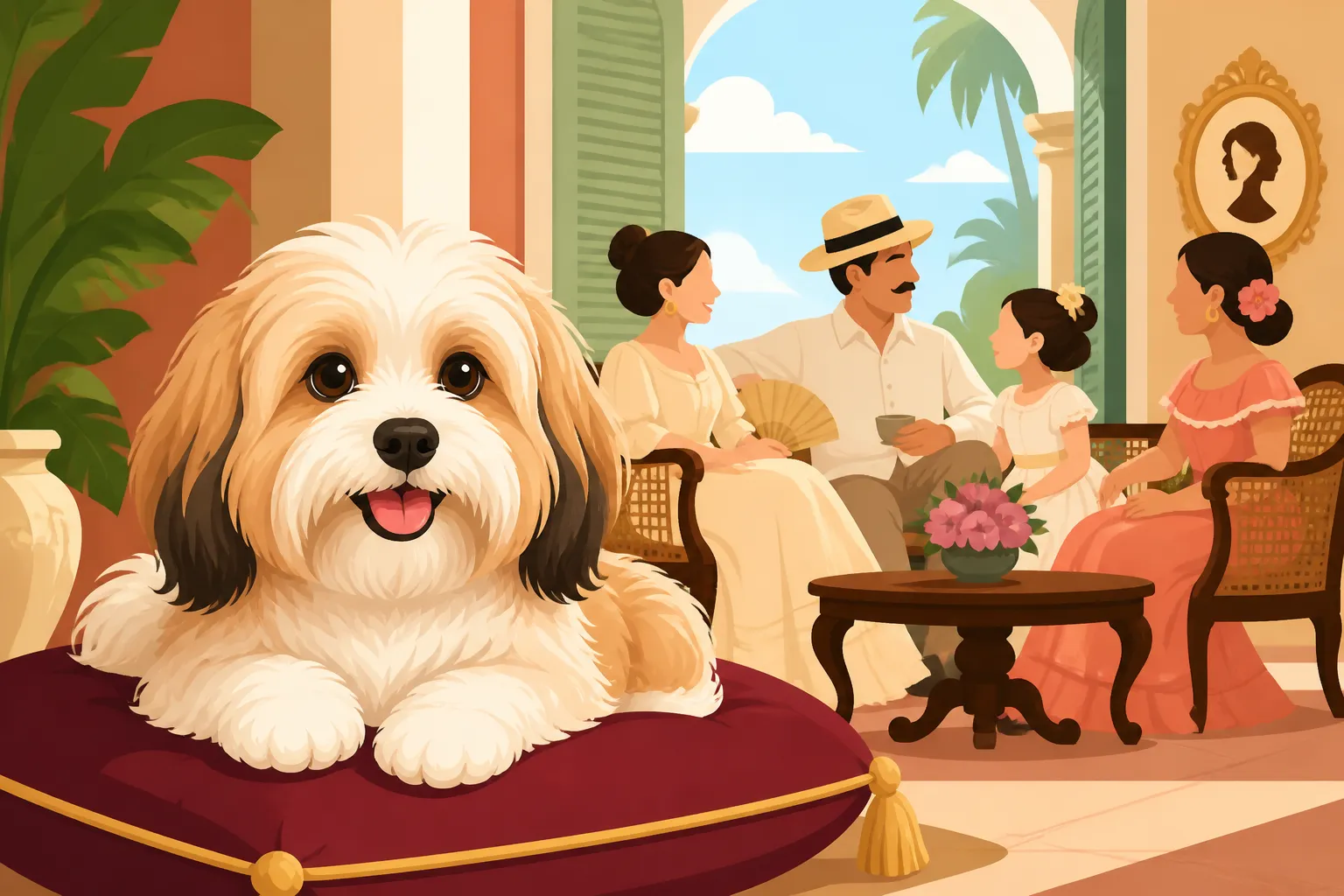
Imagine the opulent estates of 18th and 19th-century Cuba, where ladies of leisure strolled through gardens, and children played under the watchful eyes of nannies. The Havanese, or "Blanquito de la Habana" as they were then known, were cherished members of these aristocratic households. They were lap warmers, confidantes, and playful entertainers, never far from their human companions. This history isn't just a quaint anecdote; it's etched into their very DNA. They developed a profound need for human interaction and a natural ability to adapt to a life centered around their people. They weren't left alone in kennels or tied up outside; they were indoors, involved, and utterly adored. This historical context provides invaluable insight into The Havanese Is the Only Breed Cuba Ever Produced and why their temperament is so inextricably linked to companionship.
Fast forward to today, and that same historical blueprint guides their behavior. When a Havanese comes into your home, they expect to join you on the couch, follow you from room to room, and generally be an integral part of your daily rhythm. They thrive on the gentle murmur of conversation, the rustle of daily activities, and the feeling of being included. This deep-seated need for connection means a household that values an animal's presence and genuinely wants them to be part of every moment will find a Havanese to be an absolute dream.
The Velcro Dog Phenomenon
The term "Velcro dog" isn't an exaggeration with a Havanese; it's a statement of fact. You'll find them curled at your feet while you work, peeking at you from the bathroom doorway, and often trying to hitch a ride on your lap the moment you sit down. This intense attachment might sound overwhelming to some, but for those who yearn for a constant, loving presence, it's one of their most endearing qualities. They simply want to be where you are, soaking up your energy and offering their unwavering affection.
This inherent trait means they are not suited for homes where they will be relegated to a backyard, a garage, or even a separate room for extended periods. Their happiness is directly tied to their proximity to their people. If your idea of a dog is one that is independent and keeps to itself, a Havanese will likely struggle and potentially develop behavioral issues stemming from loneliness and anxiety. They truly are happiest when they can see, hear, and ideally, touch their favorite humans throughout the day. This strong bond is why many owners say Why a Havanese Follows You Into Every Room.
Why the Havanese Craves Connection
Beyond their historical role, the Havanese temperament is naturally geared towards forming strong bonds. They are intelligent, sensitive, and highly intuitive. They pick up on human emotions and often seem to understand what you need before you even say it. This empathy fuels their desire for close connection. They genuinely enjoy participating in family life, whether it's a quiet evening watching TV or a bustling afternoon of chores.
Their size also plays a role. As a small toy breed, they are perfectly suited for cuddling and being carried, further cementing their role as an intimate companion. They crave physical affection and reassurance, often melting into your touch. A home that provides consistent love, attention, and physical closeness will nurture a Havanese's naturally affectionate spirit. They offer companionship in its purest form, expecting nothing less than to be cherished members of your pack.
Living in Close Quarters: Apartment Living and Small Homes
One of the great advantages of owning a Havanese is their adaptability to various living situations, particularly smaller spaces. For city dwellers, apartment residents, or those in compact homes, the Havanese often proves to be an excellent choice, provided their specific needs are met.
Sizing Up the Small Space Dweller
A Havanese, generally weighing between 7 to 13 pounds and standing 8.5 to 11.5 inches tall, is perfectly sized for apartment living. They don't require vast acres to roam or an elaborate outdoor setup. Their exercise needs can often be met with indoor play and shorter, regular walks, which is a huge bonus for those without a large private yard. This makes them significantly less demanding on space than many larger breeds. You won't find them knocking over furniture with a wagging tail the way a Labrador might!
However, being small doesn't mean they don't need any space. They still appreciate a dedicated spot of their own, whether it's a comfy bed or a crate where they can retreat and feel secure. This is especially important in a busy household, offering them a quiet sanctuary. When considering Whether a Havanese Suits an Apartment, remember that while they fit, the quality of their indoor life – enrichment, interaction, and opportunities for mental stimulation – matters far more than the square footage.
Managing Indoor Energy Levels
While not hyperactive, Havanese puppies and young adults certainly have bursts of energy. In a smaller home, it's crucial to provide outlets for this energy in a contained and constructive way. Think about daily play sessions with toys, games of fetch down a hallway, or engaging them with puzzle toys. These activities not only burn off physical energy but also provide vital mental stimulation. A bored Havanese, even in a palatial home, can become destructive.
It’s about quality over quantity when it comes to exercise for a Havanese in a smaller space. Short, engaging playtimes several times a day can be far more effective than one long, forced walk. You might find them doing "zoomies" around the living room, chasing a toy, or wrestling with a plush friend from Chewy. Providing a variety of safe, appropriate toys is essential to keep their minds engaged and prevent boredom-induced mischief.
Barking Concerns in Shared Walls
One common concern for apartment dwellers is barking. Havanese are known to be alert and can be quite vocal, often using their barks to communicate. They might bark at passersby outside a window, unfamiliar noises in the hallway, or when they hear the doorbell. This isn't usually an incessant, neurotic bark, but rather an alert bark. It's their way of letting you know something is amiss in their world.
For those in shared living spaces, early and consistent training is paramount to manage this tendency. Teaching a "quiet" cue, redirecting their attention, and ensuring they don't have constant unsupervised access to windows overlooking busy areas can make a big difference. Desensitizing them to common apartment noises can also help. With patience and positive reinforcement, a Havanese can learn to be a considerate neighbor, but potential owners must be realistic that this breed will use its voice. If absolute silence is a requirement, a Havanese might not be the best fit without significant training effort.
Havanese and Family Dynamics: Navigating the Household Ecosystem
The Havanese breed's history as a family companion makes them naturally suited to integrate into diverse family structures. Their gentle nature, playful spirit, and desire for connection mean they generally adapt well to homes with children, other pets, and a steady stream of visitors, given the right introductions and guidance.
Gentle Companions for Children
For families with children, a Havanese can be a delightful and loyal companion. Their sturdy yet small build means they are less fragile than some other toy breeds, but they are still small enough to be potentially injured by overly rambunctious play. They are typically patient and forgiving, enjoying games and cuddles. However, it is absolutely essential that children are taught how to interact respectfully with a dog. This means no pulling tails, no treating them like toys, and understanding when the dog needs space.
Supervision is key, especially with younger children, to prevent accidental injury to the dog and to teach kids proper interaction from the start. A Havanese generally thrives in a home where they are seen as a cherished family member, not just a plaything. They can form incredibly strong bonds with children, often becoming their little shadow, sharing adventures, and offering comfort. For more on this, you might explore A Havanese in a House With Children.
Coexisting with Other Pets
Havanese are generally quite sociable and can get along well with other dogs and even cats, especially if introduced properly and raised with them. Their playful nature often means they enjoy having another canine companion to romp with, and they are usually respectful of a cat's boundaries (after an initial period of curiosity, of course!). Just like with children, supervision during initial introductions is vital to ensure a positive and safe experience for everyone.
If you already have a larger dog, ensure that your existing pet has a gentle temperament and understands how to interact safely with a smaller canine. A Havanese can hold their own, but an accidental bump from a much larger dog could cause injury. Their innate desire to be part of the group extends to the furry members of the household too, making them excellent candidates for multi-pet homes that foster a harmonious environment.
Welcoming Strangers and Guests
Due to their friendly and outgoing nature, Havanese are typically very welcoming to strangers and guests, often greeting them with enthusiastic tail wags and a desire for attention. This isn't a breed that tends to be overly shy or reserved once they are properly socialized. They love being the center of attention and will happily accept pets and affection from new faces. This makes them ideal for households that frequently entertain or have visitors come and go.
However, their alert barking can sometimes kick in when new people arrive. While they are usually quickly won over, some Havanese might initially bark to announce an arrival before settling down for a good head scratch. Early socialization, exposing them to many different people in a positive way during puppyhood, helps them develop into well-adjusted, confident adults who view new faces as potential friends rather than threats.
Managing Alone Time: The Challenge of the Attached Breed
Given their "Velcro dog" reputation and deep need for companionship, one of the biggest challenges for Havanese owners can be managing alone time. This isn't a breed that enjoys being left to their own devices for extended periods, and addressing this trait effectively is crucial for their well-being and a peaceful household.
Understanding Separation Anxiety
Because of their strong bond with their humans, Havanese are particularly prone to developing separation anxiety if not properly prepared for periods of solitude. This isn't simply "missing you"; it's a genuine anxiety disorder that can manifest in destructive chewing, incessant barking or whining, house-soiling, or even self-mutilation. It's heartbreaking to witness and can be incredibly stressful for both dog and owner. The Havanese were bred for constant companionship, not independence, so expecting them to be okay alone for eight hours straight without any preparation is often asking for trouble. Many owners struggle with The Havanese That Cannot Be Left Alone.
Recognizing the signs early – pacing, panting, destructive behavior only when left alone – is the first step. It's a real frustration for many owners who just want to go to work or run errands without coming home to a distressed dog or a damaged house. This isn't spite; it's genuine distress and highlights the importance of creating a plan for their alone time from the very beginning.
Strategies for Building Independence
Building a Havanese's comfort with alone time is a gradual process that requires patience and consistency. It starts with short, positive departures. Leaving them for just a few minutes, returning before they get anxious, and gradually increasing the duration helps them build confidence. Crate training can be an invaluable tool, providing a safe, den-like space where they feel secure. Many find comfort in a familiar blanket and a favorite toy from Chewy inside their crate.
Another effective strategy is to create a pre-departure routine that is calm and doesn't involve a big fuss. Avoid dramatic goodbyes or overly enthusiastic hellos. Leave them with a high-value treat or a puzzle toy to distract them as you leave. The goal is to make alone time a neutral, even slightly positive, experience rather than a traumatic one. It requires careful planning and a commitment to helping them feel secure even when you're not physically present.
The Role of Enrichment and Routine
Beyond gradual exposure, providing ample mental and physical enrichment is vital for a Havanese who must spend some time alone. A well-exercised and mentally stimulated dog is generally calmer and better equipped to cope with solitude. Ensure they get a good walk or playtime before you leave. Engaging puzzle toys, treat-dispensing toys, or long-lasting chews can keep their minds busy and prevent boredom from escalating into anxiety.
Establishing a consistent routine also offers comfort and predictability. Dogs thrive on routine, knowing when to expect meals, walks, and playtime. If your schedule is unpredictable, try to create some anchor points in their day that remain consistent. For households where prolonged absences are unavoidable, consider a dog walker or doggy daycare a few days a week. This ensures they get the social interaction and mental stimulation they need, making their alone time much more manageable and reducing stress for everyone involved.
Grooming and Maintenance: A Commitment to Their Luxurious Coat
The Havanese is renowned for its beautiful, flowing double coat, a defining feature that adds to its charm. However, this luxurious coat requires a significant commitment to grooming. Prospective owners must understand that owning a Havanese means embracing a regular grooming routine, which directly impacts the dog's comfort and the cleanliness of the household.
The Daily Brushing Reality
The Havanese coat is designed to be silky and soft, but without proper care, it can quickly become a matted mess. Matting is not just unsightly; it's painful for the dog, pulling on their skin and potentially leading to skin infections. This means daily brushing is not just a recommendation; it's a necessity. You'll need a good quality slicker brush and a metal comb to thoroughly work through their coat, reaching down to the skin to prevent tangles from forming. This is especially true if you intend to keep their coat long, reaching The Silky Double Coat a Havanese Grows to the Floor.
Many owners find this daily ritual can be a pleasant bonding experience, a quiet moment between you and your Havanese. But let's be realistic: it takes time and effort, usually 15-30 minutes, depending on coat length and condition. If your household simply doesn't have the time for this commitment, or if you're not prepared to learn proper line brushing techniques, then a Havanese might not be the right fit, or you'll need to commit to a shorter "puppy cut" style.
Professional Grooming vs. DIY
While daily home brushing is crucial, many Havanese owners opt for professional grooming every 4-8 weeks, especially if they prefer a tidier look or struggle with mats. A professional groomer can give them a full bath, blow-dry, trim, and sanitary clip, keeping them looking their best and preventing major matting issues. This is a recurring expense that needs to be factored into the overall cost of ownership.
However, even with professional grooming, home care doesn't stop. You'll still need to brush them between appointments. Some owners choose to learn to do all grooming themselves, investing in clippers, scissors, and a grooming table. This takes dedication, practice, and the right tools. Regardless of whether you go pro or DIY, teaching your Havanese to tolerate and even enjoy grooming sessions from a young age is essential. It prevents battles and makes the necessary upkeep a much more pleasant experience for everyone. This skill is critical, which is why we often discuss Teaching a Havanese to Lie Still for Grooming.
Keeping Them Clean and Healthy
Beyond brushing, the Havanese coat requires regular bathing, typically every 2-4 weeks, to keep it clean and prevent skin issues. Using a good quality dog shampoo and conditioner, rinsing thoroughly, and drying completely (a force dryer can be a lifesaver for thick coats) are all part of the routine. Their long ears also need attention, often requiring hair plucking or trimming to prevent moisture buildup and ear infections. Whether a Havanese Gets Ear Infections is a common concern tied to grooming.
Their charming facial hair around the eyes and mouth needs regular wiping to prevent tear staining and food buildup, especially if they have a white or light-colored coat. Their nails also need frequent trimming. The bottom line is that a Havanese in a household means a commitment to cleanliness and regular pampering. If you envision a low-maintenance dog that can roll in the mud and then shake it off, the Havanese might surprise you with its demands. Their beauty comes with a price, and that price is consistent, diligent care.
Exercise and Activity Needs: Fitting Into Various Lifestyles
While Havanese are not demanding in terms of high-intensity exercise, they are far from couch potatoes. They are playful, curious, and enjoy being active, requiring a balance of physical and mental stimulation to stay happy and well-adjusted within a household. Their activity needs are often compatible with a wide range of lifestyles, from leisurely walks to engaging playtime.
Beyond the Daily Walk
A couple of short, brisk walks each day are usually sufficient for a Havanese to meet their basic physical exercise needs. These walks not only offer physical activity but also provide essential opportunities for sniffing, exploring, and engaging with the outside world, which is vital for their mental well-being. However, merely letting them out into a backyard is not the same as a walk; they need to go places and see things. For insights into their needs, consider What a Havanese Needs Beyond a Walk.
Beyond walks, playtime is key. Havanese love to play fetch, chase toys, and engage in playful wrestling with their humans or other dogs. These interactive games are not only fun but also reinforce the bond between dog and owner. They don't need to run miles, but they do enjoy bursts of activity. A household that actively engages its Havanese in play will find a happy, content companion. If your lifestyle is extremely sedentary, you might find yourself needing to consciously schedule these play sessions to ensure your Havanese gets enough activity.
Indoor Play and Mental Stimulation
For households with limited outdoor space or during inclement weather, indoor play becomes even more important. Havanese are clever and can be quite inventive in their games. Hide-and-seek, retrieving toys, or even just a good game of tug-of-war in the living room can provide excellent exercise and mental engagement. Puzzle toys, where they have to figure out how to get a treat, are fantastic for keeping their intelligent minds occupied.
Mental stimulation is just as crucial as physical exercise for a Havanese. They enjoy learning new tricks, practicing obedience cues, and solving simple problems. Without enough mental engagement, they can become bored, which might lead to undesirable behaviors like excessive barking or chewing. A household that enjoys teaching and interacting with their dog on an intellectual level will find the Havanese to be an eager participant. You can even find a wide variety of interactive toys and puzzles on Chewy to keep them entertained.
Adventure Buddies or Couch Potatoes?
The beauty of the Havanese is their flexibility. They can certainly be content curling up on the couch for a movie night, fitting the "couch potato" mold. But they are equally enthusiastic about accompanying you on adventures. Many Havanese enjoy car rides, visits to dog-friendly stores, or even short hikes. They thrive on being included in family outings and experiencing new sights and sounds alongside their people.
So, whether your household is relatively calm or moderately active, a Havanese can adapt. They are not the breed for extreme sports or marathon running, but they are hardy enough for a varied and engaging life. The key is balance: enough physical activity to keep them healthy, enough mental stimulation to keep them engaged, and above all, the constant companionship they crave. They are truly versatile, eager to participate in whatever "adventure" your household decides to embark upon, whether it's a stroll around the block or a road trip.
Adapting to Different Owners: Finding Their Perfect Human Match
The Havanese breed's inherent traits make them wonderfully adaptable to a variety of owners and household compositions. From first-time dog parents to seniors, and even those with moderately active lifestyles, the Havanese often proves to be an ideal match, provided their core needs for companionship and attention are met.
Ideal for First-Time Dog Owners
If you're new to dog ownership, the Havanese is often recommended as an excellent "starter dog." Their eager-to-please nature, intelligence, and manageable size make them relatively easy to train compared to some more headstrong or complex breeds. They are highly responsive to positive reinforcement and enjoy the process of learning. While housetraining can sometimes take a bit of patience, as with any small breed, their overall temperament makes the journey of first-time ownership much smoother.
However, "easy" doesn't mean "no effort." First-time owners must still commit to socialization, consistent training, and understanding the breed's specific grooming and companionship needs. The Havanese is forgiving of minor mistakes, but they thrive on consistency and clear communication. For someone willing to learn and invest time in their new companion, a Havanese can be an incredibly rewarding first dog experience, instilling confidence in their ability to raise a happy, well-behaved pet.
A Wonderful Senior Companion
For seniors or individuals with limited mobility, the Havanese often shines as an exceptional companion. Their relatively low-impact exercise requirements mean they don't demand strenuous activity, and their small size makes them easy to manage on a leash or even carry if needed. Their affectionate nature and constant desire to be near their human companions provide invaluable comfort and emotional support. They are happy to curl up on a lap for hours, offering quiet companionship.
The primary requirement for a Havanese in a senior household is consistent human presence and the ability to provide regular, albeit gentle, interaction and care. Daily brushing and some form of daily activity are still essential. For many seniors, the Havanese offers the perfect blend of playful spirit and calm companionship, enriching their lives without becoming an overwhelming responsibility. This breed truly thrives on the stable, loving environment often found in senior households. The Age a Havanese Counts as Senior reminds us that their needs change with age, but their desire for companionship never wavers.
Balancing with Active Lifestyles
While they love a good cuddle, Havanese are not exclusively lap dogs. They have a cheerful, energetic side that can integrate well into moderately active households. If you enjoy daily walks, occasional trips to the park, or even short hikes, your Havanese will likely be thrilled to join you. They are sturdy little dogs who enjoy exploring and being part of the action. Their adaptable nature means they can easily transition from a lively outdoor adventure to a quiet evening at home.
The key for active owners is to remember their need for companionship. A Havanese shouldn't be left alone for long stretches while you're out adventuring. They want to be with you. If your active lifestyle involves bringing your dog along, a Havanese can be a fantastic partner. They can handle a surprising amount of activity for their size, always ready for the next fun thing, as long as it's shared with their beloved people.
Temperament and Trainability: The Smart, Sociable Performer
Understanding the Havanese temperament and their innate trainability is crucial for any household considering this breed. They possess a unique blend of intelligence, eagerness to please, and a playful spirit, all of which shape how they integrate into family life and respond to training efforts.
The Eager-to-Please Learner
Havanese are intelligent dogs, often ranking high among toy breeds for their ability to learn quickly. They possess a keen desire to please their owners, which makes them highly trainable. They respond wonderfully to positive reinforcement methods – think treats, praise, and enthusiastic encouragement. This isn't a breed that you'll have to drag through training sessions; they typically approach learning with a joyful enthusiasm, seeing it as another form of engaging with their favorite people. Many Havanese excel in various dog sports like agility, obedience, and rally, demonstrating their intelligence and athleticism. This is why How Long a Havanese Will Train For is often less about their capacity and more about their owner's commitment.
This eagerness to please means they pick up basic commands, house rules, and even more complex tricks with relative ease. A household that enjoys engaging their dog in training, whether for practical purposes or just for fun, will find the Havanese an incredibly rewarding partner. They thrive on having a "job" to do, even if that job is simply to fetch a toy or perform a little dance.
Addressing the "Stubborn" Myth
Sometimes, Havanese are labeled as stubborn, particularly in the context of housetraining. However, this "stubbornness" is often a misunderstanding of their small bladders, their preference for clean spaces (they don't want to soil their den!), or a lack of consistent training on the owner's part. They aren't trying to defy you; they might simply not understand what's being asked, or their physical needs might be overriding their desire to comply.
With patience, consistency, and a clear, positive approach, even a Havanese who seems "stubborn" can learn. It's about finding what motivates them (often high-value treats from Chewy!), making training fun, and setting them up for success. For example, rather than punishing accidents, celebrating successful potty breaks profusely will yield far better results. A household that understands the importance of positive reinforcement and doesn't get easily frustrated will unlock the Havanese's full potential.
Socialization for a Well-Adjusted Havanese
While Havanese are naturally sociable, proper socialization during puppyhood is critical for them to grow into well-adjusted, confident adults. This means exposing them to a wide variety of sights, sounds, people, and other friendly dogs in a positive and controlled manner. A well-socialized Havanese is less likely to be fearful or reactive, making them a joy to live with and take out into the world.
A household that prioritizes early and ongoing socialization will reap the benefits of a happy, outgoing Havanese. This could involve puppy classes, playdates with vaccinated dogs, or simply regular outings to safe, dog-friendly environments. A well-socialized Havanese will handle novel situations with grace and confidence, further enhancing their ability to integrate seamlessly into any family scenario, whether it's a bustling family gathering or a quiet afternoon with a new friend.
Comparing Havanese Compatibility with Different Households
To help you visualize where a Havanese might best fit, let's look at a quick comparison of various household types and how this wonderful breed typically fares.
| Household Type | Havanese Compatibility | Key Considerations |
|---|---|---|
| Active Singles/Couples | High – Loves to be included in activities, travel well, thrives on companionship. | Must commit to daily grooming and providing plenty of interaction. Not ideal for those constantly away from home. |
| Families with Children | High – Playful and gentle, forms strong bonds. | Children must be taught gentle interaction; supervision is crucial to prevent accidental injury to a small dog. Havanese can thrive with respectful kids. |
| Seniors/Retirees | Very High – Low-impact exercise needs, deeply affectionate, provides excellent companionship. | Requires consistent presence and the ability to maintain daily grooming and regular, gentle walks. Ideal for those seeking a constant, loving presence. |
| Apartment Dwellers | High – Small size, adaptable to indoor play. | Needs consistent outdoor potty breaks and indoor mental stimulation. Barking tendencies must be managed through training. |
| Multi-Pet Homes | High – Generally sociable with other dogs and cats. | Proper introductions are key. Ensure existing pets are gentle, especially with larger dogs, to avoid injury. Havanese enjoy having companions. |
| Busy Professionals | Moderate-Low – Requires significant companionship; prone to separation anxiety. | Not ideal if regularly left alone for 8+ hours. Must commit to dog walkers, doggy daycare, or flexible work schedules to meet companionship needs. |
| Outdoorsy/High-Energy Lifestyles | Moderate – Can enjoy walks/hikes but not an endurance breed. | Will enjoy being included, but cannot keep up with intense, long-duration activities. Best suited if most activities are dog-friendly and include the Havanese. |
| Low-Maintenance Seekers | Low – Demanding grooming needs and strong desire for companionship. | Not a "wash-and-wear" dog. Requires daily commitment to brushing and regular grooming appointments/home grooming. High emotional investment required. |
Long-Term Commitment: The Havanese Lifespan in Your Home
Bringing a Havanese into your household is not a short-term affair; it's a commitment that can last well over a decade. These charming dogs typically have a long and healthy lifespan, often gracing our lives for The Fourteen to Sixteen Years a Havanese Lives, sometimes even longer. This longevity means that the household they join must be prepared for the full spectrum of a dog's life, from energetic puppyhood to the gentle wisdom of their senior years.
The Journey from Puppy to Senior
Imagine welcoming a tiny, fluffy Havanese puppy into your home. Those early months are filled with playful antics, boundless energy, and the important work of socialization and training. Your household will be a hub of activity as you navigate housetraining, puppy nipping (yes, they do that, and it's something to manage, as seen in The Age a Havanese Puppy Stops Biting), and establishing routines. It's a joyful, albeit demanding, period where the whole family gets involved in shaping this little personality.
As they mature into adults, the Havanese generally settles into a comfortable rhythm, becoming a reliable and cherished member of the family. Their companionship deepens, and their personality shines. But the journey doesn't end there. As they enter their golden years, typically around age 8-10, their needs will shift. They might slow down, require more frequent veterinary check-ups, and need adjustments to their diet or exercise routine. Caring for an older Havanese means ensuring their comfort, managing any age-related health issues, and continuing to provide the loving companionship they've always known.
Planning for the Future
A household considering a Havanese must realistically assess its ability to commit for the long haul. This means thinking about future living situations, potential changes in family dynamics, and financial readiness for ongoing care, which will include regular vet visits, food, grooming, and potentially higher medical costs in old age. A Havanese becomes deeply ingrained in the fabric of your family, and rehoming an older dog is traumatic for them.
This long-term perspective is crucial. Are you prepared to adjust your lifestyle as your Havanese ages? Will you have the resources to provide specialized senior care if needed? A Havanese thrives in a stable, predictable environment where they feel secure in their place within the family unit for their entire lives. Their unwavering loyalty and affection are a testament to this bond, and it's a bond that a truly committed household will cherish and honor through all seasons of life.
Creating a Lasting Legacy of Love
Ultimately, the Havanese was bred for a household where love, companionship, and attention are abundant and consistent. They thrive with people who cherish their presence, involve them in daily life, and are prepared for the commitment their long lives and unique grooming needs entail. They are not a dog to be kept on the periphery; they are meant to be at the very heart of the home, offering joy, laughter, and unwavering devotion.
If your household values a constant furry shadow, enjoys a bit of playful mischief, and is ready to embrace a decade or more of cuddles, brushing, and shared adventures, then a Havanese might just be your perfect match. They give so much and ask for nothing more than to be your beloved companion, living life right by your side, exactly as they were bred to do.
Disclaimer
This article is for general informational purposes only and does not constitute professional advice. Laws, prices and regulations vary by location and change over time. Consult a qualified professional for guidance on your specific situation.