How Legg Calve Perthes Starts in a Havanese
It's incredibly disheartening to watch your beloved Havanese puppy, full of boundless energy one day, start to limp mysteriously the next. This kind of sudden onset lameness can be incredibly worrying, leaving you wondering what in the world is happening to your little companion. This guide will delve deep into how Legg-Calve-Perthes disease often begins in Havanese, helping you understand the subtle and not-so-subtle signs to look out for, so you can advocate effectively for your furry family member.
Understanding Legg-Calve-Perthes Disease in Havanese
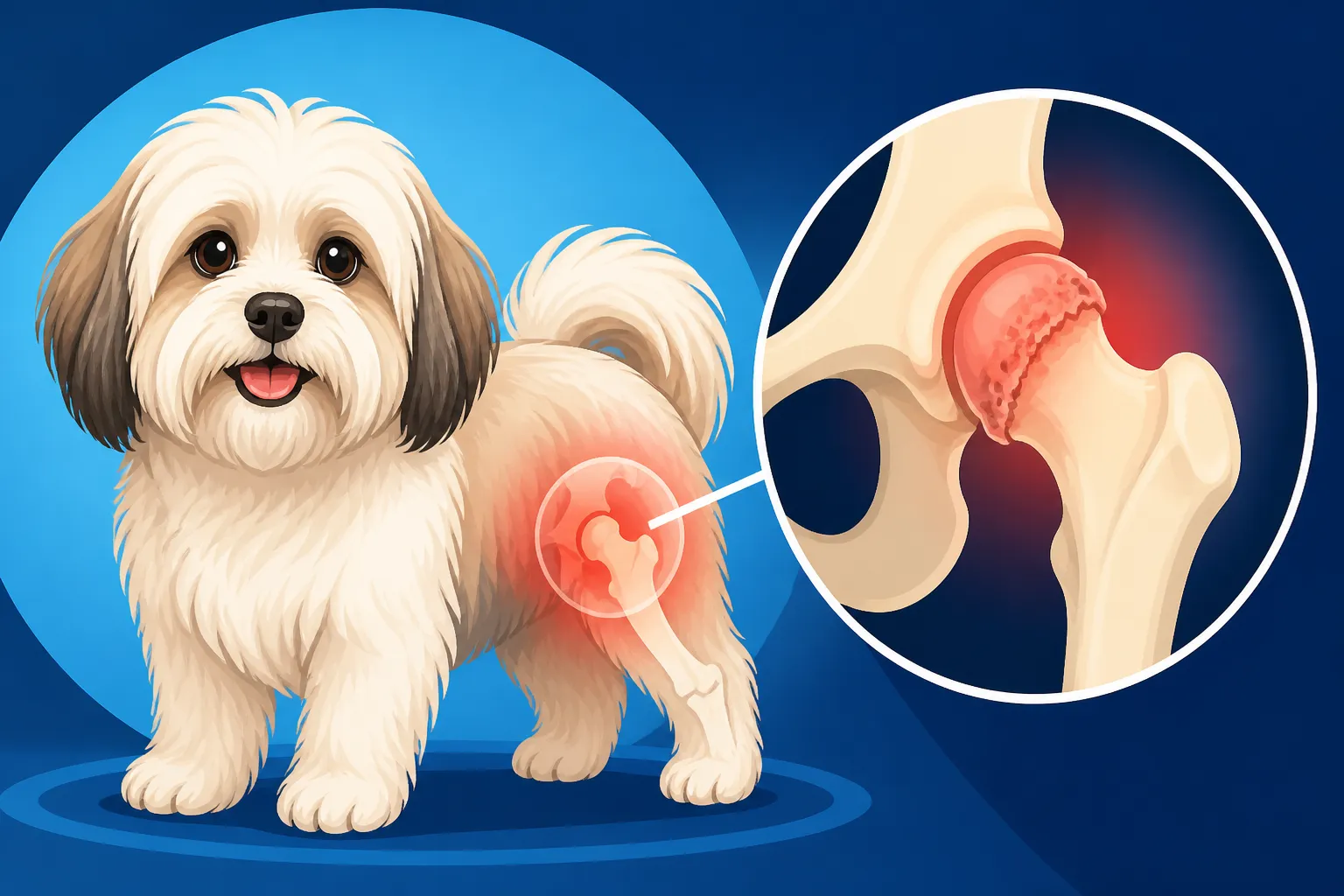
Legg-Calve-Perthes disease, or LCP, is one of those conditions that sounds incredibly complex, but understanding its core mechanism can really help you grasp what's happening. When a small breed like a Havanese starts showing signs, it's usually because something has gone awry in the development of their hip joint. It's a non-inflammatory, degenerative disease that specifically affects the head of the femur – the ball part of the ball-and-socket hip joint.
What Exactly Is LCP?
At its heart, Legg-Calve-Perthes disease is a condition where the blood supply to the femoral head, which is the very top of your Havanese's thigh bone, becomes compromised. Imagine a small, delicate growth plate that needs a constant, steady flow of nutrients to develop properly. For reasons not fully understood, this blood supply is interrupted. When the blood can't reach the bone cells, those cells begin to die off, a process known as avascular necrosis. This dead bone then starts to weaken and collapse under the normal pressures of weight-bearing and movement.
This isn't a sudden break; it's a gradual disintegration. As the femoral head loses its shape and integrity, the smooth, cartilage-covered surface that allows for effortless movement within the hip socket (the acetabulum) becomes rough, pitted, and uneven. This leads to friction, inflammation, and immense pain every time your Havanese moves its leg. It's truly a nasty cycle that begins subtly and escalates as the bone deteriorates further.
Why Small Breeds Like Havanese Are Prone
It's a common frustration among Havanese owners that so many musculoskeletal issues seem to target smaller dogs. While larger breeds like German Shepherds might be notorious for hip dysplasia, LCP seems to pick on the little guys, including our charming Havanese. Other toy breeds like West Highland White Terriers, Miniature Poodles, and Yorkshire Terriers are also frequently affected. The exact reason why small breeds are predisposed is still a bit of a mystery, but theories abound.
One thought is that the rapid growth spurt in toy breed puppies, combined with their naturally higher activity levels relative to their size, might put undue stress on the developing femoral head. There could also be subtle differences in the vascular anatomy of small breeds that make them more susceptible to these blood supply interruptions. What we do know is that it's rarely seen in dogs over 25 pounds, making it a distinct concern for Havanese parents. It’s important not to confuse LCP with other hip issues; for instance, many wonder if Whether a Havanese Gets Hip Dysplasia – LCP is distinctly different in its cause and typical onset.
The Genetic Connection
This is where things get a bit murky and, frankly, frustrating for dedicated Havanese breeders and owners alike. Unlike some genetic conditions where a clear mode of inheritance has been identified, the exact genetic component for LCP in Havanese isn't fully understood. While it's widely accepted that there's a hereditary predisposition, it's not a simple dominant or recessive gene that can be easily screened for with a DNA test. This makes prevention through selective breeding a challenge, as affected puppies can seemingly come from parents with no history of the disease.
Breeders strive to produce healthy puppies, and the lack of a clear genetic marker for LCP means they can't always guarantee a puppy won't develop it, even with the most diligent health checks on the parents. This situation highlights the importance of open communication with your breeder about health histories in their lines, but also underscores that sometimes, these things just happen.
The Initial Stages: When and How Symptoms Appear
One of the most insidious things about Legg-Calve-Perthes is that it doesn't always announce itself with a grand fanfare. Instead, it often creeps up slowly, starting with subtle hints that can be easily dismissed or attributed to a minor bump or bruise. For Havanese owners, this can be particularly concerning because their small size and playful nature might mask early discomfort.
The Typical Age of Onset for Havanese Puppies
Legg-Calve-Perthes is overwhelmingly a disease of adolescence, typically showing its ugly head in Havanese puppies between 4 and 12 months of age. While it's most common in this window, some cases can pop up a little earlier or later, but rarely beyond 18 months. If you've got a new Havanese puppy, especially one in this age range, keeping a close eye on their gait and general demeanor is paramount.
You might notice a change in how they run or jump, perhaps a momentary stiffness after waking up from a nap. This early stage is when the blood supply is first being compromised, and the bone is beginning to deteriorate, but hasn't yet fully collapsed. It’s why understanding The Age a Havanese Shows Hip Pain is so critical for early detection and intervention.
Subtle Signs You Might Miss at First
Because Havanese are such resilient and joyful little dogs, they might try to "power through" discomfort, especially in the early stages of LCP. This means you need to be a super-sleuth when observing their behavior. The very first signs can be incredibly subtle:
- Intermittent Lameness: Your Havanese might limp for a day or two, then seem completely fine. This on-again, off-again pattern can be very misleading. You might think they just twisted something playing too hard.
- Reluctance to Play: A normally boisterous Havanese might suddenly be less enthusiastic about their usual games of fetch or chasing toys. They might prefer quiet cuddles on the couch instead of their typical zoomies.
- Stiffness After Rest: After a long nap, watch how your Havanese gets up. Do they seem stiff, or do they struggle to put weight on a particular leg for a few steps before loosening up?
- Pain Upon Touch: Gently feel around their hip and thigh area. Do they flinch or show any signs of discomfort when you touch a particular spot?
These subtle cues are often the first whispers of a bigger problem. Don't dismiss them, especially if they recur.
Progressive Limping and Pain
As the disease progresses and the femoral head continues to die off and collapse, the limping becomes much more pronounced and consistent. This isn't just a slight favoring of a leg anymore; it's often a severe, weight-bearing lameness that clearly indicates significant pain. Your Havanese might start holding the affected leg up completely, refusing to put any weight on it at all. This is often referred to as a "toe-touching" lameness, where they might just touch the ground for balance but bear no weight.
You might also observe muscle atrophy in the affected hind leg. Because they're not using that leg as much, the muscles begin to waste away, making that leg appear noticeably thinner than the healthy one. The hip joint itself may also become visibly tender and warm to the touch. This stage is usually when owners seek urgent veterinary attention, as the pain is evident and significantly impacts the dog's quality of life. At this point, it's clear that something serious is happening, and it's imperative to get a diagnosis, which will often lead to discussions about Legg Calve Perthes and the Limping Havanese Puppy.
Delving Deeper into the Femoral Head Necrosis
To truly grasp the devastation LCP wreaks, it’s helpful to understand the destructive process occurring deep within the hip joint. It’s more than just a limp; it’s a profound change in the very structure of the bone itself.
What Happens to the Blood Supply
The crux of Legg-Calve-Perthes lies in the mysterious interruption of the blood supply to the femoral head. Think of this critical area as a vibrant, growing city that suddenly has its main water source cut off. The cells that make up the bone, cartilage, and surrounding tissues are starved of oxygen and vital nutrients carried by the blood. When this happens, these cells, which are constantly renewing and rebuilding bone, begin to die. This is what we call avascular necrosis – "avascular" meaning without blood supply, and "necrosis" meaning tissue death.
This interruption often occurs at the epiphyseal growth plate, a crucial area of cartilage near the end of the bone responsible for its growth. In young, rapidly developing Havanese, this area is highly metabolic and dependent on a robust blood flow. Why this happens is still not fully understood, but it's thought to involve a combination of genetic factors, anatomical predispositions in small breeds, and possibly trauma that isn't severe enough to cause a visible injury but is sufficient to disrupt delicate blood vessels.
The Collapse of the Femoral Head
Once the bone cells in the femoral head begin to die, the structural integrity of this critical part of the hip joint is severely compromised. Imagine a building whose foundations are slowly crumbling from within. Initially, it might stand, but any external pressure will hasten its collapse. In the case of LCP, the "external pressure" is simply your Havanese's normal movement, walking, running, and jumping.
As the dead bone can no longer support the forces placed upon it, the femoral head literally starts to collapse and flatten. It loses its smooth, spherical shape, becoming irregular, mushroom-like, or even fragmented. This distortion means it no longer fits snugly or moves smoothly within the acetabulum (hip socket). Instead, bone grinds against bone, or against damaged cartilage, leading to excruciating pain and limited range of motion. This progressive collapse is what drives the worsening lameness you observe in your Havanese.
Secondary Arthritis and Chronic Issues
Even if the primary issue of avascular necrosis and femoral head collapse is addressed, the damage done to the joint often has lasting consequences. The uneven surfaces, the rubbing, and the constant inflammation inevitably lead to the development of secondary osteoarthritis, also known as degenerative joint disease. Arthritis is essentially the body's attempt to repair and stabilize a damaged joint, but this often results in the formation of bone spurs (osteophytes) and further breakdown of cartilage, leading to chronic pain and stiffness.
For your Havanese, this means that even after successful treatment of the LCP itself, they may still require ongoing management for arthritis as they age. This could involve joint supplements, anti-inflammatory medications, and modifications to their lifestyle to keep them comfortable. It’s a stark reminder that early diagnosis and intervention are not just about fixing the immediate problem, but about minimizing the long-term impact on your Havanese's joint health. Understanding these potential chronic issues can help you prepare for the long haul.
Diagnosing Legg-Calve-Perthes Early On
Catching LCP early in your Havanese is paramount for the best possible outcome. While your observations are crucial, a definitive diagnosis always requires a professional veterinary assessment. It’s not always straightforward, as the symptoms can mimic other conditions.
The Importance of a Thorough Veterinary Exam
When you first notice your Havanese limping or showing signs of discomfort, don't hesitate to book an appointment with your veterinarian. A thorough physical examination is the first, vital step. Your vet will observe your Havanese's gait, paying close attention to which leg is affected and how they bear weight. They’ll then perform a hands-on examination, palpating the hip joint, gently manipulating the leg through its range of motion. During this process, they'll be looking for signs of pain, crepitus (a grinding or popping sensation), and reduced mobility in the hip.
They'll also assess for muscle atrophy in the affected limb, which can indicate that the problem has been ongoing for some time. It's during this examination that a skilled vet might pick up on subtle signs of LCP even before X-rays are taken. Be sure to provide your vet with a detailed history of when you first noticed symptoms, how they've progressed, and any specific behaviors that concern you. This information is invaluable for pinpointing the issue.
X-Ray Imaging: What Your Vet Looks For
While the physical exam can raise strong suspicions, X-ray imaging is the gold standard for definitively diagnosing Legg-Calve-Perthes. Your vet will likely recommend radiographs of both hip joints, even if only one leg appears affected, as LCP can occasionally occur bilaterally (in both hips), though it's more common for it to be unilateral.
On the X-rays, the vet will be looking for very specific changes characteristic of LCP:
- Flattening or Irregularity of the Femoral Head: Instead of a smooth, round "ball," the femoral head might appear flattened, jagged, or even fragmented.
- Increased Joint Space (Early Stages): Paradoxically, in the very early stages, there might be a wider space between the femoral head and the acetabulum due to cartilage damage and fluid accumulation, before the bone truly collapses.
- Reduced Bone Density (Osteopenia): The dying bone can appear less dense on X-ray.
- Subchondral Fractures: Tiny stress fractures might be visible beneath the cartilage.
- Secondary Arthritic Changes: In more advanced cases, bone spurs and other signs of degenerative joint disease will be evident.
These radiographic findings allow your vet to confirm the diagnosis and assess the severity of the damage, guiding the discussion on treatment options.
Differentiating LCP from Other Conditions
This is where a good diagnostic work-up is crucial because, as any Havanese owner knows, a limp can mean many things. LCP shares symptoms with several other conditions that can affect a young Havanese, and it's essential to rule them out.
- Trauma: A simple sprain, strain, or even a fracture from an injury could cause limping. Your vet will carefully examine for signs of acute trauma.
- Patellar Luxation: Slipping kneecaps are incredibly common in small breeds, including Havanese. While it affects the knee, severe luxation can alter gait and mimic hip pain. Getting a proper diagnosis helps differentiate this; you can learn more about this in The Kneecaps a Havanese Slips.
- Hip Dysplasia: Though less common in Havanese than in larger breeds, severe hip dysplasia can present with similar limping. However, hip dysplasia usually involves abnormal development of the entire hip joint, not just the femoral head blood supply, and often presents differently on X-ray.
- Infections or Inflammatory Conditions: Less common, but sometimes infections or other inflammatory processes in the bone or joint could cause similar pain.
Your vet will consider all these possibilities and use a combination of physical examination, patient history, and X-rays to arrive at the correct diagnosis. This thoroughness ensures your Havanese receives the most appropriate and effective treatment.
Managing the Onset and What Comes Next
Once your Havanese has been diagnosed with Legg-Calve-Perthes, the next steps focus on alleviating pain and restoring function to the affected hip. While it might sound daunting, there are proven approaches to help your little one get back on their feet, often requiring a commitment to both medical and, frequently, surgical intervention.
Initial Pain Management Strategies
In the very early stages, or as a temporary measure before surgery, your veterinarian will focus on managing your Havanese's pain. This typically involves several approaches:
- Non-Steroidal Anti-Inflammatory Drugs (NSAIDs): Medications like carprofen (Rimadyl), meloxicam (Metacam), or firocoxib (Previcox) are commonly prescribed to reduce pain and inflammation in the joint. It's crucial to administer these exactly as directed by your vet, as improper use can lead to side effects.
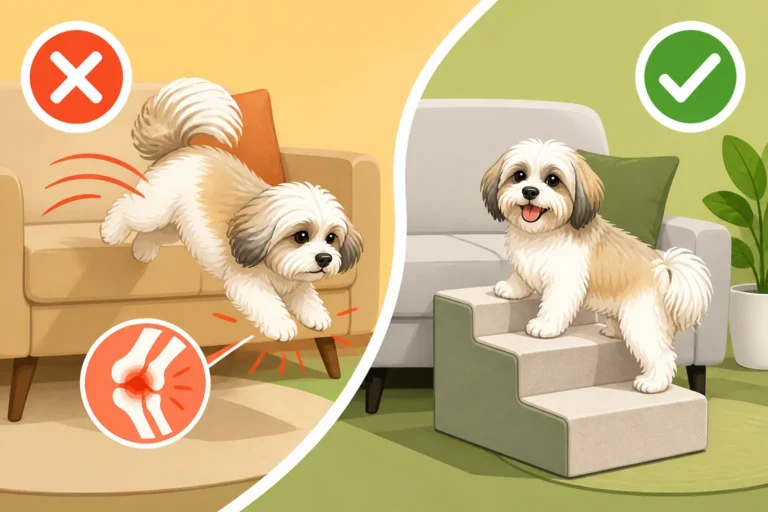
- Restriction of Activity: Keeping your Havanese calm and restricting vigorous exercise is vital. This means no jumping, running, or stair climbing. Leash walks for bathroom breaks are usually acceptable, but play should be limited to very gentle, controlled interactions.
- Pain Medications: In addition to NSAIDs, other pain relievers like gabapentin may be prescribed, especially if the pain is severe or chronic.
- Weight Management: If your Havanese is overweight, even by a little, shedding those extra pounds can significantly reduce stress on the hip joint. Maintaining a lean body condition is good for joint health in general.
These initial steps can provide some comfort, but they rarely solve the underlying problem of the deteriorating femoral head. For most Havanese with LCP, surgical intervention is the most effective long-term solution.
Surgical Options: Femoral Head Ostectomy (FHO)
For the vast majority of Havanese diagnosed with LCP, the recommended treatment is a surgical procedure called a Femoral Head Ostectomy, or FHO. While it might sound drastic, this surgery aims to remove the source of the pain: the damaged, crumbling femoral head.
During an FHO, the veterinary surgeon removes the head and neck of the femur. This eliminates the painful bone-on-bone grinding that occurs when the diseased femoral head tries to articulate with the hip socket. After the surgery, the body naturally forms a "false joint" (fibrous pseudoarthrosis) where scar tissue develops in the space where the femoral head used to be. The muscles around the hip then help support the leg, allowing for pain-free movement, though often with a slightly reduced range of motion.
The good news is that for small breeds like Havanese, FHO is generally very successful. Their lighter body weight allows them to form a functional false joint more easily than larger, heavier dogs. Many owners have concerns about Whether a Havanese Needs Femoral Head Surgery, but it's often the best path to long-term comfort and mobility.
Post-Operative Care and Rehabilitation
Surgery is only half the battle; the recovery and rehabilitation phase are just as critical for a successful outcome after an FHO. Your vet will provide detailed post-operative instructions, but here's a general idea of what to expect:
- Pain Management: Your Havanese will continue to receive pain medication to ensure they are comfortable during the initial healing period.
- Activity Restriction: Strict rest is typically required for the first few weeks to allow the surgical site to heal. This means no running, jumping, or rough play. Leash walks will be gradually introduced and slowly increased as advised by your vet.
- Physical Therapy: This is incredibly important! Early, gentle range-of-motion exercises will be crucial to prevent stiffness and encourage the development of the false joint. Your vet might recommend a professional canine rehabilitation therapist. They can guide you through specific exercises, hydrotherapy (underwater treadmill), and massage techniques that will help rebuild muscle mass and improve mobility. Many ask Whether a Havanese Needs Physiotherapy After Surgery, and the answer is almost always a resounding yes.
- Monitoring Progress: Regular follow-up appointments with your vet will be necessary to monitor healing and adjust the rehabilitation plan as needed.
Recovery can take several weeks to a few months, but with diligent care, most Havanese recover extremely well and regain excellent use of their leg, becoming active, happy companions again.
Preventing and Preparing for LCP in Your Havanese
While LCP can feel like an unavoidable stroke of bad luck, there are always steps Havanese owners can take to ensure their dog has the best chance at a healthy life, and to be prepared should such a challenge arise. It’s about being proactive, not just reactive.
The Role of Responsible Breeding Practices
As we touched on earlier, the genetic component of LCP isn't as straightforward as some other inherited conditions. However, responsible breeding practices remain the cornerstone of promoting healthy Havanese lines. While there isn't a specific DNA test for LCP, ethical breeders strive to:
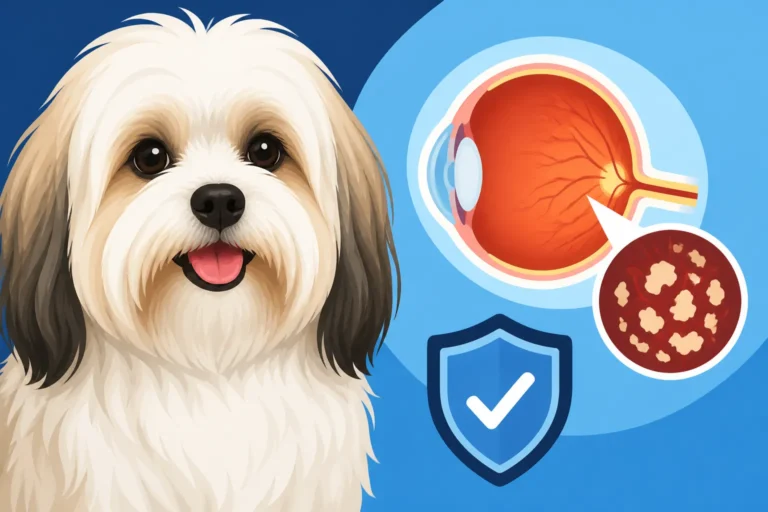
- Health Test Parents: They ensure parent dogs are screened for other common Havanese health issues, such as patellar luxation, eye diseases, and cardiac conditions. While these aren't directly LCP tests, they reflect a commitment to overall health.
- Avoid Breeding Affected Dogs: Any Havanese that has been diagnosed with LCP should not be used for breeding. While the exact inheritance pattern is unclear, removing affected individuals from the gene pool is a sound practice.
- Maintain Detailed Health Records: Responsible breeders keep meticulous records of their dogs' health, including any instances of LCP in previous litters or relatives. This transparency can help inform potential puppy buyers.
- Educate Puppy Buyers: A good breeder will educate prospective owners about the health concerns common to the breed, including LCP, and what signs to look for.
Choosing a reputable breeder who prioritizes health and transparency is your first line of defense in bringing home a healthy Havanese puppy. It's also important to understand The Health Tests Both Havanese Parents Should Have to ensure you're making an informed decision.
Nutritional Support and Weight Management
Proper nutrition is fundamental for the healthy development of any puppy, and it plays a supporting role in minimizing the impact of joint diseases. While no special diet can prevent LCP, a balanced, high-quality diet that supports healthy growth without promoting excessively rapid weight gain is ideal.
- High-Quality Puppy Food: Feed a premium small-breed puppy food appropriate for your Havanese's age and expected adult size. Avoid overfeeding, as rapid growth can put undue stress on developing joints.
- Joint Supplements: While supplements won't cure LCP, some owners consider giving their Havanese joint supplements containing glucosamine, chondroitin, and MSM, particularly if there's a family history of joint issues or if their dog is recovering from surgery. These supplements are thought to support cartilage health. However, discuss any supplements with your vet first to ensure they are appropriate for your Havanese. You might be wondering Whether Joint Supplements Help a Havanese, and while they don't prevent LCP, they can be beneficial for overall joint health and post-surgical recovery.
- Maintain Ideal Weight: As mentioned, keeping your Havanese at a lean, healthy weight throughout their life is crucial for joint health. Excess weight places additional strain on all joints, including the hips, which can exacerbate pain and hasten arthritic changes, even after LCP surgery.
Financial Planning for Potential Treatment
Let's be realistic: veterinary care, especially for conditions requiring surgery and rehabilitation, can be expensive. A Femoral Head Ostectomy, along with diagnostics, medications, and follow-up physical therapy, can quickly add up. Understanding What Femoral Head Surgery Costs a Havanese Owner is a crucial piece of the puzzle.
This is where planning ahead can make a huge difference.
- Pet Insurance: Investing in pet insurance when your Havanese is young and healthy can be a lifesaver. Policies from providers like Healthy Paws can cover a significant portion of unexpected veterinary bills, including those for conditions like LCP. When choosing a policy, make sure to read the fine print regarding hereditary and congenital conditions, and any waiting periods. Many owners prioritize Insuring a Havanese Against Knees and Heart, and LCP falls under this vital protection.
- Emergency Fund: If pet insurance isn't an option, consider setting aside a dedicated emergency fund for your Havanese's healthcare. Even a small amount saved regularly can provide a cushion for unexpected expenses.
- Discuss Costs with Your Vet: Don't be afraid to have an open conversation with your veterinarian about the estimated costs of diagnosis and treatment. They can often provide a breakdown and discuss payment options.
Being financially prepared means you can make decisions based on your Havanese's health needs, rather than being limited by unexpected financial constraints.
Potential Outcomes and Living with an LCP-Affected Havanese
Understanding the journey of LCP in your Havanese often involves looking beyond the diagnosis to what life looks like after treatment. While it's a challenging road, the good news is that most Havanese recover very well and go on to live full, happy lives.
Long-Term Mobility and Quality of Life
For Havanese who undergo an FHO, the long-term prognosis for mobility and quality of life is generally excellent, especially given their small size. Most dogs, with proper rehabilitation, regain good use of the affected leg and can run, play, and enjoy their typical Havanese activities. While they might not have the exact same range of motion as a perfectly healthy hip, the absence of pain is the biggest gain.
It's common for there to be a slight shortening of the limb or a subtle alteration in gait, but this usually doesn't impact their overall activity levels. Owners often report that their Havanese are much happier and more energetic once the chronic pain is resolved. Learning Whether a Havanese Recovers Fully From Hip Surgery can ease a lot of anxiety for owners facing this decision.
Managing Secondary Arthritis Over Time
As discussed, secondary arthritis is a common sequela of LCP, even after a successful FHO. This means that as your Havanese ages, they may experience stiffness or discomfort, particularly in cold weather or after intense activity. Ongoing management strategies might include:
- Dietary Supplements: Continued use of joint supplements containing glucosamine and chondroitin can help support joint health.
- Weight Control: Maintaining an ideal weight becomes even more critical for an arthritic Havanese to minimize strain on all joints.
- Controlled Exercise: Regular, moderate exercise (like consistent, gentle walks) is important to keep joints mobile and muscles strong, but overexertion should be avoided.
- Environmental Modifications: Providing soft, orthopedic beds, ramps or steps for accessing furniture, and ensuring good traction on slippery floors can make a big difference in an older, arthritic Havanese's comfort.
- Medication: Your vet may prescribe long-term NSAIDs or other pain relief medications to manage arthritic pain as needed.
Regular check-ups with your veterinarian will be essential to monitor for the onset and progression of arthritis and adjust management strategies accordingly.
A Look at Typical LCP Symptoms and Management
To help summarize the key points, here's a brief overview of LCP symptoms and typical management approaches:
| Symptom Category | Early Onset Signs (4-12 months) | Advanced Stages Signs | Management Strategy | Long-Term Outlook |
|---|---|---|---|---|
| Limping | Intermittent, mild favoring of a hind leg | Consistent, severe lameness; leg held up | Rest, anti-inflammatory drugs | Significantly improved post-FHO surgery |
| Pain | Subtle discomfort, stiffness after rest, mild flinching | Obvious pain, crying out, reluctance to move | Pain medications, cold/heat therapy | Pain-free after surgery; potential for chronic arthritis pain if untreated |
| Mobility | Reduced enthusiasm for play, some stiffness | Reluctance to bear weight, limited range of motion | Restricted activity, controlled exercise | Good to excellent post-FHO, with potential for slight gait change |
| Physical Changes | None initially, possibly subtle muscle stiffness | Muscle atrophy, hip tenderness, swelling | Physical therapy, weight management | Resolution of primary issue; secondary arthritis possible with age |
| Diagnosis Methods | Physical exam, X-rays | Physical exam, X-rays | N/A | Confirmation of LCP and severity |
| Primary Treatment | N/A | Femoral Head Ostectomy (FHO) surgical removal | N/A | High success rate in small breeds |
Disclaimer
This article is intended for informational purposes only and is not a substitute for professional veterinary advice. If you suspect your Havanese is experiencing symptoms of Legg-Calve-Perthes disease or any other health issue, please consult with your veterinarian immediately. Only a qualified veterinary professional can accurately diagnose and recommend the appropriate treatment for your pet.