Whether a Havanese Needs Femoral Head Surgery
Finding your beloved Havanese suddenly limping or showing signs of discomfort in their hip can be incredibly alarming. As a devoted Havanese parent, your first thought is probably to fix whatever is wrong and get them back to their playful, bouncy selves. This guide will delve deep into one of the common culprits for such issues in small breeds like the Havanese – Legg-Calve-Perthes disease – and explore whether femoral head surgery is the necessary step to bring relief and restore their quality of life.
Understanding Legg-Calve-Perthes Disease in Havanese
When we talk about hip problems in a Havanese, especially one that's still quite young, one condition often comes to mind: Legg-Calve-Perthes disease, or LCPD. This isn't your typical "wear and tear" arthritis that older dogs might experience, nor is it the hip dysplasia you hear about in larger breeds, though the symptoms can sometimes feel similar to if a Havanese gets hip dysplasia. LCPD is a unique and often distressing condition that primarily affects toy breeds.
What Legg-Calve-Perthes Disease Is and How It Starts
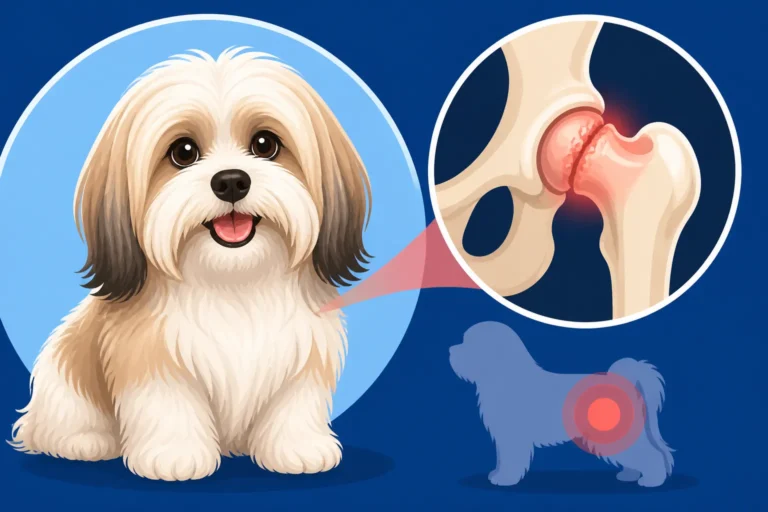
Legg-Calve-Perthes disease is a non-inflammatory, aseptic necrosis of the femoral head. Now, that's a mouthful, right? Let's break it down. "Aseptic necrosis" simply means the tissue dies without an infection being present. In this case, it's the top part of the thigh bone (the femur) where it forms the ball of the hip joint – the femoral head – that experiences a disruption in its blood supply. Without proper blood flow, the bone cells in the femoral head begin to die, leading to weakening and eventual collapse of the bone. Imagine a bone that slowly crumbles under pressure. This process often causes deformation of the femoral head and secondary osteoarthritis, which leads to significant pain and lameness.
While the exact cause remains a bit of a mystery, it's widely believed to have a genetic component, especially given its prevalence in certain smaller breeds. It's not something that happens overnight but rather a gradual deterioration. For a deeper dive into its origins, you might want to read more about How Legg Calve Perthes Starts in a Havanese. It’s a heartbreaking condition, particularly because it strikes puppies and young adult dogs during what should be their most carefree, energetic years.
Identifying the Signs of LCPD in Your Havanese
Recognizing the signs of LCPD early can be challenging because a Havanese is naturally stoic and often tries to hide discomfort. However, there are some tell-tale symptoms that should prompt an immediate visit to your veterinarian. Typically, LCPD symptoms manifest in Havanese puppies or young adults, usually between 5 and 12 months of age, which is generally The Age a Havanese Shows Hip Pain. You might notice your Havanese puppy starting to carry one of their back legs, a subtle stiffness after rest, or a reluctance to put weight on the affected limb.
The classic presentation is a gradual onset of hind limb lameness that progressively worsens over several weeks or even months. Sometimes, your Havanese might limp on one back leg, or you might observe a peculiar "skipping" gait as they try to avoid painful weight-bearing. Muscle atrophy in the affected thigh is another common sign, as the dog favors the limb and uses it less. They might also react with pain if you try to manipulate the hip joint. Unlike some other conditions, LCPD usually affects only one hip, though in rare cases, Whether Legg Calve Perthes Affects Both of a Havanese's Hips is a question some owners face. Watching your playful pup suddenly hesitant to jump, climb, or even run can be a clear indicator that something is amiss.
Diagnosing LCPD Accurately
When you bring your Havanese to the vet with concerns about lameness, they will conduct a thorough physical examination. This will include observing their gait, palpating the hip joint, and checking for pain or reduced range of motion. If LCPD is suspected, X-rays are the definitive diagnostic tool. These radiographs will show characteristic changes in the femoral head and neck, such as decreased bone density, flattening, or even fragmentation. Early on, the changes might be subtle, but as the disease progresses, the destruction of the femoral head becomes much more apparent.
Your vet might also need to rule out other conditions that can cause similar symptoms, such as trauma, patellar luxation, or even infections. A complete medical history and physical exam, combined with clear radiographs, will usually lead to an accurate diagnosis of LCPD. Getting this diagnosis correctly is the first crucial step in determining the best course of action for your furry friend, whether that means conservative management or considering surgery.
Exploring Non-Surgical Paths for Havanese Hip Issues
While surgery is a highly effective treatment for Legg-Calve-Perthes disease, it's not always the immediate first step. For some Havanese, particularly those diagnosed in the very early stages or with less severe degeneration, conservative management can provide significant relief and, in some rare instances, be enough to prevent the need for an operation. It's all about managing pain, reducing inflammation, and preventing further damage.
Managing Pain and Inflammation with Medication
The cornerstone of conservative LCPD management is effectively controlling pain and inflammation. Your veterinarian will likely prescribe non-steroidal anti-inflammatory drugs (NSAIDs) specifically formulated for dogs. Brands like Rimadyl, Metacam, or Galliprant are common choices. These medications help reduce the discomfort that limits your Havanese's mobility and allows them to use the leg more comfortably, preventing further muscle loss. It's vital to follow your vet's dosage instructions precisely, as even common human pain relievers can be toxic to dogs. They might also suggest periods of strict rest, which means limiting strenuous activity, jumping, and running to allow the joint to heal and reduce irritation.
Beyond NSAIDs, other pain relief options might include gabapentin, a neuropathic pain medication, or even short courses of corticosteroids in severe cases (though these come with their own set of considerations). Regular vet check-ups are essential during this period to monitor your Havanese's progress, adjust medication as needed, and ensure they are not experiencing adverse side effects. Sometimes, the goal isn't just to alleviate pain, but to prepare the dog for a potential surgical procedure by strengthening surrounding muscles.
The Role of Physical Therapy and Exercise Modification
Just as with humans recovering from orthopedic issues, physical therapy is incredibly beneficial for a Havanese dealing with LCPD. The right kind of movement can help maintain muscle mass, improve range of motion, and reduce stiffness without putting excessive strain on the damaged joint. This isn't about letting them run wild in the park; it's about controlled, therapeutic exercises.
Low-impact activities like short, controlled leash walks on soft surfaces can be very helpful. Hydrotherapy, which involves exercises in warm water, is often recommended because the buoyancy reduces pressure on the joints while still allowing for muscle engagement. A certified canine rehabilitation therapist can design a tailored program that might include passive range of motion exercises, gentle stretching, balance exercises, and therapeutic massage. This structured approach helps prevent secondary issues like muscle contracture and can significantly improve your Havanese's comfort and mobility, potentially delaying or even avoiding surgery. You can learn more about the importance of post-op care in our article, Whether a Havanese Needs Physiotherapy After Surgery.
Nutritional Support and Weight Management
Keeping your Havanese at a healthy weight is paramount when dealing with any joint issue, including LCPD. Every extra pound puts additional stress on their delicate joints, exacerbating pain and accelerating damage. Your vet can help you determine the ideal weight for your Havanese and recommend a suitable diet plan. This might involve reducing calorie intake, switching to a weight-management specific dog food, or adjusting portion sizes. You might find our guide on Whether a Havanese Should Be Kept Slim for Its Joints helpful in this regard.
Furthermore, certain nutritional supplements can support joint health. Glucosamine and chondroitin are popular choices, known for helping maintain cartilage and joint fluid. Omega-3 fatty acids, often found in fish oil, have natural anti-inflammatory properties that can complement medicinal treatments. Always discuss any supplements with your veterinarian before introducing them, as quality and appropriate dosages vary. Brands like Healthy Paws often recommend these types of supplements as part of a holistic approach to managing joint health, noting their potential benefits for dogs suffering from orthopedic conditions. While supplements can't cure LCPD, they can certainly provide supportive care. For more information, check out Whether Joint Supplements Help a Havanese.
When Femoral Head Ostectomy Becomes the Best Choice
While conservative management can offer temporary relief and is sometimes effective in very mild cases, for most Havanese suffering from Legg-Calve-Perthes disease, Femoral Head Ostectomy (FHO) surgery is the most common and often the most successful long-term solution. It might sound drastic, but it's a proven procedure that can dramatically improve your dog's quality of life.
What Exactly Is a Femoral Head Ostectomy (FHO)?
A Femoral Head Ostectomy (FHO) is a surgical procedure where the diseased femoral head and neck are completely removed. This means the "ball" part of the ball-and-socket hip joint is taken away. Now, you might be thinking, "Won't that mean their leg just dangles?" No, not at all! After the bone is removed, the body naturally forms a "false joint" (a fibrous pseudoarthrosis) where the muscles surrounding the hip provide stability and support. Essentially, scar tissue forms a cushion between the pelvis and the remaining femur.
The goal of FHO is to eliminate the painful bone-on-bone rubbing that occurs when the femoral head is damaged. By removing the source of the pain, the dog can then learn to use the limb without discomfort. It's a salvage procedure, meaning it doesn't recreate a perfect anatomical joint, but it successfully alleviates pain and restores functional mobility for small breeds. This operation is particularly effective in smaller dogs like the Havanese because their lighter body weight allows the false joint to function more efficiently and support them adequately.
Ideal Candidates for FHO in Havanese
Not every Havanese with a limp will need an FHO, but certain factors make it the preferred course of action. The primary indicator is a definitive diagnosis of Legg-Calve-Perthes disease where conservative management has failed to adequately control pain or improve mobility. If your Havanese is still suffering despite medication, rest, and physical therapy, surgery becomes a strong consideration.
Havanese dogs are actually excellent candidates for FHO due to their small size and relatively low body weight. Dogs weighing less than about 40-50 pounds typically recover very well from FHO because their muscles can more easily support the limb without the rigid bone-on-bone joint. The severity of the LCPD, as seen on X-rays (e.g., significant collapse or fragmentation of the femoral head), also plays a crucial role. If the damage is extensive, an FHO is usually recommended sooner rather than later to prevent prolonged pain and muscle atrophy. Your veterinarian, possibly in consultation with a veterinary orthopedic specialist, will assess your Havanese's specific situation, age, and overall health to determine if FHO is the most appropriate and beneficial treatment.
The Surgical Process and What to Expect
Once the decision for FHO is made, your veterinarian will guide you through the process. Before surgery, your Havanese will undergo a thorough pre-anesthetic workup, which typically includes blood tests to ensure their organs are functioning well and they can safely metabolize anesthesia. Your vet may also suggest a cardiac exam for a Havanese, which is always a good idea before any major procedure. On the day of the surgery, your Havanese will be admitted to the clinic, usually with instructions to fast beforehand.
The surgery itself is performed under general anesthesia. The veterinary surgeon will make an incision over the hip, expose the joint, and carefully resect (remove) the femoral head and neck. After the bone is removed, the surgeon will smooth any rough edges to promote comfortable healing and then close the incision. The entire procedure typically takes 45 minutes to an hour and a half, depending on the surgeon's experience and the complexity of the case. Your Havanese will then spend some time in recovery, where they'll be monitored closely as they wake up from anesthesia and pain management is initiated. The veterinary team will ensure they are comfortable and stable before they are discharged, which is often later the same day or the following morning. Expect detailed post-operative care instructions, which are critical for a successful recovery.
Navigating the FHO Surgery Process for Your Havanese
Embarking on FHO surgery for your Havanese is a significant decision, and understanding what happens before, during, and immediately after the procedure can help ease your mind. It's a journey that requires careful preparation and dedication to ensure the best possible outcome for your furry companion.
Pre-Surgical Preparations and Considerations
Before your Havanese goes in for their femoral head ostectomy, your vet will ensure they are in the best possible health. This usually involves comprehensive pre-anesthetic blood work to check organ function, especially liver and kidneys, to make sure they can safely process anesthesia and medications. Depending on their age and any other health concerns, additional diagnostics like an electrocardiogram (ECG) or even a referral for a specialist cardiac exam for a Havanese may be recommended to assess heart health, ensuring there are no underlying risks that could complicate anesthesia.
You'll receive instructions regarding food and water restriction prior to surgery, typically for 8-12 hours, to prevent aspiration during anesthesia. This is crucial for their safety. It's also a good idea to discuss all current medications or supplements your Havanese is taking with your vet. Emotionally, preparing yourself for the immediate post-operative period is also important. Your dog will come home needing careful management, and understanding this beforehand helps you be ready to provide the necessary care. This is also a good time to understand What Femoral Head Surgery Costs a Havanese Owner, so you're prepared for the financial aspect.
The Day of Surgery: What to Expect at the Clinic
On the day of surgery, you'll bring your Havanese to the veterinary clinic, likely in the morning. They'll be admitted by a veterinary technician or nurse, who will review your fasting instructions and address any last-minute questions. Your Havanese will then be prepped for surgery: this involves placing an intravenous (IV) catheter for fluid administration and medication, clipping the fur around the surgical site, and meticulously cleaning the skin.
Once under general anesthesia, they will be continuously monitored by a dedicated veterinary nurse using advanced equipment that tracks heart rate, respiration, blood pressure, and oxygen saturation. The surgeon will then perform the FHO, carefully removing the femoral head and neck. After the procedure, your Havanese will be moved to a recovery area where their vital signs and comfort levels are closely watched as they slowly wake up. Pain management is paramount, and they'll likely receive a combination of injectable pain medications to keep them comfortable during this critical phase. The clinic staff will keep you updated on their progress, and you'll typically receive a call once your Havanese is awake and stable.
Immediate Post-Operative Care at Home
Bringing your Havanese home after FHO surgery marks the beginning of the crucial recovery phase. They will likely be groggy from anesthesia and pain medication, possibly even a bit disoriented. Your vet will provide detailed discharge instructions, which are vital to follow meticulously. These instructions will cover medication schedules (pain relievers, antibiotics), wound care, and activity restrictions.
You'll need to keep the surgical incision clean and dry, monitoring it daily for any signs of redness, swelling, or discharge. An Elizabethan collar (e-collar or "cone of shame") will almost certainly be necessary to prevent your Havanese from licking or chewing at the stitches, which can lead to infection or reopening the wound. Activity restriction is paramount in the initial weeks. This means no jumping, running, or off-leash play. Strict crate rest or confinement to a small, safe area of the house is usually recommended. Short, controlled leash walks for potty breaks will be the extent of their exercise. It might feel tough to restrict their natural Havanese energy, but this controlled rest period is essential for proper healing and to prevent complications, ultimately determining Whether a Havanese Recovers Fully From Hip Surgery.
Life After FHO: Recovery and Long-Term Wellness
The FHO surgery is only one part of the journey. The real work, and the real success, lies in the diligent recovery and rehabilitation efforts you undertake with your Havanese. This period requires patience, consistency, and a strong partnership with your veterinary team.
The Critical Role of Rehabilitation and Physical Therapy
Rehabilitation begins almost immediately after surgery. While the initial few weeks involve strict rest, controlled movement is then slowly introduced. This is where dedicated physical therapy truly shines. For a Havanese, active use of the leg is crucial for developing the strong muscular support needed for the new "false joint." Without it, scar tissue can become too stiff, limiting mobility.
Your vet might recommend a formal canine rehabilitation program with a certified professional. These programs often include a variety of therapies such as hydrotherapy (swimming or underwater treadmill), therapeutic exercises, massage, and gentle stretching. These sessions help rebuild muscle, improve range of motion, and encourage normal weight-bearing on the affected limb. At home, you'll be given specific exercises to perform daily, such as passive range of motion, gentle massage, and encouraging short, controlled walks. Consistency is key here. Think of it as your Havanese's version of physical therapy after a major human surgery – it's non-negotiable for the best outcome.
What to Expect During the Healing Process
The full recovery from an FHO can take several weeks to a few months. In the first 2-3 weeks, the focus is on wound healing and initial pain management. Your Havanese might still be a bit tentative or hesitant to use the leg much. By weeks 3-6, as the incision heals and pain decreases, active rehabilitation typically begins. This is when you'll start to see more deliberate weight-bearing and increased muscle mass. Full recovery, where your Havanese is using the leg functionally and without pain, usually occurs around 2-3 months post-surgery.
It's important to remember that every dog is an individual. Some Havanese will bounce back quicker than others. Don't compare your dog's progress to stories you read online; instead, focus on consistent communication with your vet and rehabilitation therapist. They will guide you through milestones and adjust the rehab plan as needed. While the goal is full function, it's also about managing expectations. The hip joint won't be anatomically perfect, but a well-rehabilitated Havanese will typically lead a pain-free, active life.
Long-Term Prognosis and Quality of Life
The long-term prognosis for Havanese undergoing FHO surgery for LCPD is generally very good, especially given their small size. Most Havanese recover to live happy, active, and pain-free lives. They can run, play, and enjoy all their favorite activities, though some may exhibit a slight limp or altered gait, especially during strenuous activity or after long periods of rest. This is often more cosmetic than painful.
Ongoing attention to weight management and regular, moderate exercise will continue to be important throughout your Havanese's life to maintain muscle strength and joint health. While FHO significantly reduces the risk of future pain from LCPD, it's still possible for secondary arthritis to develop in the false joint over many years. However, this is usually manageable with joint supplements, occasional NSAIDs, and continued attention to their overall well-being. Pet insurance providers like Healthy Paws often offer coverage for conditions like LCPD and the associated surgeries, which can significantly ease the financial burden and allow owners to pursue the best course of treatment without hesitation. Ultimately, an FHO often means a much-improved quality of life for a Havanese that was once crippled by pain, allowing them to truly enjoy their The Fourteen to Sixteen Years a Havanese Lives.
Preventative Measures and Future Considerations
While FHO is an excellent solution for Legg-Calve-Perthes disease, it's natural to wonder if there are ways to prevent such issues or if other treatment options exist. Understanding the broader context of Havanese health and responsible breeding is crucial for current and prospective owners.
Breeding Practices and Genetic Screening for LCPD
Since LCPD is believed to have a genetic component, responsible breeding practices play a vital role in reducing its incidence. Reputable Havanese breeders will undertake health screening for their breeding stock, though direct genetic tests for LCPD are not yet widely available. Instead, breeders rely on careful pedigree research and ensuring that parents have no history of LCPD in their lines.
When selecting a Havanese puppy, always ask the breeder about the health history of the parents and their lineage. A good breeder will be transparent about any health issues that have appeared in their lines and will provide references. While there's no guarantee that a puppy won't develop LCPD, choosing a puppy from health-tested parents and a breeder who prioritizes genetic health greatly reduces the risk. This proactive approach by breeders is essential for the long-term health of the Havanese breed.
Comparing FHO to Other Potential Hip Interventions
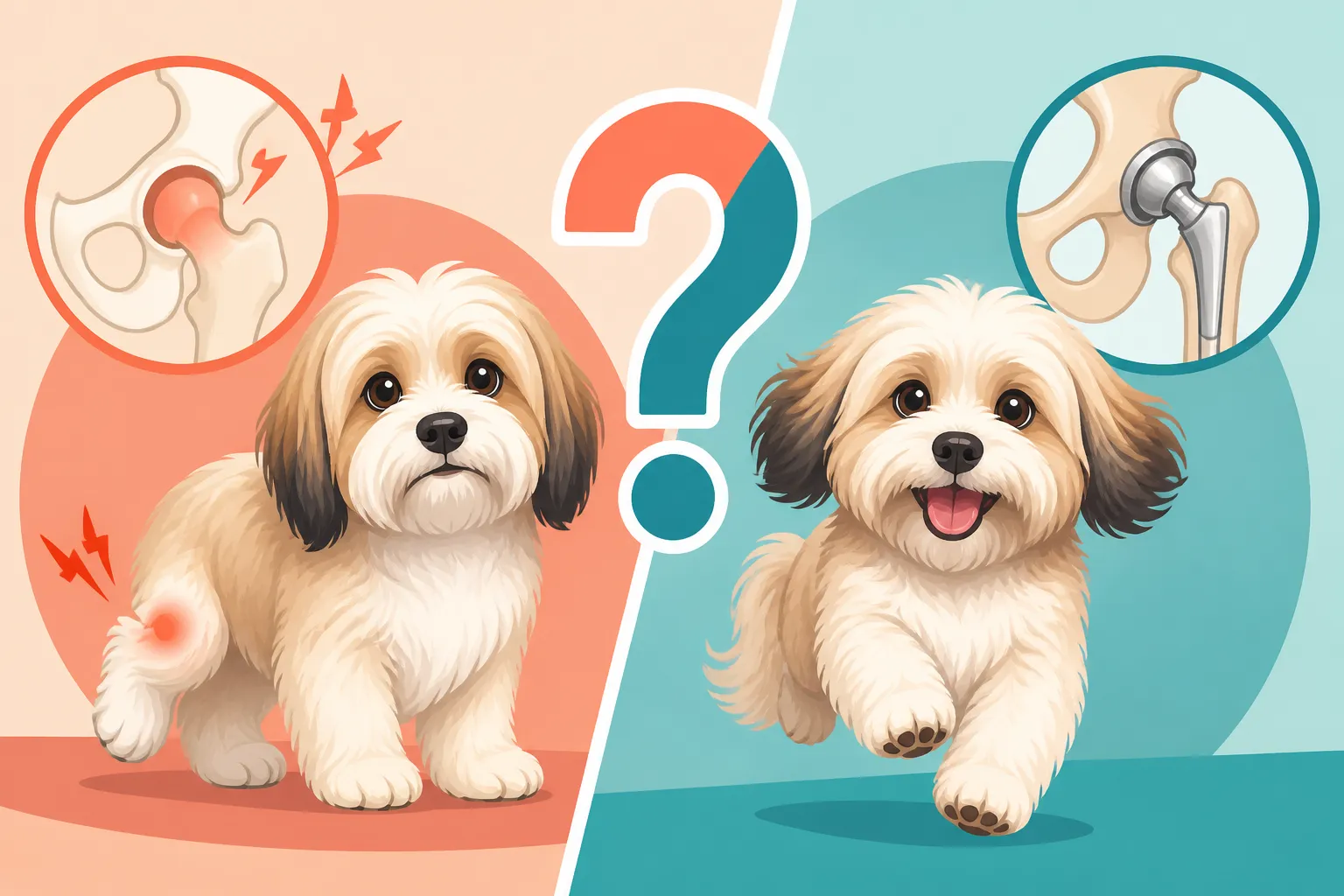
While FHO is the most common surgical intervention for LCPD in Havanese, it's worth briefly touching on other options, primarily Total Hip Replacement (THR). THR involves replacing both the ball (femoral head) and socket (acetabulum) components of the hip joint with prosthetic implants.
For larger breeds, THR is often considered the "gold standard" for hip problems as it completely reconstructs a functional joint. However, for small breeds like the Havanese, THR is far less common. The implants are very small and technically challenging to place, making the procedure more specialized, expensive, and with a higher risk of complications specific to the size of the implants. Therefore, FHO remains the preferred and more practical surgical choice for Havanese suffering from LCPD, offering excellent outcomes with fewer complications and typically lower costs. It's truly a procedure well-suited to the anatomy and activity level of a small, active dog.
| Treatment Type | Description | Typical Candidates (Havanese) | Pros | Cons |
|---|---|---|---|---|
| Conservative | Pain meds, rest, physical therapy, weight management, joint supplements | Very early LCPD, mild symptoms, owners unable to pursue surgery | Non-invasive, potentially avoids surgery | May not fully resolve pain, disease can progress, often temporary relief |
| FHO (Femoral Head Ostectomy) | Surgical removal of the femoral head and neck; body forms a false joint | Most LCPD cases, especially after conservative failure, small breeds | Eliminates bone-on-bone pain, good functional recovery, suitable for Havanese | Requires significant rehabilitation, may have slight gait alteration, surgery risk |
| THR (Total Hip Replacement) | Replacement of ball and socket with prosthetic implants | Rarely for Havanese; typically larger breeds, severe conditions | Creates true anatomical joint, excellent functional outcome | Highly specialized, very expensive, higher complication risk for small dogs |
This table provides a quick overview, but remember, every Havanese is unique. Always discuss these options in detail with your trusted veterinarian to make the most informed decision for your beloved companion. Pet insurance, such as plans from Healthy Paws, can often cover a significant portion of these veterinary costs, whether it's for conservative management, FHO, or even the less common THR, ensuring you can prioritize your Havanese's health without added financial stress.
Disclaimer
This article is intended for informational purposes only and does not constitute medical advice. Always consult with a qualified veterinarian for any health concerns or before making any decisions about your Havanese's care, diet, or treatment plans.