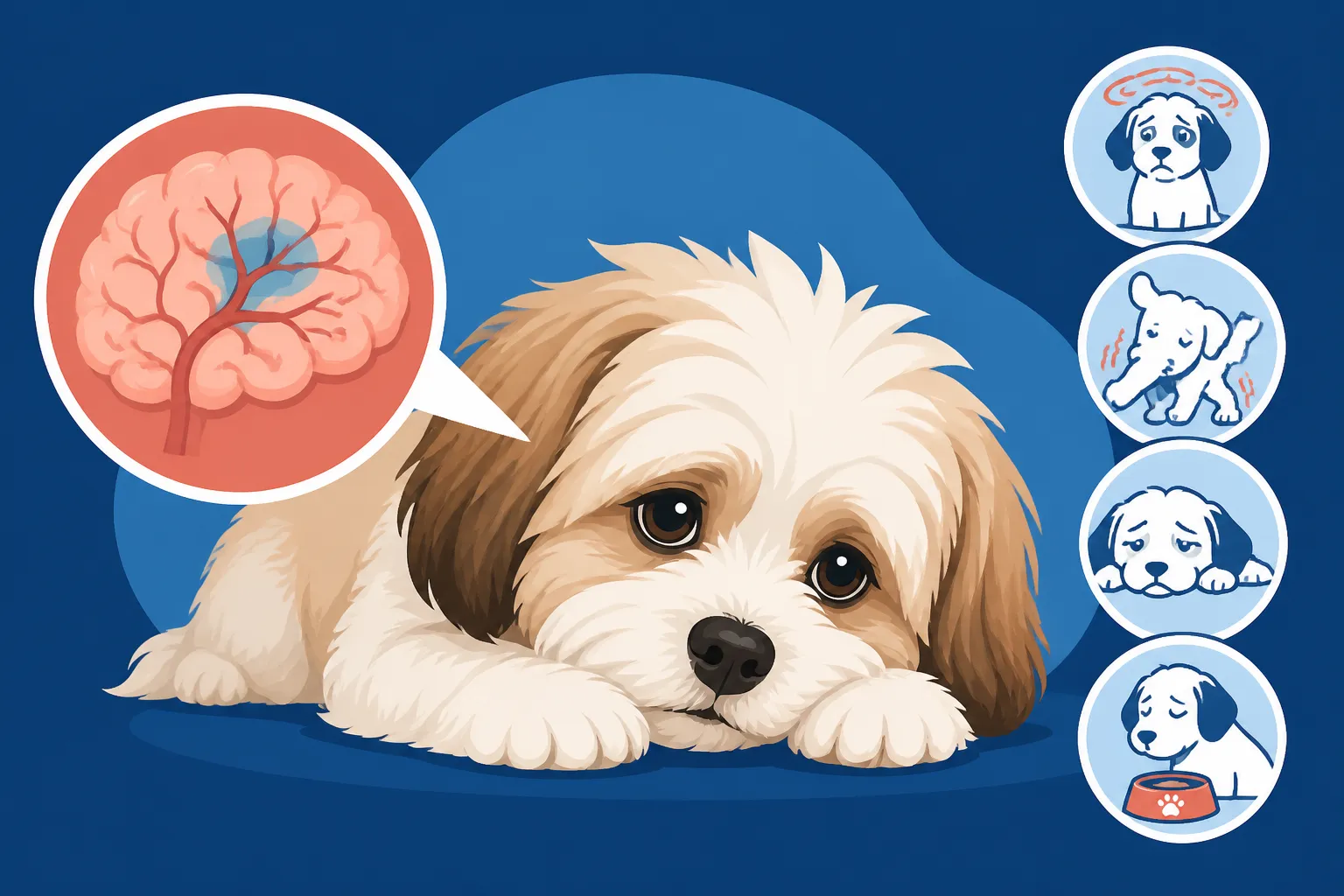
The Signs a Havanese Puppy Has a Shunt
It’s truly heartbreaking when you bring home a new Havanese puppy, full of dreams for a playful, healthy companion, only to realize something just isn’t quite right. That tiny bundle of fluff might be lethargic, struggle to grow, or even exhibit puzzling behaviors that leave you worried sick. When these unsettling signs appear, one serious condition that often crosses a veterinarian's mind, and rightly so, is a liver shunt, also known as a portosystemic shunt (PSS). This comprehensive guide is here to walk you through the subtle and more overt signs that your precious Havanese puppy might be suffering from this complex health issue, helping you understand what to look for and when to seek urgent veterinary care.
Understanding What a Liver Shunt Is
Before we dive into the specific signs, it helps to understand what a liver shunt actually is. Imagine your liver as the body's super-filter, diligently cleaning toxins from the blood before it circulates throughout the body. In a normal dog, blood from the intestines goes directly to the liver through the portal vein for this crucial detoxification process. However, with a liver shunt, an abnormal blood vessel essentially bypasses the liver, allowing toxins to flow directly into the systemic circulation, impacting nearly every organ, especially the brain.
This condition is usually congenital, meaning a puppy is born with it, though sometimes it can develop later in life. For Havanese puppies, a congenital shunt is the more common concern. It's not something that just "goes away" on its own, and the symptoms can range from mild and intermittent to severe and life-threatening. The good news is that recognizing these signs early can make a profound difference in your puppy's prognosis, as many cases can be managed or even corrected with proper veterinary intervention. We've talked extensively about What a Congenital Liver Shunt Does to a Havanese, and it’s a lot to process.
Types of Liver Shunts in Havanese Puppies
There are primarily two types of congenital liver shunts that can affect Havanese puppies, and understanding the distinction can sometimes shed light on the presentation of symptoms, though the ultimate diagnosis often requires specialized imaging.
Intrahepatic Shunts
These shunts occur inside the liver itself, meaning the abnormal blood vessel is located within the liver tissue. Intrahepatic shunts are often more common in larger breeds, but they can certainly appear in smaller dogs like Havanese. Because they are nestled within the liver, they can sometimes be more challenging to surgically correct. The symptoms often develop because the liver simply isn't receiving enough blood flow to develop properly or to perform its filtering duties effectively. You might see a puppy that just never quite thrives, remaining smaller and weaker than its littermates despite a good appetite, or showing more profound neurological signs as toxins build up.
Extrahepatic Shunts
Extrahepatic shunts are the more common type seen in smaller breeds like our beloved Havanese. These abnormal vessels are located outside the liver. This means that instead of blood flowing directly into the liver, it takes a detour around it before joining the main circulation. The symptoms from extrahepatic shunts can be quite varied, from subtle signs that might be dismissed as a "picky eater" or a "small for his age" puppy, to very dramatic neurological crises. Surgical correction for extrahepatic shunts tends to have a better prognosis than for intrahepatic ones, largely due to their more accessible location. Knowing The Age a Havanese Shunt Shows Up can be crucial for early detection.
Physical Indicators of a Liver Shunt
When you're dealing with a liver shunt, some of the earliest signs often manifest physically, hinting that something isn't right with your Havanese puppy's overall development and well-being. These can be easy to overlook or attribute to other common puppy woes, but if they persist or occur together, they warrant immediate veterinary attention.
Stunted Growth and Low Body Weight
One of the most common and often first noticeable signs of a liver shunt in a Havanese puppy is a failure to thrive. Your puppy might simply be significantly smaller than its littermates, even if it's eating well. It’s not just about being a little runtier; it's a noticeable lack of growth and inability to gain weight, leading to a perpetually skinny or underdeveloped appearance.
You might notice that while its siblings are chunky and robust, your Havanese puppy remains lean, almost fragile. Despite consuming the same amount of food, or sometimes even more, it just doesn't put on muscle or fat like it should. This happens because the liver, which plays a vital role in metabolism and nutrient absorption, isn't functioning correctly. Essential nutrients aren't being processed, and calories aren't being utilized efficiently. It can be incredibly frustrating for owners who are trying their best to feed their puppy, only to see no noticeable improvement in its size or weight. This is a common indicator that often prompts owners to ask Whether a Havanese Puppy With a Shunt Is Small.
Poor Coat Quality and Dull Eyes
Another physical sign that can sometimes accompany a liver shunt is a noticeable difference in coat quality and the overall vibrancy of the puppy's eyes. Your Havanese is known for its beautiful, silky double coat, but a puppy with a shunt might have a coat that looks dull, dry, brittle, or sparse, lacking that characteristic luster.
This isn't just a cosmetic issue; it's often a reflection of internal health. A poorly functioning liver can impact skin and coat health, as the body struggles to process essential fats, vitamins, and minerals necessary for a healthy coat. Similarly, the puppy's eyes might lack sparkle, appearing dull or listless. They may even have a somewhat cloudy or tired appearance, rather than the bright, alert eyes you'd expect from a vibrant Havanese puppy. Combined with stunted growth, these signs paint a picture of a puppy struggling to thrive, indicating a systemic issue that needs investigation.
Lethargy and Weakness
Havanese puppies are typically full of playful energy, darting around and exploring their world with boundless enthusiasm. If your Havanese puppy seems unusually quiet, less active than its littermates, or tires very quickly after even short bursts of play, it could be a warning sign. This persistent lethargy and weakness are often due to the accumulation of toxins in the bloodstream, particularly ammonia, which can suppress the central nervous system.
You might notice your puppy sleeping more than is typical, even for a young pup, or showing a general disinterest in games or toys that would normally excite it. When it does move, its movements might be slow, uncoordinated, or simply lacking the typical puppy bounce. This isn't just a "lazy" puppy; it's a puppy whose body is struggling under the burden of unprocessed waste products. If your Havanese puppy struggles to keep up, seems constantly tired, or is noticeably weaker during gentle handling, it’s a clear signal to consult your vet.
Neurological Symptoms of a Liver Shunt
Perhaps the most alarming and indicative signs of a liver shunt are those affecting the nervous system. These neurological symptoms arise directly from the brain being exposed to toxins that the liver should have filtered out. They can be sudden, frightening, and range in severity.
Circling and Disorientation
One peculiar neurological sign to watch for is circling or disoriented behavior. A Havanese puppy with a shunt might suddenly start walking in circles, often in one direction, seemingly without purpose. They might bump into furniture, stare blankly into space, or appear confused about their surroundings, even in familiar environments.
This disorientation isn't merely clumsiness; it's a sign of hepatic encephalopathy, a brain dysfunction caused by the liver's inability to remove toxins from the blood. Ammonia, in particular, can be highly neurotoxic. The puppy's brain simply isn't getting the clean blood it needs to function correctly. Owners might describe their puppy as "zoning out" or "acting strangely." They may not respond to their name or familiar cues, or they might seem generally unaware of what's going on around them. When you see your Havanese puppy exhibiting this kind of aimless wandering or confusion, it's a strong red flag. This kind of symptom might make you wonder Whether a Havanese Circles or Presses Its Head.
Head Pressing and Seizures
Even more concerning are behaviors like head pressing and actual seizures. Head pressing involves the puppy compulsively pressing its head against a wall, corner, or piece of furniture. It's a distressing sight and suggests a severe neurological disturbance, often related to discomfort or pressure in the brain.
In more advanced cases, or during periods of high toxin accumulation (often after meals, when the digestive process produces more ammonia), a Havanese puppy with a shunt can experience seizures. These seizures can vary:
- Focal seizures: Might involve twitching of one side of the face or a limb.
- Generalized seizures: Can manifest as full-body convulsions, loss of consciousness, paddling of limbs, and uncontrolled urination or defecation.
A seizure is a terrifying event for any pet owner, and in a puppy, it's an emergency. If your Havanese puppy experiences a seizure, even a mild one, it's imperative to seek immediate veterinary care. These are undeniable signs that the central nervous system is in distress, often indicating a significant buildup of toxins. It's important to differentiate these from other causes of seizures, but given other shunt symptoms, it's highly suspect. Many owners want to know Whether a Havanese Seizures From a Shunt, and sadly, it's a distinct possibility with this condition.
Ataxia and Weakness in Hind Limbs
Another neurological sign that can indicate a liver shunt is ataxia, which refers to a lack of muscle coordination. This might present as an unsteady gait, stumbling, or appearing "drunk" when walking. For a Havanese, known for their agile and springy movement, this unsteadiness is quite concerning.
You might observe a particular weakness or uncoordinated movement in their hind limbs, causing them to drag their feet, knuckle over, or struggle to maintain balance. This neurological impairment is directly linked to the brain's inability to properly control motor functions due to the toxic overload. They might struggle with stairs, or even just navigating smooth floors. This progressive loss of coordination and strength can significantly impact their quality of life and their ability to move around safely. If you notice your Havanese puppy consistently struggling with its balance or showing unusual weakness, especially in the back legs, it's another sign that warrants thorough investigation by your veterinarian.
Gastrointestinal and Urinary Clues
While neurological signs are often the most dramatic, liver shunts can also manifest through a variety of gastrointestinal and urinary symptoms. These might be a bit more subtle at first, easily confused with common puppy ailments, but their persistence or combination with other signs should raise concern.
Vomiting and Diarrhea
Like any puppy, a Havanese can occasionally have an upset tummy, but chronic or recurrent episodes of vomiting and diarrhea are not normal. A Havanese puppy with a liver shunt might experience persistent vomiting, especially after meals, or bouts of diarrhea that are difficult to resolve.
These symptoms can be related to the accumulation of toxins that irritate the digestive system, or to the liver's inability to properly produce bile acids needed for digestion. The body is essentially trying to rid itself of substances it can't process, leading to gastrointestinal distress. It can be incredibly disheartening for owners to continuously clean up messes and worry about their puppy's nutrition. If your Havanese puppy is frequently throwing up or having loose stools, and these issues aren't easily fixed with a bland diet or a simple deworming, a liver shunt should definitely be on the list of possibilities for your vet to investigate.
Increased Thirst and Urination
Another set of symptoms that owners often notice relates to water intake and urination habits. A Havanese puppy with a liver shunt might seem excessively thirsty, constantly seeking out water. This increased thirst often leads to increased urination, meaning more frequent trips outside or more accidents indoors if they're not fully housetrained.
The reason behind this can be complex. Sometimes, the kidneys work overtime to try and flush out the accumulated toxins that the liver isn't handling. Also, some puppies with shunts can develop urinary stones, particularly urate stones, due to abnormal metabolism of certain waste products. These stones can cause irritation, leading to more frequent urges to urinate, or even painful urination. If you find yourself refilling the water bowl constantly and your Havanese puppy is having significantly more accidents, or if you notice any straining or blood in the urine, it’s a critical sign that needs veterinary attention. These changes can often lead to further investigation into Whether a Havanese Gets Bladder Stones.
Behavioral and Other Subtle Warnings
Beyond the overt physical and neurological signs, a liver shunt can also cause more subtle behavioral changes or other less common symptoms that, when pieced together, can form a clearer picture for discerning owners.
Dullness and Disinterest
While a Havanese puppy should be bright, alert, and eager to interact, a pup with a liver shunt might exhibit a general dullness or disinterest in its surroundings. This isn't just lethargy; it's a lack of engagement, a sort of mental fogginess that prevents them from fully participating in typical puppy activities.
They might seem less responsive to their name, not as keen on playtime, or simply content to lie quietly while their littermates or other pets are romping around. This behavioral shift often comes from the chronic toxic load impacting their brain function, making it harder for them to focus, learn, or even feel like playing. It can be easy to mistake this for a calm or laid-back temperament, especially if you haven't seen them interact with other puppies. However, if this dullness is coupled with other symptoms, it becomes a much more serious concern, suggesting that their brain isn't receiving the optimal environment it needs to thrive.
Sensitivity to Certain Medications or Anesthesia
This is a less common "sign" that owners might observe, but it's crucial for veterinary staff to be aware of. Puppies with liver shunts have a compromised ability to metabolize drugs. If a Havanese puppy with an undiagnosed shunt undergoes a routine procedure requiring anesthesia, or is given certain medications, they might react unusually strongly or have prolonged recovery times.
The drugs that would normally be processed and eliminated by a healthy liver can accumulate in the system of a puppy with a shunt, leading to overdose or severe side effects. This is why a thorough pre-anesthetic blood panel, which can sometimes reveal elevated liver enzymes or abnormal kidney values, is so important. If your Havanese puppy has had an unusual reaction to any medication or anesthesia in the past, or if your vet notes anything concerning during pre-surgical screenings, it's another reason to consider a shunt. It's why we always discuss Whether a Havanese Reacts Badly to Anesthesia when considering surgery.
Diagnosing a Liver Shunt in Your Havanese Puppy
If you've noticed several of these concerning signs in your Havanese puppy, the next crucial step is getting a definitive diagnosis from your veterinarian. It’s a process that usually involves several stages, moving from initial suspicion to confirmation.
Initial Veterinary Examination and Blood Work
Your journey to diagnosis will start with a thorough physical examination by your vet. They will listen to your concerns, palpate your puppy’s abdomen, and likely recommend a comprehensive blood panel. Standard blood tests might show some tell-tale signs:
- Elevated Liver Enzymes: While not always specific, these can indicate liver distress.
- Low Albumin: A protein produced by the liver, low levels can suggest liver dysfunction.
- Low Blood Urea Nitrogen (BUN): This is a waste product usually processed by the liver and kidneys; low levels can indicate the liver isn't doing its job.
- Small Red Blood Cells (Microcytosis): Sometimes seen in PSS cases.
However, the most important diagnostic blood test for a suspected liver shunt is the bile acid stimulation test. This test measures how well the liver processes bile acids. The puppy is fasted, a blood sample is taken, then a small meal is given, and a second blood sample is taken a few hours later. In a healthy puppy, bile acid levels should rise and then fall as the liver processes them. In a puppy with a shunt, these levels will often remain abnormally high because the bile acids are not being properly cleared by the liver. Many breeders understand the importance of asking Whether a Havanese Breeder Should Bile Acid Test their puppies if there are concerns.
Advanced Imaging: Ultrasound and Portography
Once the bile acid stimulation test suggests a shunt, the next step is typically advanced imaging to locate and characterize the abnormal vessel. This is where the real detective work begins.
Abdominal Ultrasound
An abdominal ultrasound is often the first imaging choice. It’s non-invasive and provides a visual map of the liver and surrounding blood vessels. An experienced ultrasonographer can often identify the abnormal vessel bypassing the liver, determining if it's intrahepatic or extrahepatic, and its exact location. This information is vital for surgical planning. It can also help rule out other conditions that might cause similar symptoms. While not always definitive for every shunt, it's an excellent starting point and can provide a lot of information without subjecting your puppy to more invasive procedures.
CT Angiography or Portography
For a definitive diagnosis and precise surgical planning, particularly for complex cases or when an ultrasound is inconclusive, your vet might recommend a CT angiography or a portogram.
- CT Angiography: This involves injecting a contrast dye into a vein and then performing a CT scan. The dye highlights the blood vessels, providing incredibly detailed 3D images of the abnormal shunt vessel and its connection to the main circulatory system. This is currently considered the gold standard for accurately mapping a shunt.
- Portography: This involves surgically injecting contrast dye directly into a vessel of the portal system (usually during an exploratory laparotomy) and taking X-rays. While more invasive than CT, it provides a clear picture of the portal circulation and the shunt.
These advanced imaging techniques are critical because they guide the surgeon in determining the best course of action. They allow the surgical team to meticulously plan how to either completely close the shunt or partially restrict its blood flow, which is paramount for a successful outcome.
| Symptom Category | Common Signs to Watch For | When to Be Concerned |
|---|---|---|
| Physical | Stunted growth, low weight, poor coat, lethargy, weakness | Persistent underdevelopment, chronic fatigue, noticeable difference from littermates. |
| Neurological | Circling, disorientation, head pressing, seizures | Any sudden onset of confusion, compulsive head pressing, or seizure activity (immediate vet visit needed). |
| Gastrointestinal | Chronic vomiting, recurring diarrhea, picky eating | Persistent digestive upset not responding to typical treatments, especially if linked to meals. |
| Urinary | Increased thirst, frequent urination, accidents, possible stones | Excessive water intake and urination, straining to urinate, blood in urine. |
| Behavioral | Dullness, disinterest, unusual calm, lack of puppy enthusiasm | Consistent lack of engagement, seeming "out of it," reduced desire to play or interact. |
| Other | Bad reaction to medication/anesthesia | Any unusual or severe reaction to drugs that are typically well-tolerated (should be noted to vet immediately). |
Managing and Treating a Havanese Puppy with a Shunt
Receiving a diagnosis of a liver shunt can feel overwhelming, but it's important to remember that many Havanese puppies can live long, healthy lives with proper management and, in many cases, surgical intervention. The treatment plan will often involve a combination of dietary changes, medication, and potentially surgery.
Dietary Management and Medications
For many puppies, especially those awaiting surgery or for whom surgery isn't an option, medical management is the first line of defense. The cornerstone of this approach is a specialized diet and specific medications aimed at reducing toxin production and absorption.
Low-Protein, Easily Digestible Diet
The primary goal of dietary management is to reduce the amount of ammonia and other toxins produced during digestion. This means feeding a high-quality, easily digestible, prescription diet that is moderately restricted in protein. Foods that are too high in protein break down into more ammonia, which the shunting liver can't process.
Your vet will likely recommend a therapeutic diet specifically formulated for liver support. Brands like Royal Canin or Hill's offer prescription diets designed for liver disease that are tailored to minimize toxin production while still providing adequate nutrition for growth. Feeding small, frequent meals throughout the day can also help prevent large spikes in ammonia levels that can trigger neurological symptoms. It’s a careful balance to ensure they get enough nutrients to grow while minimizing the burden on their liver. Many owners explore options like Whether Diet Alone Manages a Havanese's Shunt for their pups.
Lactulose and Antibiotics
Alongside diet, specific medications play a vital role:
- Lactulose: This is a synthetic sugar that works in two ways. First, it helps draw water into the colon, softening stool and encouraging more frequent bowel movements, which helps to excrete toxins. Second, and crucially, it acidifies the colon, which traps ammonia ions, preventing them from being reabsorbed into the bloodstream. It effectively acts as a "scavenger" for ammonia.
- Antibiotics: Oral antibiotics, such as metronidazole or ampicillin, are often prescribed to reduce the number of ammonia-producing bacteria in the gut. By lowering the bacterial load, less ammonia is created in the first place, further reducing the toxic burden on the brain.
These medications are typically given long-term and can significantly improve the quality of life for puppies with shunts, making them feel much better and often reducing or eliminating neurological signs.
Surgical Correction of the Shunt
For many Havanese puppies with extrahepatic shunts, surgical correction offers the best long-term prognosis, potentially curing the condition. The goal of surgery is to close or constrict the abnormal vessel, forcing blood to flow through the liver as it should. We've previously discussed Whether a Havanese's Shunt Can Be Closed Surgically, and for many, it's a viable path forward.
The Surgical Procedure
The most common surgical approach for extrahepatic shunts involves either completely ligating (tying off) the abnormal vessel or gradually constricting it using an ameroid constrictor or cellophane banding.
- Ligation: If the liver can handle the sudden influx of blood flow, the shunt vessel might be completely tied off during surgery. This is often done if the shunt is small and the liver is relatively healthy.
- Ameroid Constrictor or Cellophane Banding: More commonly, especially in smaller breeds, a device called an ameroid constrictor or a piece of cellophane is placed around the shunt vessel. An ameroid constrictor contains a case of casein, which absorbs fluid and swells over several weeks, slowly closing the shunt. Cellophane banding works similarly, inducing fibrosis around the vessel to gradually close it. This slow closure allows the liver time to adapt to the increased blood flow, reducing the risk of portal hypertension, a dangerous complication.
The surgeon will typically perform an exploratory laparotomy to locate the shunt and then apply the chosen method. Post-operatively, careful monitoring and continued dietary management are essential during the recovery period, which can last several weeks or months.
Prognosis and Potential Complications
The prognosis for Havanese puppies undergoing successful surgical correction of an extrahepatic shunt is generally good, with many going on to live normal, healthy lives. However, like any major surgery, there are potential complications.
- Portal Hypertension: This is a serious risk if the shunt is closed too quickly, causing a sudden increase in blood pressure within the portal vein system. This can be life-threatening.
- Seizures: Even after successful surgery, some puppies may experience post-operative seizures, requiring careful management with anticonvulsant medications.
- Residual Shunting: In some cases, the shunt may not completely close, or other smaller shunts may develop.
Despite these risks, the benefits of surgery often far outweigh the downsides, offering the best chance for a full recovery and a life free from chronic symptoms. Understanding What Shunt Surgery Costs a Havanese Owner is also a crucial consideration, as it can be a significant investment, often prompting owners to look into pet insurance options from providers like Healthy Paws to help cover these specialist veterinary expenses. Many Havanese owners find peace of mind knowing they have support for their pet's health needs, and insurance often helps make critical treatments more accessible. Indeed, the goal is for your Havanese to eventually be able to enjoy a normal life, which makes discussing Whether a Havanese Lives Normally After Shunt Surgery so important for owners during this challenging time.
Life After Diagnosis: Ongoing Care and Support
A liver shunt diagnosis, whether managed medically or surgically, requires ongoing care and vigilance. It’s a commitment, but one that Havanese owners are typically more than willing to make for their beloved companions.
Regular Monitoring and Follow-Up
Regardless of whether your Havanese puppy undergoes surgery or is managed solely with diet and medication, regular veterinary check-ups and monitoring are absolutely crucial. These follow-up appointments typically include repeat bile acid stimulation tests, regular blood work to check liver function and general health, and potentially follow-up imaging (especially after surgery).
Your vet will want to ensure that medical management is effective in controlling symptoms and that any surgical closure is progressing as expected. They'll monitor your puppy's growth, weight gain, and overall energy levels. It’s also important to keep a detailed log of any symptoms you observe at home, noting how often they occur and their severity, to share with your vet. This consistent communication and adherence to the follow-up schedule are vital for catching any potential issues early and adjusting treatment plans as needed. Knowing when What a Bile Acid Test Costs on a Havanese Puppy will be performed can help you budget for these necessary follow-up diagnostics.
Lifestyle Adjustments and Enrichments
Living with a Havanese that has a liver shunt means making some thoughtful adjustments to their daily life to ensure their comfort and well-being. This might mean avoiding certain foods or treats that could exacerbate their condition. While they should still enjoy being a dog, overly strenuous activities, especially if they are prone to neurological symptoms, might need to be moderated.
Enrichment activities become even more important. Gentle play, puzzle toys that don't overstimulate, and consistent, calm routines can help. Providing a stable, predictable environment can reduce stress, which is beneficial for any dog with a chronic health condition. Your Havanese might not be the most boisterous puppy in the park, but with your love and careful management, they can still enjoy a wonderfully fulfilling life as a cherished family member. Pet insurance providers, like Healthy Paws, recognize the commitment owners make to their pets' long-term health, and they often provide resources and support to help manage chronic conditions.
Supporting Your Havanese and Yourself
It’s completely normal to feel a range of emotions when dealing with a puppy diagnosed with a liver shunt. Fear, anxiety, and even guilt are common, but remember you are doing everything you can. Seek support from your veterinary team, and if possible, connect with other Havanese owners who have navigated similar challenges. There are online communities and forums where you can share experiences and gain valuable insights.
The journey with a Havanese puppy who has a shunt can be challenging, but it’s also incredibly rewarding. Seeing your pup improve, grow, and thrive despite the odds is a testament to your dedication and the amazing resilience of these little dogs. Remember to celebrate the small victories, lean on your support system, and know that you’re providing the best possible care for your furry family member.
Disclaimer
This article is intended for informational purposes only and does not constitute veterinary advice. If you suspect your Havanese puppy has a liver shunt or is exhibiting any concerning symptoms, please consult with a qualified veterinarian immediately for accurate diagnosis and treatment.