Hereditary Cataracts in a Havanese
It’s truly heartbreaking when you notice something isn't quite right with your beloved Havanese's eyes. You might catch a slight cloudiness, or perhaps your energetic pup seems a little less confident navigating familiar spaces. If you've ever worried about your Havanese developing blurry vision, you're not alone. This guide will walk you through everything you need to know about hereditary cataracts in Havanese, from spotting the first signs to understanding treatment options and responsible breeding practices.
Understanding Hereditary Cataracts in Havanese
When we talk about cataracts, especially in a breed like the Havanese, it's easy to feel overwhelmed. There's a lot of information out there, and separating fact from fear can be tough. But truly understanding what cataracts are and why they appear in our furry companions is the first step toward managing them.
What Exactly Are Cataracts?
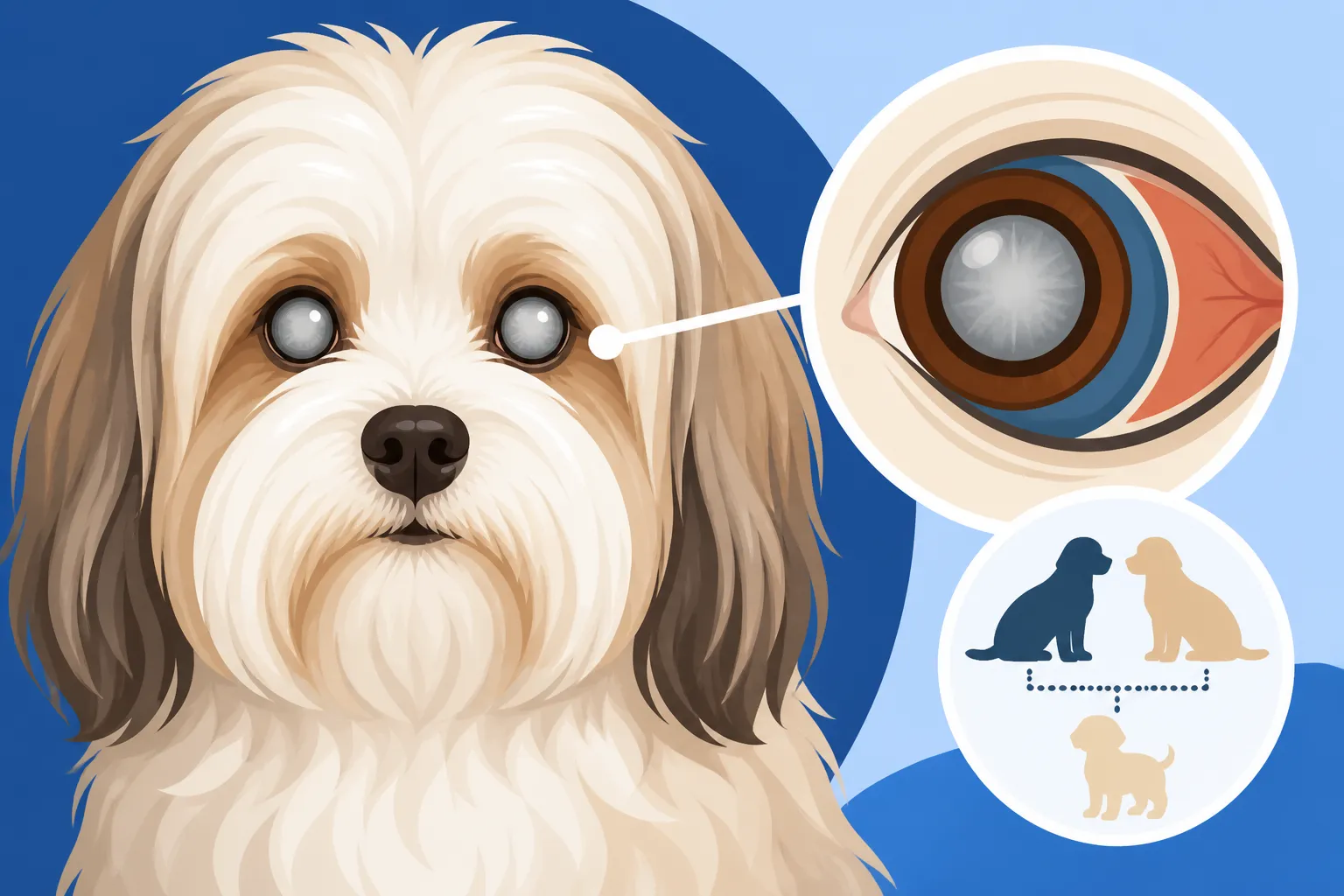
At its simplest, a cataract is an opacity or cloudiness that develops in the lens of the eye. Think of your Havanese's eye like a tiny, intricate camera. The lens, normally clear, is designed to focus light onto the retina at the back of the eye, much like a camera lens focuses an image onto film or a sensor. When a cataract forms, this clear lens becomes cloudy, obstructing the passage of light. It's like having a smudged or frosted pane of glass in front of that camera lens – the image that reaches the retina becomes blurry, distorted, or even completely blocked in severe cases.
This cloudiness isn't just on the surface; it's within the lens itself, affecting the internal structure. It can vary in size and density, from a tiny speck that barely impacts vision to a dense, opaque mass that can cause significant visual impairment or even blindness. The progression can be slow, developing over months or years, or it can happen quite rapidly, leaving you scrambling to understand what's happening to your dog's sight.
Why "Hereditary" Matters in Havanese
The term "hereditary" is key when discussing cataracts in Havanese. Unlike some other forms of cataracts that might be caused by injury, diabetes, or old age, hereditary cataracts mean there's a genetic predisposition passed down through generations. This isn't just bad luck; it's a part of their genetic blueprint. For Havanese owners, this distinction is incredibly important because it means that even with the best care and nutrition, a Havanese with the inherited genes can still develop cataracts.
It also highlights the critical role of responsible breeding. If a breeder isn't screening their breeding stock for genetic eye conditions, they could unknowingly be perpetuating the problem. This isn't a fault of the dog, of course, but a complex issue rooted in genetics. Knowing that a cataract is hereditary helps you, as an owner, advocate for your dog's health and understand the potential risks that might come with their lineage. It also means that if your dog develops them, it's not a reflection of anything you did wrong, but rather a genetic lottery. For more on genetic health, you might want to read about The Eye Diseases a Havanese Inherits.
Different Types of Cataracts
While all cataracts involve lens opacity, they aren't all created equal. They can be classified in a few ways, often by their location in the lens, their age of onset, or their underlying cause.
- Incipient Cataracts: These are small, localized opacities that cover less than 15% of the lens. They usually don't interfere significantly with vision and might be noticed only during a specialized eye exam.
- Immature Cataracts: These involve more of the lens (15-99%) but still allow some light to pass through, meaning the dog still has some functional vision. The eye's tapetum (the reflective layer at the back of the eye) can still be seen by an ophthalmologist.
- Mature Cataracts: This is when the entire lens becomes opaque, blocking all light and leading to blindness. The tapetum can no longer be seen.
- Hypermature Cataracts: In this advanced stage, the lens material starts to shrink or liquefy. This can lead to complications like lens-induced uveitis (inflammation inside the eye) or even glaucoma, which are very painful and can cause permanent damage.
For Havanese specifically, hereditary cataracts often appear as bilateral cataracts, meaning they affect both eyes, though they might not progress at the same rate. They can also be categorized by their age of onset, such as juvenile (appearing early in life) or adult-onset. Understanding these classifications helps your vet predict progression and recommend the best course of action.
Recognizing the Early Signs and Symptoms
One of the toughest parts of being a Havanese parent is that our furry friends can’t tell us when something is wrong. They’re masters of masking discomfort, especially when it comes to vision changes. This means we have to be extra vigilant and pay close attention to subtle shifts in their behavior or the appearance of their eyes. Catching hereditary cataracts early can make a big difference in management and treatment outcomes.
Subtle Changes You Might Miss
Initially, the signs of cataracts can be incredibly subtle, easily dismissed as a dog just being a dog. You might notice a very slight cloudiness in one or both eyes, almost like a faint haze, that’s only visible in certain lighting conditions. It’s not always a dramatic white film that appears overnight. Sometimes, it's just a glint that seems a bit off when light catches their eyes, or perhaps one pupil looks slightly different from the other.
Think about how you look at your Havanese's eyes every day. Are they usually bright, clear, and sparkling? If you start to see a dullness or a smoky appearance, especially in the center of the pupil, it's worth a closer look. These initial changes might not affect their vision much, if at all, which is why your Havanese might act completely normal. But don't let that fool you; even a tiny opacity can grow. Regularly checking your Havanese's eyes as part of their grooming routine can help you spot these changes early. For instance, while you're carefully tending to their flowing locks, take a moment to peer into their eyes.
Behavioral Clues Your Havanese Might Offer
As cataracts progress and vision becomes more impaired, your Havanese will likely start to show behavioral changes. These are often their way of telling you they’re struggling, even if they can't voice it.
- Hesitation: They might hesitate before jumping off furniture they once easily cleared or seem unsure when approaching stairs. That confident leap turns into a cautious step. You might notice them bumping into familiar objects, particularly in low light, or appearing startled by things that were never an issue before.
- Clumsiness: You might see them misjudge distances, tripping over rugs, or bumping into doorframes. Fetch might become a game of "where did the ball go?" even if it landed right in front of them.
- Changes in Play: A Havanese who loved chasing toys might lose interest, not because they're tired, but because they can't see the toy as clearly. They might rely more on scent and sound than sight during play.
- Reduced Activity in Dim Light: Dogs with cataracts often struggle more in dimly lit environments. They might be reluctant to go outside at dusk or might stick closer to well-lit areas in the house.
- Increased Anxiety or Startle Response: Being unable to see clearly can be frightening. Your Havanese might become more anxious, clingy, or even snap if approached unexpectedly, especially from their "blind" side.
- Reluctance to explore new places: If you take them somewhere new, they might stick right by your side, reluctant to venture out, even if they used to be quite adventurous.
These behaviors aren't definitive proof of cataracts, but they are strong indicators that something is affecting your Havanese's vision and warrants investigation.
When to See the Vet
The moment you suspect anything is off with your Havanese's eyes, don't delay. While some conditions can wait, eye issues often can't. If you notice any cloudiness, discoloration, discharge, redness, or any of the behavioral changes mentioned above, it's time to call your veterinarian.
Your regular vet can perform an initial examination to assess the situation. They'll look for visible opacities, check for signs of inflammation, and test basic vision. However, for a definitive diagnosis of cataracts, and especially to determine if they are hereditary, your vet will likely recommend a consultation with a board-certified veterinary ophthalmologist. These specialists have advanced training and equipment to examine the intricate structures of the eye. They can differentiate cataracts from other conditions that might cause cloudiness, such as nuclear sclerosis (a normal aging change in the lens that usually doesn't impair vision much), and determine the type, stage, and progression rate of any cataracts present. It's a bit like seeing a general practitioner for a cough, but then being referred to a pulmonologist for a detailed lung issue. This specialized care is crucial for accurately diagnosing and planning for hereditary cataracts. They will also be able to conduct a full [yearly eye exam] which is vital for all Havanese.
Diagnosing Hereditary Cataracts
Getting a definitive diagnosis of hereditary cataracts in your Havanese can feel like a daunting journey, but it's a crucial step. It moves you from worrying about "what if" to understanding "what is" and allows you to plan effectively for your dog's future vision health. This process usually involves specialized veterinary care and detailed examinations.
The Importance of a Veterinary Ophthalmologist
While your regular veterinarian is fantastic for general health, when it comes to something as complex and delicate as your Havanese’s eyes, a veterinary ophthalmologist is truly invaluable. These are highly specialized doctors who have undergone extensive additional training specifically in eye diseases and surgery for animals. They have equipment that most general practices simply don't possess, allowing for a much more in-depth and precise examination of every part of the eye.
Think of it this way: your family doctor can check your eyes, but if you needed cataract surgery yourself, you'd go to an ophthalmologist, right? It's the same principle for your Havanese. An ophthalmologist can not only confirm the presence of cataracts but also determine their type, their exact location within the lens, whether they are progressing, and critically, if they are likely hereditary. They can also assess the overall health of the eye and rule out other conditions that might mimic cataracts, such as Progressive Retinal Atrophy in a Havanese, ensuring your Havanese gets the most accurate diagnosis and appropriate treatment plan. This expertise can literally save your dog's sight.
Diagnostic Procedures
When you visit a veterinary ophthalmologist, expect a thorough examination. It's not just a quick peek. Here's what usually happens:
- Ophthalmic Exam: This is the cornerstone. The ophthalmologist will use specialized tools like an ophthalmoscope and a slit lamp biomicroscope to get a magnified, detailed view of all structures of the eye, including the cornea, anterior chamber, iris, lens, and retina. They can pinpoint the exact location and density of the cataracts.
- Pupillary Light Reflex (PLR) and Dazzle Reflex Tests: These tests help assess the function of the retina and optic nerve.
- Tonometry: This measures the intraocular pressure (IOP) within the eye to check for glaucoma, a painful condition that can sometimes occur secondary to cataracts or other eye issues.
- Fundic Exam: After dilating the pupils, the ophthalmologist will examine the back of the eye (the fundus) to check the retina and optic nerve for any abnormalities. This is especially important for assessing potential vision post-cataract surgery.
- Electroretinography (ERG): In some cases, especially before surgery, an ERG might be recommended. This test measures the electrical activity of the retina to ensure it's functioning properly. If the retina isn't working, cataract surgery might not restore useful vision.
- Ocular Ultrasound: If the cataracts are so dense that the ophthalmologist cannot see the back of the eye, an ultrasound can be used to evaluate the retina and look for any detachments or other problems behind the lens.
- Genetic Testing: Since we're talking about hereditary cataracts, genetic testing is increasingly available for certain breeds to identify the specific mutations responsible for inherited cataracts. While not all hereditary cataracts have identified genetic markers yet, if available for Havanese, this can confirm the hereditary nature and inform future breeding decisions. This is an excellent question to ask your vet or ophthalmologist.
Understanding the Stages of Cataract Progression
The ophthalmologist will often classify your Havanese's cataracts into stages, which helps determine the prognosis and the best course of action.
| Stage of Cataract | Description | Vision Impact | Typical Management Considerations |
|---|---|---|---|
| Incipient | Small, localized opacities, affecting less than 15% of the lens. Often only visible with specialized tools. | Minimal to no noticeable impact. | Monitoring, annual eye exams. |
| Immature | Affects 15-99% of the lens. Some light still passes through. | Impaired, but still some functional vision (like looking through a frosted window). | Monitoring, discussion of potential surgical intervention. |
| Mature | Entire lens is opaque, completely blocking light. | Blindness in the affected eye(s). | Surgical intervention often recommended for vision restoration. |
| Hypermature/Resorbing | Lens material shrinks or liquefies. Can lead to secondary complications like inflammation or glaucoma. | Blindness; potential for pain. | Urgent surgical intervention (if eye is healthy enough) or medical management of secondary issues. |
Understanding these stages is vital. An incipient cataract, while a concern because of its hereditary nature, might not require immediate surgical intervention. An immature cataract means your Havanese is losing significant vision, and it might be time to discuss surgery. A mature or hypermature cataract usually means blindness and potentially pain, making surgery or other interventions more pressing. The ophthalmologist will help you navigate what each stage means for your unique Havanese and their quality of life.
Management and Treatment Options
Discovering your Havanese has hereditary cataracts can send your mind spinning with questions about what comes next. Thankfully, there are options, and understanding them will empower you to make the best decisions for your furry family member. It's not just about treating the eyes, but ensuring your Havanese maintains the best possible quality of life.
Medical Management: Is It Possible?
This is a question many Havanese owners ask, hoping for a non-surgical solution. The realistic answer is that medical management cannot reverse or cure cataracts. Once the lens protein becomes cloudy, there's no known medication (drops, pills, or supplements) that can make it clear again. This can be a frustrating truth for owners, as we always want an easy fix for our pets.
However, certain medical therapies might be used to manage secondary conditions that can arise from cataracts, particularly in the later stages. For instance:
- Anti-inflammatory drops: If a cataract becomes hypermature, the lens material can leak and cause inflammation inside the eye (lens-induced uveitis). Anti-inflammatory eye drops or oral medications might be prescribed to control this inflammation, reduce pain, and prevent secondary glaucoma.
- Dilating drops: In some very specific cases, if the cataract is small and centrally located, dilating drops might be used to temporarily open the pupil, allowing more light to pass around the opacity. This is a temporary measure and not a treatment for the cataract itself.
- Antioxidant supplements: While there's no scientific evidence that they can prevent or reverse hereditary cataracts, some vets might suggest certain antioxidant supplements as general eye health support. It's crucial to understand these are not treatments for cataracts.
Ultimately, if the goal is to restore vision, medical management alone won't achieve it. It's primarily for supportive care or managing complications.
Surgical Intervention: When and How
For most Havanese with hereditary cataracts that significantly impair vision, surgical removal is the only effective treatment to restore sight. This is typically recommended when the cataracts are immature or mature and are impacting the dog’s quality of life. The decision to pursue surgery is a significant one, and it involves a thorough discussion with your veterinary ophthalmologist. For more insights, you might consider reading Whether Cataract Surgery Suits a Havanese.
Here’s a breakdown of what to expect:
- Pre-Surgical Evaluation: Before surgery, your Havanese will undergo a series of tests to ensure they are a good candidate. This includes a comprehensive physical exam, blood work, and often an electroretinogram (ERG) to confirm the retina is healthy and capable of vision once the cataract is removed. Ocular ultrasound may also be performed to ensure there are no other issues behind the lens.
- The Procedure: Phacoemulsification: This is the gold standard for cataract surgery in dogs, much like in humans. It involves a very small incision in the cornea. A tiny probe emits ultrasonic waves that emulsify (break up) the cloudy lens into tiny pieces, which are then suctioned out.
- Intraocular Lens (IOL) Implantation: After removing the cataract, an artificial intraocular lens (IOL) is usually implanted. This lens helps focus light onto the retina, restoring clear vision. Without an IOL, the dog would be severely farsighted.
- Anesthesia: As with any surgery, your Havanese will be under general anesthesia, which carries risks. However, veterinary anesthesiology has advanced significantly, making it safer than ever. Your vet team will monitor your dog closely throughout the procedure.
The cost of cataract surgery can be substantial, often ranging from $3,000 to $6,000 per eye, depending on your location and the specific veterinary ophthalmology clinic. This is where pet insurance, like a plan from Healthy Paws, can be an absolute lifesaver. Having a good policy in place could significantly reduce the out-of-pocket expenses for such a vital procedure.
Post-Surgery Care and Expectations
The surgery itself is only part of the journey. The post-operative period is critical for success and requires significant commitment from you, the owner.
- Medication Regimen: Your Havanese will likely go home with multiple eye drops (anti-inflammatory, antibiotic, and sometimes dilating drops) that need to be administered frequently for several weeks, gradually tapering off. Oral medications might also be prescribed. Consistency is key here!
- E-Collar: An Elizabethan collar (e-collar or "cone of shame") is non-negotiable for several weeks to prevent your Havanese from rubbing or scratching their eyes, which could cause serious damage.
- Restricted Activity: Your Havanese will need to avoid strenuous activity, jumping, and rough play for several weeks to allow the eyes to heal properly. Leash walks and quiet time are the order of the day.
- Follow-up Appointments: Regular follow-up appointments with the ophthalmologist are essential to monitor healing, check eye pressure, and adjust medications as needed.
- Potential Complications: While cataract surgery has a high success rate, complications can occur. These might include inflammation, glaucoma (increased eye pressure), retinal detachment, or secondary cataracts (clouding of the lens capsule). Early detection through follow-up visits is vital for managing these issues.
The immediate outcome after surgery is often dramatic; many owners report their Havanese can see almost immediately. However, it's a healing process, and full visual acuity might take time. The long-term prognosis is generally good, with most dogs retaining useful vision for many years after successful surgery. It's a testament to veterinary medicine and your dedication as a Havanese parent.
Living with a Havanese with Cataracts
When your Havanese is diagnosed with cataracts, especially if surgery isn't an immediate option or even if it's successful, you might wonder how life will change. It’s natural to feel concerned, but remember, dogs are incredibly adaptable. With your help and a few adjustments, your Havanese can continue to live a full and happy life, even with impaired vision.
Adapting Your Home Environment
Making your home a safe and navigable space is paramount for a Havanese with vision loss. These small changes can make a huge difference in their confidence and prevent accidents.
- Maintain Consistency: This is probably the most important rule. Try not to rearrange furniture frequently. Your Havanese will build a mental map of their environment, and sudden changes can be disorienting and stressful. If you must move something, guide them around the new layout several times.
- Create Clear Pathways: Keep pathways clear of clutter, especially toys, shoes, or bags that can become tripping hazards. Think about your Havanese's eye level; what looks clear to you might be an obstacle to them.
- Block Off Hazards: Use baby gates to block off stairs, swimming pools, or areas where your Havanese could fall or get lost. This is particularly important if their vision is severely compromised.
- Use Sensory Cues:
- Scent: Place air fresheners, essential oil diffusers (dog-safe ones!), or even just dabs of vanilla extract in consistent spots to help them orient themselves. A specific scent near their food bowl, bed, or outdoor potty area can be very helpful.
- Texture: Place mats or runners with different textures in key areas, such as leading to their food bowl, water dish, or the back door. This tactile feedback can serve as an important guide.
- Lighting: Ensure consistent and adequate lighting. Dim light can be particularly challenging for dogs with cataracts. Consider night lights in hallways or rooms your Havanese frequents during the night.
- Ramps and Steps: If your Havanese used to jump on and off furniture, now might be the time for doggy ramps or steps. This reduces the risk of injury from misjudging a jump, which can be devastating for a dog with limited vision. This also applies to general joint health; consider how to prevent injuries by reviewing topics like Keeping a Havanese Off Furniture It Should Not Jump From.
These adaptations aren't just for safety; they empower your Havanese to navigate their world independently, which boosts their confidence and reduces anxiety.
Supporting Your Dog Emotionally
Vision loss can be scary for dogs, leading to anxiety, confusion, or even depression. Your emotional support is crucial during this time.
- Verbal Cues: Start using more verbal cues to guide your Havanese. "Step up," "watch out," "this way," "stop," and "stairs" can help them anticipate obstacles. Always speak to them before approaching or touching them, especially if they can't see you well, to avoid startling them.
- Consistent Routines: Dogs thrive on routine. Maintain consistent feeding times, walk schedules, and potty breaks. Predictability helps reduce anxiety when other sensory inputs are compromised.
- Touch and Affection: Increase gentle touch and physical affection. Petting, cuddling, and reassuring strokes can provide immense comfort. Your touch becomes their eyes in many ways.
- Enrichment: Don't stop playtime! Focus on toys that engage other senses. Squeaky toys, crinkly toys, puzzle toys that dispense treats, and scent games are excellent ways to keep their minds active and spirits high. Interactive play with you, where you provide verbal cues, is also fantastic.
- Socialization: Continue to socialize your Havanese, but do so carefully. Introduce them to new people and dogs slowly, always on a leash, and with verbal reassurances. Inform others that your Havanese has vision impairment so they approach gently.
- Patience and Understanding: There will be moments of frustration – your Havanese might bump into things, or become confused. Your patience and calm demeanor are vital. Never scold them for vision-related mishaps.
Remember, your Havanese still has a loving heart and a desire for connection. Focusing on strengthening your bond and providing extra comfort will make all the difference.
The Role of Regular Monitoring
Even after a diagnosis or surgery, regular monitoring of your Havanese's eye health is absolutely essential. This isn't a "one-and-done" situation.
- Ongoing Veterinary Ophthalmology Checks: Even after successful cataract surgery, your Havanese will need regular check-ups with the veterinary ophthalmologist. These appointments monitor for post-surgical complications (like glaucoma or retinal detachment) and ensure the artificial lens is functioning correctly. If only one eye was operated on, they'll also keep a close watch on the other eye.
- At-Home Vigilance: Continue to be observant at home. Watch for any changes in the appearance of their eyes (redness, discharge, cloudiness returning, pupil changes) or any new behavioral signs of pain or vision loss. Early detection of complications can often lead to more successful treatment.
- Medication Adherence: If your Havanese is on any long-term eye drops or medications (e.g., for glaucoma or chronic inflammation), strict adherence to the regimen is critical. Missing doses can have serious consequences.
- General Health Checks: Regular wellness exams with your primary veterinarian are also important. Sometimes, systemic diseases (like diabetes) can impact eye health, and your vet can catch these early.
Living with a Havanese with cataracts can be a journey, but with love, attention, and consistent care, your furry friend can continue to bring immense joy to your life. And should new conditions arise, having pet insurance like Healthy Paws can truly alleviate the financial strain, allowing you to focus on what matters most: your dog's well-being. Keeping up with routine checks, as discussed in Whether a Havanese's Eyes Should Be Screened Yearly, is critical.
Preventing Hereditary Cataracts and Responsible Breeding
While you can’t change your Havanese’s genes once they’re born, understanding the hereditary nature of cataracts empowers current and future owners. For the breed as a whole, prevention through responsible breeding practices is the most powerful tool we have. This ensures that the next generation of Havanese puppies has the best possible chance at a long, healthy life with clear vision.
The Crucial Role of Genetic Testing
As science advances, so does our ability to understand and identify genetic predispositions to diseases. For hereditary cataracts in Havanese, genetic testing plays an increasingly important role, though it's important to note that not all specific genetic mutations for all forms of cataracts have been identified across all breeds.
- Identifying Carriers: Genetic tests, when available for a specific type of hereditary cataract, can identify not only affected dogs but also "carriers" – dogs that carry the gene but may not develop the condition themselves or show only mild symptoms. These carriers can still pass the gene on to their offspring.
- Informing Breeding Decisions: For responsible breeders, this information is gold. If a test shows a dog is affected or a carrier, that dog should ideally not be used for breeding. If they are, it should be done very carefully and only with a mate that has been tested clear, to avoid producing affected puppies. The goal is to reduce the prevalence of the gene in the breed gene pool over time.
- Not a Replacement for Eye Exams: It’s crucial to understand that genetic testing is a tool, but it doesn't replace regular, thorough eye examinations by a board-certified veterinary ophthalmologist. Some cataracts are not yet linked to an identified genetic marker, and other eye conditions can still occur. A comprehensive eye exam can detect visible cataracts, regardless of their genetic cause, and identify other potential issues. This is why The Health Tests Both Havanese Parents Should Have always includes eye certification.
Choosing a Reputable Breeder
This is perhaps the single most impactful decision you can make when bringing a Havanese into your life. A responsible breeder is your first line of defense against hereditary conditions like cataracts.
- OFA Eye Certification (CAER/CERF): A reputable Havanese breeder will have their breeding dogs examined by a board-certified veterinary ophthalmologist annually. The results are then submitted to the Orthopedic Foundation for Animals (OFA) Eye Certification Registry (formerly CERF). You should expect to see current, clear certifications for both parents of any puppy you are considering. This certification indicates that the parents were free of observable inherited eye diseases at the time of the examination. You can ask a breeder to show you their dogs' CHIC numbers, which indicate all recommended health testing has been done and results submitted.
- Transparency and Education: A good breeder is open about health concerns in their lines, even if they have had issues in the past. They will educate you on potential health risks in the breed, including cataracts, and explain what they do to mitigate those risks. They should never promise a "guaranteed" healthy puppy, as no such thing exists, but they should demonstrate a strong commitment to health.
- Genetic Testing for Specific Markers: Inquire about any specific genetic tests they perform for cataracts or other eye conditions that might be relevant to the Havanese breed, beyond the general eye exam.
- Pedigree Research: Reputable breeders understand the importance of pedigree research to avoid breeding dogs with a high incidence of hereditary eye disease in their lineage. They won't repeat breedings that produced affected puppies.
- Health Guarantees: While a health guarantee won't prevent a disease, a responsible breeder will offer a health guarantee on their puppies, often covering hereditary conditions like cataracts for a certain period. This demonstrates their confidence in their breeding program and their commitment to the puppies they produce.
Debunking Myths about Prevention
There are often many well-intentioned myths circulating about how to prevent cataracts, and it's important to clarify them.
- Diet and Supplements: While a balanced, high-quality diet is crucial for overall health, there is no scientific evidence that specific foods or nutritional supplements can prevent the formation of hereditary cataracts. These cataracts are genetically programmed, not nutritionally induced.
- Eye Drops: As mentioned earlier, no over-the-counter or prescription eye drops have been proven to prevent or reverse cataracts. Don't fall for products promising to "dissolve" cataracts, as these are unproven and can be harmful.
- Environmental Factors: While certain environmental factors (like UV exposure) might contribute to age-related cataracts in some species, they are not the primary cause of hereditary cataracts in Havanese. You can't prevent a genetic predisposition by changing their environment.
The reality is that for hereditary cataracts, prevention lies squarely in careful, ethical breeding practices that leverage genetic testing and thorough ophthalmological examinations of breeding stock. As a prospective Havanese owner, choosing a breeder who adheres to these standards is your best bet for a clear-eyed future with your sweet companion.
Disclaimer
Please remember that the information provided in this guide is intended for educational and informational purposes only, and does not constitute veterinary medical advice. Always consult with a qualified veterinarian or a board-certified veterinary ophthalmologist for any health concerns or before making any decisions about your Havanese's care, diet, or treatment. They are the best resource for diagnosing and treating specific conditions based on your individual dog's health needs.