How Common Slipping Kneecaps Are in a Havanese
There's nothing quite like the boundless joy of a Havanese, with their cheerful personalities and springy gait. But for many Havanese parents, a sudden skip, a momentary limp, or a hesitant jump can bring a wave of worry. This guide is here to shed light on a common orthopedic issue in our beloved Havanese: luxating patellas, often called "slipping kneecaps." We’ll dive deep into how prevalent this condition truly is, why our Havanese are particularly susceptible, and the steps you can take to manage it, ensuring your fluffy friend continues to prance through life with comfort and confidence.
Understanding Luxating Patellas in Havanese
The term "luxating patella" might sound intimidating, but it simply refers to a kneecap that slips out of its normal position. For Havanese owners, understanding this condition is the first step toward effective management and ensuring your dog's long-term comfort. It’s a common topic of conversation among owners, often leading to shared stories of "the skip" or discussions about preventative measures.
What Exactly is a Slipping Kneecap?
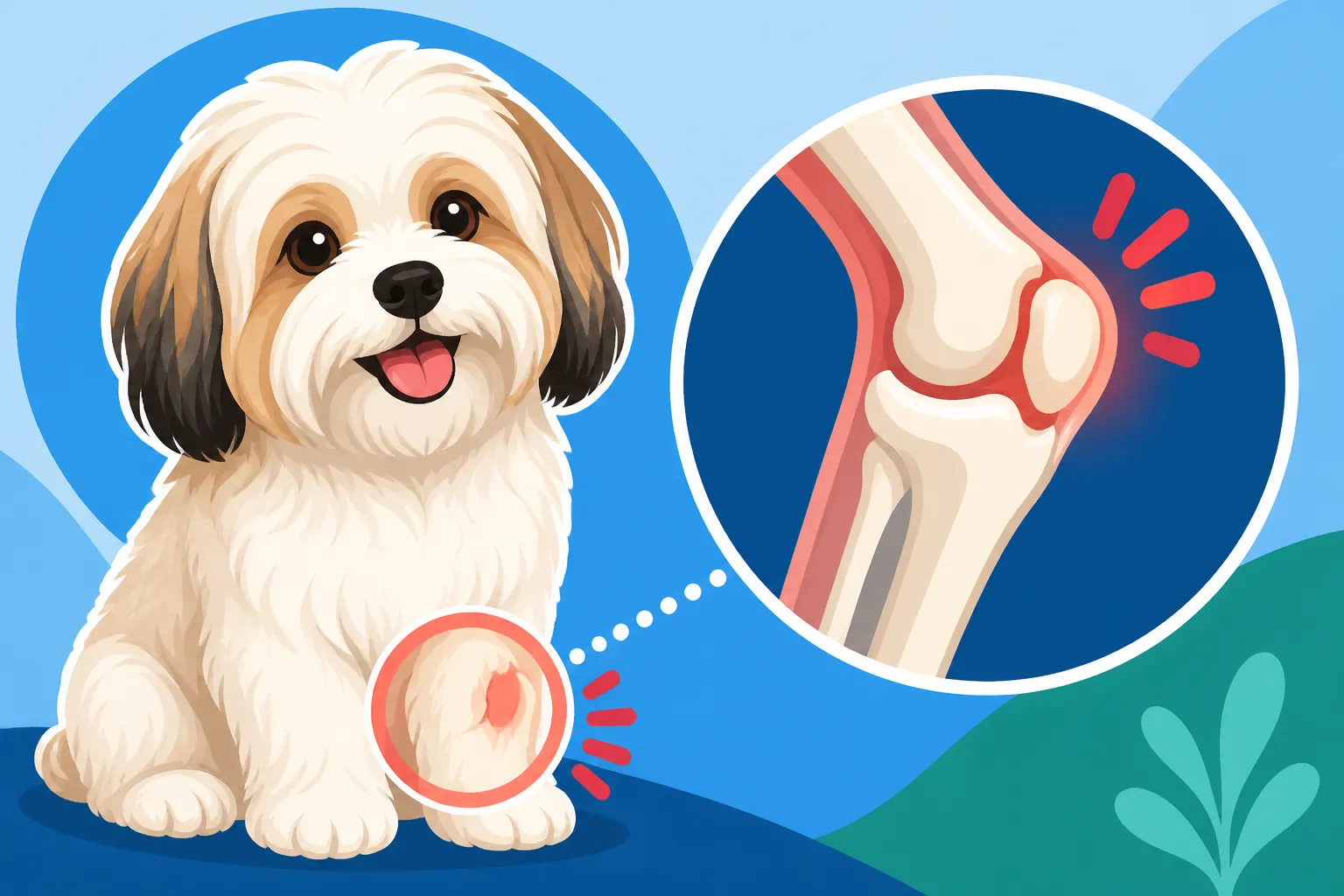
Imagine your own knee joint. You have a kneecap (patella) that sits in a groove at the end of your thigh bone (femur), and it moves smoothly up and down this groove as you bend and straighten your leg. In dogs, it’s much the same. The patella is a small bone embedded in the quadriceps tendon, which connects the thigh muscles to the shin bone (tibia). This whole assembly is designed to slide perfectly within a shallow channel on the femur called the trochlear groove.
When we talk about a luxating patella, it means this kneecap has, for one reason or another, popped out of that groove. This "luxation" can happen either to the inside of the leg (medial luxation), which is far more common in small breeds like the Havanese, or to the outside (lateral luxation). When the patella slips, the leg can't straighten properly, leading to that characteristic skip or hold-up of the leg. It might slip back into place on its own, or sometimes it requires a gentle manipulation to return to its groove. The frequency and ease with which it slips out define the severity of the condition.
Why Havanese Are Prone to Luxating Patellas
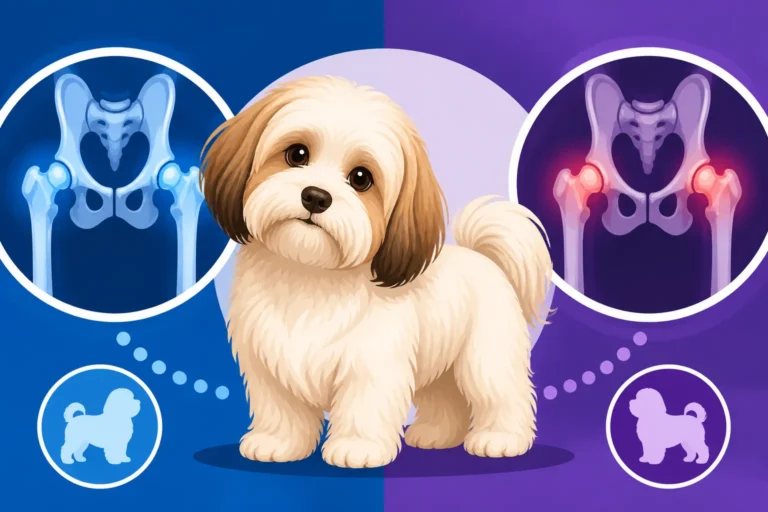
It often feels unfair when our precious Havanese face health challenges, but the truth is, some breeds are simply more predisposed to certain conditions due to their genetics and conformation. When it comes to luxating patellas, small and toy breeds, including our Havanese, are unfortunately at the top of the list. This isn't usually due to a sudden injury, but rather an anatomical predisposition that's often present from birth, inherited from their parents.
The specific build of a Havanese can contribute significantly. They might have a trochlear groove that isn't deep enough to hold the patella securely, or the attachments of the quadriceps muscle to the tibia might be slightly misaligned. This makes the kneecap more likely to pop out of its track with movement. You might hear breeders or vets discussing issues like "straight hind limbs" which can contribute to the problem, as the angle of the bones doesn't allow for the natural, fluid movement of the patella within its groove. This inherited susceptibility is why responsible breeders diligently screen their breeding dogs, trying to reduce the incidence in future generations, though it's not always a guarantee. For a deeper dive into the specific way this condition manifests, you might want to read more about The Kneecaps a Havanese Slips.
How Common Is It Really?
If you're a Havanese owner and have heard of slipping kneecaps, you're not alone. It's an incredibly common topic within the Havanese community, and for good reason. Luxating patellas are one of the most frequently diagnosed orthopedic conditions in small breeds overall, and the Havanese is certainly no exception. While exact statistics can vary, many veterinary studies and breed club health surveys indicate that a significant percentage of Havanese dogs will be diagnosed with some degree of patellar luxation at some point in their lives.
It's common enough that it's a standard health screening for Havanese breeders. They often have their breeding dogs certified through organizations like the Orthopedic Foundation for Animals (OFA), which assigns a grade to the patellas to assess their health. This proactive screening helps owners understand the potential risks and make informed decisions. Don't be surprised if your vet mentions it during routine check-ups, even if your Havanese isn't showing obvious signs of discomfort. It truly is part of the Havanese health landscape. When considering your Havanese's overall well-being, especially regarding conditions that can be costly to treat, many owners find peace of mind with pet insurance plans. Providers like Healthy Paws can be a great help in managing unexpected veterinary expenses, particularly for common breed-specific conditions. For more information on breeder screening, check out Grading a Havanese's Luxating Patella.
Recognizing the Signs and Grades of Patellar Luxation
Catching the signs of a slipping kneecap early can make a big difference in how the condition is managed. It's not always a dramatic event; sometimes, it's just a subtle change in your dog's movement that might make you pause and wonder. Learning what to look for, and understanding how veterinarians classify the severity, will empower you to advocate for your Havanese's health.
What to Look For: The Skip and the Limp
The most classic and recognizable sign of a luxating patella in a Havanese is the "skip" or "bunny hop" gait. You'll be watching your little one prancing along, and suddenly, they might pick up a hind leg for a step or two, then put it back down and carry on as if nothing happened. This happens because the kneecap has slipped out, and the dog is trying to extend or shake their leg to get it back into place. It can be quite alarming to witness, especially if you're not familiar with the condition.
Beyond the skip, you might notice intermittent lameness, where your Havanese limps for a bit and then seems fine. This lameness might become more frequent or pronounced after strenuous activity. Sometimes, in more severe cases, your Havanese might be reluctant to put weight on the affected leg entirely. It's important to remember that not all luxating patellas cause pain, especially in the lower grades where the patella slips out easily and back in quickly. However, pain can certainly be a factor, particularly if the patella remains out of place for a while or if it causes other joint issues over time. You might also observe reluctance to jump onto furniture, or hesitation when using stairs. If you notice your Havanese struggling with these activities, it's a definite red flag. Explore more about The Skip That Means a Havanese's Knee Has Gone to identify these signs.
The Grading System for Luxating Patellas
Veterinarians use a four-grade system to classify the severity of patellar luxation, which helps guide treatment decisions. This isn't just about how often the kneecap slips, but also how easily it does so and what structural changes are present in the joint.
- Grade I: This is the mildest form. The patella can be manually luxated (pushed out of the groove) but pops back into place on its own with very little effort. Your Havanese might show an occasional skip, but often, there are no obvious clinical signs, and the dog usually doesn't experience pain. It might be an incidental finding during a routine vet check.
- Grade II: In this grade, the patella luxates spontaneously, meaning it slips out on its own with normal movement, but can also spontaneously return to its normal position. You'll likely see the characteristic skip more often. Your Havanese might hold the affected leg up for a few steps before it pops back in. There might be some discomfort, and over time, the slipping can cause wear and tear on the joint cartilage.
- Grade III: Here, the patella is luxated most of the time. While it can still be manually reduced (pushed back in), it will immediately pop back out once released. Dogs with Grade III luxation often walk with a consistent crouch in their hind legs, as they try to compensate for the instability. There is often significant lameness and discomfort, and the instability will likely lead to early onset arthritis.
- Grade IV: This is the most severe grade. The patella is permanently luxated and cannot be manually reduced back into the trochlear groove. The hind limbs often appear bowed or malformed, and your Havanese will likely have severe lameness, pain, and difficulty using the leg. This grade typically requires surgical intervention to correct the significant anatomical deformities.
Understanding these grades is crucial because they dictate the approach to treatment, from conservative management to surgical intervention. For a comprehensive overview of when surgery might be necessary, consider reading Which Patella Grade Needs Surgery in a Havanese.
When to Consult Your Veterinarian
If you notice any of the signs we've discussed, from a subtle skip to a more pronounced limp, it's always best to consult your veterinarian without delay. Early intervention and diagnosis are key, even if the signs seem minor. Your vet will perform a thorough physical examination, carefully manipulating your Havanese's hind legs to assess the stability of the patella. They can often determine the grade of luxation simply by feeling the joint.
In some cases, especially if surgery is being considered or to rule out other orthopedic issues, your vet might recommend X-rays. These images help them assess the bone structure, the depth of the trochlear groove, and check for any signs of arthritis that may have developed due to the chronic instability. Even if your Havanese isn't showing obvious pain, a diagnosis allows you to start a management plan to minimize progression and maintain their quality of life. Getting a timely diagnosis can be supported by robust pet insurance plans. Companies like Healthy Paws offer comprehensive coverage that can help offset the costs of diagnostic tests and veterinary consultations for conditions like luxating patellas. Don't wait until the condition becomes severe to seek professional advice.
Management and Treatment Options
Discovering your Havanese has luxating patellas can feel overwhelming, but the good news is there are several effective management and treatment options available. The approach depends heavily on the grade of luxation, your dog's age, overall health, and whether they are experiencing pain or impaired mobility.
Conservative Management for Milder Cases
For Havanese with Grade I or some Grade II luxations that aren't causing significant pain or consistent lameness, a conservative approach is often the first line of defense. This strategy focuses on managing symptoms, preventing progression, and maintaining joint health.
One of the most crucial aspects of conservative management is weight control. A few extra pounds on a small Havanese can put immense strain on already compromised joints, exacerbating the problem. Keeping your Havanese at a healthy, lean weight is paramount for joint health. This means careful portion control and ensuring they get appropriate exercise without overdoing it. Additionally, joint supplements containing ingredients like glucosamine, chondroitin, and MSM, along with omega-3 fatty acids, can be incredibly beneficial. These supplements help support cartilage health, reduce inflammation, and promote joint lubrication, making movement smoother and potentially less painful. Talk to your vet about the best options and dosages for your specific Havanese. You can read more about Whether a Havanese Should Be Kept Slim for Its Joints and Whether Joint Supplements Help a Havanese for further guidance. Controlled exercise is also vital; this means avoiding high-impact activities like excessive jumping or sudden starts and stops, favoring instead consistent, moderate walks and gentle play to build muscle tone around the joint. Your vet might also suggest supportive therapies such as physical therapy, hydrotherapy, or even acupuncture to strengthen muscles and improve comfort.
Surgical Intervention and Recovery
When conservative management isn't enough, particularly for Havanese with persistent Grade II, Grade III, or Grade IV luxations, or those experiencing significant pain and mobility issues, surgical intervention becomes the best option. The goal of surgery is to realign the components of the knee joint so the patella stays securely within its trochlear groove.
Several surgical techniques may be employed, often in combination. One common procedure involves deepening the trochlear groove (trochleoplasty) where the patella sits, making it a more secure channel. Another technique is tibial crest transposition, where the attachment point of the patellar ligament on the shin bone is moved and re-secured, effectively realigning the entire quadriceps mechanism. Cartilage shaving and joint capsule tightening might also be performed. The specific approach will depend on the individual anatomy of your Havanese. Post-operative care is critical for a successful recovery. This typically involves strict rest for several weeks, often in a crate, followed by a gradual increase in controlled exercise. Pain management medication will be prescribed, and physical therapy, sometimes including gentle range-of-motion exercises, will be essential to rebuild muscle strength and flexibility. The prognosis after successful surgery is generally excellent, with most Havanese regaining full function and living pain-free lives. For owners, the thought of surgery can be daunting, but for many, it offers the best chance at a long, comfortable life for their companion. Surgical costs can be substantial, making comprehensive pet insurance plans from providers like Healthy Paws a wise investment for many Havanese owners to help cover these significant expenses. Discover more about what to expect with recovery by looking into Whether Knee Surgery Fixes a Havanese for Good.
Living with a Havanese with Luxating Patellas
Whether your Havanese undergoes surgery or is managed conservatively, living with a luxating patella means making some thoughtful adaptations to their environment and routine. These changes aim to support joint health, prevent further injury, and ensure your dog's comfort and happiness.
At home, consider adding ramps or doggie steps to allow your Havanese to safely access furniture like beds and couches without jumping. This significantly reduces the impact on their knee joints. Non-slip rugs or runners on hard floors can also prevent slips and falls that could dislocate the patella or cause other injuries. Regular, moderate exercise is still important, but avoid activities that involve excessive twisting, jumping, or sudden stops and starts. Think gentle walks and structured play sessions rather than uncontrolled romps with other dogs on uneven terrain. Ongoing monitoring by your veterinarian is crucial, even after surgery. Regular check-ups will help assess joint health, manage any developing arthritis, and ensure the patella remains stable. This means sticking to your schedule for annual physicals and following up on any new symptoms. Remember, a luxating patella is a common condition, and with proper care, many Havanese live full, active, and joyful lives. Investing in a good pet insurance policy, such as those offered by Healthy Paws, can provide peace of mind by covering costs for ongoing care, rehabilitation, and unexpected veterinary needs throughout your Havanese's life. Don't forget to check out Whether a Havanese Should Use Steps to the Couch and Whether Slippery Floors Hurt a Havanese for practical home modifications.
Here's a quick overview of the different grades of patellar luxation:
| Grade | Description | Common Signs | Typical Management |
|---|---|---|---|
| Grade I | Patella can be manually luxated but returns to groove on its own. | Occasional skip, often asymptomatic. | Conservative: weight management, supplements, controlled exercise. |
| Grade II | Patella luxates spontaneously but can return spontaneously or with manipulation. | More frequent skips, intermittent lameness, holding leg up. | Conservative (initially), surgery if painful or progressive. |
| Grade III | Patella is luxated most of the time but can be manually reduced. | Consistent lameness, crouching gait, significant discomfort. | Surgical intervention often recommended. |
| Grade IV | Patella is permanently luxated and cannot be reduced. | Severe lameness, significant pain, malformed limbs. | Surgical intervention strongly recommended, complex recovery. |
Disclaimer
The information provided in this article is for general informational purposes only and is not a substitute for professional veterinary advice. Always consult with a qualified veterinarian for any health concerns or before making any decisions about your Havanese's care, diet, or treatment.