Whether a Havanese Gets Itchy Skin
There’s nothing quite as heartbreaking as watching your sweet Havanese scratch incessantly, sometimes to the point of redness or even breaking the skin. It feels like they're constantly uncomfortable, and you just want to find a way to give them relief. This comprehensive guide will walk you through the common culprits behind itchy skin in Havanese, how to work with your vet to pinpoint the problem, and practical steps you can take to soothe your beloved companion.
Understanding Why Your Havanese Might Be So Itchy
When your Havanese can’t stop scratching, licking, or chewing, it's a clear sign something is bothering them. The silky double coat that makes them so endearing also makes it easy for skin issues to hide underneath, often going unnoticed until the problem is quite advanced. It's a frustrating situation for any pet parent, but understanding the potential causes is the first step toward relief.
The Role of Allergies in Havanese Skin Health
Just like us, Havanese can suffer from allergies, and often, these manifest as itchy skin. It’s a common complaint, and figuring out the specific allergen can feel like detective work.
Environmental Allergies also known as Atopy
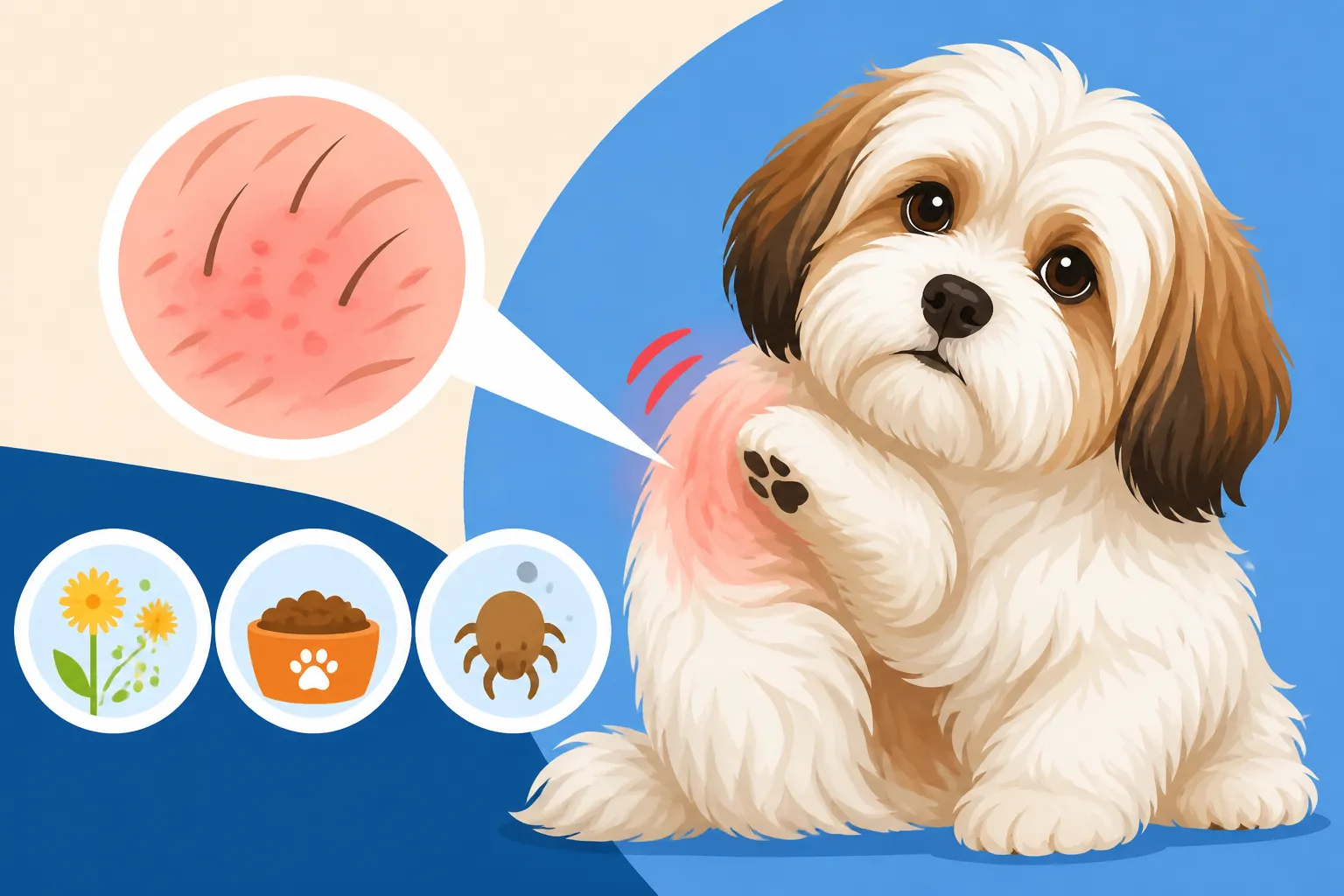
Many Havanese develop environmental allergies, often referred to as atopy. These are typically seasonal, but they can be year-round in areas where allergens like dust mites, molds, or certain pollens are ever-present. Imagine your little Havanese romping through a field of grass, only to come inside and immediately start chewing at their paws or rubbing their face against the furniture. That's a classic sign of environmental allergies. The allergens are absorbed through their skin, not necessarily inhaled, leading to an immune response that causes intense itching. You might notice them scratching their ears, licking their paws, or rubbing their face and belly. These signs can be easily missed if you don't know what to look for, especially with all that lovely hair. It's truly a puzzle, especially when symptoms seem to come and go.
Food Allergies and Sensitivities
Food allergies are another significant cause of itchy skin in Havanese, although they are less common than environmental allergies. When a Havanese has a food allergy, their immune system overreacts to a protein in their diet, causing a variety of symptoms, including skin irritation and itching. Unlike environmental allergies, food allergies often present year-round and can also cause gastrointestinal upset, like vomiting or diarrhea. Owners often observe their Havanese constantly chewing at their paws, developing recurrent ear infections, or getting an itchy rash on their belly or around their mouth. It’s not about the quality of the food necessarily, but rather a specific protein that the dog's body mistakenly identifies as a threat. We've talked about Whether a Havanese Reacts to Its Food in more detail, and it’s a tricky path to navigate to find the right diet.
Parasitic Invaders That Cause Skin Irritation
Sometimes, the simplest explanation is the correct one: bugs. Even the cleanest Havanese can pick up unwanted guests that cause severe itching.
Fleas, Mites, and Other Unwelcome Guests
Fleas are notorious for causing intense itching, even for Havanese not directly infested by a large number of them. Some dogs are allergic to flea saliva, meaning just one bite can send them into an itching frenzy for days. You might not even see the fleas themselves, but rather tiny black specks, often called "flea dirt," which are actually flea feces containing digested blood. When wet, this flea dirt turns reddish-brown. Mites, like sarcoptic mange mites (scabies), are microscopic and burrow into the skin, causing incredibly intense itching, hair loss, and scabbing. This can be miserable for a small dog, and they will scratch almost continuously. Even ear mites, though usually confined to the ears, can cause a Havanese to scratch its ears so vigorously that it affects the surrounding skin. Regular parasite prevention, which is part of What a Havanese Needs Every Day, is your best defense against these tiny tormentors.
The Frustrating Cycle of Skin Infections
Once the skin is compromised by scratching, or an underlying condition weakens its defenses, secondary infections often set in, making the itching even worse.
Bacterial and Yeast Infections
Bacterial skin infections, often caused by Staphylococcus bacteria, are common secondary issues when a Havanese has an underlying allergy or parasitic problem. The constant scratching creates tiny abrasions in the skin, allowing bacteria to enter and multiply. You'll notice red bumps, pustules, scabs, and often an unpleasant odor. Similarly, yeast infections, typically caused by Malassezia yeast, thrive in warm, moist environments. Areas like the armpits, groin, between the paw pads, and especially in the ears are prime locations for yeast overgrowth, often leading to a strong, sweet, or musty smell, greasy skin, and intense itching. If your Havanese is scratching at its ears, it could be a sign of a deeper problem, and it's worth exploring Whether a Havanese Gets Yeast in Its Ears. Both bacterial and yeast infections significantly ramp up the itch factor, creating a vicious cycle where the dog scratches, worsening the infection, which then makes them itch more.
Hot Spots
A "hot spot" (acute moist dermatitis) is a localized, rapidly developing bacterial skin infection that arises from intense licking or chewing. Imagine your Havanese gets an insect bite or a minor irritation, starts licking it, and then can't stop. Within hours, that small spot can become a red, raw, oozing, painful lesion. Whether a Havanese Gets Hot Spots Under Its Coat is something many owners have to deal with, and they can be incredibly painful and grow surprisingly fast, often hidden beneath their thick coat. These lesions are excruciatingly itchy and contribute significantly to your Havanese's discomfort.
Diagnosing the Root Cause of the Itch
When your Havanese is scratching, it’s not just an annoyance; it’s a symptom pointing to an underlying issue that needs to be addressed. A trip to the veterinarian is crucial to get an accurate diagnosis and develop an effective treatment plan.
Your Veterinarian's Role in Unraveling the Mystery
Don't try to play doctor at home when it comes to persistent itching. Your vet has the tools and expertise to properly diagnose the problem. They'll start with a thorough physical examination, taking into account your Havanese's history, diet, and lifestyle. This initial consultation is vital, as sometimes the clues are subtle.
Skin Scrapes and Cytology
One of the first things your vet might do is a skin scrape. This involves gently scraping a small sample of skin cells and debris from an affected area and examining it under a microscope. This simple test can reveal the presence of mites, like those responsible for sarcoptic or demodectic mange. It's a quick, relatively painless procedure that can provide immediate answers for certain parasitic causes.
Another common diagnostic tool is cytology. This involves pressing a glass slide onto an affected area of the skin (impression smear) or swabbing an ear canal, then staining and examining the sample under a microscope. Cytology helps identify the type of cells present, such as bacteria, yeast, or inflammatory cells, indicating whether a secondary infection is present and what type it is. This directs the vet to the appropriate medication, whether it's an antibiotic for bacteria or an antifungal for yeast.
Allergy Testing and Elimination Diets
If parasites and infections are ruled out, allergies become a primary suspect. For environmental allergies, your vet might recommend intradermal skin testing (where tiny amounts of allergens are injected into the skin) or blood tests to identify specific allergens. These tests don't cure allergies but help identify triggers, which can guide treatment or avoidance strategies.
For suspected food allergies, an elimination diet is the gold standard. This isn't just switching foods; it's a strict feeding trial for 8-12 weeks where your Havanese eats only a novel protein (one they've never had before, like duck or venison) or a hydrolyzed protein diet (where proteins are broken down so small the immune system doesn't react). This is challenging but incredibly effective. If symptoms resolve on the special diet and then return when the old food is reintroduced, a food allergy is confirmed. This process can be lengthy and requires dedication, but it’s often the only way to truly identify the offending ingredient.
Ruling Out Other Health Conditions
Sometimes, itchy skin isn't just about allergies or parasites. Other systemic health issues can manifest as dermatological problems.
Thyroid Imbalance and Other Internal Issues
Hypothyroidism, an underactive thyroid gland, can sometimes cause dry, flaky, and itchy skin, along with hair loss and dullness in the coat. This is often accompanied by other symptoms like lethargy and weight gain. A blood test to check thyroid hormone levels, part of a Whether a Havanese Needs a Yearly Blood Panel, can easily diagnose this condition. Less commonly, certain autoimmune diseases or even some types of cancer can present with skin lesions and itching. It’s why a thorough veterinary examination is so important; your vet isn't just looking at the skin, but at your Havanese's overall health picture.
Soothing Your Havanese's Itchy Skin: Treatment and Management
Once the cause of your Havanese's itching is identified, your vet will work with you to create a tailored treatment plan. This might involve medication, dietary changes, or environmental modifications.
Medications and Topical Treatments
Depending on the diagnosis, your vet might prescribe a variety of medications to bring relief.
Steroids, Antihistamines, and Immune Modulators
For severe itching and inflammation, veterinarians often turn to corticosteroids (steroids), which can be given orally or topically. These work quickly to reduce inflammation and suppress the immune response that causes itching. While effective for short-term relief, long-term steroid use has potential side effects. Antihistamines, like diphenhydramine (Benadryl), can be tried, but they are often not potent enough for severe canine allergies. Newer medications, like oral immune modulators (e.g., Apoquel) and injectable antibodies (e.g., Cytopoint), target the itch pathway more specifically, offering excellent relief with fewer side effects than steroids, making them a game-changer for many Havanese suffering from chronic environmental allergies. These treatments can be costly, and this is where having pet insurance like Healthy Paws can truly help manage ongoing expenses, ensuring your pup gets the best care without breaking the bank.
Medicated Shampoos and Sprays
For skin infections or to manage general itchiness, medicated shampoos are incredibly beneficial. Shampoos containing ingredients like chlorhexidine (for bacterial infections) or miconazole (for yeast infections) can help kill the organisms on the skin's surface. Regular bathing with these prescribed shampoos can also remove allergens from the coat, providing immediate, albeit temporary, relief for environmental allergies. Your vet might also recommend soothing topical sprays or mousses that contain anti-itch ingredients or moisturizers to help repair the skin barrier. When bathing your Havanese, remember that proper drying is key to prevent further skin issues under their thick coat, as we discussed in How Often a Havanese Should Be Bathed.
Dietary Adjustments and Supplements
What goes into your Havanese's belly can have a huge impact on their skin health.
Hypoallergenic Diets
If a food allergy is diagnosed through an elimination diet, the next step is to transition your Havanese to a long-term hypoallergenic diet. This will typically be a novel protein diet or a hydrolyzed protein diet that they tolerate well. Sticking strictly to this diet, avoiding all other treats and table scraps, is essential for continued symptom management. It's a commitment, but one that can lead to a dramatically improved quality of life for your itchy Havanese.
Omega-3 Fatty Acids and Probiotics
Supplements can also play a supportive role. Omega-3 fatty acids, commonly found in fish oil, are powerful anti-inflammatory agents that can improve skin barrier function and reduce itching, especially for dogs with allergies. While they won't cure a severe allergy, they can significantly reduce symptoms and improve coat health. Probiotics, which support gut health, can also indirectly benefit skin health by boosting the immune system. Always discuss any supplements with your vet before introducing them to ensure they are appropriate for your Havanese and won't interact negatively with other medications. Many Havanese owners have found adding supplements, along with routine care, helps maintain The Silky Double Coat a Havanese Grows to the Floor.
Environmental Management and Grooming Strategies
Reducing exposure to allergens and maintaining a healthy coat are crucial components of long-term itch management.
Minimizing Allergen Exposure
For environmental allergies, reducing allergen exposure at home can make a big difference. This means regular vacuuming (especially with a HEPA filter), washing your Havanese's bedding frequently, and using air purifiers. If pollen is a trigger, wiping down your Havanese's paws and coat with a damp cloth or pet wipes after outdoor excursions can help remove pollen before it irritates their skin further. Keeping their environment clean and free of dust mites and other irritants can lessen the burden on their sensitive skin.
Regular Grooming and Skin Care
Consistent and proper grooming is absolutely vital for a Havanese with itchy skin. Their beautiful, flowing coats, if not maintained, can easily mat. Mats pull on the skin, create moist pockets where bacteria and yeast thrive, and make itching worse. Regular brushing, like we covered in How Often a Havanese Must Be Brushed, helps prevent mats, distributes natural skin oils, and allows you to inspect their skin for any new issues. Often, a "puppy cut" or a shorter clip can make managing skin conditions much easier by allowing better air circulation and easier topical application of treatments. If your Havanese is severely matted, a groomer might have to shave them down, which can sometimes come with a dematting charge. Even minor things like keeping the hair around their eyes clean can prevent irritation that leads to scratching, and it's worth learning about Cleaning the Tear Marks Under a Havanese's Eyes. Good hygiene and coat care are preventative measures that pay off immensely in keeping your Havanese comfortable.
Here’s a quick overview of common itchy skin causes and remedies:
| Cause | Common Symptoms | Initial Home Remedy / Action | Veterinary Action |
|---|---|---|---|
| Environmental Allergies | Paw licking, face rubbing, ear scratching, red skin | Wipe paws/coat after walks, regular bathing | Allergy testing, anti-itch medications (Apoquel, Cytopoint, steroids) |
| Food Allergies | Year-round itching, chronic ear infections, GI upset | Strict elimination diet, hypoallergenic treats | Prescription hydrolyzed/novel protein diet, careful reintroduction |
| Fleas / Parasites | Intense scratching, biting at tail/rump, "flea dirt" | Over-the-counter flea treatment (consult vet first) | Prescription flea/parasite prevention, skin scrape (for mites) |
| Bacterial Infection | Red bumps, pustules, scabs, odor, localized hair loss | Antiseptic wipes (mild cases), keep area clean | Antibiotics (oral/topical), medicated shampoos, cytology |
| Yeast Infection | Greasy skin, musty odor, redness in skin folds/ears | Antifungal wipes (mild cases), keep areas dry | Antifungal medications (oral/topical), medicated shampoos, cytology |
| Hot Spots | Rapidly red, raw, oozing, painful lesion | Prevent licking (E-collar), gently clean | Clip hair, clean, antibiotics, steroids, pain relief |
| Dry Skin | Flaky skin, dull coat, mild itching | Humidifier, omega-3 supplements, moisturizing shampoo | Rule out underlying causes, dietary changes |
Living with an Itchy Havanese Long-Term
Managing chronic itchy skin in a Havanese can be a journey, not a destination. It often requires ongoing adjustments and vigilant care. Understanding that it’s a partnership with your vet, and sometimes with a specialized veterinary dermatologist, will help you feel less overwhelmed. Healthy Paws pet insurance, for instance, offers coverage options that can significantly ease the financial burden of these persistent conditions, from diagnostics to long-term medication. Patience, consistency, and a loving approach are your greatest assets in ensuring your Havanese can live a comfortable, scratch-free life.
Disclaimer
The information provided in this guide is for general informational purposes only and is not a substitute for professional veterinary advice. Always consult with a qualified veterinarian regarding any health concerns or before making any decisions about your pet's medical care.