The Health Tests Both Havanese Parents Should Have
Bringing a Havanese puppy home is one of life's greatest joys, but for many prospective owners, there's an underlying worry: what if this precious new family member inherits a serious health problem? The frustration of navigating breeder claims and worrying about unforeseen vet bills is real. This comprehensive guide will walk you through the crucial health tests that both Havanese parents should undergo, empowering you to make informed decisions and find a healthy, happy companion.
Why Health Testing Is Non-Negotiable for Havanese Parents
When you're looking for a Havanese, it's easy to get swept up in the adorable fluff and charming personality. But underneath that beautiful coat lies a genetic blueprint, and just like with humans, certain conditions can be passed down from parent to puppy. Ignoring this crucial aspect can lead to heartache, significant financial strain, and a lifetime of managing preventable illnesses. Responsible breeding is about so much more than just putting two cute dogs together; it's about safeguarding the future health of the entire breed.
Understanding Inherited Conditions in Havanese
Havanese are generally a robust breed, but like all purebreds, they have predispositions to certain genetic conditions. These aren't always immediately obvious in a cute, bouncy puppy. Some issues might not manifest until later in life, blindsiding owners who thought they had done their due diligence. For instance, conditions like patellar luxation – where the kneecap slips out of place – can start as a subtle skip in a puppy's gait and become a debilitating problem as they age. Similarly, certain eye diseases or even heart conditions can be inherited, and while not always present at birth, the genetic markers are there, waiting to potentially cause trouble down the line. It's a heavy burden to bear for both the dog and its family, making proactive testing paramount.
The Role of a Responsible Breeder
A truly responsible Havanese breeder isn't just someone who loves puppies; they are custodians of the breed's health. They understand the genetic risks and actively work to minimize them through careful breeding practices, and that starts with rigorous health testing of their breeding stock. These aren't just 'suggested' tests; they are vital tools for preventing the perpetuation of genetic diseases. A breeder who prioritizes health testing is transparent, willing to show you certificates, and can explain what each test means. They view these tests not as an expense, but as an investment in the well-being of every puppy they bring into the world. If a breeder hedges or dismisses health testing, consider it a significant red flag. They should be able to discuss the importance of preventing issues like The Kneecaps a Havanese Slips or The Liver Shunt a Havanese Puppy Shows Before Six Months, and demonstrate how their breeding program addresses these concerns.
Essential Health Tests for Havanese Breeding Dogs
Navigating the world of canine health tests can feel like learning a new language. But don't worry, I'm here to break down the most critical screenings specifically recommended for Havanese parents. These are the tests that form the bedrock of responsible breeding and significantly reduce the risk of your future puppy inheriting common, often painful, and expensive conditions.
Orthopedic Screenings: Hips, Elbows, and Patellas
Orthopedic issues are unfortunately common in many breeds, and Havanese are no exception, particularly when it comes to their knees.
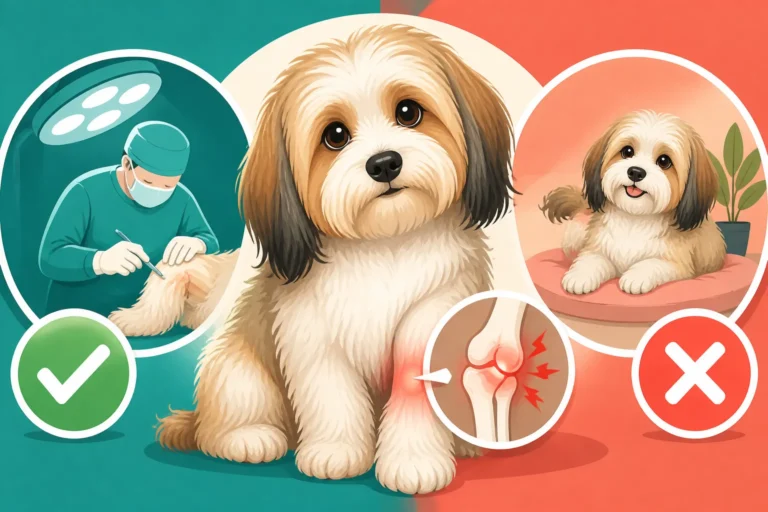
- Patellar Luxation (Slipping Kneecaps): This is arguably the most common orthopedic concern in Havanese. It occurs when the kneecap (patella) moves out of its normal groove. There are different grades of luxation, from mild to severe. A veterinary orthopedic specialist can manually examine the patellas, assigning a grade (0-4). Grade 0 means no luxation, which is what you want to see in breeding dogs. Grades 1 and above indicate some degree of luxation, which can lead to pain, arthritis, and sometimes require surgery. It’s crucial that both parents are certified free of patellar luxation, ideally by an orthopedic vet or through an organization like the Orthopedic Foundation for Animals (OFA). For more information, you might be interested in learning How Common Slipping Kneecaps Are in a Havanese.
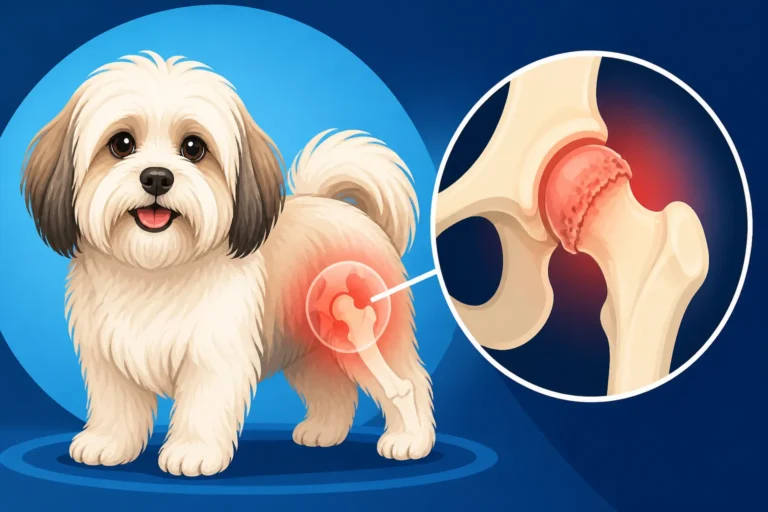
- Hip and Elbow Dysplasia: While less common in smaller breeds like the Havanese compared to large breeds, hip and elbow dysplasia can still occur. These conditions involve abnormal development of the hip or elbow joints, leading to arthritis and pain. Screening involves X-rays, typically taken after the dog is two years old, which are then evaluated by veterinary radiologists. The OFA provides ratings (excellent, good, fair, borderline, mild, moderate, severe) for hips and elbows. You want to see "fair" or better in breeding dogs.
Ophthalmic Examinations: Protecting Those Precious Eyes
A Havanese's expressive eyes are one of its most endearing features, but they are also susceptible to several inherited conditions that can impair vision or even lead to blindness.
- Canine Eye Registry Foundation (CERF) or OFA Eye Certification: This involves a thorough examination by a board-certified veterinary ophthalmologist. They look for a range of conditions, including cataracts, progressive retinal atrophy (PRA), retinal dysplasia, and corneal dystrophy. Some of these conditions can be progressive, meaning they worsen over time, and some can lead to blindness. This eye exam should be performed annually on breeding dogs to ensure they remain clear of inherited eye diseases. It's a critical part of ensuring your puppy's bright future isn't dimmed by preventable issues, and you can delve deeper into specific problems like The Eye Diseases a Havanese Inherits.
Cardiac Evaluations: Listening to Their Little Hearts
Heart health is another vital area for screening. While some heart conditions develop with age, others have a genetic component.
- Congenital Cardiac Exam: This involves a physical examination by a board-certified veterinary cardiologist, who listens for murmurs and assesses overall heart health. While a murmur can sometimes be benign, it can also be an indicator of an underlying structural heart defect. Breeding dogs should be clear of any congenital heart disease. For serious concerns, a cardiologist might recommend an echocardiogram, which provides a detailed ultrasound image of the heart's structure and function. For instance, Mitral Valve Disease in an Older Havanese is a common issue that can be influenced by genetics. A clean bill of health for the parents offers peace of mind.
Hearing and Liver Function: Beyond the Obvious
Beyond the more common orthopedic, eye, and heart issues, responsible breeders also screen for other significant health concerns.
- BAER (Brainstem Auditory Evoked Response) Testing for Deafness: While not all Havanese are predisposed to deafness, some lines can carry genes for congenital deafness, particularly in certain color patterns. The BAER test is the only reliable way to assess a dog's hearing objectively. It measures electrical activity in the cochlea and auditory pathways in the brain in response to auditory stimuli. This test is typically performed once in a dog's lifetime. Screening breeding parents helps ensure that puppies don't inherit a predisposition to Early Deafness in a Havanese.
- Portosystemic Shunt (PSS) Evaluation: Liver shunts are abnormal blood vessels that allow blood to bypass the liver, preventing it from being properly detoxified. This can lead to a host of neurological and gastrointestinal issues, often appearing in puppyhood. While surgery can sometimes correct this, it's a serious and complex condition. A responsible breeder will often perform bile acid tests on their breeding stock or even their puppies to screen for this condition. A Havanese puppy with a shunt can be quite small and might show signs like dullness or circling.
Interpreting Health Test Results and What to Look For
Understanding what all those acronyms and certificates mean can be a bit overwhelming, but it's essential for verifying a breeder's claims. Think of these certifications as a report card for your potential puppy's parents. They're a window into a breeder's commitment to the long-term health of their dogs.
Understanding OFA and CHIC Certifications
The Orthopedic Foundation for Animals (OFA) is a well-respected organization that maintains an open database of health clearances for various breeds. For Havanese, this is your go-to resource.
- OFA Database: Breeders submit test results for conditions like patellar luxation, hip and elbow dysplasia, and cardiac exams. Each dog is assigned a unique OFA number, and results are publicly accessible on their website. This means you can look up the parents of a potential puppy yourself! You'll see their full registered name, birth date, and the results of all OFA-certified tests. Seeing "Normal" or "Clear" results for Havanese-specific conditions like patellas, eyes, and heart is what you're aiming for.
- CHIC (Canine Health Information Center) Program: The CHIC program, a collaboration between the OFA and participating parent clubs, establishes a recommended set of health screenings for each breed. For the Havanese, these typically include OFA eye examination, OFA patella examination, and OFA cardiac examination. A CHIC number indicates that a dog has had all the recommended health tests for its breed, regardless of the individual test results (though responsible breeders will only breed dogs with passing results). It signifies a commitment to comprehensive screening. Always ask for CHIC numbers and then verify them online.
Red Flags and Green Lights in Parent Health Records
When reviewing health records, it's not just about seeing that tests were done, but what the results actually say.
-
Green Lights:
- OFA/CHIC Numbers: The presence of verifiable OFA and CHIC numbers for both parents is a huge green light.
- "Normal" or "Clear" Results: Specifically for patellas (Grade 0), eyes (no observed inherited disease), and heart (no murmur or congenital defect).
- Annual Eye Exams: The eye exam needs to be done yearly to be current, as some conditions can develop over time. Check the dates.
- Age-Appropriate Testing: Orthopedic evaluations for hips and elbows are typically done after two years of age. If a dog is younger and only has preliminary results, it’s not a full clearance.
- Transparency: A breeder who willingly provides links or copies of certificates, and takes time to explain them, is transparent and trustworthy.
-
Red Flags:
- "My vet checked them": This isn't sufficient. While your family vet is wonderful, they are not typically board-certified specialists in ophthalmology or cardiology, nor do they submit results to a public database like OFA. You need specialist certifications.
- Missing Tests: If any of the core recommended tests (patellas, eyes, heart, BAER, liver) are missing for either parent, that's a red flag.
- "We haven't had issues, so we don't test": This is a huge concern. Genetic conditions can be carried recessively or appear later in life. Relying on anecdotal "good health" is irresponsible.
- Borderline or Affected Results: A responsible breeder generally won't breed a dog with anything other than passing results. While a borderline hip score might be bred to an excellent one in some cases (and with careful genetic consideration), any outright "affected" result for a serious condition should rule that dog out of a breeding program.
- Claims of "rare colors" or "teacups" without health testing: Often, breeders focused on fads are less concerned with health, and this should be a major warning.
The Limits of Health Testing
While health testing significantly reduces the risk of inherited diseases, it's crucial to understand its limitations. No amount of testing can guarantee that a puppy will never experience a health issue. Dogs are living beings, and just like people, they can develop conditions that aren't genetic, such as allergies, injuries, or age-related illnesses.
For example, a Havanese whose parents have perfect patella scores could still, hypothetically, injure their knee in a fall. What health testing does provide is a powerful tool to prevent the passing down of known genetic predispositions. It means you're starting with the best possible genetic foundation. This is why many owners opt for pet insurance, like plans from Healthy Paws, which can help cover unexpected accidents or illnesses that fall outside the realm of genetic predisposition. It's about stacking the odds in your favor for a long and healthy life with your companion.
What to Ask Your Prospective Havanese Breeder
Finding a responsible Havanese breeder is probably the most critical step in ensuring you bring home a healthy puppy. It’s a bit like an interview, but you’re the one asking the tough questions. Don't be shy; a good breeder will welcome your inquiries and appreciate your thoroughness. They understand that you’re investing emotionally and financially in a new family member, and they're just as invested in placing their puppies in loving, well-informed homes.
Key Questions About Parent Health
When you’re speaking with a breeder, have a list of specific questions ready. Don't just ask "Are the parents healthy?" because every breeder will say yes. You need specifics.
- "Can you provide the OFA and CHIC numbers for both the dam (mother) and sire (father) of the litter?" This is your foundational question. If they can't or won't, walk away.
- "What were the results of the patella examination for both parents, and when was it last done?" You're looking for "Grade 0" or "Normal" and that it's a current certification.
- "When was the last eye exam (CERF/OFA Eye) performed on both parents, and what were the findings?" Again, you're looking for "Normal" or "Clear" and a recent date.
- "Have both parents had a congenital cardiac evaluation by a board-certified cardiologist, and what were the results?" Confirm it was done by a specialist and yielded a clear report. You might also want to ask if they screen for Whether a Havanese Gets Hip Dysplasia, even if it's less common.
- "Do you test your breeding dogs for BAER (hearing) and liver shunts, and if so, what were the results?" These are crucial, often overlooked, tests that are incredibly important for the breed's overall health.
- "What genetic tests do you perform beyond the standard OFA/CHIC recommendations, and why?" Some breeders go above and beyond, which is a great sign. For example, some might test for Whether a Havanese Breeder Screens for Chondrodysplasia.
- "Have any of your past puppies developed inherited health conditions, and how did you address that in your breeding program?" A good breeder will be honest about past issues (they happen, even with testing) and explain how they've learned and adjusted. This shows integrity.
Verifying Documentation and Transparency
It's one thing for a breeder to tell you about health tests; it's another to prove it. A reputable breeder will be completely transparent and open with their documentation.
- Online Verification: The beauty of the OFA database is that it's public. With the registered names or OFA numbers provided by the breeder, you can go to the OFA website (www.ofa.org) and look up the parents yourself. This empowers you to independently confirm all the information they've given you. Don't feel awkward doing this; it's what responsible buyers do.
- Physical Certificates: Ask to see copies of the actual certificates if you're meeting in person. While OFA is online, sometimes other specialist reports might be physical documents.
- Pedigree Review: A full pedigree, showing several generations, can also be informative. It allows you to see if there are any repeated names that might indicate a narrow gene pool, which can sometimes increase the risk of certain recessive conditions.
- Veterinarian References: While a breeder won't give out their vet's direct contact information without permission, they should be able to provide a general reference from their vet confirming their commitment to health and responsible practices.
- Contract and Health Guarantee: A solid contract will detail the health guarantee, often covering inherited conditions for a certain period. This isn't just a safety net; it's a sign of a breeder's confidence in their puppies' health. Make sure you read and understand it thoroughly. This due diligence can really give you peace of mind, especially when considering the potential costs of veterinary care; some owners opt for comprehensive pet health plans from providers like Healthy Paws to manage these eventualities.
It's a lot to take in, but remember, you're looking for a lifelong companion. Taking the time to understand these tests and thoroughly vet a breeder is the best way to ensure your Havanese starts life on the healthiest paw possible.
| Health Test | What It Screens For | Organization/Certification | Frequency/Age | What to Look For (Green Light) |
|---|---|---|---|---|
| Patellar Luxation | Slipping kneecaps | OFA (Orthopedic Foundation for Animals) | Once (after 1 year) | Grade 0 / Normal |
| Ophthalmic Exam (Eyes) | Cataracts, PRA, Retinal Dysplasia, other eye diseases | OFA Eye/CERF (Annual) | Annually | Normal / Clear |
| Cardiac Exam (Heart) | Congenital heart defects, murmurs | OFA Cardiac (Cardiologist) | Once (after 1 year) | Normal / No Murmur |
| BAER Hearing Test | Congenital Deafness | BAER Test | Once | Normal (hearing in both ears) |
| Liver Shunt | Portosystemic Shunt (PSS) | Bile Acid Test / Genetic Testing | Typically once | Normal Bile Acids / Clear |
| Hip & Elbow Dysplasia | Abnormal joint development | OFA (after 2 years) | Once (after 2 years) | Fair, Good, or Excellent |
Disclaimer: This article is intended for informational purposes only and does not constitute professional veterinary advice. Always consult with a qualified veterinarian for any health concerns or before making any decisions about your pet's health or treatment.