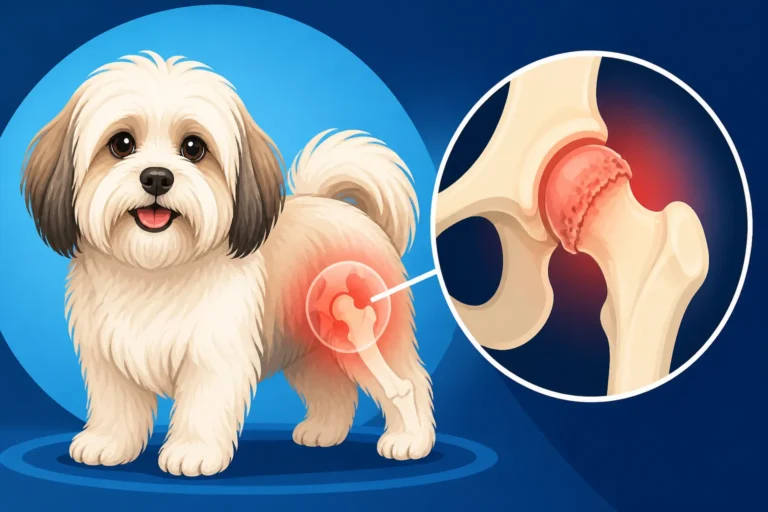
Whether an Untested Havanese Litter Is Worth Buying
It’s incredibly tempting when you see an adorable Havanese puppy advertised at a lower price, or perhaps one that’s available sooner than others from a reputable breeder. You might tell yourself that health testing for the parents isn’t that important, or that a vet check on the puppy is enough. But the truth is, passing on an untested Havanese litter often leads to heartbreaking and costly issues down the road that could have been avoided. This guide will walk you through why choosing a puppy from health-tested parents is paramount for the well-being of your future companion and your peace of mind.
Understanding "Untested" in the Havanese World
When we talk about an "untested" Havanese litter, it’s not just about whether a puppy has seen a vet for its initial shots. It refers specifically to the parents of the litter not having undergone the comprehensive health screenings recommended by national breed clubs and veterinary specialists. These tests are designed to identify genetic predispositions to serious health conditions that are known to occur in the Havanese breed. Skipping these steps is a significant red flag that can impact a puppy's entire life.
What Breeder Health Testing Actually Means
Responsible Havanese breeders don't just breed two dogs because they're cute or have nice personalities. They meticulously research pedigrees and, crucially, perform a battery of health tests on both the sire and the dam before breeding them. These aren't simple check-ups; they are specialized screenings often performed by certified veterinary specialists. For example, orthopedic evaluations aren't just a vet feeling a knee; they involve X-rays submitted to organizations like the Orthopedic Foundation for Animals (OFA) for expert grading. Eye exams are done by board-certified veterinary ophthalmologists, and hearing tests are performed using specific equipment. These tests aim to minimize the risk of passing on debilitating genetic conditions to the next generation.
A breeder dedicated to the health of the breed will proudly share these results, often providing OFA and CHIC (Canine Health Information Center) numbers that you can verify online. They understand that transparency builds trust and demonstrates a commitment to healthy dogs, not just quick sales. When a breeder cannot or will not provide these certifications, it’s not merely an oversight; it’s a conscious decision that puts potential puppies and their future owners at risk.
The Difference Between Vet Checks and Genetic Screening
It’s easy to get confused between a standard vet check and comprehensive genetic health screening, especially if you’re new to the world of purebred dogs. A "vet check" on a puppy usually involves a general physical examination, looking for obvious signs of illness, listening to the heart, checking for hernias, and administering initial vaccinations and deworming. This is absolutely necessary for any puppy, but it’s not the same as parent health testing. A vet check on an 8-week-old puppy won't reveal if its parents carry genes for conditions like patellar luxation or progressive retinal atrophy, which might not manifest until the puppy is much older.
Genetic screening, on the other hand, delves into the underlying genetic makeup of the parent dogs. It's like checking the blueprints before building a house. For instance, a physical exam won't tell you if a Havanese parent carries the gene for Early Deafness in a Havanese, but a BAER test (Brainstem Auditory Evoked Response) can. Likewise, a basic vet visit won't predict if a dog is prone to The Kneecaps a Havanese Slips, but an OFA patella evaluation on the parents provides crucial insight into their joint health and genetic predisposition. Relying solely on a puppy's clean bill of health at 8 weeks is a gamble on its future health and your wallet.
Crucial Health Tests for Havanese Parents
Understanding which specific health tests are recommended for Havanese is critical when evaluating a litter. These aren't just arbitrary checks; they target conditions scientifically proven to have a genetic component within the breed. A reputable breeder will have documentation for all of these.
Orthopedic Concerns: Hips, Elbows, and Kneecaps
Havanese are generally a robust small breed, but like many dogs, they can be prone to certain orthopedic issues. The most common concern for the breed is The Kneecaps a Havanese Slips, known scientifically as patellar luxation. This is where the kneecap dislocates, causing pain and lameness. Breeders should have their breeding dogs' patellas graded by a veterinarian, and these results are submitted to the OFA. Grades range from 0 (normal) to 4 (severe), and responsible breeders will only breed dogs with normal or excellent patella scores.
While less common than patellar luxation, some Havanese lines can also be affected by conditions like hip dysplasia or Legg-Calve-Perthes disease. Hip dysplasia, though more often associated with larger breeds, can affect small dogs too, leading to arthritis and pain. Legg-Calve-Perthes, a degenerative disease of the hip joint, can cause limping in puppies, as discussed in detail in How Legg Calve Perthes Starts in a Havanese. X-rays of hips and elbows are typically submitted to the OFA for evaluation, ensuring that breeding stock is free from these debilitating conditions. An untested parent means you have no idea about their genetic predisposition to these painful and often expensive-to-treat conditions.
Eye and Ear Health: Sight and Hearing Screenings
Eye health is another significant area for Havanese. The breed is known to be susceptible to various inherited eye conditions, including cataracts and progressive retinal atrophy (PRA). These conditions can range from mildly impairing vision to causing complete blindness. For example, Hereditary Cataracts in a Havanese can appear at various ages, while PRA is a progressive disease that slowly deteriorates the retina. Responsible breeders arrange for their Havanese to have annual eye examinations by a board-certified veterinary ophthalmologist. The results of these exams are registered with the Canine Eye Registry Foundation (CERF), or more recently, the OFA Eye Certification Registry.
Ear health is also crucial. Although not as common as eye issues, some Havanese can be born deaf, especially those with significant white markings. This is referred to as congenital deafness. To check for this, especially in litters that may be at higher risk due to parentage or coat color, breeders may perform a Brainstem Auditory Evoked Response (BAER) test on the puppies. While this is often done on the litter itself, ensuring parents come from lines free of congenital deafness is part of responsible breeding practice, as explored in Whether a Havanese Litter Should Be BAER Tested.
Cardiovascular and Hepatic Health: Heart and Liver
Heart and liver conditions, while less visually apparent, can be life-threatening and incredibly distressing for owners. A significant concern in Havanese is The Heart Murmur an Older Havanese Develops, specifically Mitral Valve Disease (MVD). While often seen in older dogs, a predisposition can be inherited. Breeding dogs should undergo cardiac evaluations by a board-certified veterinary cardiologist, often involving an echocardiogram, to check for congenital heart defects and early signs of MVD. These results are also registered with the OFA.
Another critical, often subtle, condition is a congenital portosystemic shunt, also known as a liver shunt. This is a condition where blood bypasses the liver, preventing it from being properly detoxified. It can lead to severe neurological symptoms and failure to thrive in puppies. What a Congenital Liver Shunt Does to a Havanese explains the serious implications. Breeders often test their puppies, or at least the parents, for liver shunts through a bile acid test. An untested parent means this potentially fatal genetic condition could be lurking, ready to devastate a new puppy owner.
| Health Condition | Test Type (Parent) | Specialist Required | Registering Body (Example) | Common Outcome if Untested |
|---|---|---|---|---|
| Patellar Luxation | Orthopedic Exam / X-rays | General Vet (OFA certified) | OFA | Lameness, pain, surgery |
| Hip Dysplasia | Hip X-rays | General Vet (OFA certified) | OFA | Arthritis, mobility issues |
| Legg-Calve-Perthes | Hip X-rays | General Vet (OFA certified) | OFA | Limping, pain, surgery |
| Cataracts / PRA | Ophthalmic Exam | Vet Ophthalmologist | OFA (formerly CERF) | Vision impairment, blindness |
| Congenital Deafness | BAER Test (often on puppies) | Vet Neurologist/Specialist | OFA | Hearing loss |
| Mitral Valve Disease | Cardiac Exam / Echocardiogram | Vet Cardiologist | OFA | Heart failure |
| Liver Shunt | Bile Acid Test (often on puppies) | General Vet | N/A | Neurological issues, fatality |
The Hidden Risks of Buying an Untested Havanese Puppy
It’s easy to focus on the immediate joy of a new puppy, but overlooking health testing can open the door to a cascade of problems that impact your finances, your time, and most importantly, your emotional well-being. The seemingly lower upfront cost of an untested puppy often pales in comparison to the expenses that can arise later.
Emotional and Financial Strain on Your Family
Imagine bringing home that fluffy, adorable Havanese puppy, only to find in a few months that it starts limping, showing signs of poor coordination, or struggling with its vision. Discovering your beloved companion has a painful or debilitating genetic condition can be utterly heartbreaking. You bond deeply with these little dogs, and watching them suffer is incredibly difficult. The emotional toll of nursing a sick pet, making difficult medical decisions, and facing potential euthanasia is immense.
Financially, the costs can be astronomical. Patellar luxation, for instance, often requires surgery on one or both knees, which can run into thousands of dollars per leg. A liver shunt correction can be even more expensive, sometimes exceeding $5,000 to $10,000, depending on the complexity and location. Chronic eye conditions might require ongoing medication or specialized surgeries. These are not minor expenses; they are major investments that most people haven't budgeted for. While pet insurance providers like Healthy Paws can certainly help mitigate some of these unexpected costs, some conditions might be deemed pre-existing if not diagnosed until after the policy starts, or if they are clearly inherited. It’s a harsh reality that a "bargain" puppy can quickly become the most expensive dog you've ever owned.
Genetic Conditions That Can Emerge Later
The insidious nature of many genetic conditions is that they don't always show up in an 8-week-old puppy. A Havanese puppy might appear perfectly healthy when you take it home, only to develop symptoms months or even years later. For example, The Age a Havanese Shows Hip Pain can vary widely, and some joint issues might not become evident until the dog is a year or two old, or even older, especially if they are mild initially. Similarly, some forms of cataracts or PRA may develop gradually, affecting vision over time rather than presenting at birth.
This delayed onset makes it incredibly difficult for a new owner to connect the dots back to the parents' health. You’ve invested time, love, and money, and now you’re faced with a sick dog and the frustrating realization that a simple health test on the parents could have identified the risk. It’s not just the physical ailments; conditions like liver shunts can cause neurological problems, leading to seizures or behavioral changes that are confusing and frightening for owners. An untested litter is a roll of the dice with your future dog's health, and by extension, your own peace of mind.
The Ethical Implications of Supporting Untested Breeding
Beyond the personal impact, there's a broader ethical consideration when you choose to buy from an untested Havanese litter. Supporting breeders who do not perform recommended health screenings perpetuates irresponsible breeding practices. These breeders may be prioritizing profit over the health and welfare of their animals. By purchasing a puppy from them, even with the best intentions, you are inadvertently contributing to the cycle of genetic disease within the breed.
Reputable breeders invest significant time, effort, and money into health testing, proper nutrition, early socialization, and ensuring their dogs are well-cared for. This is reflected in their puppy prices. When you opt for a cheaper, untested puppy, you're not just saving money; you're often choosing a puppy from someone who cut corners. This can lead to more dogs with health issues, further straining veterinary resources and causing unnecessary suffering. If you truly love the Havanese breed, supporting ethical breeders who prioritize health is one of the most impactful ways you can contribute to its long-term well-being, as highlighted in "The Health Tests Both Havanese Parents Should Have".
Making an Informed Decision for Your Future Havanese
Bringing a Havanese into your life is a long-term commitment, potentially The Fourteen to Sixteen Years a Havanese Lives. Making an informed decision at the puppy stage is crucial for ensuring those years are filled with joy, not heartache and endless vet visits. Choosing a puppy from a reputable, health-testing breeder is the best way to start.
Questions to Ask a Reputable Havanese Breeder
When you're searching for your Havanese puppy, don't be shy about asking questions – lots of them! A good breeder will welcome your inquiries and be happy to educate you. Here are some essential questions, especially regarding health:
- "Can I see the health test results for both parents?" Don't just take their word for it. Ask for documentation, ideally OFA and CERF/OFA Eye Certification Registry numbers, and verify them online. A reputable breeder will have these readily available and understand why you're asking.
- "What specific tests do you perform on your breeding Havanese?" Ensure they are doing the core tests for patellar luxation, eye conditions, cardiac health, and possibly liver shunts.
- "At what age do you let your puppies go to their new homes?" Responsible breeders typically keep puppies until at least 8-10 weeks of age to ensure proper socialization and initial veterinary care.
- "What is your health guarantee, and what does your contract cover?" A detailed contract should outline health guarantees, often covering genetic conditions for a certain period. Look for specifics on Whether a Havanese Contract Covers Patellas or other significant inherited ailments.
- "What is your policy if a genetic health issue arises that was supposed to be covered by testing?" A good breeder will offer solutions, whether it's a partial refund, replacement puppy, or support for veterinary care.
- "Can I visit your facility and meet the parents?" This helps you see the conditions the puppies are raised in and observe the parents' temperaments and health. If a breeder is evasive or only wants to meet in a public place, it's a major red flag.
Long-Term Planning: Vet Bills and Pet Insurance Considerations
Even with the most meticulously health-tested parents, no breeder can guarantee a puppy will never have any health issues. Life happens, and dogs, just like people, can face unexpected illnesses or accidents. This is where long-term planning, particularly pet insurance, becomes invaluable. Policies from providers like Healthy Paws can be a lifesaver, covering a significant portion of unexpected veterinary expenses.
However, it's crucial to understand how pet insurance works. Most policies have waiting periods and do not cover pre-existing conditions. If you purchase an untested puppy, and it later develops a genetic condition that should have been screened for, there's a higher chance it might be considered pre-existing if symptoms appear before or during the waiting period. While a good policy from Healthy Paws can protect you from unforeseen accidents and illnesses, starting with a puppy from health-tested parents reduces the likelihood of these expensive, avoidable genetic conditions cropping up in the first place. Think of it as investing in prevention, which complements your insurance plan perfectly. It ensures you have the best possible foundation for a long, healthy, and happy life with your Havanese.
Disclaimer
The information provided in this article is for general informational purposes only and does not constitute veterinary advice. Always consult with a qualified veterinarian for any health concerns or before making any decisions about your pet's health or medical care.