Whether a Havanese Visits Hospitals as a Therapy Dog
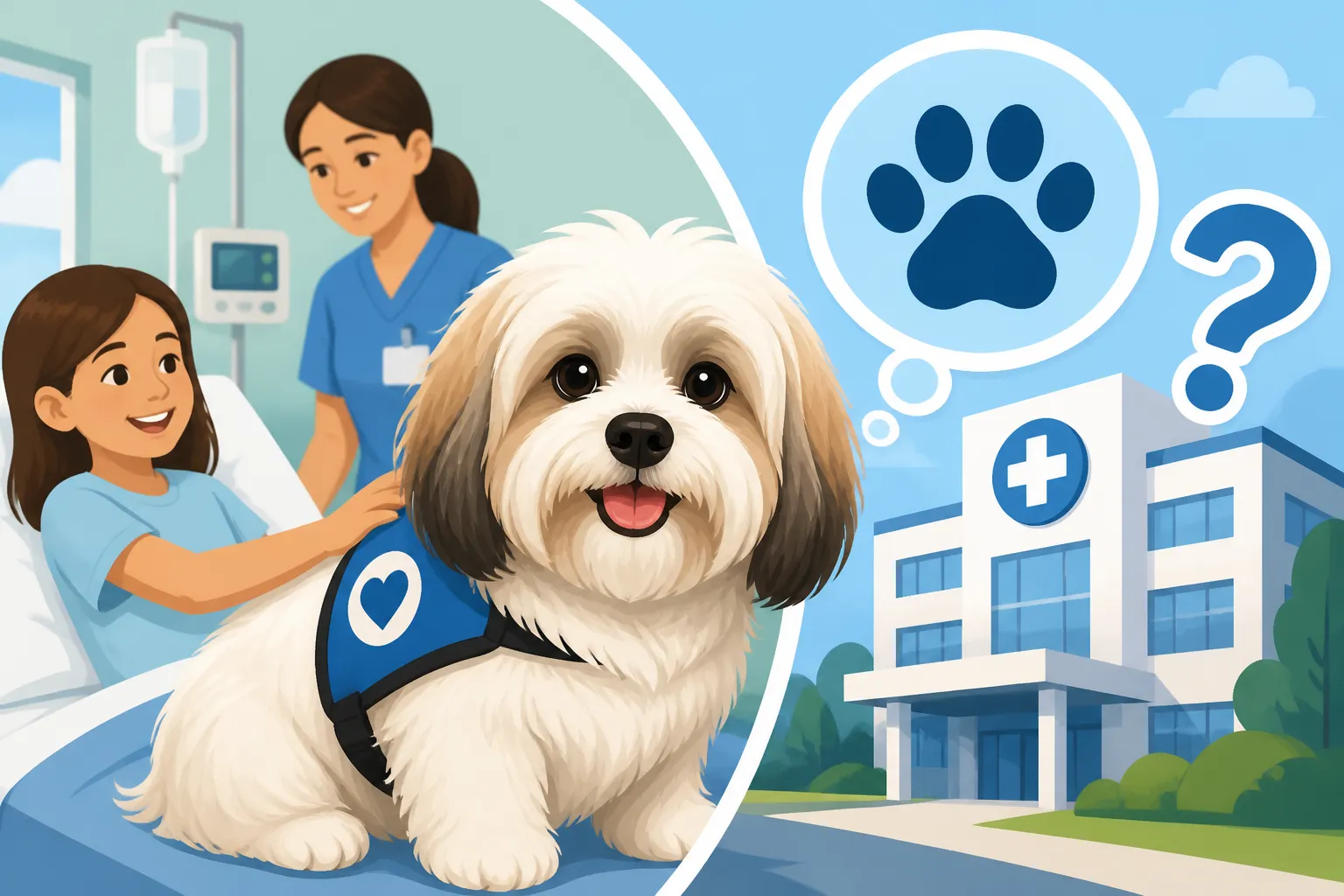
Many of us look at our sweet, intelligent Havanese curled up beside us and wonder if their incredible capacity for love and comfort could extend beyond our homes. We see their gentle eyes and wagging tails, and it’s natural to imagine them bringing that same warmth to others, especially those facing difficult times in a hospital. This guide will thoroughly explore what it truly takes for a Havanese to embark on the rewarding journey of becoming a certified therapy dog for hospital visits, detailing the temperament, training, and commitment involved.
The Unique Qualities That Make a Havanese a Great Therapy Dog Candidate
When you consider a therapy dog, you probably envision a calm, friendly, and approachable companion. It might surprise some to learn that our little Havanese, often seen as pampered lapdogs, actually possess many inherent qualities that make them exceptional candidates for this vital work. It's not just about cuteness; it's about a deep-seated temperament and physical attributes that align perfectly with the demands of a healing environment.
Temperament: The Heart of a Havanese Therapy Dog
The absolute bedrock of a successful therapy dog is its temperament, and this is where the Havanese truly shines. They are, by nature, affectionate, outgoing, and possess a remarkable zest for life that is infectious. Their desire to be near their human companions, combined with an innate curiosity and friendliness towards strangers, makes them natural comfort-givers. You'll often find a Havanese seeking out gentle interaction, offering a soft nuzzle, or simply resting a warm head on someone's hand, intuitively sensing when comfort is needed.
Unlike some breeds that might be too shy, overly boisterous, or prone to anxiety in new settings, a well-socialized Havanese often takes new experiences in stride. They possess a delightful adaptability, able to be playful one moment and calmly curled on a lap the next. This emotional intelligence, coupled with their genuine desire to please, means they can connect with people across a wide spectrum of ages and emotional states, from a quiet elder in a hospital bed to a curious child recovering from surgery. They truly seem to thrive on human connection, and that reciprocal joy is palpable.
Size and Manageability in a Hospital Environment
Their charming size is another significant advantage in a clinical setting. A Havanese typically weighs between 7 to 13 pounds, making them incredibly portable and non-intimidating. They can easily be lifted onto a hospital bed for a patient to pet, sit comfortably on a lap in a wheelchair, or snuggle beside someone without taking up too much space. This smaller stature can be particularly comforting for patients who might be fearful of larger dogs or who have limited mobility.
Beyond their size, their coat type is also a distinct benefit. The Havanese boasts a long, silky double coat that, while requiring regular grooming, is known for being non-shedding (or very low-shedding), which means less dander. This "hypoallergenic" quality, while not absolute for all allergy sufferers, is a huge plus in facilities where cleanliness and allergen control are paramount. Keeping their beautiful coat clean, tangle-free, and well-maintained is crucial for hospital visits. Understanding The Silky Double Coat a Havanese Grows to the Floor and how to care for it is a foundational step, as a matted or dirty coat would certainly prevent them from entering sterile environments.
Trainability and Adaptability to New Situations
Many Havanese owners will attest to the breed's surprising intelligence and eagerness to learn. They are quick studies, often picking up new commands and tricks with remarkable speed, which is a huge asset when preparing for therapy work. Why the Havanese Learns Tricks Faster Than Most Toys is a testament to their smarts! This isn't just about performing cute tricks; it's about developing a reliable obedience foundation that allows them to respond consistently and calmly in unpredictable environments.
Early and ongoing socialization is absolutely critical. A Havanese destined for therapy work needs exposure to a wide array of sights, sounds, smells, and people from a very young age. This includes everything from bustling public spaces to quiet, unfamiliar rooms, and even the sounds and smells associated with medical equipment. They need to learn to remain calm when a wheelchair rolls past, a crutch clatters, or a medical cart beeps. Their natural curiosity can be channeled into an acceptance of newness rather than fear. This adaptability ensures that when they enter a hospital, they are not overwhelmed by the novel environment, allowing them to focus on their primary mission: providing comfort.
The Rigorous Path to Becoming a Certified Therapy Dog
While your Havanese might have the perfect personality for therapy work, natural inclination alone isn't enough. The journey to becoming a certified therapy dog, particularly one visiting hospitals, is a structured and often demanding process that requires significant commitment from both the dog and the handler. It's about building a rock-solid foundation of obedience, reliability, and unflappable calm.
Foundations: Obedience Training and Socialization
Before your Havanese can even think about setting paw in a hospital, they need to master basic obedience commands. We're talking about more than just 'sit' and 'stay' in your living room; these commands need to be reliable under distraction. Imagine a bustling hospital hallway, with people moving, voices echoing, and medical equipment beeping – your Havanese needs to consistently respond to 'come,' 'stay,' 'down,' 'leave it,' and 'heel' without hesitation.
Puppy classes are a fantastic starting point for socialization and initial training, helping them learn appropriate social behavior with other dogs and people. From there, advancing to intermediate and even advanced obedience classes helps solidify these commands in increasingly complex environments. It's not about being a robot; it's about giving your Havanese the confidence and understanding of what's expected of them, which in turn reduces their stress. For those who prefer a structured approach from home, platforms like BAXTER & Bella offer comprehensive online training programs that can guide you through these obedience milestones, ensuring you build a strong foundation for therapy work. This kind of consistent, positive reinforcement training is essential. Many handlers find that engaging a professional trainer can be incredibly beneficial for this specialized work, as explored in Whether a Havanese Needs a Professional Trainer.
Passing the Canine Good Citizen CGC Test
The Canine Good Citizen (CGC) test, administered by the American Kennel Club (AKC), is often the first formal step and a foundational prerequisite for most therapy dog organizations. It's a fantastic benchmark that demonstrates your Havanese's good manners and reliability in everyday situations. The CGC test consists of ten elements, including:
- Accepting a friendly stranger: Your Havanese must remain calm and not show aggression or shyness.
- Sitting politely for petting: They should allow a stranger to pet them gently without jumping or shying away.
- Appearance and grooming: Demonstrating that your dog allows a stranger to examine them, simulating a vet or groomer. This also speaks to your ability to maintain their health and hygiene, which is critical for hospital visits. Teaching a Havanese to Lie Still for Grooming can start this early.
- Walking on a loose leash: Your Havanese should walk politely beside you without pulling.
- Walking through a crowd: They must navigate a group of people calmly.
- Sit and Down on command/Staying in place: Performing these commands reliably.
- Coming when called: A crucial safety command.
- Reaction to another dog: Meeting another dog politely without aggression or excessive excitement.
- Reaction to distraction: Remaining calm when faced with common distractions.
- Supervised separation: Being comfortable for a short period while you are out of sight.
Passing the CGC shows that your Havanese has the basic manners and stability required to interact safely and politely in public. It's a testament to the fact that Whether a Havanese Earns a Canine Good Citizen Title is absolutely achievable with dedication.
Therapy Dog Specific Training and Certification
Once your Havanese has aced their CGC, the next step involves specialized therapy dog training and evaluation, usually through a recognized therapy dog organization. Groups like Alliance of Therapy Dogs (ATD), Therapy Dogs International (TDI), or Pet Partners each have their own specific tests and requirements, but they all aim to assess the dog's suitability for interacting with vulnerable populations in various settings.
These evaluations often simulate challenging scenarios your Havanese might encounter in a hospital. This could include:
- Handling by multiple strangers: People in lab coats, with hats, or even using medical equipment.
- Exposure to loud, sudden noises: Dropped items, alarms, or shouting.
- Navigating different floor surfaces: Slippery tiles, carpets, ramps.
- Reactions to medical equipment: Wheelchairs, walkers, IV poles, oxygen tanks.
- Maintaining composure during prolonged petting or awkward interactions: Ensuring your Havanese is comfortable with all types of gentle human contact.
The evaluators are looking for a dog that is consistently calm, confident, friendly, and completely non-reactive to unexpected stimuli. It’s also a test of the handler's ability to read their dog, advocate for them, and maintain control. Often, there's a probationary period involving supervised visits with an experienced team before full certification is granted. This ensures both you and your Havanese are truly ready for the emotional and practical demands of hospital visits.
What Hospital Visits Entail and Essential Considerations
Bringing your Havanese into a hospital setting as a therapy dog is a profoundly rewarding experience, but it's important to be realistic about the environment and the responsibilities involved. It’s a serious undertaking that requires constant vigilance, strict adherence to protocols, and a deep understanding of your dog's needs and limits.
The Reality of a Hospital Environment
Hospitals are complex, busy, and often sterile environments, which can be a sensory overload for a dog, no matter how well-trained. Consider the unique challenges:
- Unfamiliar smells: Strong cleaning solutions, medications, and the distinct scent of a hospital.
- Unusual sounds: Beeping machines, overhead announcements, frantic footsteps, quiet whispers, and sudden alarms.
- Varied lighting: Bright fluorescent lights, dim patient rooms, sudden changes in illumination.
- Strange equipment: Wheelchairs, IV poles, oxygen tanks, gurneys, crutches, and medical equipment can all look and sound different to a dog.
- Emotional atmosphere: Hospitals are places of both joy and sorrow, recovery and loss. Your Havanese will be exposed to a wide range of human emotions, from quiet contemplation to overt distress.
Your Havanese needs to be incredibly resilient and unflappable to perform well in such a demanding environment. It’s crucial that they are not just tolerant, but genuinely comfortable and happy to be there, showing their signature warmth and gentle affection. Maintaining their physical health is also paramount; they must be up-to-date on all vaccinations, parasite control, and have regular veterinary check-ups to ensure they are robust enough for the work and pose no health risk to patients. This often includes a Whether a Havanese Needs a Yearly Blood Panel to monitor their overall health.
Handler Responsibilities and Hospital Protocols
As the handler, you are the crucial link between your Havanese and the hospital environment. Your role is multifaceted:
- Dog Advocate: You must constantly read your Havanese’s body language, recognizing subtle signs of stress or fatigue. Knowing when to take a break, end a visit, or simply give your dog a moment of quiet reassurance is paramount. Their well-being comes first.
- Patient Safety and Comfort: You are responsible for ensuring every interaction is positive and safe for the patient. This means guiding interactions, preventing jumping, and monitoring how the patient is reacting. You must always confirm a patient wants to interact and is physically able to do so.
- Strict Hygiene: Hospitals have stringent hygiene protocols. This typically includes hand sanitizing before and after each patient interaction, ensuring your dog's paws are clean, and keeping their coat meticulously groomed. Some hospitals may even require your dog to wear a vest or bandana for identification and to signify their role. Portable water bowls and travel mats (easily found on Amazon) are incredibly useful for maintaining comfort and hygiene during longer visits, allowing you to offer water without using hospital facilities.
- Understanding Hospital Rules: Each facility will have specific guidelines regarding where therapy dogs can go, how long visits can be, and how to schedule interactions. Adhering to these rules without exception is non-negotiable. This might involve navigating areas where food is present, or respecting "no-go" zones like immunocompromised units or operating rooms.
The Emotional and Physical Toll on the Havanese (and Handler)
It's vital to remember that therapy work is work. While our Havanese adore human interaction, repeated visits to emotionally charged and stimulating environments can be physically and mentally draining for them. It's not the same as a fun play session in the park, or even a quiet cuddle at home.
You need to be acutely aware of signs of stress in your Havanese: excessive yawning, lip-licking, turning their head away, "whale eye" (showing the whites of their eyes), excessive sniffing of the ground, or even seeking to hide behind you. These are all subtle cues that your dog might be feeling overwhelmed. Building in breaks, keeping visits to an appropriate length, and ensuring they have plenty of downtime and positive reinforcement (treats, praise, quiet cuddles) are essential for preventing burnout. It's a shared experience that strengthens your bond, but it requires mindful care. The Havanese That Cannot Be Left Alone touches on their need for companionship, which applies to their working life as well; they need their human to be present and supportive.
Furthermore, this work can be emotionally taxing for handlers too. Witnessing illness, distress, or sadness can take a toll. It’s important to practice self-care and have a support system, just as you provide one for your beloved Havanese.
Benefits and Rewards of Havanese Therapy Work
Despite the demanding path and the considerations involved, the benefits and rewards of having your Havanese work as a therapy dog are immeasurable. It’s a journey that profoundly enriches the lives of patients, staff, and both ends of the leash – your dog and yourself.
Bringing Comfort and Joy to Patients
The primary and most heartwarming benefit of therapy dog visits is the profound impact they have on patients. In the often-stressful, isolating, and sterile environment of a hospital, a warm, fuzzy Havanese can be a beacon of light and normalcy. The simple act of petting a soft coat, feeling a gentle nuzzle, or watching a happy wagging tail can:
- Reduce stress and anxiety: The presence of a dog has been scientifically shown to lower blood pressure and heart rate, promoting relaxation.
- Combat loneliness and isolation: For patients far from home or their own pets, a therapy dog offers a comforting connection and a reminder of unconditional love.
- Provide a welcome distraction: A dog can divert attention away from pain, discomfort, or boredom, even for just a few precious moments.
- Encourage communication and mobility: Patients, particularly those who are withdrawn or recovering from injuries, may be motivated to reach out, speak, or even move to interact with the dog. A Havanese in a House With Children demonstrates their ability to interact gently with diverse populations.
- Lift spirits: The sheer joy and innocence of a Havanese can bring smiles, laughter, and a much-needed sense of hope into a challenging situation.
Enhancing the Hospital Environment for Staff
It’s not just the patients who benefit from therapy dog visits. Hospital staff, who often work long hours under immense pressure, also experience a significant uplift from these furry visitors. A brief moment of interaction with a friendly Havanese can:
- Boost morale: The presence of a dog can create a more positive and relaxed atmosphere, reducing tension and stress among employees.
- Reduce burnout: A quick cuddle or a playful wag can offer a mini-break and a mental refresh for nurses, doctors, and support staff.
- Foster a sense of community: Therapy dog teams often become beloved fixtures, bringing a unique warmth and connection to the hospital community.
The Deep Bond and Sense of Purpose for Handler and Havanese
For you, the handler, and your Havanese, this shared work creates an unparalleled bond and a deep sense of purpose. There’s something incredibly special about knowing that you and your best friend are making a tangible difference in the lives of others. The challenges of training and the emotional demands fade in comparison to the rewards of witnessing the pure joy your Havanese brings.
Seeing your dog comfort someone in distress, elicit a smile from a patient who hasn’t smiled all day, or inspire a moment of hope, is a profoundly moving experience. It enriches your relationship with your Havanese, giving a new dimension to your companionship. It's a journey of compassion, teamwork, and shared accomplishment that truly exemplifies What a Havanese Needs Beyond a Walk – a purpose, a challenge, and an opportunity to share their boundless love with the world.
Here's a quick look at why Havanese are so well-suited for this work:
| Trait | Havanese Strength | Why it's Important for Therapy Work |
|---|---|---|
| Temperament | Affectionate, cheerful, eager to please, adaptable | Connects easily with diverse people, reduces fear |
| Size | Small, portable (7-13 lbs typical) | Non-intimidating, fits in laps/beds, easy to transport |
| Coat | Long, silky, non-shedding (low dander) | Hypoallergenic benefit, clean in clinical settings |
| Trainability | Intelligent, learns quickly, loves to work | Masters obedience, adapts to complex hospital rules |
| Energy Level | Moderate, settles easily indoors | Can be calm for extended periods, not overly boisterous |
| Socialization | Generally friendly with strangers and other animals | Tolerates varied interactions and environments |
Disclaimer
This article is for general informational purposes only and does not constitute professional advice. Laws, prices and regulations vary by location and change over time. Consult a qualified professional for guidance on your specific situation.