The Silky Double Coat a Havanese Grows to the Floor
Many new Havanese parents are completely charmed by the adorable, fluffy puppy coat, only to be utterly overwhelmed when that soft fuzz transforms into an adult coat that seems determined to mat overnight. It's a common frustration, a battle against tangles and knots that can feel never-ending, leaving you wondering if you'll ever achieve that glamorous, flowing look. This comprehensive guide will walk you through everything you need to know about your Havanese's unique silky double coat, from its incredible growth and texture to the daily care rituals that will keep it healthy, beautiful, and free-flowing all the way to the floor.
Understanding the Havanese Coat: More Than Just Fluff
When you first bring home a Havanese puppy, their coat often feels like a cloud – soft, wispy, and relatively easy to manage. It's deceptive, really, because this little bundle of joy will soon grow into a dog with one of the most distinctive and demanding coats in the canine world. Understanding what makes their coat so special is the first step to truly appreciating and caring for it, rather than constantly battling against it.
What Exactly Is a Double Coat?
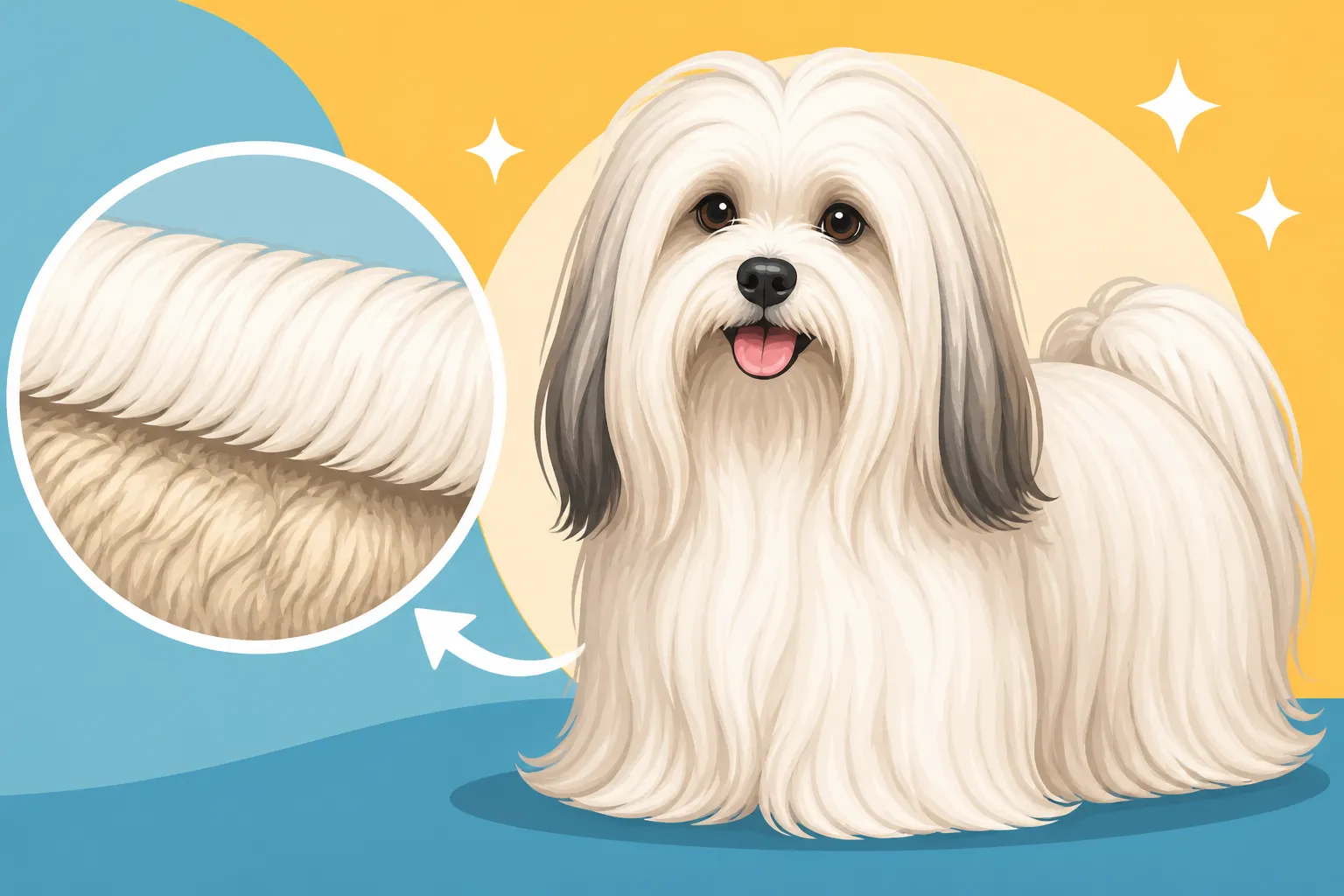
Many people hear "double coat" and immediately think of breeds like German Shepherds or Huskies with dense, woolly undercoats that shed profusely. While a Havanese does have a double coat, it's a very different animal altogether. Their outer coat is famously silky and soft, often described as feeling like fine human hair, or even spun glass in some lines. Beneath this flowing topcoat lies a much lighter, softer undercoat. This combination is what gives the Havanese its characteristic volume and flowing movement.
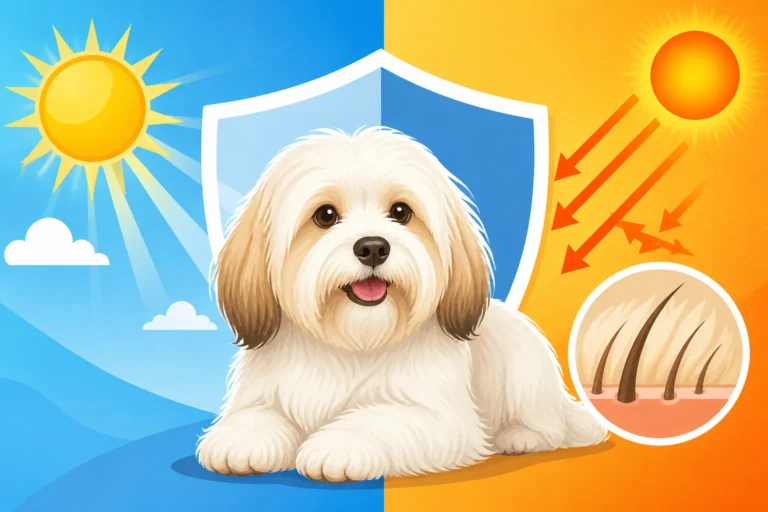
The primary function of this double layer, historically, was protection. In their native Cuba, the coat provided insulation against both the tropical heat and the humidity, and surprisingly, against cooler evenings. Unlike many double-coated breeds, the Havanese outer coat is long and flowing, not coarse, which contributes to its elegant appearance and reduced shedding. It's a sophisticated design, but one that requires a consistent commitment to grooming.
The "Silky" Texture Myth vs. Reality
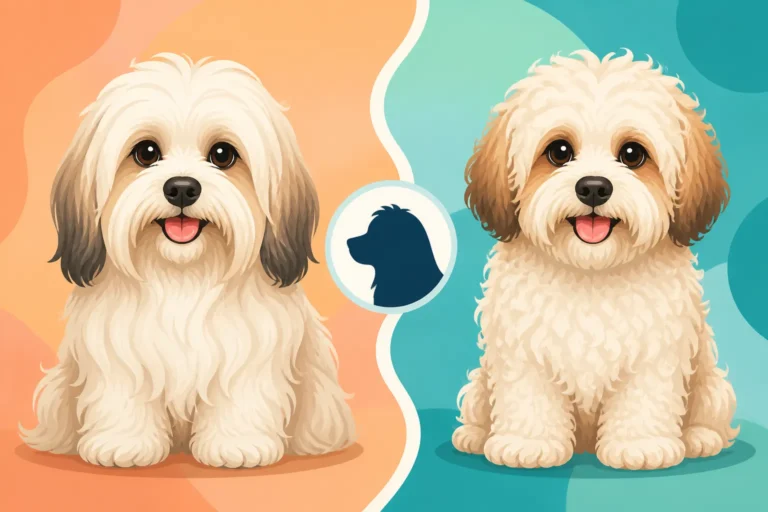
When the breed standard calls for a "silky" coat, it sets a certain expectation. And indeed, a well-cared-for Havanese coat can be incredibly soft and luxurious to the touch, feeling like pure silk. However, the reality is that the actual texture can vary quite a bit, even within the breed. Some Havanese coats are incredibly fine and truly feel like silk, while others might have a slightly coarser texture, sometimes described as cottony or wavy. This isn't necessarily a fault, but it certainly impacts the grooming routine.
For example, a Havanese with a finer, silkier coat might be more prone to tangling into tiny, tight knots that can be hard to spot until they become serious mats. A slightly more cottony or wavy coat, while perhaps appearing to mat less frequently initially, can hold onto tangles more tenaciously once they form, especially if not thoroughly brushed. This variation means that while the general principles of Havanese grooming apply, you'll need to pay close attention to your individual dog's coat type and adjust your tools and techniques accordingly. Whether a Havanese Coat Is Silky or Wiry delves deeper into these variations.
Why a Havanese Coat Is Considered "Hypoallergenic"
The term "hypoallergenic" is a bit of a misnomer in the dog world; no dog is truly 100% hypoallergenic. However, Havanese are often recommended for people with allergies because their unique coat sheds very minimally. Instead of dropping hair and dander all over your furniture and floors, their shed hair tends to get caught within the longer outer coat. This traps the dander (microscopic flakes of skin) which is the primary allergen for most people, rather than releasing it into the environment.
This low-shedding quality is a huge relief for allergy sufferers, but it comes with a trade-off: those trapped hairs, if not regularly brushed out, will quickly form mats. It's a constant cycle of growth and retention, meaning daily or near-daily grooming isn't just for aesthetics, it's essential for the health and comfort of your Havanese. It means you're actively removing the allergen-laden hairs that would otherwise be shed, which is why a well-groomed Havanese can be a fantastic companion for those sensitive to dog allergens. You can find brushes and combs specifically designed for removing trapped hair on sites like Amazon, making the task a bit easier. Whether a Havanese Sheds explains this in more detail.
The Journey of a Havanese Coat: From Puppy to Floor-Length
The evolution of your Havanese's coat is one of the most fascinating, and sometimes frustrating, aspects of owning this breed. It's not a static thing; it changes dramatically from puppyhood to adulthood, and each stage presents its own set of challenges and joys. Understanding this journey helps you anticipate the intensive grooming periods and embrace the beauty of a fully mature coat.
The Adorable, Deceptively Simple Puppy Coat
When your Havanese puppy first comes home, their coat is typically short, soft, and remarkably easy to care for. It's a single layer of fine, downy hair that rarely tangles, and a quick brush a few times a week is usually all it needs. This is the stage where owners often think, "Oh, this isn't so bad!" and might even become a little complacent about grooming. However, this period of ease is temporary, a beautiful prelude to the real work to come.
During these early months, it's crucial to establish a positive grooming routine. Even if their coat doesn't need extensive brushing, getting your puppy used to being handled, brushed, and having their feet and ears touched is paramount. Use a soft brush, offer plenty of treats and praise, and make it a calm, enjoyable experience. This foundational training will pay dividends when their adult coat starts to come in, transforming a potentially stressful chore into a manageable bonding activity. Consider short, frequent sessions rather than long, infrequent ones.
The Notorious "Changeover" Period
Ah, the "changeover" – a phase that strikes fear into the hearts of many a new Havanese owner! Typically occurring between 8 and 18 months of age, this is when your Havanese puppy coat begins to shed out and is replaced by the denser, longer, double adult coat. Imagine trying to brush out a mixture of baby hair and adult hair, where the baby hair is constantly getting tangled in the new, stronger adult hair. That's essentially what's happening, and it's a matting disaster waiting to happen if you're not prepared.
During this period, your Havanese's coat will mat faster than you ever thought possible. A mat that wasn't there in the morning can appear by evening, seemingly out of nowhere. This is where many owners throw up their hands and opt for a short "puppy cut" – and there's absolutely no shame in that! If you are aiming for a longer coat, daily, thorough line brushing becomes non-negotiable. Skipping even one day can result in knots that take hours to untangle. This intense period doesn't last forever, but it demands consistent effort and patience. Why a Havanese Mats at Eight Months and Not Before offers strategies to navigate this challenging phase.
Achieving That Show-Stopping Floor-Length Elegance
Once your Havanese has navigated the treacherous waters of the coat change, and their adult coat has fully grown in, you'll be left with a truly magnificent, flowing coat that can reach the floor. This is the epitome of the Havanese breed's beauty, a testament to careful breeding and diligent grooming. While it's undeniably stunning, maintaining a coat of this length is a commitment, akin to caring for very long, fine human hair.
The key to keeping a floor-length coat healthy and mat-free is consistency and the right technique. Even though the "changeover" is over, daily brushing is still essential. Environmental factors like wind, rain, and even just playing can cause tangles that need to be addressed promptly. Many owners of long-coated Havanese will tie up the hair around their eyes in a topknot to prevent it from irritating the eyes or becoming wet and stained. This is a practical measure as much as an aesthetic one. Ultimately, a flowing coat is a labor of love, but the reward is a truly breathtaking companion. Whether a Havanese Coat Grows Forever touches on the continuous growth of this beautiful coat.
Daily Grooming Essentials for a Long Havanese Coat
Successfully managing a Havanese coat, especially one destined for floor-length splendor, boils down to a consistent daily routine and using the right tools. It's not just about spending time; it's about spending that time effectively and having the equipment that makes the job easier, not harder. Think of it as investing in your dog's comfort and appearance.
The Indispensable Tools of the Trade
You can't build a house without the right tools, and you certainly can't maintain a Havanese coat without a proper grooming kit. First and foremost, you'll need a good quality slicker brush. This isn't just any slicker brush; it should have pins that are firm enough to penetrate the coat but gentle enough not to scratch your dog's skin. A double-sided pin brush and bristle brush can also be very useful for finishing touches and lighter daily brushing on a less tangled coat.
Next, a metal comb is absolutely essential. You'll want one with both widely spaced teeth and narrowly spaced teeth. This comb is your mat detector and your finishing tool. It ensures you've gotten down to the skin and removed all tangles the slicker might have missed. Finally, a good detangling spray is a lifesaver. It lubricates the hair, making it much easier to work through tangles without causing pain or breakage. Brands like Chris Christensen offer highly-regarded grooming tools specifically designed for long, silky coats, and you can find a wide array of options on Chewy or Amazon. Which Brush Suits a Havanese goes into more detail about selecting the best brush.
| Grooming Tool | Primary Use | Key Feature for Havanese Coat |
|---|---|---|
| Slicker Brush | Removing loose hair, detangling, working through mats | Fine, angled wire bristles that reach the undercoat without scratching skin |
| Metal Comb | Checking for tangles, parting hair, removing small knots, finishing | Combination of wide and narrow teeth to cover different coat densities |
| Pin Brush | General brushing, fluffing the coat, distributing natural oils | Rounded pins that glide through the coat, especially useful for long coats |
| Detangling Spray | Lubricating hair to ease brushing, preventing breakage, reducing static | Light, non-greasy formula that aids in knot removal and adds shine |
| Blunt-nose Scissors | Safely trimming around eyes, paw pads, and sanitary areas | Rounded tips to prevent accidental pokes or cuts |
| Nail Clippers/Grinder | Keeping nails trimmed to prevent discomfort and potential paw issues | Size appropriate for small breeds, sharp blades or gentle grinding action |
Mastering the Art of Line Brushing
Line brushing is the secret weapon for anyone maintaining a long Havanese coat. It's a technique that ensures you're brushing every single strand of hair, from the skin out, rather than just skimming the top layers. Without it, mats will form at the base of the coat, close to the skin, which are the most painful and difficult to remove.
To line brush, start by parting the coat horizontally, typically starting at the bottom of the dog's leg or flank. Hold the upper hair out of the way, exposing a narrow "line" of coat. Then, using your slicker brush and working in small sections, brush up and out from the skin. Once you've thoroughly brushed that section, drop another small amount of hair down and repeat the process, working your way up the dog's body. Follow up each section with your metal comb to ensure all tangles are gone. This meticulous method might seem time-consuming at first, but it's the most effective way to prevent matting and keep the coat healthy.
Dealing with Common Matting Zones
No matter how diligent you are, some areas on a Havanese are simply mat magnets. These "hot spots" require extra attention during your daily grooming routine. The most common culprits include behind the ears, under the armpits, in the groin area, and under the collar or harness. Hair in these areas is often finer, subject to more friction, and more prone to moisture, creating a perfect storm for mats.
When you're brushing, make sure to gently lift the ears and thoroughly comb the hair behind them. For the armpits and groin, carefully raise your Havanese's legs to expose the delicate hair there. If your dog wears a collar or harness regularly, try to remove it during brushing and ensure you're getting underneath it. If you do find a small mat, saturate it with detangling spray, then gently tease it apart with your fingers or the wide teeth of your comb, working from the outside of the mat inwards. Never pull or try to rip a mat out, as this is incredibly painful for your dog. For severe matting, sometimes the kindest solution is a professional groomer. Whether a Matted Havanese Must Be Shaved discusses extreme matting.
Bathing and Drying Your Havanese: A Spa Day Challenge
Bathing a Havanese with a long, flowing coat isn't just about getting them clean; it's a critical part of coat maintenance. Doing it incorrectly can actually create mats, turning a simple bath into a grooming nightmare. Mastering the art of bathing and, crucially, drying, is essential for keeping that beautiful coat healthy and tangle-free.
Choosing the Right Shampoo and Conditioner
Just as with human hair, the right products make all the difference for your Havanese's coat. You'll want to select a high-quality dog shampoo and conditioner, preferably one formulated for long-haired or silky coats. Look for ingredients that are moisturizing and detangling. Avoid harsh shampoos that can strip natural oils, leading to dry, brittle hair that mats more easily. Many owners find success with shampoos containing natural oils like coconut or argan oil, and conditioners that are rich and creamy.
It's also a good idea to have a leave-in conditioning spray on hand, which you can use after bathing and during daily brushing. Some owners even dilute their shampoo and conditioner to ensure it's evenly distributed and rinses out completely, which is especially important for a dense coat. Always make sure the products are specifically for dogs; human shampoos have a different pH balance and can irritate a dog's skin. You can explore a wide range of options from reputable brands on Chewy or even through specialized pet boutiques.
The Two-Bath Method for Squeaky Clean Results
For a truly clean Havanese coat, many professional groomers and experienced owners swear by the "two-bath method." The first shampoo is designed to cut through grease and dirt, getting the initial grime off the coat. Lather thoroughly, paying attention to areas like the belly, armpits, and behind the ears, but avoid scrubbing vigorously in a circular motion, which can create tangles. Rinse this first shampoo out completely.
The second shampoo is for a deeper clean and to really bring out the coat's shine. Lather again, and this time, you can let the shampoo sit for a few minutes if desired, to allow the ingredients to work. After a thorough rinse, apply a generous amount of conditioner. Work the conditioner through the entire coat, letting it sit for several minutes before rinsing. This helps to soften the hair and prevent tangles before they even form. Make sure to rinse until the water runs clear and there's no residue left, as residue can attract dirt and cause skin irritation.
The Critical Importance of Thorough Drying
This is perhaps the most overlooked, yet most critical, step in bathing a Havanese: drying. Never, ever allow a Havanese with a long coat to air dry naturally. As the hair dries, it will knot and mat into an impenetrable felt. This is where those trapped hairs become a serious problem. You absolutely need to thoroughly dry your Havanese using a forced air dryer or a blow dryer on a cool or low-heat setting, along with your brush.
Start by gently squeezing excess water from the coat with a towel, but avoid rubbing aggressively. Then, using a low-heat or cool setting on your blow dryer, systematically dry the coat while line brushing. Part the hair in sections, just like you would for brushing, and dry each section completely, brushing it smooth as you go. This process ensures that the coat dries straight and tangle-free. A good quality pet force dryer can dramatically cut down drying time and help straighten the coat, but a human blow dryer on a cool setting works too. Patience here is key; rushing this step means you'll spend twice as long detangling later. Drying a Havanese Properly provides more in-depth advice on this crucial step.
Maintaining Optimal Coat Health Beyond Brushing
While daily brushing and proper bathing are the cornerstones of Havanese coat care, a truly healthy and vibrant coat also reflects overall well-being. What goes into your Havanese, and how you protect them from the elements, plays a significant role in the condition and beauty of their flowing hair. It's a holistic approach that pays off in a gleaming, manageable coat.
Nutrition for a Gleaming Coat
Just like with humans, a healthy diet is reflected in healthy skin and hair. For your Havanese, this means feeding a high-quality, complete, and balanced dog food. Look for foods with good sources of protein and healthy fats, particularly omega-3 and omega-6 fatty acids, which are crucial for skin and coat health. Many premium dog foods, like those found on Ollie or Chewy, specifically highlight these ingredients.
If your Havanese's coat seems dull or dry despite diligent grooming, it might be worth discussing diet with your veterinarian. They might suggest a fish oil supplement or recommend a food change. Be wary of fads and stick to reputable brands that meet nutritional standards. A healthy gut also contributes to a healthy coat, so ensuring good digestion is another piece of the puzzle. Remember, no amount of external grooming can fully compensate for an inadequate diet. Whether a Havanese Needs Small Breed Kibble touches on dietary needs for these little dogs.
Managing Tear Stains and Beard Woes
The beautiful, long facial hair of a Havanese is one of their defining features, but it also presents unique grooming challenges, primarily tear staining and beard staining. Tear stains are those reddish-brown streaks that appear under the eyes, caused by porphyrins in tears. Beard stains happen when food and water accumulate on the muzzle hair, leading to discoloration and sometimes even odor.
To combat tear stains, consistent daily wiping of the eye area with a damp cloth or a pet-safe tear stain wipe is crucial. Keeping the hair around the eyes trimmed short can also help, as longer hair can wick moisture and bacteria, exacerbating the problem. For beard stains, wipe your Havanese's muzzle after every meal and after they drink water. Some owners use a snood or offer water from a smaller bowl that doesn't soak their beard as much. Cleaning the Tear Marks Under a Havanese's Eyes offers more strategies for keeping your Havanese's face spotless.
Protecting the Coat from the Elements
A long, flowing Havanese coat is not only beautiful but also quite vulnerable to environmental factors. Rain, mud, snow, and even strong winds can wreak havoc on a meticulously brushed coat, turning it into a tangled mess in minutes. A wet, dirty coat is a prime candidate for matting, especially if it's allowed to dry naturally.
During inclement weather, consider doggy raincoats or sweaters to protect their coat when outside. After walks, especially in muddy or wet conditions, make it a habit to quickly towel dry and comb through their legs and belly to prevent small tangles from becoming big problems. In snowy conditions, snow can ball up in their paw hair, causing discomfort and mats, so trimming the hair between their paw pads is important. Even harsh sunlight can dry out and damage a long coat, so if your Havanese spends a lot of time outdoors, consider applying a pet-safe leave-in conditioner with UV protection. Whether a Havanese Overheats in Summer offers insights into how weather impacts your Havanese.
When to Seek Professional Help: Groomers and Their Expertise
While many Havanese owners take pride in their home grooming skills, there are times when a professional groomer is not just a luxury, but a necessity. A groomer can be an invaluable partner in maintaining your Havanese's coat, whether it's for routine upkeep, tackling a challenging situation, or simply giving you a break.
Recognizing When You're In Over Your Head
Let's be realistic: maintaining a long Havanese coat is a lot of work. There will be days when life gets in the way, or a particularly adventurous outing leaves your dog with a coat that feels beyond your skill level. If you encounter severe matting, especially mats that are close to the skin or spread over large areas, trying to remove them yourself can be incredibly painful for your dog and lead to skin irritation or even injury. This is a clear sign it's time to call in a professional.
Another indicator is if your Havanese becomes resistant to grooming, perhaps due to a previous painful experience with a tangle. A professional groomer has the tools, techniques, and often the calm demeanor to work through difficult coats with minimal stress to the dog. Don't feel guilty about seeking help; it's always better for your Havanese's well-being to address severe coat issues professionally rather than letting them suffer with painful mats.
Communicating with Your Groomer for the Best Results
A good relationship with your groomer is paramount. Before your first appointment, have a clear discussion about what you want for your Havanese's coat. Do you want to keep it long? Are you aiming for a specific "puppy cut" style? Show them pictures if you have a particular look in mind. Discuss any specific problem areas you've noticed, like matting behind the ears or sensitivity around the paws.
Be open about your dog's temperament, especially if they are nervous or reactive to certain tools. A good groomer will listen to your concerns and offer advice. They can also provide valuable tips for home care between appointments. Remember, they are professionals, and they want your Havanese to have a positive experience. Regular visits, typically every 4-6 weeks for a long-coated Havanese, will help maintain the coat and keep it manageable. What a Full Havanese Groom Costs will give you an idea of the expense involved.
Understanding the Cost of Professional Grooming
The cost of professional grooming for a Havanese can vary widely based on location, the groomer's experience, the specific services requested, and the condition of your dog's coat. Generally, due to their long, high-maintenance coats, Havanese grooming tends to be on the higher end for small breeds. A standard full groom usually includes bathing, drying, brushing, nail trim, ear cleaning, and a haircut if desired.
You might find that a groomer charges more for a matted dog due to the extra time and effort required for dematting, or they may even refuse service if the matting is too severe and painful for the dog to endure. Regular, consistent grooming actually helps keep costs down in the long run, as preventative care is always less expensive than corrective care. Always inquire about pricing upfront and clarify what's included in the service. Consider it an investment in your Havanese's health and happiness. Whether Learning to Groom a Havanese Yourself Pays Off explores the financial aspects of home versus professional grooming.
Embracing Different Coat Styles: Beyond the Floor-Length
While the image of a Havanese with a long, flowing, floor-length coat is iconic, it's certainly not the only option, nor is it always the most practical for every owner or every dog. Many Havanese live happy, comfortable lives with shorter, more manageable clips, and there are even unique styles like cording that offer a completely different aesthetic.
The Popular "Puppy Cut" and Its Variations
The "puppy cut" is, by far, the most popular choice for Havanese owners, and for good reason. This style involves clipping the entire body to a uniform, shorter length, usually between one and three inches, while still leaving enough hair to maintain the breed's soft, fluffy appearance. It’s called a "puppy cut" because it often resembles the easy-to-manage coat of a young puppy.
The benefits are numerous: significantly reduced matting, easier bathing and drying, and generally less daily maintenance. It's an excellent option for active dogs, families with young children, or owners who simply don't have the time for daily, extensive brushing. While it requires regular trips to the groomer to maintain the length, the time saved on daily home grooming is substantial. Your Havanese will still look absolutely adorable, just with a more practical, low-fuss coat. The Puppy Cut Most Havanese Owners End Up Choosing dives into the specifics of this beloved style.
The Unique Commitment of Cording
For those seeking a truly distinctive and relatively low-maintenance adult coat, cording is an option, though it's much rarer. Cording involves encouraging the Havanese's coat to naturally separate into long, rope-like dreadlocks, similar to a Puli or Komondor. This is a very specific process that requires a certain coat texture and a significant initial commitment.
The process of cording involves meticulous separation of the coat as it grows, ensuring the cords form evenly and don't mat into a single pelt. Once established, corded coats require different care than brushed coats – they are typically not brushed, but rather bathed and then carefully squeezed dry, often taking a very long time to dry completely. While a corded coat doesn't demand daily brushing, it does require careful maintenance to keep the cords clean, healthy, and free of mildew. It's a statement look, but definitely not for the faint of heart, and not all Havanese coats are suitable for cording. What Cording a Havanese Costs to Maintain discusses the resources needed for this style.
Keeping It Short: Practical Clips for an Active Lifestyle
Beyond the "puppy cut," there are many variations of shorter clips that cater to different lifestyles and aesthetic preferences. Some owners opt for an even shorter clip, especially during warmer months or if their dog is very active outdoors. A shorter trim on the body, combined with slightly longer legs or a fluffy head, can create a customized look that still highlights the Havanese's charm.
The main advantage of these shorter clips is practicality. They dramatically cut down on the time needed for brushing, reduce the chances of mats, and make it easier to keep your Havanese clean after adventures. This doesn't mean you can skip grooming entirely – regular bathing, nail trims, and sanitary trims are still essential. But for owners who prioritize ease of care and their dog's comfort in various activities, a short, practical clip is a fantastic choice that allows a Havanese to be a happy, carefree companion.
Disclaimer
This article is for general informational purposes only and does not constitute professional advice. Laws, prices and regulations vary by location and change over time. Consult a qualified professional for guidance on your specific situation.