Whether a Havanese Is a Fussy Eater
It’s a scenario many Havanese owners know all too well: you carefully prepare a delicious meal, only for your beloved companion to sniff at it disdainfully, perhaps take a tentative bite, and then walk away as if you’ve offered them plain cardboard. The frustration of trying to feed a seemingly picky Havanese can be utterly draining, leaving you worried about their nutrition and constantly second-guessing your choices. This guide is here to unravel the mystery behind Havanese eating habits, explore common reasons for fussiness, and equip you with practical, empathetic strategies to ensure your little fluffball gets the nourishment they need without turning every meal into a battle.
Understanding the Havanese Appetite: Are They Naturally Picky?
Many small breed owners, myself included, often wonder if their dog's finicky eating is just "a Havanese thing." It’s a valid question, especially when you compare them to those larger breeds that seem to inhale their food in seconds. While there isn't a universal "picky eater" gene exclusively for Havanese, their delicate size, sensitive natures, and historical role as pampered companions can certainly contribute to behaviors that we perceive as fussiness.
The Breed's General Disposition Towards Food
Havanese, with their charming, intelligent, and somewhat sensitive personalities, often reflect their owner's anxieties or routines at mealtime. They aren't typically driven by an insatiable, wolf-like hunger that many working breeds possess. Instead, they were bred for companionship, often sharing the lives of Cuban aristocracy, where they might have been accustomed to a more varied or even human-food-centric diet. This background, coupled with their smaller stomach capacity, means they naturally eat less per sitting than a larger dog. When you then add in their inherent cleverness, they can quickly learn that holding out might lead to tastier alternatives. They are smart little cookies, and they pick up on patterns faster than you might think!
It's easy to project our human eating habits onto them. We enjoy variety, special treats, and sometimes we're just not hungry. A Havanese can be much the same. They might have less drive to "wolf down" their food if they're not particularly hungry, if they're feeling a bit off, or if they've learned that a better offer might come along if they wait. This isn't necessarily a fault in their character; it's often a learned behavior or a reflection of their individual metabolism and preferences.
Factors Influencing a Havanese's Eating Habits
Beyond their breed disposition, a multitude of factors can influence whether your Havanese approaches their bowl with gusto or indifference. Their environment plays a huge role. A noisy, chaotic household might make a sensitive Havanese hesitant to eat, preferring a quieter time. Even the type of bowl can matter – some dogs dislike metal bowls, while others might find a raised feeder more comfortable. How Much an Adult Havanese Eats Daily is a good starting point to understand typical intake, but remember, every Havanese is an individual.
The quality and palatability of the food itself are paramount. Just like us, dogs have taste preferences. What one Havanese devours, another might turn their nose up at. The texture, smell, and even the size of the kibble can impact their willingness to eat. A Havanese, with its small mouth and delicate teeth, might struggle with large, hard kibble, which could then be perceived as pickiness when they're simply having difficulty chewing. It’s also important to consider if there have been recent changes in their diet, routine, or even their emotional state. A new family member, a move, or even a slight upset in your own day can register with your Havanese and manifest as a reduced appetite.
Comparing Havanese to Other Small Breeds
When we talk about "fussy eaters," it's helpful to compare Havanese to other small breeds. Many toy breeds can be perceived as picky, and there's a reason for that. They have tiny stomachs, burn fewer calories than active working breeds, and often spend a lot of time indoors, where they might not get the intense exercise that builds a ravenous appetite.
For instance, a Maltese or a Bichon Frise might exhibit similar "picky" behaviors due to their size and sensitive digestive systems. On the other hand, a Jack Russell Terrier, despite being small, often has a much more robust appetite thanks to its energetic, prey-driven nature. Havanese tend to fall somewhere in the middle, generally not as voracious as some terriers, but often less notoriously finicky than, say, some of the very fine-boned, less robust toy breeds. Understanding these nuances helps us manage expectations and tailor our approach. It also reminds us that while their size means they eat less, they still need nutrient-dense, high-quality food.
Here's a quick comparison of general eating considerations across different food types for a Havanese:
| Food Type | Pros for Havanese | Cons for Havanese | Considerations for Picky Eaters |
|---|---|---|---|
| Dry Kibble | Convenient, cost-effective, aids dental health | Can be less palatable, some dogs find it boring, lower moisture | Look for small kibble size, good quality ingredients; consider adding toppers |
| Wet/Canned Food | Highly palatable, high moisture content, softer | More expensive, can contribute to dental issues, shorter shelf-life | Excellent for encouraging eating, mix with kibble for texture variety |
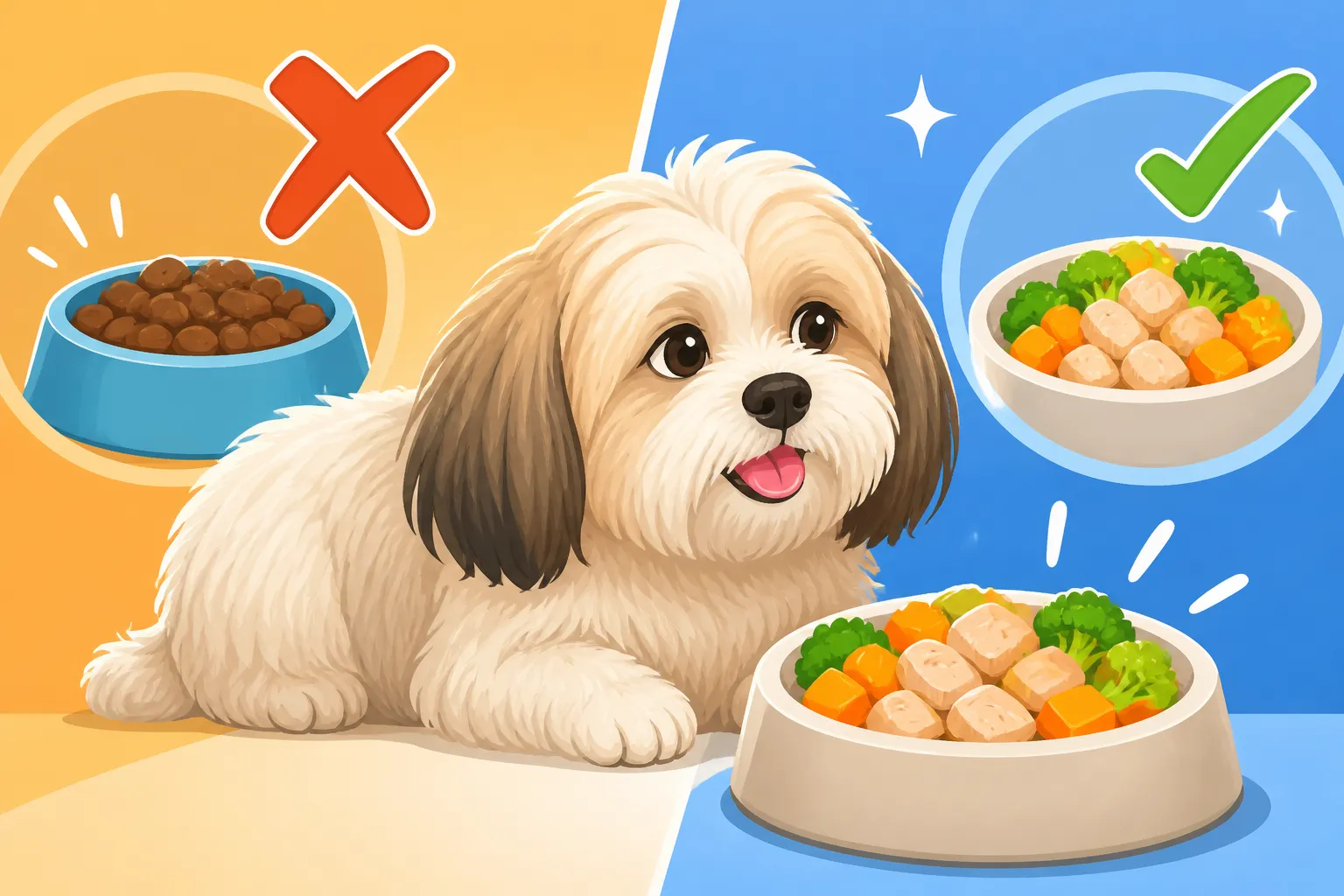
| Fresh/Cooked | Very palatable, high quality ingredients, digestible | Higher cost, requires preparation, specific nutritional balance | Often a game-changer for pickiness, but ensure it's balanced (like Ollie) |
| Raw Food | Highly palatable, nutrient-dense, natural | Higher cost, potential for bacterial contamination, requires careful handling | Can be very appealing to picky eaters, but research and preparation are crucial |
| Freeze-Dried | Palatable, lightweight, shelf-stable, less messy than raw | Higher cost, can be less digestible for some, requires rehydration | Good topper or primary food for pickiness, offers texture variety |
Common Reasons a Havanese Might Be a Fussy Eater
It's frustrating when your Havanese stares blankly at their bowl, but understanding why they might be acting this way is the first step to solving the problem. It's rarely out of spite! Often, it boils down to health, behavior, or even our own well-intentioned habits.
Medical Concerns and Dietary Sensitivities
First and foremost, any sudden or prolonged change in appetite should always prompt a visit to your veterinarian. A Havanese that suddenly stops eating or becomes unusually picky could be experiencing a medical issue. Dental problems are incredibly common in small breeds like the Havanese. Dental Crowding in a Havanese Mouth can lead to discomfort, making chewing painful, and retained baby teeth can cause misalignment and food trapping. Imagine trying to eat your favorite meal with a toothache – it’s just not going to happen with enthusiasm. Beyond dental issues, underlying conditions such as gastrointestinal upset, parasites, infections, or even more serious illnesses can manifest as a reduced appetite. What a Congenital Liver Shunt Does to a Havanese or even Whether a Havanese Gets Pancreatitis are serious health concerns that can severely impact a dog's desire to eat.
Furthermore, Havanese can develop dietary sensitivities or allergies. Certain ingredients, like specific proteins or grains, might cause stomach upset, skin issues, or general discomfort after eating. If your Havanese consistently seems hesitant after eating a particular food, or shows signs like vomiting, diarrhea, or itchy skin, it's worth discussing potential sensitivities with your vet. They might recommend an elimination diet or a novel protein source to identify the culprit. Sometimes, what looks like pickiness is simply your dog's intelligent way of avoiding something that makes them feel unwell.
Behavioral and Environmental Factors
Once medical issues are ruled out, behavioral and environmental factors often come into play. Havanese are sensitive dogs, and their eating habits can be affected by stress, anxiety, or changes in their routine. A new pet, a move to a different house, or even increased household noise can make them feel insecure enough to avoid their food. Even where their bowl is placed matters. If it's in a high-traffic area, or near a loud appliance, they might feel too vulnerable or distracted to eat comfortably. Consider if your Havanese has a quiet, safe spot where they can eat without interruption.
Another common behavioral component is the "treat dilemma." Let's be honest, Havanese are adorable, and it's incredibly easy to overdo it with treats, table scraps, or training rewards. While a few treats are fine, if your Havanese is filling up on calorie-dense goodies throughout the day, they simply won't be hungry for their regular meals. They're not being "picky"; they're just full! Sometimes, it's even a learned behavior where they know that if they hold out on their regular food, something more exciting (like a piece of chicken from your plate) will eventually appear. They are incredibly clever, and they learn these patterns quickly.
Owner Habits That Contribute to Pickiness
It’s tough to admit, but sometimes we are inadvertently training our Havanese to be picky. One of the biggest culprits is free-feeding. Leaving a bowl of kibble out all day might seem convenient, but it removes any sense of urgency or routine. Your Havanese learns that food is always available, so there's no need to eat it now. This can also lead to spoiled food if it sits out too long, making it even less appealing.
Another common habit is "meal doctoring." When your Havanese turns up their nose at their kibble, it's natural to try to entice them by adding cheese, chicken broth, or canned food. While this might get them to eat in the short term, it teaches them that if they refuse the plain food, something better will come along. Soon, you're constantly upgrading their meals, and they've learned to hold out for the gourmet option. This can become an expensive and time-consuming cycle! Similarly, Whether a Havanese Begs at the Table is a significant indicator of how much human food they might be getting. Frequent table scraps, even in small amounts, can diminish their appetite for their balanced dog food and create a preference for "people food." It’s a hard habit to break, both for them and for us!
Strategies for Encouraging Healthy Eating Habits
So, how do we turn a picky eater into a happy, healthy chowhound? It involves patience, consistency, and sometimes a little tough love, all while keeping your Havanese's well-being at the forefront.
Establishing a Consistent Feeding Routine
One of the most effective strategies is to establish a strict, consistent feeding schedule. Havanese thrive on routine, and knowing when to expect their meals helps regulate their appetite. Instead of free-feeding, offer meals at specific times each day – typically twice a day for adult Havanese, as discussed in When a Havanese Drops to Two Meals. For younger puppies, The Meal Schedule a Havanese Puppy Needs will involve more frequent, smaller meals. Present the food for a set period, say 15-20 minutes. If your Havanese doesn't eat within that time, pick up the bowl. No fuss, no alternative offerings, no begging. They’ll quickly learn that this is their opportunity to eat.
It might feel cruel at first, especially if they skip a meal or two. But a healthy dog will not starve themselves. They will eat when they're truly hungry. This method helps them understand that food isn't constantly available and they need to take advantage of mealtime. Consistency also applies to where they eat. Choose a quiet, low-traffic area for their bowl, away from the hustle and bustle of family life. This allows them to feel safe and relaxed while they eat. Over time, this routine helps build a healthy appetite and reduces the expectation of getting something "better" if they wait.
Choosing the Right Food Type and Quality
The type and quality of food you offer can significantly impact a Havanese's willingness to eat. Since they are small, their diet needs to be nutrient-dense, even in small portions. Look for high-quality dog foods that list a named meat source (like "chicken" or "salmon") as the first ingredient, rather than generic "meat meal" or fillers. Whether a Havanese Needs Small Breed Food is also a common question, and often, small breed formulas offer appropriately sized kibble that's easier for their little mouths to manage.
Experiment with different textures and forms. If dry kibble isn't a hit, consider mixing it with a bit of warm water or low-sodium broth to soften it and release more aroma. Some Havanese thrive on a mixed diet of dry and wet food, or even fresh food options. Brands like Ollie, for instance, offer human-grade fresh dog food that can be incredibly appealing to picky eaters due to its palatability and freshness. You can find a wide range of options on platforms like Chewy or Amazon, allowing you to read reviews and compare ingredients to find what might tempt your Havanese. Remember, once you find a food they enjoy and that agrees with their system, try to stick with it to avoid digestive upset from frequent changes.
Making Mealtime an Enjoyable Experience
Mealtime shouldn't be a stressful negotiation; it should be a positive experience for your Havanese. Instead of just plopping the bowl down, try engaging them a little. A short walk or a play session before meals can stimulate their appetite. For some Havanese, a puzzle feeder or a slow feeder bowl can turn eating into a fun mental exercise, especially if they tend to gobble their food too quickly. These tools can make them "work" a little for their meal, which can increase their interest.
Consider warming their wet food slightly to enhance its aroma, or sprinkling a tiny amount of a potent, healthy topper like freeze-dried liver bits. This isn't "meal doctoring" if it's a consistent, small addition designed to make their regular food more enticing, rather than a constantly changing array of human foods. Another trick is to simply sit quietly near them while they eat, offering a calm, reassuring presence without hovering or coaxing. Sometimes, a Havanese just needs to feel secure and have a peaceful environment to enjoy their meal. If they're particularly sensitive, ensuring they won't be disturbed by children or other pets during their meal is also key.
When to Be Concerned: Recognizing True Eating Problems
While some Havanese are just naturally more discerning about their meals, there's a fine line between a picky eater and a dog with a genuine health or behavioral issue. Knowing when to escalate your concerns to a professional is vital for your Havanese's long-term health.
Differentiating Pickiness from Illness
A truly picky Havanese might skip a meal but will generally remain energetic, playful, and otherwise seem completely normal. When they do eat, they usually enjoy their food, even if it's a smaller portion. They might be waiting for a better option, or simply not ravenously hungry, but they won't show signs of distress. This kind of pickiness is often a learned behavior that can be addressed with consistent routines and appropriate food choices.
However, if your Havanese is experiencing a true eating problem, you'll likely notice other symptoms. This isn't just about not finishing their bowl. Are they lethargic? Are they vomiting or having diarrhea? Is there a noticeable change in their stool? Are they losing weight? Are they suddenly refusing foods they used to love, even with enticing toppers? These are critical signs that something more serious than mere pickiness is at play. The Signs a Havanese Is Getting Old can include a decreased appetite, but this should always be checked by a vet to rule out treatable conditions. Always trust your gut feeling as an owner – if something just doesn't seem right, it probably isn't.
Red Flags That Warrant a Vet Visit
It's better to be safe than sorry when it comes to your Havanese's health. Here are some definite red flags that mean it's time to call your veterinarian without delay:
- Complete Refusal to Eat: If your Havanese goes more than 24 hours without eating anything, even high-value treats, this is a serious concern.
- Vomiting or Diarrhea: Especially if persistent or accompanied by blood.
- Lethargy or Weakness: A sudden decrease in energy levels, reluctance to play, or difficulty getting up.
- Weight Loss: Any unexplained or rapid weight loss is a significant warning sign. You can learn more about managing weight with Getting Weight Off a Havanese if they're overweight, but unexplained weight loss is different.
- Changes in Drinking Habits: Drinking significantly more or less water can indicate underlying health issues.
- Pain or Discomfort: Whining, trembling, reluctance to be touched, or difficulty moving. This could be anything from a dental issue to internal pain.
- Changes in Gums or Mucous Membranes: Pale, blue, or yellow gums are an emergency.
- Behavioral Changes: Sudden aggression, disorientation, or excessive hiding.
- Fever: Any elevated body temperature.
These symptoms, especially when combined with a lack of appetite, point towards a medical problem that needs professional diagnosis and treatment.
The Importance of Professional Guidance
Your veterinarian is your best resource for distinguishing between picky eating and a medical problem. They can perform a thorough physical examination, dental check, and possibly blood work or other diagnostic tests to rule out any underlying health issues. What a Havanese's Yearly Checkup Costs is an investment in their health, precisely for catching these kinds of issues early. If a medical condition is found, they can recommend the appropriate treatment, which might involve medication, a special diet, or further procedures.
Even if all medical causes are ruled out, your vet can offer tailored advice on managing pickiness. They might refer you to a veterinary nutritionist who can help formulate a balanced and enticing diet, or a veterinary behaviorist if anxiety or stress is a primary factor. Never try to self-diagnose or treat an eating problem based on internet searches alone. Your Havanese deserves a proper professional assessment to ensure their long-term health and happiness.
Navigating Food Choices for Your Havanese
Choosing the right food for a Havanese, especially a fussy one, can feel like a labyrinth. With so many options available, how do you decide what's best?
Exploring Different Food Formulations
The pet food market is vast, offering everything from traditional kibble to raw and fresh-cooked diets. Each has its pros and cons, and what works for one Havanese might not work for another.
- Dry Kibble: This is the most common and often most economical choice. For a Havanese, look for smaller kibble sizes to aid chewing. If your Havanese is particular, opting for a higher quality brand with enticing ingredients (like a savory chicken or salmon) can make a big difference. Many owners find good options for their Havanese on Chewy, which allows them to explore various brands and formulas specifically designed for small breeds.
- Wet/Canned Food: Often more palatable due to its higher moisture content and stronger aroma, wet food can be a great way to entice a picky eater. It's softer, making it easier for Havanese with sensitive teeth to consume. You can feed it alone or mix a spoonful with kibble to add appeal.
- Fresh/Cooked Diets: These diets, like those offered by Ollie, are gaining popularity because they use human-grade ingredients and are often gently cooked. The freshness and palatability can be a game-changer for extremely fussy Havanese. They often come in pre-portioned meals, taking the guesswork out of feeding How Much a Havanese Should Eat. However, they are typically more expensive and may require refrigeration. Whether Fresh Food Suits a Havanese is a common question, and for many picky eaters, it does.
- Raw Diets: Raw feeding involves feeding uncooked meat, bones, and organs. Proponents argue it's the most natural diet, but it requires careful handling to prevent bacterial contamination and must be nutritionally balanced to avoid deficiencies. Whether a Havanese Can Eat Raw is a choice some owners make, but it’s crucial to consult with a vet or a veterinary nutritionist to ensure it's done safely and correctly for a small breed.
- Freeze-Dried or Dehydrated: These are often fantastic toppers or complete meals that offer the benefits of raw or fresh food in a more shelf-stable format. They can be rehydrated or crumbled over kibble to add a burst of flavor and texture, often turning a dull meal into something exciting. You can find many varieties on Amazon.
The key is to observe your Havanese's preferences and reactions to different foods. If you introduce a new food, do it gradually over several days to avoid upsetting their stomach.
The Role of Treats and Supplements
Treats are an important part of training and bonding, but they can quickly contribute to pickiness if overused. It's easy to spoil a Havanese with too many treats, leading them to hold out for the good stuff. For training, use small, low-calorie treats, and ensure they don't make up a significant portion of their daily caloric intake. Treats That Suit a Havanese in Training are usually pea-sized and highly motivating.
As for supplements, always consult your vet before adding anything to your Havanese's diet. A high-quality commercial dog food should be nutritionally complete and balanced. While some owners use fish oil for coat health or probiotics for digestion, these should only be given if there's a specific need identified by your vet. For instance, Whether a Havanese Needs Fish Oil for Its Coat might be a question for your vet if their coat seems dry or dull, but it's not a general necessity for all Havanese. Remember, supplements are meant to supplement a balanced diet, not replace missing nutrients from an inadequate one.
Handling Dietary Transitions
Changing your Havanese's food, whether due to pickiness, a vet's recommendation, or just trying a new brand, must be done slowly and carefully. A sudden switch can lead to digestive upset, including vomiting or diarrhea, which will only exacerbate any eating issues.
A good rule of thumb is to transition over 7-10 days:
- Days 1-2: Mix 25% new food with 75% old food.
- Days 3-4: Mix 50% new food with 50% old food.
- Days 5-6: Mix 75% new food with 25% old food.
- Days 7-10: Serve 100% new food.
During this period, closely monitor your Havanese for any signs of digestive distress or continued refusal to eat. If they show signs of an upset stomach at any point, slow down the transition further. Some particularly sensitive Havanese might need an even longer transition period. If a food causes persistent issues or they absolutely refuse it, it's time to try a different option and consult with your veterinarian for guidance. Patience is truly a virtue when making dietary changes for your Havanese.
Disclaimer
This article is for general informational purposes only and does not constitute professional advice. Laws, prices and regulations vary by location and change over time. Consult a qualified professional for guidance on your specific situation.