Whether a Havanese Begs at the Table
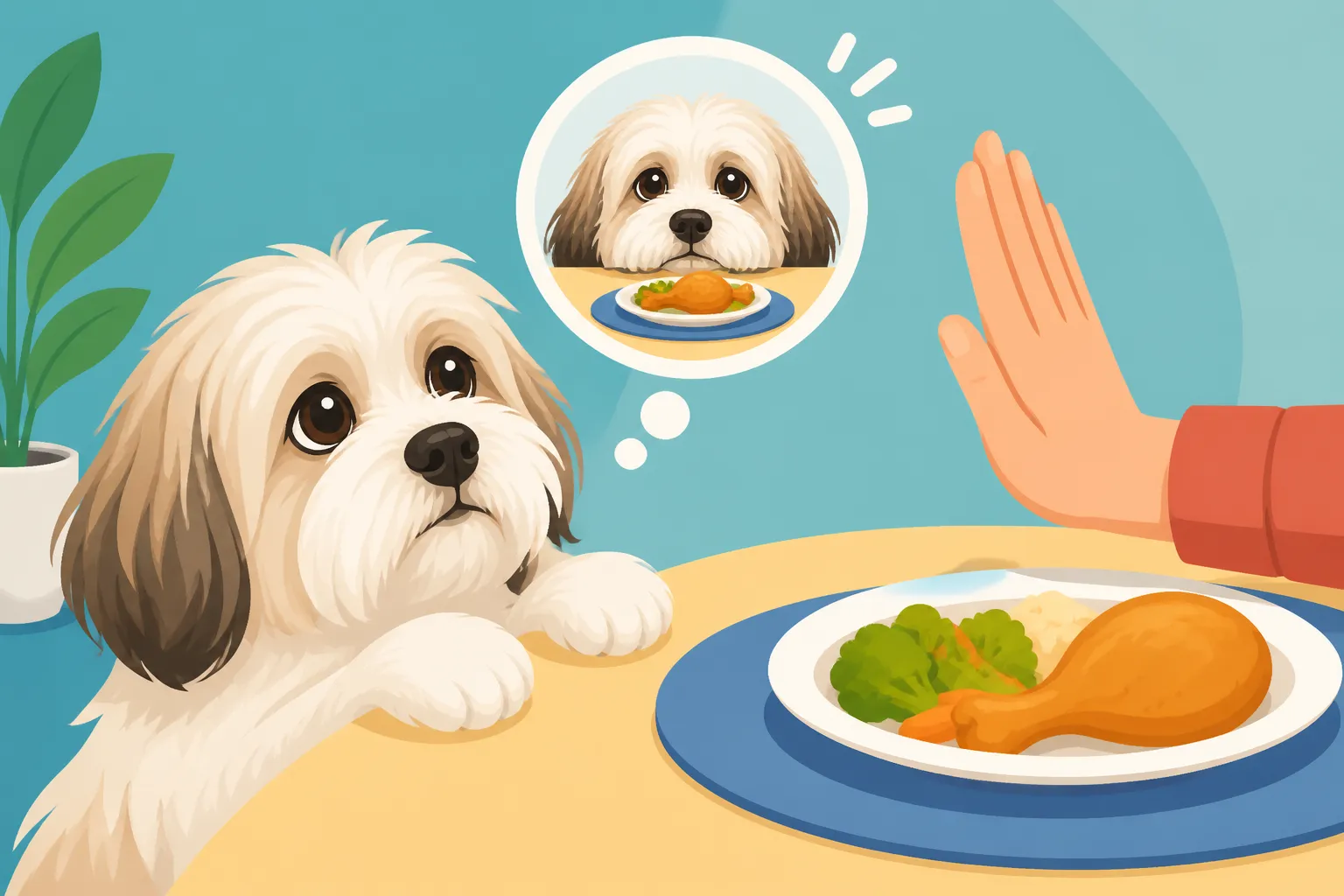
Oh, the infamous "puppy dog eyes" from under the dinner table! If you're a Havanese owner, you know exactly what I'm talking about. That adorable little face, those soulful brown eyes, maybe a soft whine or a paw gently placed on your knee – it's a relentless campaign designed to break your resolve and score some tasty human morsels. It's a common struggle, and it can feel impossible to resist, but letting your Havanese indulge in table scraps can lead to serious health issues and reinforce a habit that makes mealtimes a battleground. This guide will walk you through why your sweet Havanese acts like a seasoned beggar and, more importantly, how you can reclaim your dinner peace while keeping your furry friend healthy and happy.
Why Your Havanese Has Mastered the Art of Table Begging
Let's face it, our Havanese are master manipulators when it comes to getting what they want, especially food. Their charming personalities, combined with their intelligence, make them incredibly adept at training us. But there are also some deeper reasons behind this persistent begging that go beyond just cuteness.
The Companion Dog Instinct
Havanese were bred for companionship, originally charming Cuban aristocrats and, later, families. They thrive on being close to their people, being involved in everything you do. When you're gathered around the table, enjoying a meal, it's natural for your Havanese to want to be part of that family activity. They see you eating, smell delicious aromas, and naturally want to share in the experience. They aren't trying to be naughty; they're simply trying to connect and participate.
Imagine your Havanese, nestled by your feet, observing your every move. Their entire world often revolves around your presence and activities. When a meal starts, they don't understand it as "human food time"; they understand it as "family together time" with the added bonus of tantalizing smells. This instinct to be involved is very strong. If they've ever received even a tiny crumb from the table, they've learned that staying close during mealtimes can be rewarding. It's a prime example of positive reinforcement, even if it's unintentional on your part.
Intelligent Learners and Routine Creators
Havanese are intelligent little dogs, often praised for their quick wit and ability to learn tricks. This intelligence extends to understanding routines and consequences, too. If they've learned that sitting politely (or less politely!) under the table occasionally results in a dropped piece of chicken or a forbidden bite of toast, they'll keep doing it. They're smart enough to connect the dots: human eating = potential treats. It's a very simple, yet powerful, equation for them.
Think about it: dogs are creatures of habit. If you consistently eat at a certain time, your Havanese quickly learns that schedule. Then, if they're rewarded for their begging behavior, even inconsistently, that behavior becomes ingrained. They don't need a reward every single time; intermittent reinforcement is actually incredibly powerful in creating persistent behaviors. It's like a slot machine—you never know when you'll hit the jackpot, so you keep trying! This makes it even harder to break the habit once it's started. They'll try every trick in their book, from staring intently to little whimpers, because it's worked before.
The Serious Impact of Table Scraps on Havanese Health
While a tiny piece of unseasoned chicken might seem harmless, consistently feeding your Havanese human food from the table can have significant and detrimental effects on their health. Their digestive systems are very different from ours, and many common human foods are not only unhealthy but outright dangerous for them.
Digestive Upset and Pancreatitis
One of the most immediate and common problems caused by table scraps is digestive upset. Rich, fatty, or seasoned foods can easily cause diarrhea, vomiting, and stomach pain in your Havanese. These aren't just unpleasant; prolonged or severe digestive issues can lead to dehydration and other complications.
Even more serious is the risk of pancreatitis, especially from fatty foods like bacon, gravies, or fried items. Pancreatitis is an inflammation of the pancreas, which can be incredibly painful and life-threatening. The pancreas is responsible for producing digestive enzymes and insulin. When it becomes inflamed, it can leak enzymes into the abdominal cavity, effectively digesting itself. Symptoms include severe abdominal pain, vomiting, diarrhea, lethargy, and loss of appetite. Havanese, being a smaller breed, can be particularly susceptible to such severe reactions. A single rich meal can trigger a pancreatitis attack, requiring emergency veterinary care and a specific, often bland diet for recovery. It's simply not worth the risk. Whether a Havanese Gets Pancreatitis is a very real concern for this breed.
Obesity and Related Health Issues
Just like humans, dogs gain weight when they consume more calories than they burn. Table scraps often add significant extra calories to your Havanese's daily intake, pushing them towards obesity. Even small bits here and there add up quickly, especially for a small breed like a Havanese who only needs a specific amount of food daily. Feeding a Havanese That Weighs Twelve Pounds requires careful portion control.
Obesity in Havanese, as in any dog, leads to a cascade of health problems. It puts extra strain on their joints, potentially worsening conditions like patellar luxation (slipping kneecaps), a common concern in Havanese. It also increases the risk of heart disease, diabetes, respiratory problems, and can shorten their lifespan. An overweight Havanese will have less energy, struggle to play, and generally have a lower quality of life. Keeping your Havanese at a healthy weight is crucial for their long-term well-being and mobility. You want them to be able to enjoy their zoomies and walks for many years, which means saying no to those extra calories. If you're ever in doubt about your Havanese's ideal weight, a quick chat with your vet is always a good idea. Remember, Whether a Havanese Should Be Kept Slim for Its Joints is a key part of responsible ownership.
Toxic Foods and Choking Hazards
Beyond general unhealthy foods, many common human foods are toxic to dogs, even in small amounts. Chocolate, xylitol (a sugar substitute found in many sugar-free products), onions, garlic, grapes, raisins, and avocado are just a few examples that can cause severe illness or even death. Cooked bones are also extremely dangerous, as they can splinter and cause internal damage or choking. Even seemingly harmless items like corn on the cob can be a choking hazard or cause intestinal blockage.
It's easy to forget in the moment of mealtime generosity, but knowing Foods That Are Dangerous to a Havanese is critical. What might be fine for you could be deadly for your Havanese. The risk of accidental ingestion or a well-meaning relative slipping something toxic is high when begging is allowed. It creates a chaotic environment where it's hard to monitor every bite. Instead of sharing your food, offer appropriate dog treats or their regular meal in a designated area.
Here's a quick overview of some common risks:
| Food Category | Risk to Havanese | Potential Symptoms |
|---|---|---|
| Fatty/Rich Foods | Pancreatitis, digestive upset, obesity | Vomiting, diarrhea, severe abdominal pain, lethargy, loss of appetite |
| Salty Foods | Sodium ion poisoning, dehydration | Vomiting, diarrhea, excessive thirst, lethargy, tremors, seizures |
| Sugary Foods | Obesity, dental problems, diabetes | Weight gain, hyperactivity followed by lethargy, increased thirst and urination |
| Chocolate | Theobromine toxicity (darker chocolate is worse) | Vomiting, diarrhea, hyperactivity, tremors, seizures, heart problems |
| Xylitol | Rapid insulin release, liver failure | Vomiting, weakness, loss of coordination, seizures, collapse (even small amounts are toxic) |
| Onions/Garlic | Red blood cell damage (anemia) | Lethargy, weakness, pale gums, rapid breathing, vomiting, diarrhea |
| Grapes/Raisins | Kidney failure (even small amounts can be dangerous) | Vomiting, diarrhea, lethargy, decreased appetite, abdominal pain, increased thirst |
| Cooked Bones | Choking, internal perforations, blockages | Choking, vomiting, straining to defecate, severe abdominal pain |
| Alcohol | Alcohol poisoning (toxic to nervous system and organs) | Vomiting, diarrhea, disorientation, tremors, difficulty breathing, coma, death |
Effective Strategies to Stop Table Begging
Stopping a learned behavior takes consistency, patience, and a united front from everyone in the household. It's not about being mean; it's about setting clear boundaries for your Havanese's health and your own peace of mind.
Establish a "Place" or Designated Area During Mealtimes
One of the most effective strategies is to teach your Havanese to go to a specific "place" or bed during human mealtimes. This is a powerful management tool that gives them a clear alternative to begging. Start by rewarding them heavily for staying on their mat or bed with high-value dog treats (not human food!). Gradually increase the time they need to stay there before getting a reward, and eventually, introduce it during mealtimes.
Consistency is key here. Every single time you eat, your Havanese goes to their place. If they get up, gently guide them back without scolding, then reward them when they settle. It's a process that might take a few weeks, but it's incredibly worthwhile. You can use a comfortable dog bed or a crate with a cozy blanket as their designated spot. For those just starting with a puppy, incorporating this into The First Year With a Havanese Puppy sets them up for success. You might even consider getting a fun puzzle toy from Chewy or Amazon filled with their kibble to keep them occupied in their spot. Whether a Havanese Enjoys Puzzle Toys is definitely something to explore to make their "place" more appealing.
Never Give In: The Power of Consistency
This is the hardest part, but also the most crucial. The moment you give in, even just once, you've reinforced the begging behavior. Your Havanese will interpret it as "if I just try harder or longer, it might work!" Every single family member, and any guests, must be on board. No sneaking bits under the table! This means having a conversation with everyone in your home, especially children, about why it's important not to share human food.
It's like trying to put out a fire with a single drop of water. If you keep adding fuel (table scraps), the fire (begging) will rage on. The begging might get worse before it gets better, known as an "extinction burst." Your Havanese will try everything they know to get a reaction. Remain strong! Turn your back, avoid eye contact, and do not speak to them. Eventually, they will learn that begging no longer yields results. Remember, your Havanese is smart, and they will pick up on inconsistencies immediately.
Implement Regular Feeding Schedules and Appropriate Treats
A Havanese that is consistently hungry might be more prone to begging. Ensure your Havanese is on a regular feeding schedule with high-quality dog food. How Much an Adult Havanese Eats Daily should be based on their weight, activity level, and vet recommendations, not how much they beg. If they're getting a balanced diet at appropriate times, their nutritional needs are met, reducing the intense drive to seek out extra food.
When you do want to give treats, make sure they are dog-specific and healthy. Instead of sharing your meal, save some training treats and use them to reward your Havanese for not begging, or for going to their "place." There are many wonderful, healthy options available on Chewy or Amazon. For example, Zuke's Mini Naturals or Wellness soft treats are fantastic for training. You could also try some of the fresh food options from brands like Ollie, which can be portioned out and given as a meal or a special treat in their bowl, away from the table. This way, your Havanese still gets something special, but it's on your terms and in their designated eating area.
Distraction and Management Techniques
Sometimes, simply removing your Havanese from the dining area during meals is the easiest and most stress-free solution, especially when you have guests or are trying to break a deeply ingrained habit. You can use a baby gate to keep them in another room or put them in their crate with a long-lasting chew toy or a Kong filled with peanut butter (xylitol-free!) or frozen pumpkin. This teaches them that mealtimes are quiet time for them, separate from the family's dining experience.
Consider giving your Havanese an engaging activity before mealtime. A good walk, a vigorous play session, or a mental exercise like a puzzle toy can tire them out and make them more likely to nap peacefully during your meal. What a Havanese Needs Beyond a Walk often includes mental stimulation, which can help redirect their energy away from table begging. Setting up a comfortable Crate and Playpen Cost a Havanese Owner can offer a safe, happy space for them during your meals.
When Begging Becomes More Than Just Annoying
While most table begging is a learned behavior, sometimes it can stem from underlying issues that might need a closer look.
Is It Hunger or Boredom?
It's important to rule out genuine hunger or inadequate nutrition. If your Havanese seems excessively hungry despite eating their full portions, consult your vet. They can help determine if your dog's current diet is meeting their needs or if there's an underlying medical reason for increased appetite. Sometimes, a different type of food or a slightly adjusted portion size might be necessary.
Beyond physical hunger, boredom can also manifest as begging. A Havanese that isn't receiving enough mental and physical stimulation might resort to attention-seeking behaviors, including pawing and whining for food. Ensure your Havanese gets enough exercise, playtime, and enrichment throughout the day. Engaging in training sessions, playing fetch, or going for sniff walks can tire them out both physically and mentally. A mentally stimulated Havanese is often a calmer Havanese. Remember, Havanese are intelligent and need outlets for their brains; Whether a Havanese Learns to Fetch and Whether a Havanese Enjoys Puzzle Toys are great ways to keep them engaged.
Attention-Seeking Behavior
For many Havanese, begging isn't just about the food; it's about the attention it brings. Even negative attention, like a sigh, a push, or a stern "no," is still attention. They learn that their begging gets a reaction from you, which is exactly what they crave as a companion breed. This is where ignoring the behavior completely becomes so powerful.
To break this cycle, you need to teach your Havanese that polite, calm behavior earns attention, while demanding behavior does not. Reward them with praise, petting, or a game when they are lying quietly in their bed, not when they are underfoot. If they start begging, immediately withdraw attention. Turn your back, stand up, or leave the room for a moment. This teaches them that begging makes you go away, while calm behavior makes you come closer. For a breed famous for following you into every room, as discussed in Why a Havanese Follows You Into Every Room, this can be a tough lesson, but it's an essential one for their development into a well-mannered companion. If your Havanese truly cannot tolerate being left alone, you might be dealing with more profound issues like those discussed in The Havanese That Cannot Be Left Alone.
Seeking Professional Help
If you've tried all the strategies with consistency and still find yourself battling persistent table begging, or if the behavior is accompanied by other concerning issues like aggression around food, it might be time to enlist the help of a professional dog trainer or veterinary behaviorist. They can observe your Havanese in your home environment, identify specific triggers, and develop a tailored training plan.
Sometimes, what appears to be simple begging can be part of a larger behavioral challenge that requires expert guidance. A professional can offer fresh perspectives, introduce new techniques, and help you understand your Havanese's motivations better. Don't be afraid to reach out; a little professional help can make a huge difference in creating a more harmonious home for you and your beloved Havanese.
By understanding why your Havanese begs, the risks associated with giving in, and implementing consistent training strategies, you can transform your mealtimes from a battle of wills into a peaceful, enjoyable experience for everyone involved. Your Havanese will thank you with a longer, healthier life, even if they give you the side-eye for a little while!
Disclaimer
This article is for general informational purposes only and does not constitute professional advice. Laws, prices and regulations vary by location and change over time. Consult a qualified professional for guidance on your specific situation.