Whether a Havanese Slips on Hard Floors
Oh, the dreaded "Havanese slide"! If you're a Havanese parent, you've probably watched your little fluffball navigate your home's hard floors with a mix of amusement and genuine anxiety, worried about a slip or fall. It’s a common concern that can lead to real injuries and long-term joint issues for our beloved companions. This guide will dive deep into why hard floors are such a challenge for Havanese, the risks involved, and most importantly, how we can make our homes safer and more comfortable for them.
Why Hard Floors Pose a Challenge for Havanese
It’s not just your Havanese being clumsy; there are very real anatomical and behavioral reasons why smooth surfaces like hardwood, tile, or laminate can be treacherous terrain. Their small stature and specific physical traits, combined with the nature of these floors, create a perfect storm for a lack of traction.
The Havanese Anatomy and Gait
Our Havanese are compact little dogs, often weighing in at a mere 7 to 13 pounds, with a height of 8.5 to 11.5 inches at the shoulder. This small size means they don't have a lot of mass to provide natural stability. Imagine trying to walk across an icy patch—a heavier person might have an easier time maintaining balance than someone much lighter. For a Havanese, a large expanse of slick floor can feel much the same.
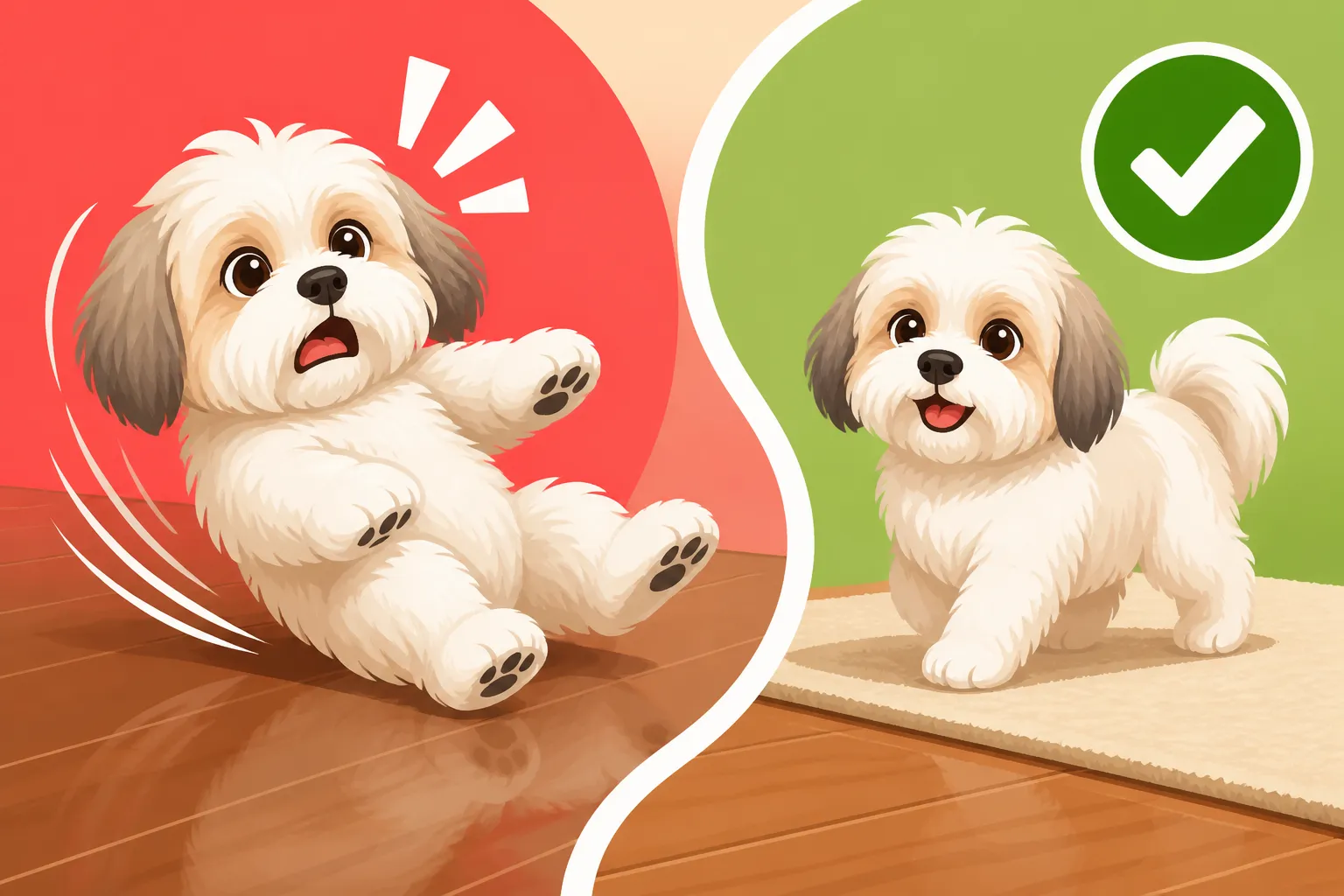
Their natural gait is often described as light, springy, and resilient. On a textured surface, this allows them to move with a jaunty, almost bouncy step. However, on a hard, unforgiving floor, that spring can turn into a slide. Instead of propelling them forward, the force of their movement can send them skidding. This is particularly concerning given that many Havanese are prone to delicate joint issues, especially in their hind legs. A significant number of Havanese, for example, are known to experience patellar luxation, more commonly referred to as "slipping kneecaps." A sudden slip or fall on a hard surface can easily exacerbate this condition or even trigger it in a dog predisposed to it. You might want to read more about The Kneecaps a Havanese Slips to understand this common issue.
Furthermore, these slippery environments can unconsciously change a Havanese's posture and movement. Instead of walking naturally, they might start to splay their legs out for balance, tense their muscles, or take shorter, choppier steps. This unnatural movement can put undue stress on their hips, knees, and spine, contributing to muscle strain and joint discomfort over time. It’s a subtle but persistent stressor that can have cumulative effects on their musculoskeletal system.
The Role of Paws and Nails
A dog's paw pads are designed for grip. They're typically rough, somewhat spongy, and provide natural traction on varied outdoor terrains. However, on smooth indoor surfaces, these pads need every bit of help they can get. When your Havanese’s nails are too long, they act like miniature stilts. Instead of their paw pads making full, flat contact with the floor, the long nails hit first, lifting the pads and reducing the precious surface area needed for grip. This is a bit like trying to run in high heels on a polished floor – it's a recipe for disaster. Regular nail trims are absolutely essential, and we'll dive into how often a Havanese needs them in a bit. It’s not just about aesthetics; it’s about safety and biomechanics.
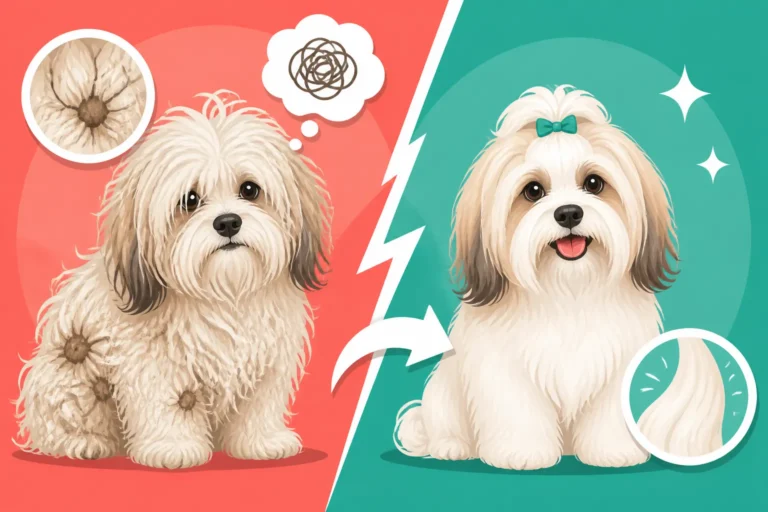
Beyond nail length, the hair that grows between a Havanese's paw pads can also be a culprit. Their luxurious coats extend everywhere, including between their toes. When this hair grows long, it becomes slick and silky, essentially turning their paw pads into mini-skis. This excess hair further reduces the contact between the rough paw pads and the floor, making slips far more likely. It also collects dirt and debris, which can become compacted and uncomfortable, making them even more reluctant to walk properly. Think about how a bit of fluff on a shoe can make you unstable; for a Havanese, it's amplified.
The combination of long nails and untrimmed paw hair effectively creates a barrier between the natural gripping mechanism of the paw pads and the floor. This leads to that characteristic frantic splaying of legs, the little "tap-dancing" sound as they try to find purchase, and ultimately, the heartbreaking slips and falls that worry us so much.
The Risks and Potential Injuries from Slipping
Watching your Havanese slide across the kitchen floor might seem minor, but it's not just about a temporary loss of dignity. For a small, delicately built breed like the Havanese, repeated slips and falls can lead to a host of immediate injuries and, more concerningly, contribute to significant long-term health problems. Understanding these risks is key to prioritizing preventative measures.
Immediate and Short-Term Risks
The most obvious concerns are the immediate injuries that can occur from a sudden, uncontrolled slip. Just like a human might twist an ankle or pull a muscle, a Havanese is susceptible to similar trauma. A quick slide can result in sprains, where ligaments are stretched or torn, or strains, which involve muscles or tendons. These can manifest as a sudden lameness, limping, or a reluctance to put weight on a particular paw or leg. Imagine the sharp pain of an unexpected wrench to a joint – your Havanese feels that, too.
Beyond sprains and strains, more superficial injuries can also occur. The friction of skidding can cause scrapes or cuts on their paw pads, which are sensitive and can easily become infected if not properly cared for. Their dewclaws, if present, can also get caught and torn during a frantic attempt to regain balance. These types of injuries, while not life-threatening, are painful and can require veterinary attention, bandaging, and restricted activity to heal. It's not uncommon for a Havanese to develop an acute fear of hard floors after such an incident, leading to anxiety, hesitation, or even refusing to walk in certain areas of the house. This can significantly impact their quality of life and their bond with their owner, as they may become withdrawn or nervous in their own home.
Long-Term Joint Health Concerns
The cumulative effect of repeated slipping and jarring impacts is where the most significant long-term health concerns lie for our Havanese. As mentioned earlier, patellar luxation is a common orthopedic issue in the breed. When a Havanese repeatedly slips, the kneecap can be forced out of its groove, causing pain and further damage to the joint. Even if your Havanese doesn't currently have a diagnosed luxating patella, frequent instability can contribute to its development or worsen an existing mild condition, potentially leading to the need for surgical intervention. If you're wondering about the severity, we have a helpful guide on Which Patella Grade Needs Surgery in a Havanese.
Beyond the kneecaps, every time a Havanese slips, there’s a micro-trauma to their joints. Over months and years, these small, repetitive impacts can wear down cartilage, inflame joint tissues, and accelerate the onset of degenerative joint disease, or arthritis. This is particularly true for older Havanese, who are already more susceptible to joint stiffness and pain. You can learn more about managing this in our article Arthritis in a Havanese at Twelve. Arthritis is a progressive condition that causes chronic pain and reduced mobility, significantly impacting their comfort and enjoyment of life.
While not as common as in breeds like Dachshunds, spinal issues, including intervertebral disc disease (IVDD), can also be a concern. A severe fall or awkward landing could, in theory, cause or exacerbate a disc problem. The constant jarring and unnatural gait adopted by dogs trying to avoid slipping can put abnormal stress on the spine over time. Even if it doesn't lead to a full disc herniation, it can contribute to chronic back pain and stiffness. Understanding these potential long-term issues underscores the importance of proactive measures to create a safe environment for your Havanese. Our guide on Whether a Havanese Gets Disc Disease offers more insight into spinal health for the breed.
Practical Solutions to Prevent Slipping and Ensure Safety
The good news is that we don't have to live in fear of our Havanese slipping and getting hurt. There are many effective, practical steps you can take to transform your home into a safer, more navigable space for your furry friend. From simple environmental modifications to diligent paw care, these solutions prioritize their comfort and long-term health.
Environmental Modifications for Grip
The most direct way to prevent slipping is to add traction to your hard floors. This doesn't mean you need to rip out all your beautiful hardwood! Strategic placement of rugs and runners can make a world of difference. Place non-slip rugs in high-traffic areas where your Havanese walks most often, such as hallways, in front of the couch, near their food and water bowls, and especially where they enter and exit rooms. Ensure these rugs have non-slip backings to prevent them from becoming slipping hazards themselves. You can find a vast selection of rugs and non-slip pads that fit any decor on sites like Amazon or Chewy. They often have sales on smaller runners that are perfect for this purpose.
For areas where rugs aren't practical or preferred, consider dedicated traction mats. These are often rubberized or textured mats that can be placed temporarily or permanently. They're particularly useful near doorways, under feeding stations, or for creating a safer path to a favorite sunbeam spot. If your Havanese likes to jump on and off furniture (which we generally advise against for their joints!), placing a small rug or mat at the base of the couch or bed can provide a safe landing spot. Better yet, consider steps or ramps to help them get up and down safely, minimizing impact. We talk about the costs associated with these aids in What Steps to the Bed Cost a Havanese Owner.
Stairs present a unique challenge. For Havanese, whose small legs make navigating stairs a workout, a hard, slippery staircase is a major hazard. If your Havanese must use stairs, installing carpet runners with a non-slip pad or even individual stair treads can provide crucial traction. If possible, consider blocking off stair access with baby gates, especially if your Havanese is older, very young, or has known joint issues. Minimizing the use of stairs can significantly reduce the risk of injury to their delicate joints. For more on this, check out Whether Stairs Damage a Havanese's Knees.
Paw and Nail Care for Better Traction
Beyond altering your floors, focusing on your Havanese's paws is paramount. Their paws are their direct point of contact with the ground, and keeping them in optimal condition for grip is essential.
Regular Nail Trims: This is non-negotiable. Long nails push the paw pads up, reducing their natural gripping power. Aim for nails that are short enough so they don't click on hard floors when your Havanese walks. For many Havanese, this means a trim every 2-4 weeks. If you're unsure how to trim them yourself, your vet or a professional groomer can demonstrate the correct technique. Consistent trimming will not only improve traction but also help to recede the quick (the blood supply within the nail), making future trims easier and less stressful. We have a detailed guide on How Often a Havanese's Nails Need Cutting that can help you establish a routine.
Trimming Paw Pad Hair: Those beautiful Havanese locks grow everywhere, including between their paw pads. This silky hair can create a slick surface, much like socks on a polished floor. Regularly (every 4-6 weeks, or as needed) trimming the hair flush with the paw pads will expose the textured pads, allowing them to grip the floor effectively. You can use blunt-nosed scissors or small clippers for this. Be very careful, as the pads are sensitive. If you’re nervous, your groomer can easily take care of this for you during their regular appointments. Our article Whether a Havanese's Paw Hair Needs Trimming goes into more detail.
Paw Balms, Waxes, and Grips: For an extra layer of protection and grip, consider paw balms or waxes specifically designed for dogs. Products like Musher's Secret or various paw waxes available on Chewy or Amazon can create a protective, slightly tacky barrier on their pads, enhancing traction. These also moisturize the pads, preventing cracking. For more advanced needs, especially for older dogs or those with mobility issues, paw grips or non-slip socks/boots can be a lifesaver. These products, also readily available on platforms like Amazon, have rubberized soles that provide excellent grip. It might take a little time and positive reinforcement to get your Havanese used to wearing them, but the benefits for their safety can be immense.
Strengthening and Support
A strong, healthy body is naturally more resilient to slips and falls. Focusing on overall physical well-being can significantly contribute to your Havanese's stability on hard floors.
Appropriate Exercise: Regular, moderate exercise helps build and maintain muscle mass, especially in the core and hindquarters. Strong muscles provide better support for joints and improve coordination and balance. Short, daily walks on varied terrains (grass, dirt paths) are ideal. Indoor games that encourage controlled movement and gentle play can also help. Avoid high-impact activities or sudden stops and starts on slippery floors. Our guide How Much Exercise a Havanese Needs can help you tailor an exercise plan.
Maintaining a Healthy Weight: This is crucial. Excess weight puts additional strain on all joints, including the knees and hips, making them more vulnerable to injury from slips and falls. Even a pound or two can make a significant difference for a small Havanese. Work with your vet to determine your Havanese's ideal weight and create a feeding plan if they need to shed a few ounces. A balanced diet, perhaps incorporating high-quality fresh food options like those from Ollie, can support overall health and weight management. This is so important that we dedicated an entire post to it: Whether a Havanese Should Be Kept Slim for Its Joints.
Discussing Joint Supplements: While not a cure-all, certain joint supplements, often containing ingredients like glucosamine, chondroitin, and MSM, can help support joint health and reduce inflammation, particularly for dogs with existing sensitivities or those entering their senior years. These are widely available on sites like Chewy and Amazon. Always consult your veterinarian before adding any supplements to your Havanese's diet to ensure they are appropriate and won't interact with any existing medications or conditions. Our article Whether Joint Supplements Help a Havanese delves deeper into this topic.
| Solution Category | Specific Solution | Pros | Cons | Where to Find (Examples) |
|---|---|---|---|---|
| Environmental | Area Rugs & Runners | Instantly adds traction; aesthetic | Can shift if not properly backed; requires cleaning | Amazon, Chewy |
| Non-Slip Stair Treads | Targeted traction on stairs | Installation effort; may not suit all stair types | Amazon | |
| Traction Mats | Portable; easy to clean | Less aesthetic; may move on very slick floors | Amazon, Chewy | |
| Paw Care | Regular Nail Trims | Improves natural grip; prevents discomfort | Requires consistency; risk of cutting quick | Groomer, Vet, Home Trimmer Kits |
| Trimming Paw Hair | Exposes paw pads for maximum grip | Requires precision; sensitive area | Groomer, Home Clipper Kits | |
| Paw Balms/Waxes | Enhances grip; moisturizes pads | Needs reapplication; can leave residue on floors initially | Chewy, Amazon | |
| Paw Grips/Boots | Excellent traction; paw protection | Can be resisted by dog; needs correct sizing | Amazon, Chewy | |
| Physical Support | Healthy Weight Management | Reduces joint strain; improves agility | Requires consistent diet and exercise | Vet guidance, quality dog food (e.g., Ollie) |
| Targeted Exercise | Builds muscle support for joints | Requires consistent routine; avoid over-exertion | Dog parks, home play, short walks | |
| Vet-Approved Joint Supplements | Supports joint health; may reduce inflammation | Not a quick fix; consult vet first | Chewy, Amazon (vet recommendation) |
Training and Behavioral Adjustments
While physical modifications are crucial, teaching your Havanese how to move safely on different surfaces and fostering their confidence can be just as impactful. Addressing any anxiety they might have about slippery floors through positive reinforcement is key.
Positive Reinforcement for Confidence
If your Havanese has had a bad experience slipping, they might develop an aversion to hard floors. It's heartbreaking to see them hesitant or fearful in their own home. We can counteract this with patience and positive reinforcement. Start by creating safe zones with rugs or mats, then gradually extend these zones into harder floor areas. Use high-value treats and enthusiastic praise to encourage them to step onto and walk across these designated safe pathways.
The goal is to build positive associations. Instead of just letting them roam, lead them gently with a treat, rewarding every confident step they take on a protected surface. Avoid pushing or forcing them, which can increase their fear. Make it a fun game! You can toss a favorite toy onto a rug in the middle of a hard room, rewarding them for venturing out to retrieve it. Gradually, you can introduce them to slightly less covered areas, always ensuring their success and offering lavish rewards. The idea is to teach them that hard floors don't necessarily mean danger, especially if they learn to move more slowly and deliberately in those spots.
Safety Practices and Habits
Beyond direct training, integrating specific safety practices into your daily routine can prevent accidents and promote good habits.
Always Use a Harness: When you take your Havanese for walks, especially if they might encounter varying surfaces outside your home, always use a harness instead of a collar. A harness distributes pressure across their chest and shoulders, preventing strain on their neck and trachea if they pull or if you need to quickly guide them away from a slippery patch. It also gives you better control and stability, allowing you to steady them more effectively if they lose their footing momentarily. We delve into the benefits in Whether a Havanese Should Wear a Harness.
Supervise Playtime: High-energy play often involves sudden bursts of speed, quick turns, and rapid stops. While it’s wonderful to see your Havanese enjoying themselves, it’s best to limit vigorous play to carpeted areas or outdoors on grass. If they're playing on hard floors, keep an eye on them and encourage calmer activities, especially when zoomies strike! A quick, excited dash can easily lead to a bad fall.
Teach a "Slow" or "Steady" Cue: You can train your Havanese to slow down when transitioning onto hard surfaces. Use a cue like "slow" or "steady" and practice it on the edge of a rug leading onto a hard floor. Reward them heavily for walking calmly and deliberately. This can be particularly useful if they tend to bolt from one room to another.
Consider Indoor Pads: If your Havanese is prone to accidents or struggles to hold their bladder, they might try to rush to the door or a designated potty spot. This frantic rush increases the risk of slipping. Using indoor potty pads, especially if you live in a multi-story home or have large expanses of hard floor, can provide a closer, safer alternative, reducing the urgency and speed of their trips. This is especially helpful during inclement weather when they might be reluctant to go outside. For more on this, check out Whether Indoor Pads Suit a Havanese.
In conclusion, protecting our Havanese from the hazards of hard floors is a multi-faceted approach, combining thoughtful home modifications, diligent grooming, a focus on overall health, and positive reinforcement. By implementing these strategies, you can significantly reduce the risk of injury and ensure your cherished companion moves through life with confidence and comfort, enjoying every bouncy, happy step.
Disclaimer
This article is for general informational purposes only and does not constitute professional advice. Laws, prices and regulations vary by location and change over time. Consult a qualified professional for guidance on your specific situation.