Whether a Havanese Gets Elbow Dysplasia
It's truly unsettling when your beloved Havanese starts showing any sign of discomfort, especially when it comes to their precious little joints. You see them happily bouncing around one day, and the next, there's a subtle limp or a hesitation to jump, and your mind immediately races through every possible worst-case scenario. This guide is here to shed some light on one of those concerns—elbow dysplasia—and whether it's something Havanese owners genuinely need to worry about, helping you understand the condition and what to do if you ever notice something amiss.
Understanding Elbow Dysplasia in Canines
When we talk about joint issues in our furry companions, elbow dysplasia is a term that often comes up, and it can sound quite intimidating. It’s essentially a blanket term for several different developmental abnormalities that can occur in a dog's elbow joint, leading to pain, lameness, and ultimately, arthritis. It’s not just one thing, but a collection of issues that affect the complex joint where three bones meet: the humerus (upper arm bone), and the radius and ulna (forearm bones).
What Exactly is Elbow Dysplasia?
Imagine your elbow. Now imagine it didn't form quite right, or the bones didn't fit together perfectly during your growth spurt. That's essentially what happens with elbow dysplasia in dogs. It's a polygenic, multifactorial disease, meaning it's influenced by multiple genes and environmental factors. The primary issue is an abnormal development of the elbow joint, often stemming from incongruity (mismatch in the lengths or shapes of the bones) or issues with cartilage and bone formation. This imperfect fit leads to excessive wear and tear, inflammation, and eventual degeneration of the joint.
There are four main components that veterinarians typically categorize under elbow dysplasia:
- Fragmented Coronoid Process (FCP): This is a common form where a small piece of bone or cartilage breaks off the ulna, irritating the joint.
- Osteochondrosis Dissecans (OCD): This occurs when cartilage thickens and detaches from the surface of the bone within the joint, causing pain.
- Ununited Anconeal Process (UAP): In this condition, a growth plate (anconeal process) on the ulna fails to fuse properly with the rest of the bone.
- Elbow Incongruity: This refers to the poor fit between the three bones of the elbow joint, often due to one bone growing faster than the other, creating uneven pressure and stress.
Any of these issues can cause significant pain and lead to degenerative joint disease over time. It's a progressive condition, meaning it tends to get worse without intervention, making early detection really important.
How Elbow Dysplasia Manifests in Dogs
The signs of elbow dysplasia can vary widely depending on the severity of the condition and the individual dog. Typically, symptoms begin to appear in young dogs, often between 4 to 12 months of age, as they grow rapidly. However, some dogs might not show overt signs until they are older, when secondary arthritis has already developed.
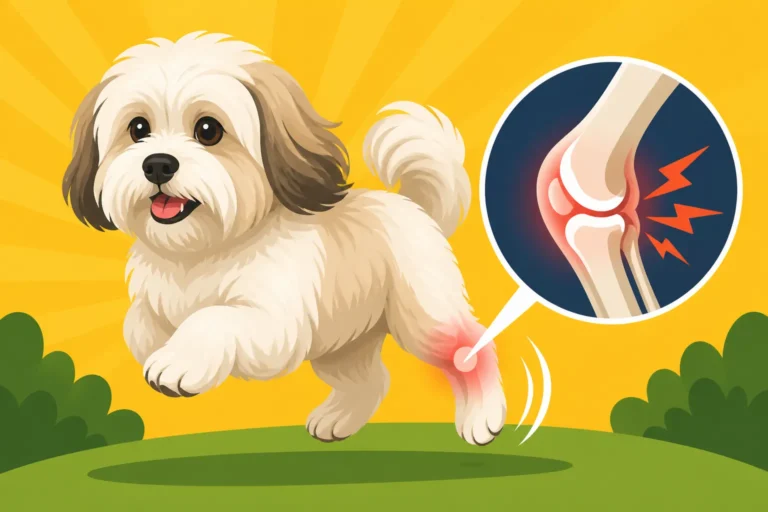
One of the most common indicators is lameness in one or both front legs. This limping might be subtle at first, perhaps just noticeable after exercise or when the dog first gets up after resting. You might see your Havanese shift their weight more to their hind legs, or carry their affected paw slightly differently. They might show reluctance to play as enthusiastically as before, avoid jumping, or seem stiff, especially after a nap. Some dogs will develop a compensatory gait, meaning they walk in a way that tries to alleviate pain in their elbows, which can look a bit awkward or stiff. They might also have difficulty extending or flexing their elbow joint fully, or you might notice swelling around the joint, though this is less common with subtle presentations.
It's heartbreaking to see your usually vibrant Havanese appear uncomfortable. These signs can sometimes be mistaken for other minor aches or pains, which is why paying close attention to any persistent changes in their movement is crucial. Keeping an eye on their energy levels and how they move during daily activities can give you vital clues.
Is Elbow Dysplasia a Concern for Havanese?
Now, let's get to the heart of the matter for Havanese owners. When you hear about joint problems, especially ones with a genetic component, it's natural to worry about your particular breed. After all, we know that certain breeds are predisposed to certain conditions.
Breed Predisposition and Genetics
The good news, and something that should bring a sigh of relief to most Havanese parents, is that elbow dysplasia is not typically considered a common or prevalent condition in the Havanese breed. Unlike larger and giant breeds such as Labrador Retrievers, Golden Retrievers, German Shepherds, Rottweilers, and Bernese Mountain Dogs, where elbow dysplasia is a significant and well-documented concern, Havanese are generally at a much lower risk.
The genetics of elbow dysplasia are complex, but it's largely considered an inherited condition. In breeds where it's common, screening programs like those run by the Orthopedic Foundation for Animals (OFA) are absolutely essential, with breeders submitting X-rays of their breeding stock to ensure they are free from the disease. While responsible Havanese breeders will screen for conditions like The Kneecaps a Havanese Slips (luxating patellas) and The Eye Diseases a Havanese Inherits, elbow dysplasia is usually not a primary screening concern simply because its incidence in the breed is so low. This doesn't mean it's impossible for a Havanese to get it, but it's significantly rarer than in breeds genetically predisposed to it.
Why Small Breeds Are Generally Less Affected
There's a logical reason why elbow dysplasia is less common in small breeds like the Havanese compared to their larger counterparts. The sheer size and weight of a dog play a significant role in the stress placed on their joints during growth and throughout their lives. Large and giant breeds experience rapid growth spurts and carry a substantial amount of body weight, which puts immense pressure on developing joints. This increased mechanical stress can exacerbate any underlying genetic predisposition to joint incongruity or other developmental abnormalities in the elbow.
Think about it: a 12-pound Havanese puppy puts far less stress on its growing elbows than a 70-pound Labrador puppy. The forces acting on the joints are simply less intense. This reduced biomechanical stress during crucial developmental stages helps many small breeds avoid the overt manifestation of elbow dysplasia, even if they might theoretically carry some subtle genetic components that, in a larger dog, would lead to problems. This doesn't make small breeds immune to all joint issues, of course; they have their own unique predispositions, such as Legg Calve Perthes and the Limping Havanese Puppy or the ever-present concern of luxating patellas.
The Importance of Responsible Breeding Practices
Even though elbow dysplasia isn't common in Havanese, the principles of responsible breeding remain paramount for overall health. A truly ethical breeder will prioritize the health and well-being of their puppies above all else. This means:
- Health Testing: They will conduct comprehensive health screenings for conditions known to affect the Havanese, such as patellar luxation, eye diseases, and cardiac issues. While elbow evaluations may not be routine for Havanese, asking about the general joint health of the parent dogs is always a good idea. Looking for breeders who share The Health Tests Both Havanese Parents Should Have and display Whether a Havanese Breeder Should Show CHIC Numbers is key.
- Genetic Diversity: Reputable breeders also focus on maintaining genetic diversity within their lines to reduce the risk of inherited diseases.
- Transparency: They should be open and honest about the health history of their breeding dogs and their puppies, willing to discuss any potential health concerns.
- Support: A good breeder will be a resource for you throughout your dog's life, offering advice and support.
Even for conditions not typically associated with the breed, responsible breeding practices help ensure a robust and healthy lineage. If you're ever concerned about a Havanese puppy's joint health, don't hesitate to ask your breeder detailed questions.
Recognizing Symptoms and Seeking Diagnosis
So, if elbow dysplasia is rare in Havanese, why still talk about recognizing symptoms? Because no dog is 100% immune, and persistent limping in a front leg always warrants a veterinary visit. Understanding the signs can help you advocate for your Havanese and ensure they get the right diagnosis, whatever the underlying cause may be.
Subtle Signs to Watch For in Your Havanese
Because Havanese are small, often quite stoic, and eager to please, they might try to hide discomfort. It's up to us, their devoted parents, to pick up on the subtle clues. Here are some things to watch for:
- Intermittent or Persistent Limping: This is the most obvious sign. It might be a slight head bob, a reluctance to put full weight on a front leg, or a bunny-hopping gait (though this is more typical of hind-leg issues). The limp might be worse after rest or after strenuous activity.
- Reluctance to Jump or Play: Your Havanese might hesitate before jumping onto the couch or bed, or they might prefer shorter, less active play sessions.
- Stiffness: Especially noticeable when they first wake up. They might stretch more slowly or seem a bit "creaky."
- Changes in Posture or Gait: They might carry their front leg at an odd angle or stand with their elbows turned out or in.
- Licking or Chewing at the Elbow: Dogs often lick painful areas.
- Behavioral Changes: Any change in their usual sunny disposition—more withdrawn, grumpy when touched, or less enthusiastic about walks—could signal pain.
Remember, a Havanese is a cheerful, lively breed. If they're showing these signs, it's their way of telling you something is wrong. Even if it's not elbow dysplasia, it could be another joint issue, like a mild case of The Skip That Means a Havanese's Knee Has Gone, which also needs attention.
The Diagnostic Process
If you notice any of these signs, don't delay in scheduling a visit to your veterinarian. They are your best resource for pinpointing the problem. The diagnostic process typically involves several steps:
- Physical Examination: Your vet will carefully examine your Havanese, palpating the joints, assessing their range of motion, and observing their gait. They'll look for signs of pain, swelling, or muscle atrophy.
- Radiographs (X-rays): This is the primary diagnostic tool for elbow dysplasia. Your vet will take X-rays of the elbows from different angles, often requiring sedation or anesthesia to ensure the dog is perfectly still for clear images. These images help identify any bone fragments, joint incongruity, or signs of arthritis.
- Advanced Imaging: In some cases, if X-rays are inconclusive or to get a more detailed view, your vet might recommend advanced imaging techniques like a CT scan (Computed Tomography) or MRI (Magnetic Resonance Imaging). These can provide incredibly detailed images of soft tissues and bone structures.
- Arthroscope: In certain situations, an arthroscopy might be performed. This minimally invasive surgical procedure involves inserting a tiny camera into the joint to directly visualize the damage and, in some cases, even repair it.
It’s important to remember that these diagnostic steps are crucial for ruling out other conditions and getting a precise diagnosis. When your vet lays out the options, it can feel overwhelming, but they're doing everything possible to get your Havanese back to feeling their best.
Differentiating from Other Joint Issues
When a Havanese shows signs of lameness, especially in the front legs, it's important for your vet to rule out other potential causes. While elbow dysplasia isn't common, other joint problems can definitely affect a Havanese.
Here’s a quick overview of some common joint issues in Havanese and how they might differ:
| Condition | Commonality in Havanese | Typical Age of Onset | Affected Joint | Key Symptoms |
|---|---|---|---|---|
| Elbow Dysplasia | Rare | 4-12 months | Elbow | Front limb lameness, stiffness, reluctance to play |
| Luxating Patella | Common | Puppy to Adult | Knee (hind leg) | "Skip" in gait, intermittent lameness in hind leg |
| Legg-Calve-Perthes Disease | Less Common, but occurs | 4-12 months | Hip (hind leg) | Sudden onset hind limb lameness, pain in hip |
| Hip Dysplasia | Rare (more in large breeds) | Young to Adult | Hip (hind leg) | "Bunny hopping" gait, hind limb weakness, reluctance to move |
| Arthritis | Common in older Havanese | Senior years (10+) | Any joint | Generalized stiffness, reduced activity, pain in cold weather |
As you can see from the table, problems like How Common Slipping Kneecaps Are in a Havanese are much more prevalent. If your Havanese is limping, particularly in a hind leg, your vet will likely investigate patellar luxation or Legg-Calve-Perthes disease before jumping to elbow dysplasia. Early arthritis, especially in an older Havanese, can also mimic some of these signs, so age is an important factor. That's why a thorough examination and diagnostic imaging are so vital – they help differentiate between these conditions and ensure the correct treatment plan is put in place. This is also where pet insurance like Healthy Paws can be a lifesaver, helping cover the costs of these often expensive diagnostic tests.
Management and Prognosis for Affected Havanese
If, against the odds, your Havanese is diagnosed with elbow dysplasia, the good news is that there are strategies and treatments available to manage the condition and help your dog live a comfortable life. The specific approach will depend on the severity of the dysplasia and the specific components involved.
Treatment Options
Treatment for elbow dysplasia generally falls into two categories: conservative management and surgical intervention.
Conservative Management: This approach is often recommended for mild cases or when surgery isn't an option. It focuses on pain relief and improving joint function.
- Pain Management: This involves prescribing anti-inflammatory medications (NSAIDs) to reduce pain and swelling, and sometimes other pain relievers.
- Weight Management: Keeping your Havanese at a healthy weight is absolutely crucial. Every extra pound puts more strain on compromised joints. Discussions about Whether a Havanese Should Be Kept Slim for Its Joints are always important, but especially so with a joint condition.
- Controlled Exercise: Low-impact exercise, like short, frequent walks or swimming, can help maintain muscle strength and joint mobility without overstressing the elbow. High-impact activities or long runs should be avoided.
- Physical Therapy: Rehabilitation exercises, therapeutic massage, and even hydrotherapy can significantly improve range of motion, strengthen supporting muscles, and reduce pain.
- Joint Supplements: Glucosamine, chondroitin, and omega-3 fatty acids can support joint health and slow the progression of arthritis. While not a cure, they can be beneficial.
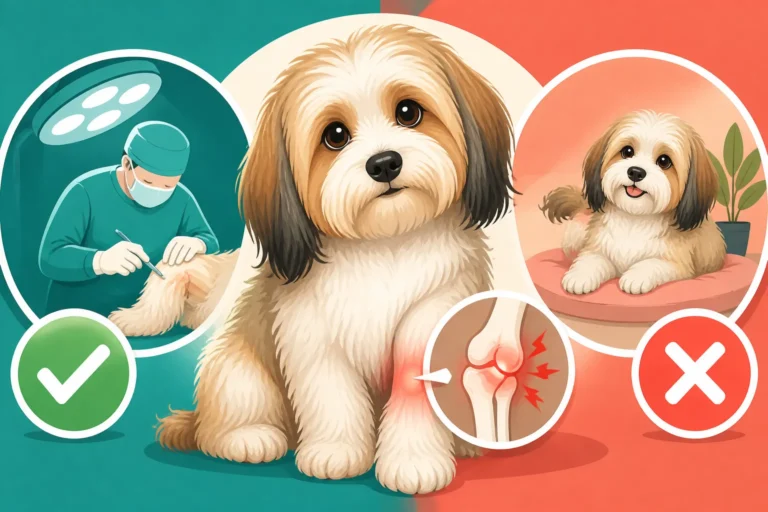
Surgical Intervention: For more severe cases, especially those involving fragmented coronoid processes or ununited anconeal processes, surgery might be the best option to alleviate pain and improve long-term function.
- Arthroscopy: As mentioned earlier, this minimally invasive surgery can remove loose fragments of bone or cartilage.
- Osteotomy Procedures: These involve cutting and reshaping bones to improve joint congruity and reduce abnormal forces.
- Total Elbow Replacement: This is a more advanced and less common procedure, typically reserved for severe, debilitating cases that don't respond to other treatments.
The choice between conservative and surgical treatment will be made in consultation with your veterinarian and potentially a veterinary orthopedic specialist, taking into account your Havanese's age, the severity of the condition, and your family's circumstances. Regardless of the path chosen, commitment to follow-up care is vital.
Long-term Care and Quality of Life
Living with a Havanese that has elbow dysplasia, even a mild case, requires ongoing attention. The goal is to manage pain, maintain mobility, and ensure a good quality of life for your furry friend.
Long-term care often involves a combination of the conservative measures mentioned above. This might include a lifelong regimen of joint supplements, careful monitoring of weight and diet, and a tailored exercise plan. Regular vet check-ups are essential to track the progression of the condition and adjust medications or therapies as needed. Just like caring for an older Havanese with Arthritis in a Havanese at Twelve, the approach needs to be proactive and adaptive.
The prognosis for dogs with elbow dysplasia varies greatly depending on the severity and treatment. Many dogs, especially with early intervention and good management, can live full, active, and comfortable lives. However, it's important to understand that elbow dysplasia is a progressive condition, and secondary arthritis will almost certainly develop over time. The treatments aim to slow this progression and minimize its impact.
The cost of managing a chronic condition like elbow dysplasia can add up quickly, from specialized vet visits to medications and supplements. This is another area where a pet insurance plan, such as Healthy Paws, can provide invaluable financial support, covering a significant portion of diagnostic and treatment costs. Planning for The Fourteen to Sixteen Years a Havanese Lives means being prepared for potential health challenges along the way, and prioritizing their comfort is always the best choice.
The Role of Lifestyle and Weight Management
You really can't underestimate the power of good lifestyle choices in managing, and even potentially preventing, the severity of joint issues in any dog. For a Havanese, this is especially true.
Firstly, maintaining an ideal weight is paramount. Obesity significantly increases the load on all joints, including the elbows, accelerating degenerative changes and worsening pain. Work with your vet to determine the perfect weight for your Havanese and stick to a feeding plan that helps them achieve and maintain it. This often means carefully measuring food and being mindful of treats.
Secondly, appropriate exercise is key. While vigorous, high-impact activities might be detrimental, regular, moderate exercise helps to build and maintain strong muscles around the joints, providing natural support and stability. Think short, brisk walks rather than long, strenuous hikes. Gentle play sessions and even indoor activities that promote movement without excessive jumping or twisting are ideal. Remember that What a Havanese Needs Every Day is more about consistent, gentle activity than extreme bursts.
Finally, creating a joint-friendly environment at home can make a huge difference. Provide comfortable, orthopedic beds for resting, and consider ramps or steps to help your Havanese get on and off furniture safely, reducing the impact of jumping. Keep an eye on slippery floors, which can put extra strain on joints, and consider runners or rugs in high-traffic areas. These small adjustments can go a long way in ensuring your Havanese remains as comfortable and mobile as possible, no matter what joint issues they might face.
Disclaimer
The information provided in this guide is intended for educational purposes only and should not be considered a substitute for professional veterinary advice. Always consult with a qualified veterinarian regarding any health concerns or before making any decisions about your Havanese's care.