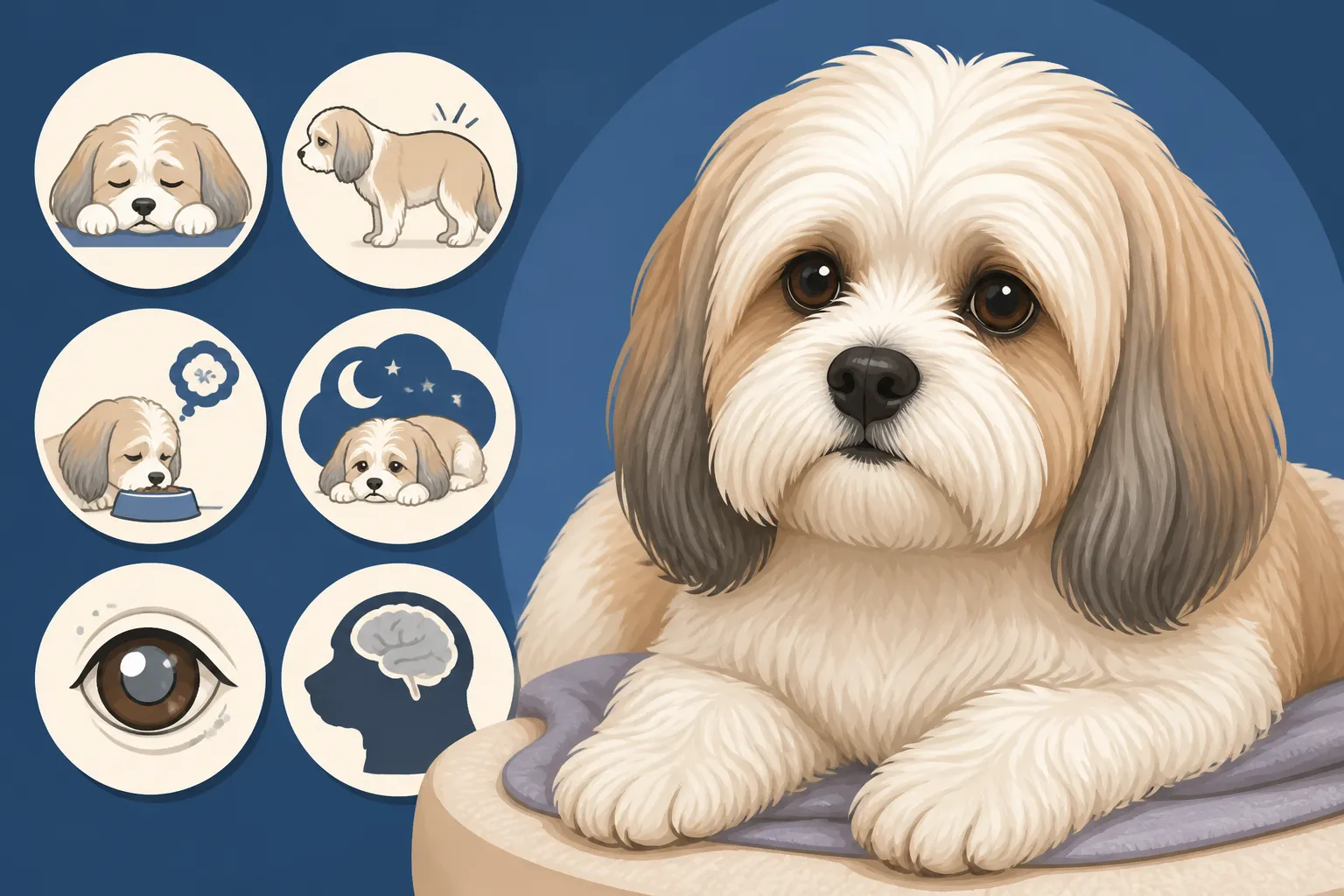
The Signs a Havanese Is Getting Old
Watching your beloved Havanese start to slow down can be a truly emotional experience. One day they're leaping like a puppy, and the next you notice a subtle stiffness, a quieter demeanor, or a new habit that wasn't there before. It's a natural part of life, but it doesn't make it any easier to navigate. This comprehensive guide will walk you through the common signs that indicate your Havanese is entering their golden years, helping you understand what to look for and how to respond with compassion and proactive care.
Physical Changes as Your Havanese Ages
Just like us, Havanese dogs experience a range of physical transformations as they mature. These changes are often gradual, making them easy to miss if you're not actively looking. It's not about them suddenly becoming "old" overnight, but rather a slow evolution in their body's capabilities and appearance. Understanding these shifts is the first step in providing them with the support they need to age gracefully and comfortably.
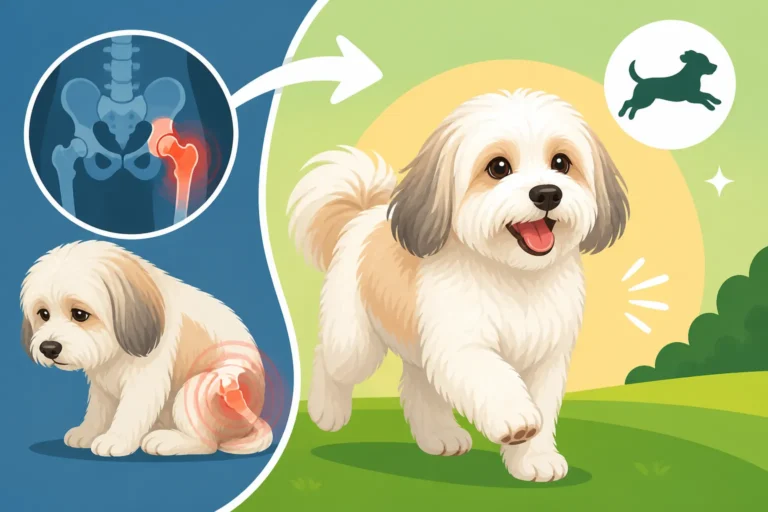
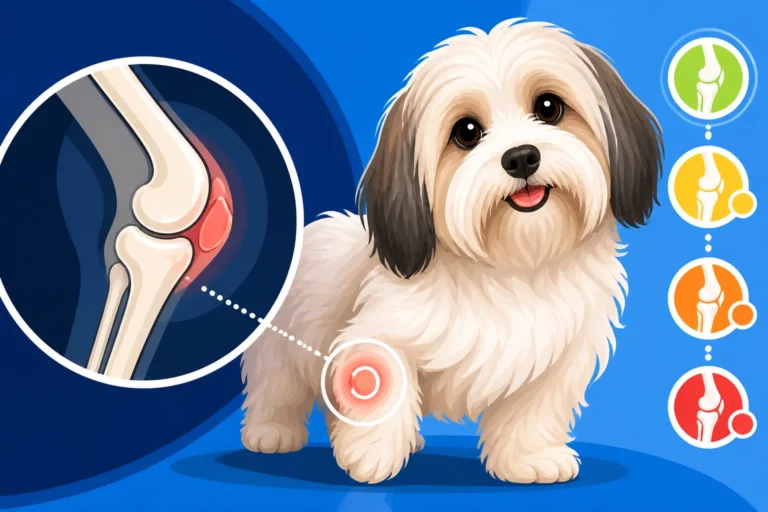
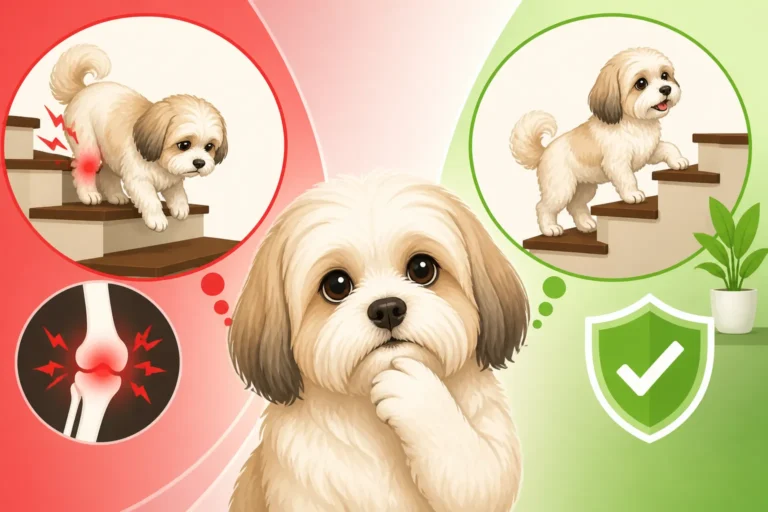
One of the most noticeable changes you might observe is in their mobility. Where they once bounded up stairs or launched onto the couch without a second thought, you might now see them hesitate, take the stairs one at a time, or even avoid jumping altogether. This can be a sign of arthritis, a common ailment in aging dogs, particularly affecting their hips, elbows, and knees. You might notice a stiffness in their gait, especially after they've been lying down for a while, or a general reluctance to engage in longer walks or energetic play sessions. This is a good time to reconsider their environment; perhaps adding some steps to the bed or ensuring they don't have to leap from high places will help. For a deeper dive, you can learn about Arthritis in a Havanese at Twelve.
Beyond mobility, their senses can begin to dull. Their keen eyesight, once sharp enough to spot a squirrel across the yard, might become less reliable. You might notice them bumping into furniture in dimly lit rooms, being startled by your sudden appearance if they didn't see you approach, or becoming hesitant in unfamiliar surroundings. Similarly, their hearing might diminish, leading to them not responding to their name or familiar commands as readily. This isn't necessarily disobedience; it's often a sign that their ears aren't catching sounds as effectively. Some Havanese might even develop cataracts, giving their eyes a cloudy or bluish appearance. Understanding if Whether an Old Havanese Goes Blind is a possibility can help you prepare and adjust.
Their beautiful, flowing coat, one of the hallmarks of the Havanese breed, can also undergo changes. It might thin in places, feel coarser, or become more prone to matting as their skin becomes drier and they're less flexible to groom themselves effectively. You might also notice an increase in gray hairs, particularly around their muzzle, eyes, and paws – a charming, albeit clear, indicator of their advancing years. Weight fluctuations are also common. Some Havanese might gain weight due to decreased activity, while others might lose weight due to underlying health issues or a reduced appetite. Monitoring their weight and adjusting their diet and exercise routine accordingly is crucial for their overall health.
Behavioral and Cognitive Shifts
Aging isn't just about physical changes; it profoundly impacts a Havanese's mind and emotional state too. These behavioral and cognitive shifts can sometimes be more subtle and, frankly, more heartbreaking for owners to witness. It's challenging when your once vivacious, interactive companion seems a little lost or less engaged.
One of the most frequently observed behavioral changes is an alteration in sleep patterns. An older Havanese might sleep more during the day, seeking out quiet, cozy spots for naps that last longer than usual. Conversely, they might become restless at night, pacing, whining, or seeming disoriented, which can be a sign of canine cognitive dysfunction, often likened to Alzheimer's in humans. This disorientation can manifest as getting "stuck" in corners, staring blankly at walls, or struggling to navigate familiar spaces. For insight into supporting them, exploring Whether an Old Havanese Gets Confused offers valuable advice.
Their once-unshakeable confidence might also wane, leading to increased anxiety or fearfulness. They might become more sensitive to loud noises, new people, or changes in their routine. A Havanese that once loved to greet every visitor might now retreat to a safe space. This heightened anxiety can sometimes manifest as clinginess, where they follow you from room to room more persistently than usual, almost as if seeking constant reassurance. This isn't attention-seeking; it's often a genuine need for comfort and security in a world that feels increasingly confusing or threatening to them.
Even their play drive can diminish. While a Havanese typically loves to play well into old age, you might find that their enthusiasm for chasing a ball or engaging in a game of tug-of-war is less frequent or less intense. They might still enjoy a gentle session, but the duration and vigor will likely decrease. It's important to continue offering opportunities for play and mental stimulation, even if they're shorter and less strenuous. This can help keep their minds active and maintain their bond with you. Discovering Whether an Old Havanese Still Wants to Play can help you adapt their activities.
Dietary and Potty Habit Adjustments
As your Havanese enters their senior years, their body's internal workings begin to shift, and this often has direct implications for their eating habits and bathroom routines. What worked perfectly for years might no longer be suitable, and new challenges can arise, sometimes unexpectedly.
Appetite changes are very common in older Havanese. Some dogs become pickier eaters, turning their nose up at food they once adored. This could be due to a reduced sense of smell, dental discomfort, or a general decrease in their metabolic needs. Others might experience an increased appetite, which could be a sign of underlying health issues like thyroid problems or diabetes, though it's less common than a decrease. It's important to monitor their intake and ensure they're still getting adequate nutrition without becoming overweight, which can exacerbate joint problems. Tailoring their meals to their evolving needs is crucial; you might find practical tips in Feeding an Old Havanese.
Water consumption can also change. An increase in thirst might indicate kidney disease or diabetes, both of which are more common in older dogs. Conversely, a decrease could be linked to a general slowing down or other health concerns. Always ensure they have access to fresh, clean water, and note any significant changes in how much they're drinking. Hydration is vital for their overall health, especially for kidney function.
Potty accidents, unfortunately, become a more frequent issue for many senior Havanese. This can be incredibly frustrating for owners, especially if their dog has been perfectly house-trained for over a decade. However, it's rarely malicious. Accidents can stem from a variety of factors:
- Reduced bladder or bowel control: Weakened muscles can make it harder for them to "hold it" as long.
- Increased frequency of urination/defecation: Medical conditions like urinary tract infections, kidney issues, or even cognitive decline can lead to them needing to go more often.
- Mobility issues: If it's painful for them to get up and go outside, or if they can't make it to their designated potty spot in time, accidents will happen.
- Disorientation: As mentioned, cognitive dysfunction can mean they simply forget where they are or what they're supposed to do.
It’s essential to approach these accidents with patience and understanding, not punishment. If your Havanese is experiencing frequent accidents, the first step is always a vet visit to rule out any treatable medical conditions.
| Sign of Aging | Common Manifestations | Potential Implications | What to Watch For |
|---|---|---|---|
| Mobility Decline | Stiffness, hesitation jumping, slower gait | Arthritis, joint pain, muscle weakness | Limping, difficulty rising, reluctance to play/walk |
| Sensory Impairment | Bumping into things, not responding to name, cloudy eyes | Vision loss, hearing loss, cataracts | Startling easily, disorientation, unresponsiveness |
| Sleep Pattern Changes | Increased daytime naps, nighttime restlessness | Cognitive decline, discomfort | Pacing at night, staring blankly, increased napping |
| Appetite Shifts | Picky eating, reduced interest in food, increased thirst | Dental issues, kidney disease, diabetes, metabolic changes | Weight loss/gain, excessive drinking, refusal to eat |
| Potty Accidents | Urinating/defecating indoors | Weakened bladder/bowel, UTIs, cognitive dysfunction | Accidents in familiar places, increased frequency, urgency |
| Coat Changes | Thinning, coarse texture, graying | Hormonal changes, nutritional deficiencies, natural aging | Dull coat, bald patches, more matting |
| Behavioral Changes | Increased anxiety, clinginess, less play | Cognitive decline, pain, reduced confidence | Hiding, vocalizing more, less interaction, irritability |
Seeking Veterinary Support and Proactive Care
It’s tempting to think of these changes as "just old age" and an inevitable decline, but that's not always the case. Many age-related issues in Havanese can be managed, or at least alleviated, with the right veterinary care and adjustments at home. This is where a proactive approach truly shines, giving your senior Havanese the best quality of life possible.
Regular veterinary check-ups become even more critical as your Havanese gets older. Instead of just a yearly visit, your vet might recommend twice-yearly appointments. These visits allow for early detection of conditions that are more prevalent in senior dogs, such as kidney disease, heart conditions, diabetes, and certain types of cancer. During these appointments, your vet will perform thorough physical exams, possibly recommend blood work, and discuss any changes you've noticed at home. This proactive screening can catch issues before they become severe, offering more treatment options and better outcomes. For instance, understanding Whether a Havanese Needs a Yearly Blood Panel can guide your discussions with the vet.
Managing chronic conditions is a significant part of caring for an aging Havanese. If your dog is diagnosed with arthritis, your vet might prescribe anti-inflammatory medications, joint supplements, or recommend physical therapy. For heart conditions, like the common Mitral Valve Disease in an Older Havanese or even a general The Heart Murmur an Older Havanese Develops, specific medications can help manage symptoms and improve heart function. The goal is to keep them comfortable and mobile for as long as possible. Don't hesitate to discuss all available options, including alternative therapies, with your veterinarian.
Financial planning for senior pet care is also something to consider. Vet bills can accumulate, especially with ongoing medications, diagnostics, and specialized treatments. Having a robust pet insurance plan, such as those offered by Healthy Paws, can really alleviate the financial stress associated with unexpected health issues or long-term care needs. Many owners find that investing in insurance when their Havanese is younger pays off significantly as they age, helping to ensure they can afford the best possible care without compromising their budget. While plans like Healthy Paws may not cover pre-existing conditions, they can be invaluable for new illnesses or accidents that arise in their senior years.
Beyond medical intervention, your role in providing comfort and maintaining their quality of life is paramount. This involves making simple modifications at home, like using non-slip rugs on slick floors, providing a comfortable orthopedic bed for aching joints, or even using ramps for access to furniture they can no longer jump onto. Gentle exercise, appropriate for their mobility level, is still important for maintaining muscle mass and mental well-being. Thinking about their daily needs and how to meet them, as discussed in What a Havanese Needs Every Day, is key. Additionally, continuing with adapted grooming routines, possibly as outlined in Grooming an Old Havanese That Cannot Stand Long, will keep them comfortable and their coat healthy. Most importantly, continue to shower them with love, patience, and understanding, recognizing that their needs are changing, but their capacity for love remains boundless.
Disclaimer
Please remember that this article is intended for informational purposes only and is not a substitute for professional veterinary advice. Always consult with your veterinarian regarding any health concerns or changes in your Havanese's behavior or physical condition. They are the best resource for accurate diagnosis and personalized treatment plans for your individual pet.