Whether a Havanese Needs a Yearly Blood Panel
It’s a common moment for any Havanese owner: your veterinarian recommends a yearly blood panel, and you find yourself wondering, "Is this really necessary if my fur-baby seems perfectly healthy?" It feels like an extra expense for something that might not even be an issue, especially when your little companion is bouncing around with boundless energy. This guide is here to shed light on why these routine blood tests are a crucial part of preventative care for your beloved Havanese, helping you understand their value in maintaining their long-term health and happiness.
Understanding the Importance of Routine Blood Work for Havanese
Bringing a Havanese into your life means committing to their well-being, and while daily cuddles and delicious meals are part of that, so is proactive health management. Just like we humans have our annual physicals and blood tests, our canine companions benefit immensely from a similar approach. These little dogs, with their vibrant personalities, can be incredibly stoic, often hiding early signs of illness until a condition has progressed significantly.
Why Annual Panels Aren't Just for "Sick" Dogs
Many of us tend to think of blood tests as something reserved for when our pets are visibly unwell, showing symptoms like lethargy, appetite loss, or sudden changes in behavior. However, this is a reactive approach, and by then, a disease might have taken a firm hold. Annual blood panels for a healthy-looking Havanese are all about being proactive. They create a baseline of what's "normal" for your individual dog, allowing your vet to spot subtle shifts over time that could indicate an emerging problem long before any outward symptoms appear.
Think of it this way: your Havanese might be happily romping around, but internally, their liver or kidneys could be under strain, or their red blood cell count might be slightly off. These early, often undetectable changes can be caught on a routine blood panel, giving you and your vet the invaluable opportunity to intervene early. Early detection often means simpler, less invasive, and more successful treatments, leading to a much better prognosis and quality of life for your Havanese. It’s about catching a whisper before it becomes a scream.
What a Standard Blood Panel Actually Covers
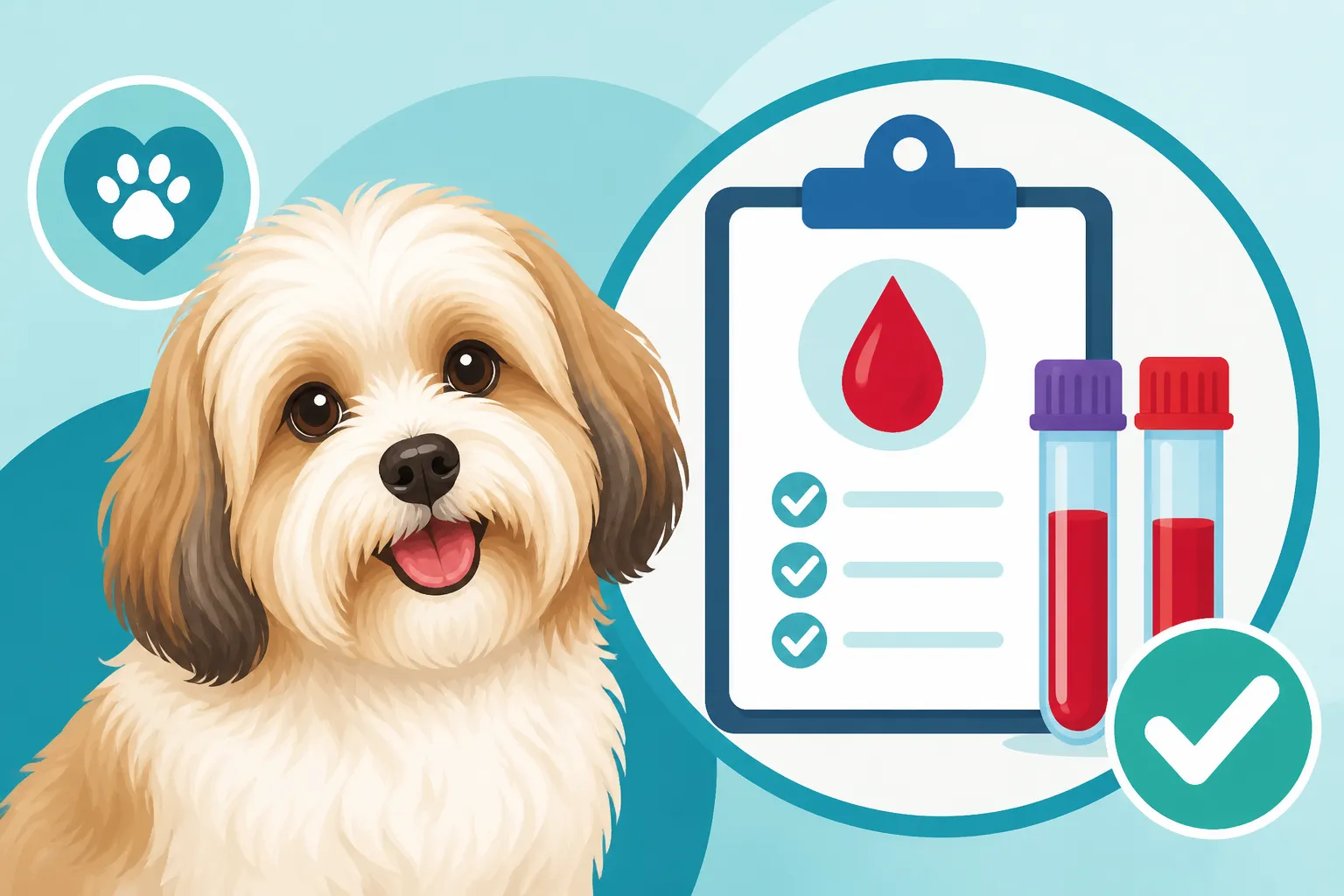
A typical annual blood panel for your Havanese usually consists of a few key components, each offering a window into different aspects of their internal health. It’s not just one big, mysterious test; it’s a collection of specific checks designed to give a comprehensive overview.
First, there's the Complete Blood Count (CBC). This part of the panel provides details about the red blood cells, white blood cells, and platelets. Red blood cells are vital for carrying oxygen, so issues here can point to anemia or dehydration. White blood cells are the body's defenders, and their levels can indicate infections, inflammation, or even certain immune disorders. Platelets, on the other hand, are crucial for blood clotting, and abnormalities might suggest bleeding disorders. For a small breed like the Havanese, these counts can be particularly sensitive indicators of overall health.
Next up is the Blood Chemistry Panel, often referred to as a "chem panel." This section evaluates various organs and metabolic processes. It checks kidney function (BUN, creatinine), liver function (ALT, ALP), blood sugar (glucose), protein levels, and electrolytes like sodium and potassium. Abnormalities in these values can signal issues like kidney disease, liver dysfunction, diabetes, or electrolyte imbalances. Since Havanese can be prone to certain inherited conditions, like The Liver Shunt a Havanese Puppy Shows Before Six Months, paying close attention to these liver values is especially important. A regular check helps monitor for these specific breed predispositions.
Finally, many vets include a Thyroid Hormone (T4) Test, especially for breeds like the Havanese that can be susceptible to hypothyroidism. This test measures the level of thyroid hormones, which regulate metabolism. Low levels can lead to weight gain, lethargy, and skin problems. Catching Whether a Havanese Gets Hypothyroidism early through a T4 test means your dog can start medication promptly and avoid developing more severe symptoms. These three main components—CBC, Chemistry, and Thyroid—together provide a surprisingly detailed picture of your Havanese’s internal workings.
Specific Health Concerns a Blood Panel Can Flag in Havanese
While Havanese are generally considered a healthy breed, they are not immune to various health conditions, some of which can progress silently without obvious external signs. This is where the power of a yearly blood panel truly shines, acting as an early warning system.
Detecting Silent Killers: Liver and Kidney Issues
The liver and kidneys are critical organs responsible for filtering toxins, maintaining fluid balance, and numerous other vital bodily functions. Unfortunately, these organs often show significant damage before a dog starts exhibiting noticeable symptoms. A routine blood panel meticulously checks markers like ALT, ALP, BUN, and creatinine, which are direct indicators of how well these organs are performing.
For Havanese, liver health is a particular area of focus due to the breed's predisposition to conditions like liver shunts. A congenital portosystemic shunt, or liver shunt, is a condition where blood bypasses the liver, preventing it from filtering toxins properly. While often diagnosed in puppies, a milder or acquired shunt could manifest later, and elevated liver enzymes on a blood panel could be the first clue. If a standard blood panel shows suspicious liver values in a puppy, your vet might recommend further specific tests, like a bile acid test, to investigate more thoroughly. Early detection of such issues can quite literally be a lifesaver, allowing for dietary management or surgical intervention before irreversible damage occurs. Similarly, early signs of kidney disease, which is more common in older dogs, can be detected via a chemistry panel, enabling diet changes and medication to slow its progression.
Uncovering Metabolic and Endocrine Disorders
Beyond organ function, blood panels are excellent at identifying metabolic and endocrine disorders that can profoundly impact your Havanese's quality of life. Diabetes mellitus, for example, is a condition where the body either doesn't produce enough insulin or can't effectively use the insulin it produces, leading to high blood sugar. A chemistry panel includes glucose levels, which can flag this issue. If glucose is consistently high, further tests can confirm a diabetes diagnosis, and management can begin to prevent more serious complications like cataracts, nerve damage, or kidney problems.
Another significant endocrine disorder for Havanese, as mentioned earlier, is hypothyroidism. A T4 test will quickly tell if your dog's thyroid gland is underperforming. The symptoms of hypothyroidism can be subtle at first: a dull coat, some lethargy, slight weight gain. Without a blood test, these can easily be dismissed as normal aging or other minor issues. But left untreated, hypothyroidism can lead to more severe skin problems, neurological issues, and even heart problems. Early detection through a routine blood panel means your Havanese can start on a simple, inexpensive daily medication that completely resolves the symptoms, ensuring they continue to thrive.
When More Than a "Yearly" Panel Might Be Recommended
While an annual blood panel is a fantastic benchmark for general health, there are specific life stages or situations where your Havanese might benefit from more frequent or specialized blood testing. It's not about being alarmist, but about being extra vigilant when circumstances call for it.
Blood Work for Senior Havanese
As your Havanese enters their golden years, typically around age 7 or 8, their bodies naturally start to age, making them more susceptible to various health conditions. For a senior Havanese, who can live up to The Fourteen to Sixteen Years a Havanese Lives, annual blood panels might not be enough. Many veterinarians recommend bi-annual (every six months) blood work for dogs in their senior years. This allows for even earlier detection of age-related diseases that can progress quickly.
Conditions like early kidney disease, diabetes, or changes in liver function become more common as your dog gets older. More frequent testing helps establish a tighter trend line, making it easier to spot small, significant changes before they become problematic. For owners dedicated to Caring for a Havanese Past Twelve, these more frequent health checks are invaluable, ensuring that any emerging health issues are addressed promptly, allowing your beloved senior Havanese to enjoy their twilight years comfortably and with the best possible care. This proactive approach can truly extend both the quantity and quality of their remaining time with you.
Pre-Anesthetic Blood Work
Any time your Havanese needs to undergo a procedure requiring anesthesia, a pre-anesthetic blood panel is almost universally recommended by veterinarians, and for very good reason. Anesthesia can put stress on the body, particularly the liver and kidneys, which are responsible for processing and eliminating the anesthetic agents.
A pre-anesthetic blood panel checks these vital organ functions to ensure your Havanese can safely metabolize the drugs and recover smoothly. It also checks for underlying conditions like anemia or clotting disorders that could increase anesthetic risks. While it might seem like an added cost, this panel is a critical safety measure, helping to mitigate the risks associated with anesthesia, especially for small breeds where Whether Anesthesia Is Riskier on a Small Havanese is a legitimate concern. Knowing your dog's internal health status before surgery provides peace of mind and helps your vet tailor the anesthetic protocol for the safest outcome.
Monitoring Medication Effects
If your Havanese is on long-term medication for a chronic condition – perhaps for arthritis, heart disease (like if they develop The Heart Murmur an Older Havanese Develops), or even certain allergies – regular blood work becomes an indispensable tool. Many medications, while beneficial for treating a specific ailment, can have side effects that impact other organs, especially the liver and kidneys.
For instance, non-steroidal anti-inflammatory drugs (NSAIDs) commonly prescribed for joint pain can sometimes affect kidney or liver function over time. Similarly, medications for thyroid issues need regular blood tests to ensure the dosage is correct and not causing other imbalances. Your vet will often recommend follow-up blood panels, sometimes every few months, to monitor these organ values and adjust medication dosages as needed. This ensures that the treatment is working effectively and safely, without inadvertently causing harm elsewhere. It's an ongoing dialogue between treatment and monitoring, all for your Havanese's sustained health.
Deciphering Your Havanese's Blood Panel Results
Getting a stack of medical reports filled with abbreviations and numbers can feel overwhelming, but understanding the basics of your Havanese’s blood panel results is empowering. Your vet will always walk you through them, but having a foundational understanding helps you engage in the conversation and make informed decisions.
Normal Ranges vs. Individual Baselines
When you look at your Havanese’s blood panel, you'll see a column for "normal range" or "reference interval" next to your dog's actual results. These ranges are established based on studies of a large population of healthy dogs. While they are a good general guide, it's crucial to remember that every dog is an individual. What might be slightly outside the "normal" range for one Havanese could be perfectly normal for another, or vice versa.
This is precisely why establishing an individual baseline with annual testing is so valuable. If your Havanese consistently has a slightly lower-than-average white blood cell count but is otherwise healthy, that becomes their normal. Any significant deviation from their established baseline, even if it's still technically within the broad "normal range," can be a red flag for your veterinarian. It's like tracking your own vital signs; your doctor pays attention to what's normal for you, not just the average. These yearly panels allow your vet to compare current results to previous ones, identifying trends and subtle changes that might otherwise be missed if only compared to a generic reference range.
Common Red Flags and What They Might Mean
While your vet is the expert in interpreting these complex results, knowing a few common red flags can make you a more engaged and informed owner.
For the CBC:
- Low Red Blood Cells (Anemia): Could indicate internal bleeding, chronic disease, nutritional deficiencies, or autoimmune issues. Your Havanese might seem tired or pale.
- High White Blood Cells: Often points to an infection, inflammation, stress, or sometimes certain cancers.
- Low Platelets: Suggests a problem with clotting, which could be due to an autoimmune condition, tick-borne disease, or drug reactions.
For the Chemistry Panel:
- Elevated Liver Enzymes (ALT, ALP): Can signal liver inflammation, damage, or other issues like a liver shunt or certain medications. Further investigation is usually warranted.
- Elevated BUN/Creatinine: Indicates impaired kidney function. This is particularly concerning as kidney disease often progresses silently.
- High Glucose: Points to potential diabetes or stress. If consistently high, further tests are needed for diagnosis.
- Abnormal Electrolytes (Sodium, Potassium): Can indicate dehydration, kidney disease, Addison's disease, or other serious metabolic disturbances.
When your vet identifies a red flag, it doesn't automatically mean a dire diagnosis. Instead, it often prompts further diagnostic steps, such as retesting, additional specialized blood tests, urinalysis, or imaging (like X-rays or ultrasound). This systematic approach helps pinpoint the exact problem and develop the most effective treatment plan, which is much better than waiting until symptoms become severe and options are limited.
Cost Considerations and Making Informed Decisions
It's natural to consider the financial aspect of veterinary care, and yearly blood panels are an investment. However, viewing this cost through the lens of preventative care often reveals its true value in the long run.
The Investment in Preventative Care
Let's be honest, vet bills can add up, and an annual blood panel for a seemingly healthy Havanese might feel like an optional expense. However, this is precisely where the "ounce of prevention" adage rings true. The cost of a routine yearly blood panel is significantly less than the expense of diagnosing and treating an advanced illness that could have been caught earlier. For example, treating early-stage kidney disease with dietary changes and supplements is far less costly and stressful than managing end-stage renal failure with hospitalization, fluid therapy, and multiple medications.
Think of it as a small, consistent investment in your Havanese's future health. By catching issues like Whether a Havanese Gets Hypothyroidism or early liver changes, you can often implement simple, less invasive, and more affordable treatments. This proactive approach not only saves you money on potentially expensive emergency treatments down the road but, more importantly, spares your Havanese from unnecessary suffering and gives them the best chance at a long, healthy life. Understanding What a Havanese's Yearly Checkup Costs often highlights that the blood panel is a relatively minor addition for a major health benefit.
Exploring Pet Insurance Options
Given the potential for unexpected health issues, especially as your Havanese ages, many owners find peace of mind in pet insurance. Pet insurance policies, such as those offered by Healthy Paws, can help mitigate the financial impact of both routine and emergency veterinary care. While many plans focus on accident and illness coverage, some also offer wellness add-ons that can help cover the cost of annual preventative care, including those all-important yearly blood panels.
When considering pet insurance, it’s worth researching what different providers offer regarding preventative care coverage. A policy from Healthy Paws or similar reputable insurers could reimburse you for a percentage of your annual exam fees, vaccinations, and even those crucial blood panels. This can make the decision to invest in proactive health screenings much easier, knowing that a portion of the cost will be covered. Investing in a good pet insurance plan early, when your Havanese is still a puppy and hasn't developed any pre-existing conditions, is often the most strategic move, ensuring comprehensive coverage throughout their life. It means you can make health decisions based on what's best for your Havanese, rather than solely on your wallet.
| Blood Panel Component | What It Checks | Potential Havanese Health Implications |
|---|---|---|
| Complete Blood Count (CBC) | Red/White blood cells, Platelets | Anemia, Infection, Inflammation, Bleeding Disorders, Immune issues |
| Chemistry Panel | Kidney, Liver, Pancreas, Glucose, Electrolytes | Kidney disease, Liver shunt, Pancreatitis, Diabetes, Dehydration, Electrolyte imbalances |
| Thyroid Hormone (T4) | Thyroid function | Hypothyroidism (weight gain, lethargy, coat issues) |
Conclusion
The thought of an annual blood panel for your seemingly robust Havanese might initially feel like an unnecessary hurdle in your pet care routine. However, as we’ve explored, these tests are far from arbitrary. They are a critical, proactive measure that provides an invaluable snapshot of your dog’s internal health, catching subtle changes and nascent issues long before they escalate into serious problems. By embracing yearly blood panels, you're not just adhering to veterinary recommendations; you're actively investing in the longevity, vitality, and sustained happiness of your cherished Havanese, ensuring they remain the joyful, fluffy companion you adore for as many years as possible.
Disclaimer
The information provided in this article is for general informational purposes only and is not intended as a substitute for professional veterinary advice. Always consult with a qualified veterinarian regarding any health concerns or before making any decisions about your Havanese's medical care.