Whether an Old Havanese Coat Thins
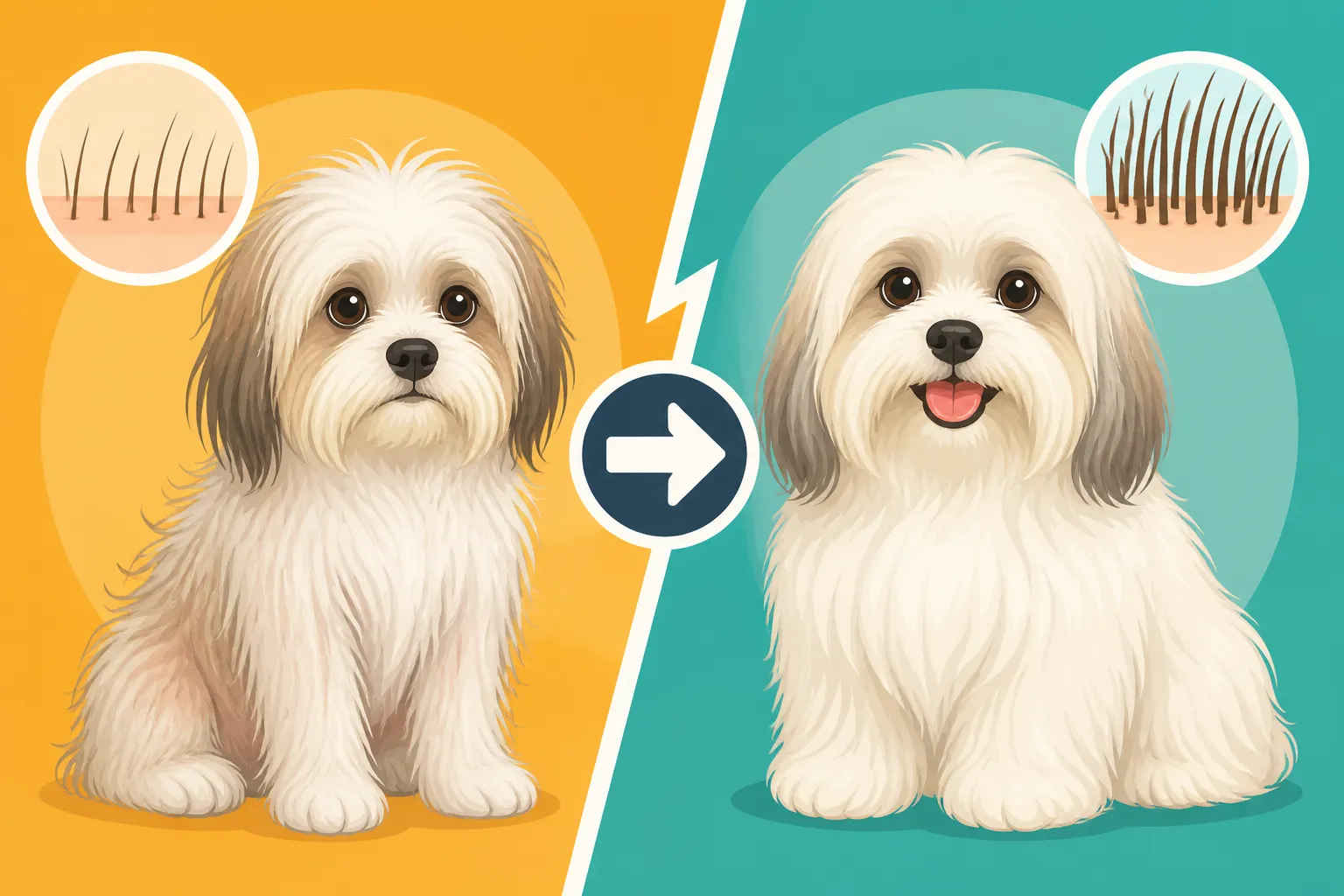
It's heartbreaking to see our beloved Havanese start to show the signs of aging, and one common concern I hear from fellow Havanese parents is about their once-luscious coat starting to look a bit thinner. You remember that vibrant, flowing fur of their younger years, and now you're noticing a subtle, or sometimes not-so-subtle, decrease in density. This guide will delve into why your senior Havanese's coat might be thinning, what's normal, what could signal a deeper issue, and how you can best support their skin and fur as they gracefully age.
The Natural Evolution of an Aging Havanese Coat
Just like us, our Havanese companions go through various stages of life, and each stage brings its own set of physical changes. Their coat, a defining feature of the breed, is no exception. It's important to understand this natural progression to better differentiate between normal aging and something that might need more attention.
Understanding the Havanese Coat Life Cycle
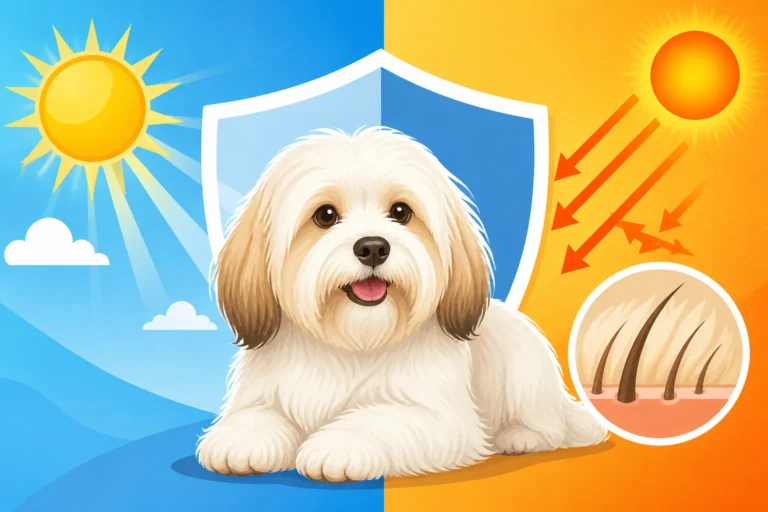
When your Havanese was a puppy, their coat was likely soft, fluffy, and quite manageable. Around the age of eight to eighteen months, many Havanese owners experience what's often called the "blowing coat" phase. This is when the puppy coat transitions into the denser, silkier adult double coat. Suddenly, brushing becomes a much bigger task, and mats seem to appear out of nowhere. This adult coat, when healthy, is a marvel: long, flowing, and surprisingly light for its volume, designed to protect them from the Cuban sun in their ancestral homeland.
Over the years, with consistent grooming and good nutrition, this coat remains a thing of beauty. But as your Havanese enters their senior years – typically around The Age a Havanese Counts as Senior – you might start noticing subtle shifts. The hair might not feel quite as thick to the touch, or it might take less time to brush through than it used to. This isn't necessarily a cause for alarm; it's often just another chapter in their coat's life story.
Why Thinning is a Common Part of Aging
As our Havanese gets older, their body's biological processes naturally slow down. This includes cellular turnover and the activity of hair follicles. Think about human hair – it often becomes finer and less dense with age, and the same can happen for our canine friends. The hair shafts themselves might become a little finer, weaker, or simply grow at a slower rate, leading to an overall reduction in volume.
For a double-coated breed like the Havanese, you might particularly notice a reduction in the density of their undercoat. The softer, downy hairs that provide insulation can become sparser, making the coat feel less substantial. This is a normal physiological response to aging. It's a gradual process, often so subtle that you might only notice it when comparing current photos to those from a few years prior, or when your groomer comments on it. It’s their body simply doing what older bodies do, which is to become a little less robust in certain areas over time.
Distinguishing Natural Thinning from Health Concerns
While some coat thinning is a normal part of aging for a Havanese, it’s crucial to know when those changes might be signaling something more. Our dogs can't tell us when they're not feeling well, so their coat and skin often become important indicators of their internal health.
Signs of Age-Related Coat Changes vs. Problematic Hair Loss
When we talk about natural, age-related thinning, we're usually looking at an even, symmetrical reduction in coat volume across the body. The skin underneath should still look healthy – no redness, flakiness, or irritation. The remaining fur should still have a relatively normal texture, perhaps just a bit softer or finer. It's a general decrease in density, not bald spots or patches.
However, if you start to see more alarming signs, that's when it's time to pay closer attention. Problematic hair loss often manifests as:
- Patchy Hair Loss: Areas of complete baldness or very sparse hair, especially if it’s asymmetrical (e.g., thinning on one side but not the other).
- Skin Changes: Redness, inflammation, scabs, pimples, excessive dandruff, or a greasy/smelly feel to the skin.
- Excessive Itching or Licking: If your Havanese is constantly scratching, biting, or licking at certain spots, it's a sign of discomfort, not just aging.
- Dull, Brittle Fur: The remaining hair looks unhealthy, lacks shine, or breaks easily.
- Changes in Pigmentation: Darkening or lightening of the skin in affected areas.
These symptoms suggest that something more than just natural aging might be at play, and it warrants a veterinary visit.
Underlying Health Issues That Mimic Thinning
Several health conditions common in older dogs can cause hair loss or coat thinning that might be mistaken for simple aging. It's always best to rule these out.
- Hypothyroidism: This is a very common hormonal imbalance in older dogs where the thyroid gland doesn't produce enough hormones. It often leads to a dull, dry, and thinning coat, particularly on the body's flanks and tail, often accompanied by dry, flaky skin. Other signs can include weight gain, lethargy, and a tendency to seek warmth. If you notice Signs a Havanese's Thyroid Has Failed, it's definitely time to see the vet.
- Cushing's Disease (Hyperadrenocorticism): Another hormonal condition where the body produces too much cortisol. It can cause a classic pattern of hair loss, often symmetrical and affecting the trunk while sparing the head and legs. The skin might become thin and fragile. Other symptoms include increased thirst and urination, a pot-bellied appearance, and increased appetite. If you're wondering Whether a Havanese Gets Cushing's, your vet can perform diagnostic tests.
- Nutritional Deficiencies: As dogs age, their digestive systems can become less efficient at absorbing nutrients. A diet lacking in essential fatty acids, proteins, or vitamins can directly impact skin and coat health. Even if your Havanese has been on the same food for years, their senior body might have different requirements.
- Parasites and Allergies: While not strictly thinning, persistent scratching, biting, or rubbing due to fleas, mites, or environmental allergies can cause significant secondary hair loss and skin damage. Food allergies can also manifest as skin issues and itchiness. If you suspect Whether a Havanese Reacts to Its Food, a dietary trial might be needed.
- Organ Disease: Less commonly, underlying kidney or liver disease can impact overall health, including skin and coat vitality. While issues like The Liver Shunt a Havanese Puppy Shows Before Six Months are congenital and seen in puppies, generalized organ dysfunction can occur in seniors and present with a poor coat as one symptom among others.
- Sebaceous Adenitis: This is an inflammatory disease of the sebaceous glands in the skin, which produce sebum to lubricate the hair and skin. It can lead to hair loss, particularly along the back and head, often with greasy scales and dull, brittle fur. Sometimes it can look like simple thinning at first, but it progresses differently. Whether a Havanese Gets Sebaceous Adenitis is a condition to be aware of.
- Arthritis and Mobility Issues: It might seem unrelated, but if your Havanese has Arthritis in a Havanese at Twelve, the pain or discomfort can make regular grooming difficult or even impossible. This can lead to mats and tangles, and when these are removed, they can pull out a significant amount of hair, giving the appearance of thinning or patchy loss.
When to Consult Your Veterinarian
If you notice any significant or sudden changes in your senior Havanese's coat beyond a subtle, even thinning, it’s always best to consult your veterinarian. They can perform a thorough examination, including blood work or skin scrapes, to rule out any underlying medical conditions. Early diagnosis and treatment of conditions like hypothyroidism or Cushing's can greatly improve your dog's quality of life and often lead to a healthier coat. Don't hesitate to bring up your concerns; it's always better to be proactive about their health.
Supporting a Healthy Coat in Your Senior Havanese
Even if your old Havanese's coat thinning is simply due to age, there's plenty you can do to support its health and comfort. A little extra care and attention can make a big difference in how their coat looks and feels.
Nutritional Support for Aging Skin and Coat
Nutrition plays a vital role in skin and coat health, and this becomes even more critical for senior dogs. Their bodies often need different nutrient ratios and ingredients that are easier to digest.
- High-Quality Senior Dog Food: Look for dog foods specifically formulated for senior dogs. These often contain easily digestible proteins, controlled fat levels, and added ingredients like glucosamine for joint support. Many excellent options are available on platforms like Chewy, offering a wide range of brands. Some owners also opt for fresh food diets, which can be highly digestible and nutrient-dense, with services like Ollie providing tailored meal plans that might benefit an aging Havanese. When considering Feeding an Old Havanese, speak to your vet about the best dietary choices.
- Omega Fatty Acid Supplements: These are superstars for skin and coat health. Omega-3 fatty acids, found in fish oil, are powerful anti-inflammatories and can significantly improve coat shine, reduce dryness, and support overall skin barrier function. You can find high-quality fish oil supplements specifically for dogs on Amazon, often in liquid or capsule form. Just be sure to choose one that's third-party tested for purity.
- Antioxidants: Vitamins E and C, along with other antioxidants, help protect cells from damage, including those in the skin and hair follicles. Many senior dog foods are fortified with these, but your vet might also recommend additional supplementation if your dog's coat is particularly dull or dry.
Gentle Grooming Practices for Sensitive Senior Skin
Grooming might become a different experience as your Havanese ages. Their skin might be more sensitive, and they might have aches and pains from conditions like Arthritis in a Havanese at Twelve that make long grooming sessions uncomfortable.
- More Frequent, Shorter Brushing Sessions: Instead of one long session, try several shorter ones throughout the week. This reduces the strain on your dog and prevents matting, which can be painful to remove. Use a very soft slicker brush and a metal comb. Pay close attention to how they react and stop if they show signs of discomfort. Refer to tips for Grooming an Old Havanese That Cannot Stand Long to make it more comfortable for them.
- Lukewarm Baths with Gentle Shampoos: Use moisturizing, hypoallergenic shampoos designed for sensitive skin. Avoid harsh chemicals or overly fragrant products that could irritate their skin. Always ensure thorough rinsing to prevent residue buildup, which can cause itching.
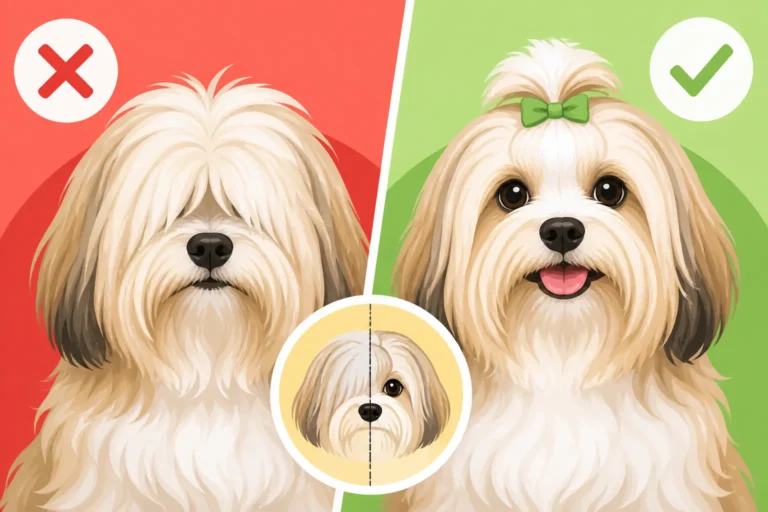
- Keeping the Coat Shorter: Many owners find that a shorter clip, like a puppy cut, is much more practical for an older Havanese. It significantly reduces the risk of matting, is easier to maintain, and can make any thinning less noticeable. You might be surprised Whether an Old Havanese Should Be Kept Clipped for comfort. It also makes it easier to check their skin for any lumps, bumps, or irritations.
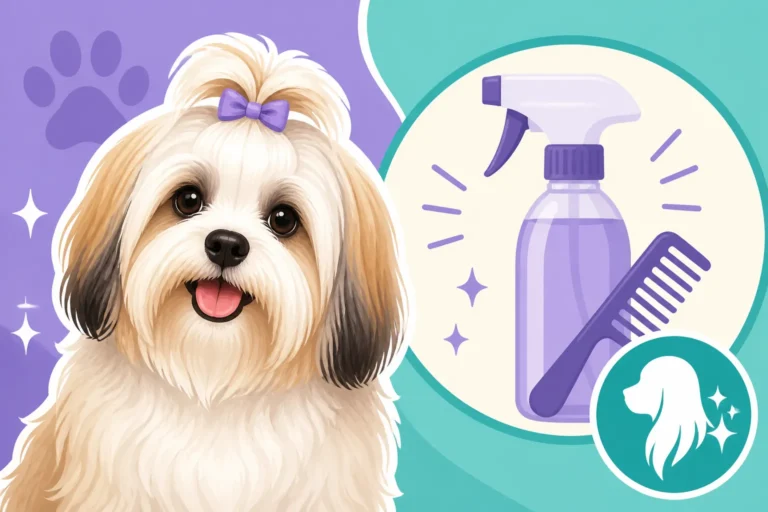
- Moisturizing Sprays or Conditioners: After a bath, or even between baths, a leave-in conditioner or moisturizing spray can help keep their skin hydrated and their coat supple, reducing static and breakage.
Environmental Considerations
Beyond diet and grooming, their daily environment can also impact their comfort and coat health.
- Comfortable Bedding: Provide soft, supportive bedding, especially if they have arthritis. Orthopedic beds, often found on Chewy or Amazon, can relieve pressure points, which indirectly supports skin health by improving circulation. Consider beds that suit Beds That Suit an Arthritic Havanese.
- Humidity Control: In dry climates or during winter months when indoor heating is on, the air can become very dry, leading to dry, flaky skin. A humidifier in the room where your Havanese sleeps can make a difference.
- Regular, Gentle Exercise: While your senior Havanese might not be as spry as they once were, gentle, consistent exercise still benefits their overall health, including circulation to the skin. Short, slow walks, or gentle indoor play, are often enough. Remember that What a Havanese Needs Every Day changes with age, but some activity is always important.
| Characteristic | Normal Age-Related Thinning | Concerning Hair Loss Signs |
|---|---|---|
| Pattern | Even, symmetrical thinning across the body | Patchy, asymmetrical, or localized bald spots |
| Skin Appearance | Healthy, normal color, no irritation | Red, inflamed, scaly, crusty, greasy, or discolored |
| Itching/Licking | Minimal to none | Excessive scratching, licking, biting specific areas |
| Hair Quality | Finer, softer, still relatively healthy | Dull, brittle, coarse, breaks easily |
| Onset | Gradual, subtle, over months/years | Sudden, rapid, or noticeable within days/weeks |
| Accompanying Symptoms | Often none, or general signs of aging (slowing down) | Lethargy, increased thirst/urination, weight changes, odor |
By being observant and proactive, you can ensure your beloved Havanese enjoys comfort and health, right down to their beautiful (if a little thinner) coat, throughout their golden years.
Disclaimer
This article is for general informational purposes only and does not constitute professional advice. Laws, prices and regulations vary by location and change over time. Consult a qualified professional for guidance on your specific situation.