Whether a Havanese Overheats in a Long Coat
Oh, the age-old question that keeps many of us Havanese parents up at night when the temperatures start to rise! You look at that magnificent, flowing coat, a testament to the breed's beauty, and can't help but wonder, "Is my precious pup cooking under all that fur?" It's a completely natural concern, and honestly, the advice out there can feel pretty contradictory. Some say shave them, others say never! This guide is here to cut through the confusion and explain how your Havanese's coat actually works when it's hot, how to spot the signs of trouble, and what real-world steps you can take to keep them cool and comfortable.
The Paradox of the Havanese Coat: Designed for the Tropics?
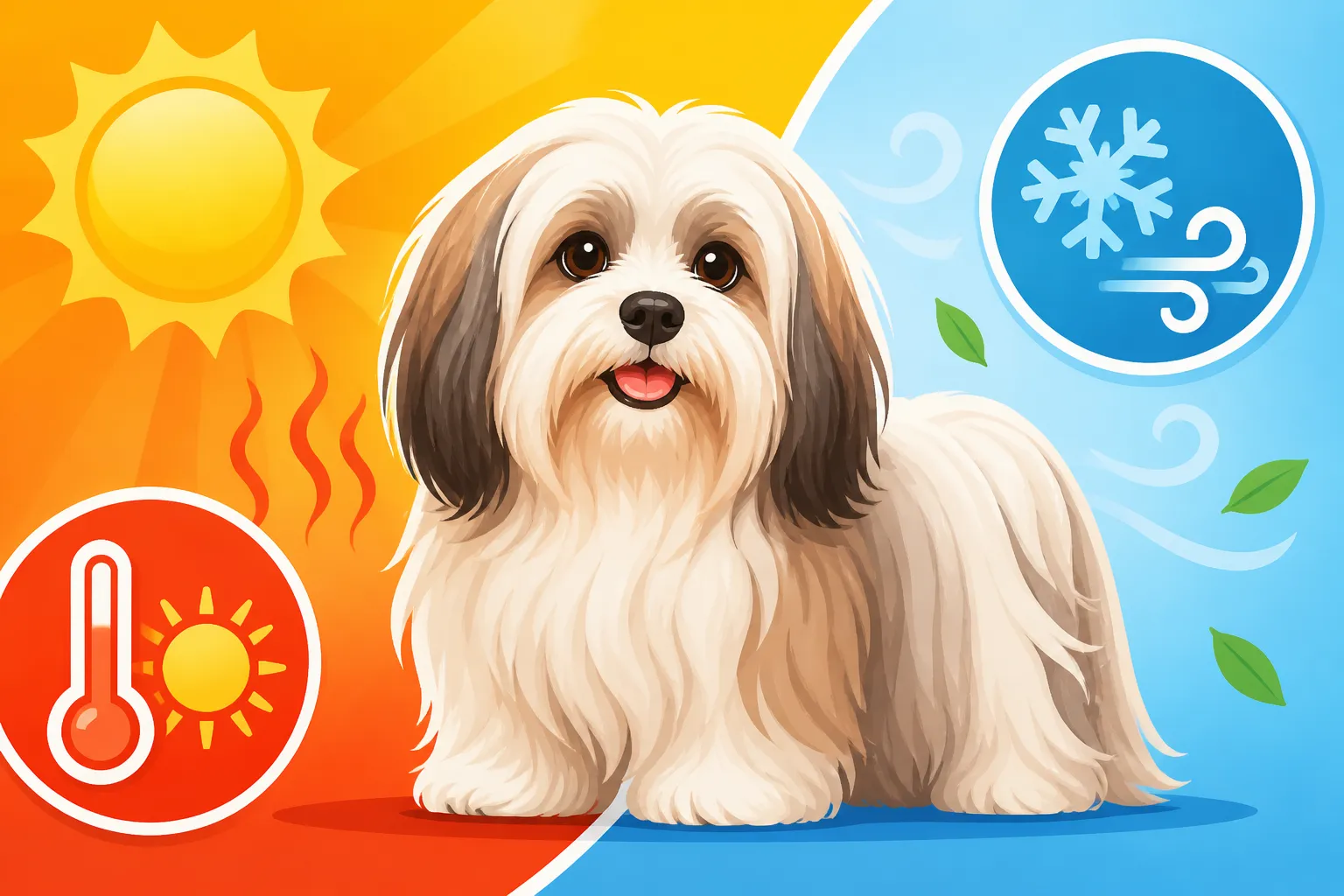
It’s easy to look at a Havanese with their luxurious, flowing locks and assume they’re built for cooler climates, perhaps curled up by a cozy fireplace. But surprisingly, their ancestral roots tell a very different story. These charming little dogs hail from Cuba, an island nation with a decidedly tropical climate – hot and often humid. So, how does a dog with such a long coat thrive in such an environment? It's all in the intelligent design of their unique fur.
More Than Just a Pretty Face: The Functional Design of Their Fur
The Havanese coat isn't just a single, dense layer of fur meant to trap heat. It's actually a double coat, although it often presents as soft and silky rather than coarse and heavy. This double coat consists of a softer undercoat and longer, silken guard hairs. When kept clean and free of mats, this coat acts as a remarkably efficient insulating barrier.
Think of it like this: imagine wearing a light, loose-fitting linen shirt in the scorching desert. That shirt isn't adding to your heat; instead, it's creating a barrier against the direct sun, allowing air to circulate between the fabric and your skin, effectively keeping you cooler than if you were exposed directly to the sun's rays. The Havanese coat functions in a similar way. The long outer coat protects their delicate skin from direct sun exposure, preventing sunburn and absorbing some of the heat. Meanwhile, the space between the guard hairs and the skin, aided by the lighter undercoat, allows for air circulation. This creates a natural cooling system that insulates against both cold and heat. It's truly a marvel of natural adaptation, honed over generations in the warm breezes of Cuba. Whether a Havanese Coat Grows Forever delves into more details about the structure and growth of this unique coat.
When the Natural System Fails: Matting and Heat Traps
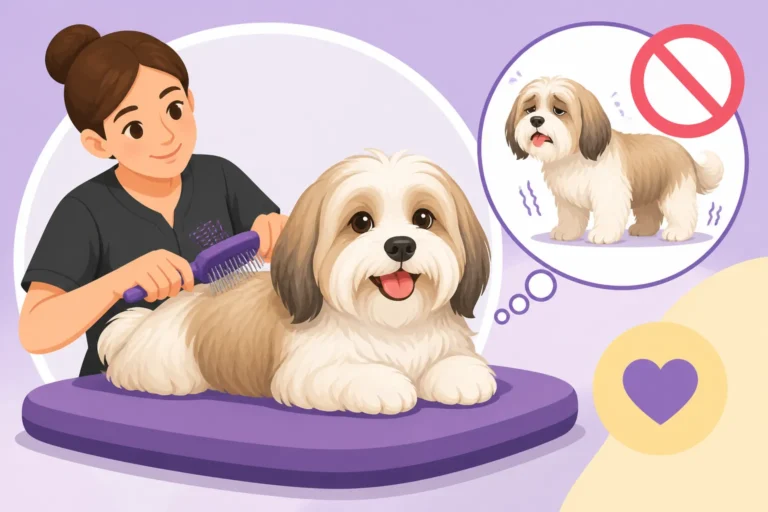
While a healthy, free-flowing Havanese coat is a friend in warm weather, a matted coat is its absolute enemy. Mats completely destroy the natural thermoregulatory capabilities of their fur. Instead of allowing air to circulate, mats become dense, felted patches that trap heat against the dog's skin. It’s like wrapping your dog in a thick, insulating blanket that they can’t shed.
Imagine trying to cool down on a hot day while wearing a suffocating, heavy sweater. That's what a matted Havanese experiences. The trapped air can't move, and the skin underneath those mats can't breathe. This not only makes your Havanese feel hotter and incredibly uncomfortable, but it can also lead to skin irritation, hot spots, and even infections, further compounding their misery. This is why consistent, thorough grooming is not just about aesthetics; it's a critical component of their health and comfort, especially when the mercury rises. You might feel a wave of guilt or frustration when you discover mats despite your best efforts, but understanding their impact on your dog's ability to cool themselves can be a powerful motivator for preventative action. Knowing How Often a Havanese Must Be Brushed is key to preventing these dangerous heat traps.
Recognizing the Red Flags: When Your Havanese Is Truly Overheating
It's natural for dogs to pant when they're warm, and understanding the difference between normal cooling behavior and genuine heat distress is crucial for any Havanese owner. That little fluffy cloud you share your home with can't tell you in words that they're too hot, so it's up to us to read their signals.
Distinguishing Normal Panting from Concerning Signs
Panting is a dog's primary way of regulating body temperature, much like sweating for humans. When your Havanese is happy, active, or just a little warm, a calm, rhythmic pant is perfectly normal. Their tongue might hang out a bit, and you'll see their chest rise and fall steadily. This is their built-in air conditioner working.
However, there's a point where panting signals trouble. The early, more subtle signs of heat stress can often be missed, but catching them quickly can make all the difference. Keep an eye out for:
- Increased or exaggerated panting: It might become much more rapid, shallow, or even sound strained. Your Havanese might seem like they're panting more heavily than usual for the activity level.
- Seeking shade aggressively or refusing to move: They might become unusually reluctant to play, walk, or even leave a cool spot.
- Slight lethargy or reduced enthusiasm: A normally peppy Havanese might seem unusually subdued or tired.
- Bright red gums or tongue: This indicates increased blood flow as their body tries to cool down.
- Excessive drooling: They might be drooling more than usual, and their saliva could appear thicker or stickier.
These are your early warning signs. If you see them, it's time to act. If these signs progress, you could be dealing with full-blown overheating or heatstroke, which is a severe medical emergency. More serious signs include:
- Disorientation or stumbling: They might look confused, walk unsteadily, or even lose their balance.
- Vomiting or diarrhea: This is a clear indicator that their body systems are shutting down.
- Collapse or seizures: These are critical, life-threatening symptoms requiring immediate veterinary intervention.
It can be really scary to see your beloved Havanese in distress, but staying calm and knowing what to look for can help you identify the problem before it becomes dire. We have a more in-depth guide on Signs a Havanese Is Too Hot that you might find helpful for further reading.
Immediate Action: What to Do in a Heat Emergency
If you suspect your Havanese is overheating, every second counts. Don't panic, but act quickly and deliberately:
- Get them out of the heat IMMEDIATELY: Move them into an air-conditioned room, a shaded area, or even in front of a fan. The goal is to stop further heat absorption.
- Begin active cooling:
- Cool water, not ice water: Use lukewarm or cool (not icy cold) water to wet their fur, especially on their paws, ears, belly, armpits, and groin area. These are areas where blood vessels are close to the surface, allowing for more efficient cooling. You can use wet towels or a sponge. Avoid submerging them in a tub of cold water, as this can cause their superficial blood vessels to constrict, trapping heat inside their core.
- Gentle fanning: If you have a fan, direct it towards them. The evaporation of the water will help draw heat away from their body.
- Offer fresh, cool water: Offer small amounts of water, but don't force them to drink. If they are disoriented, they might inhale the water.
- Contact your vet IMMEDIATELY: Even if your Havanese seems to be recovering, it's crucial to get professional medical advice. Overheating can cause internal organ damage that isn't immediately visible, and your vet can assess for these hidden dangers. Call ahead so they can be ready for your arrival.
While these steps can be life-saving, remember that products like cooling mats (readily available on Amazon or Chewy) are fantastic for prevention and keeping your dog comfortable in general, but they are not a substitute for active emergency cooling if your Havanese is already in distress. Keeping a small first-aid kit with items like wet wipes, a small spray bottle for water, and a thermometer can also be helpful for emergencies.
Proactive Care: Keeping Your Long-Coated Havanese Comfortable in Heat
The key to preventing your Havanese from overheating, especially with their beautiful long coat, lies in consistent, proactive care. It's about working with their natural coat, not against it, and making smart adjustments to their daily routine.
The Art of Maintaining a Functional Coat
As we've discussed, a healthy, un-matted coat is crucial for thermoregulation. This means your grooming routine needs to be diligent, especially as the weather warms up.
- Regular, Thorough Line Brushing: This is your number one tool. You need to brush your Havanese all the way down to the skin, section by section. This ensures that the undercoat isn't packing down and that air can flow freely through the entire coat. Many owners make the mistake of just brushing the top layer, leaving mats to form closer to the skin, which then act as heat traps. Removing dead undercoat is also vital; it's like clearing out insulation that's no longer serving its purpose, allowing for better airflow.
- Sanitary and Paw Pad Trims: These are non-negotiable for hygiene and comfort. Trimming the hair around their paw pads helps them dissipate heat, as dogs sweat through their paws. A clean sanitary clip prevents waste from clinging to their fur, which can also contribute to discomfort and skin issues. Don't forget to keep the hair around their ears tidy to improve air circulation there, too. You can learn more about this in Whether a Havanese's Paw Hair Needs Trimming.
- Bathing and Drying: Regular baths with appropriate shampoos and conditioners help keep their coat clean and free of debris that can contribute to matting. However, the drying process is just as important, if not more so. A damp coat, especially one that isn't thoroughly line-brushed during drying, will mat much faster and can trap moisture against the skin, creating an ideal environment for yeast or bacteria, and making them feel clammy and hot. Invest in a good force dryer if you do your own grooming, or ensure your professional groomer dries them completely. Consider how often you should be bathing your Havanese by reading How Many Weeks Between Baths a Havanese Can Go.
Strategic Lifestyle Choices to Beat the Heat
Beyond grooming, adapting your daily routine can make a world of difference for your Havanese in hot weather.
- Adjust Exercise Times: Avoid walks and strenuous play during the hottest parts of the day, typically late morning to late afternoon. Opt for early mornings or late evenings when temperatures are cooler. Remember, asphalt and concrete can get incredibly hot, burning delicate paw pads, so always check the pavement with the back of your hand before walking.
- Constant Access to Water and Shade: This might seem obvious, but it's often overlooked. Always have fresh, cool water available, both indoors and out. Adding a few ice cubes to their bowl can entice them to drink more. If they are outdoors for any length of time, even for a potty break, ensure there is ample shade available.
- Cooling Aids: Cooling vests or bandanas can be helpful, but ensure they are actually designed to dissipate heat and not just trap it once they dry out. Look for options that use evaporative cooling. Many such products are available from pet supply retailers like Chewy or Amazon.
- Indoor Enrichment: On scorching days, shift their activity indoors. Engage them with puzzle toys (Amazon has a fantastic selection!) or short training sessions in an air-conditioned space. Games like "find the treat" or teaching new tricks can provide mental stimulation without overheating.
- Never, Ever Leave Them in a Car: This cannot be stressed enough. Even on what seems like a mild day, the temperature inside a parked car can skyrocket within minutes, turning into a death trap. "Just for a second" is too long. If you can't take your Havanese with you, leave them safely at home.
Debunking the Shave Myth and Long-Term Wellness
When summer hits, the idea of shaving your long-coated Havanese can feel incredibly tempting. "Just get rid of all that fur, and they'll be cooler, right?" It's a common misconception, but the truth is, a full shave isn't always the benevolent act we intend it to be.
Why a Full Shave Isn't Always the Answer (and Can Be Detrimental)
The belief that shaving a double-coated dog like a Havanese will cool them down is widespread, but it often does more harm than good. Their coat, when properly maintained, is designed to protect them from the elements, including the sun.
Here’s why a full shave can be problematic:
- Sunburn Risk: When you remove their natural protective layer, their delicate skin, which has rarely seen direct sunlight, becomes highly vulnerable to sunburn. Just like us, dogs can get skin cancer. If you shave your Havanese, they will need sun protection, much like a human, especially during peak sun hours. This is why we've explored Whether a Clipped Havanese Sunburns in more detail.
- Improper Regrowth (Coat Blow): This is a huge concern. Shaving a double coat can sometimes damage the hair follicles, leading to what groomers call "coat blow" or "clipper alopecia." The undercoat might grow back thicker and coarser than the guard hairs, creating a dense, woolly texture that is harder to brush and less efficient at thermoregulation. This new coat can trap heat even more effectively than the original healthy coat and be prone to severe matting. Once the coat texture changes this way, it might never return to its original silky state. For more on this, check out Whether a Clipped Havanese Coat Grows Back the Same.
- Loss of Protection: Their coat isn't just for temperature control; it also provides a barrier against insect bites, minor scrapes, and even sudden drops in temperature during cooler evenings. Removing it leaves them more exposed.
When Clipping Is Appropriate: There are times when a shorter clip is necessary or beneficial. If your Havanese's coat is severely matted beyond redemption, shaving down might be the kindest option to relieve discomfort and prevent skin issues. For dogs with certain medical conditions or those that just genuinely struggle with the heat despite best efforts, a shorter "puppy cut" or a longer clipper comb length (leaving at least an inch or two of fur) can be a compromise that helps. This removes some bulk while still offering a degree of protection. If you go this route, be prepared for the ongoing cost of regular professional grooming to maintain the shorter style.
Holistic Approaches to Heat Tolerance and Overall Health
Beyond specific coat care, a holistic approach to your Havanese's overall health significantly impacts their ability to cope with warm weather. A healthy dog is a more resilient dog.
- Weight Management: A fit Havanese with a healthy body weight will tolerate heat much better than an overweight one. Excess weight acts as an internal insulator, making it harder for their body to cool down, and putting extra strain on their heart and lungs. Discuss appropriate portion sizes and healthy treats with your vet. Brands like Ollie, which offers fresh, pre-portioned meals, can be helpful for managing weight, but always check their specific nutritional guidance for your dog's needs. Understanding How Much a Havanese Should Eat and Whether a Havanese Should Be Kept Slim for Its Joints are vital for their well-being.
- Hydration and Diet: A high-quality diet provides the nutrients necessary for healthy skin and coat, supporting its natural protective functions. Just as important is ensuring your Havanese is always well-hydrated. Keep multiple water bowls around the house, and consider adding a pet fountain to encourage drinking.
- Regular Vet Check-ups: Routine veterinary visits are crucial. Underlying health conditions, such as heart disease (which Havanese can be prone to, like Mitral Valve Disease in an Older Havanese) or respiratory issues, can significantly impair a dog's ability to tolerate heat. Your vet can identify and manage these conditions, helping your Havanese stay healthier and more comfortable year-round. Don't skip that Whether a Havanese Needs a Yearly Blood Panel!
- Environmental Control: Ensure your home environment is comfortable. Air conditioning, fans, and good ventilation are your allies on hot days, providing a cool sanctuary for your Havanese to retreat to.
By combining thoughtful grooming, smart lifestyle adjustments, and a focus on overall wellness, you can ensure your long-coated Havanese stays happy, healthy, and cool, even when the mercury climbs. They can truly live a long, full life, often reaching The Fourteen to Sixteen Years a Havanese Lives with proper care.
| Aspect | Long Coat (Well-Maintained) | Clipped Coat (Short Puppy Cut) |
|---|---|---|
| Insulation | Provides natural insulation against heat and cold | Reduced insulation; less natural protection |
| Sun Protection | Excellent natural barrier against UV rays | Skin exposed to sun; high risk of sunburn |
| Grooming Freq. | Daily brushing required to prevent mats | Less frequent daily brushing, but professional trims |
| Matting Risk | High if not brushed daily, especially during coat change | Lower if kept short, but can still mat if neglected |
| Potential Drawbacks | Can trap heat if matted; higher grooming time | Sunburn risk; potential coat texture changes; less bug protection |
Disclaimer
This article is for general informational purposes only and does not constitute professional advice. Laws, prices and regulations vary by location and change over time. Consult a qualified professional for guidance on your specific situation.