Caring for a Havanese Past Twelve
Watching your beloved Havanese step into their golden years is a bittersweet journey. On one hand, you’re cherishing every moment with your loyal companion; on the other, you’re likely noticing a few more gray hairs, a slower gait, and perhaps a new ache or two. It’s completely normal to feel a mix of worry and deep love as they age, and many of us struggle to know how best to support them through these changes. This comprehensive guide is here to walk you through everything you need to know about caring for your Havanese once they hit that venerable age of twelve and beyond, ensuring their twilight years are as comfortable and joyful as possible.
Understanding the Golden Years: What "Senior" Means for a Havanese
Just like us, dogs age, and while some breeds may seem to hit their senior stride earlier, Havanese, being a smaller breed, often enjoy a longer "middle age" before truly showing signs of slowing down. But once they pass that significant milestone of twelve years, you're definitely living with a bona fide senior, and their needs start shifting.
When Does a Havanese Become a Senior?
For many Havanese owners, the transition to senior status isn't a sudden event, but a gradual unfolding. Generally, veterinarians consider small breeds like the Havanese to be seniors once they reach around 10 to 12 years of age. However, every dog is an individual, and you might still see your 10-year-old Havanese zipping around like a puppy, making the transition to senior feel sudden around age 12 or 13 for some. It's not uncommon for a Havanese to live a remarkably long life, often reaching The Fourteen to Sixteen Years a Havanese Lives, which means they spend a good portion of their lives in this senior phase.
You might notice subtle changes first: a bit less enthusiasm for a long walk, a preference for napping in sunny spots, or a slight slowing down when getting up from a deep sleep. These aren't necessarily signs of a problem, but rather gentle nudges that your Havanese is entering a new chapter. It's less about a specific calendar date and more about observing these shifts in their behavior and physical capabilities. A Havanese that was once a tireless playmate might now be content with shorter bursts of activity followed by extended naps, signaling that their youthful energy is naturally waning.
Common Changes to Expect in a Senior Havanese
As your Havanese gracefully ages, a myriad of changes, both physical and behavioral, are completely normal. Physically, you'll likely spot that distinguished graying around their muzzle and eyes, which adds character to their sweet face. Their once boundless energy may diminish, leading to more naps and a preference for cozy spots. You might also notice a decrease in their stamina during walks, where they tire more easily than they used to.
Beyond the visible signs, their bodies are undergoing internal shifts too. Muscle mass can decrease, making them appear a bit leaner or less sturdy. Their metabolism can slow down, which means they might gain weight more easily, even on the same food portion, or conversely, they might lose weight due to decreased appetite or underlying health issues. Behaviorally, some Havanese become a little less tolerant of loud noises or boisterous play from children or other pets, preferring a quieter environment. They might also become more attached, following you into every room, a sign of their enduring bond but also potentially a subtle hint of anxiety as their world shifts.
Navigating Health Challenges in the Older Havanese
One of the biggest concerns for any Havanese parent of a senior dog is their health. It's heartbreaking to see them struggle, and it’s a constant juggle to differentiate normal aging from something that needs veterinary attention. While we can't stop the clock, we can be proactive and prepared for the common health issues that tend to emerge or worsen in their later years.
The Inevitable Aches and Pains: Joint Health and Mobility
As our Havanese companions age past twelve, it's almost a given that they'll start to experience some form of joint discomfort. That lively, springy gait they once had might give way to stiffness, especially after resting or on colder days. This is often due to conditions like arthritis, which is unfortunately quite common in older dogs, or the progression of pre-existing conditions such as luxating patellas. You might notice them hesitating before jumping onto the couch, struggling to go up or down stairs, or even limping slightly after a long walk.
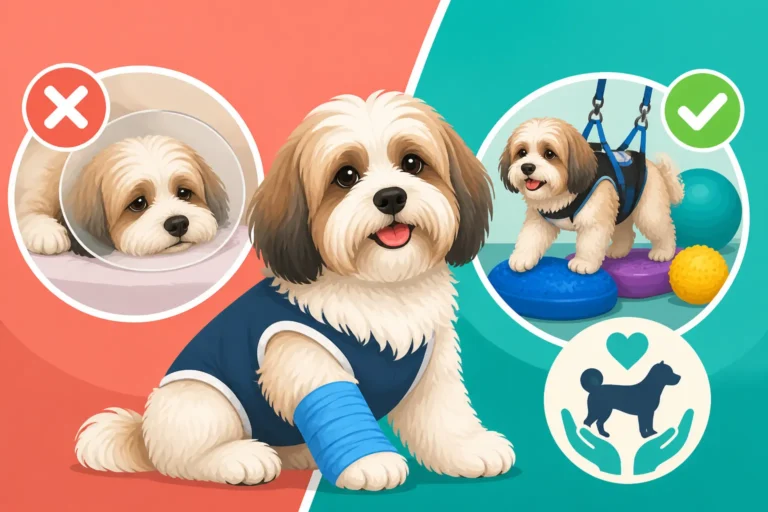
Managing these aches and pains is crucial for maintaining their quality of life. Simple modifications at home, such as adding non-slip rugs on slick floors, providing ramps or steps for access to furniture they love, and investing in a comfortable orthopedic bed, can make a world of difference. For medical intervention, your vet might recommend joint supplements containing glucosamine and chondroitin, or prescription anti-inflammatory medications to ease discomfort. Regular, gentle exercise is still important to keep their joints mobile and muscles strong, but these walks should be shorter and less strenuous. For a deeper dive, read about Arthritis in a Havanese at Twelve and how it presents. If your Havanese already has a history of The Kneecaps a Havanese Slips, you might find these issues become more pronounced, requiring closer monitoring and potentially adjusting their activity levels. While Havanese are less prone to severe hip issues compared to some larger breeds, it's still good to understand Whether a Havanese Gets Hip Dysplasia as some senior dogs can develop age-related degenerative changes.
Heart Health: Monitoring for Mitral Valve Disease
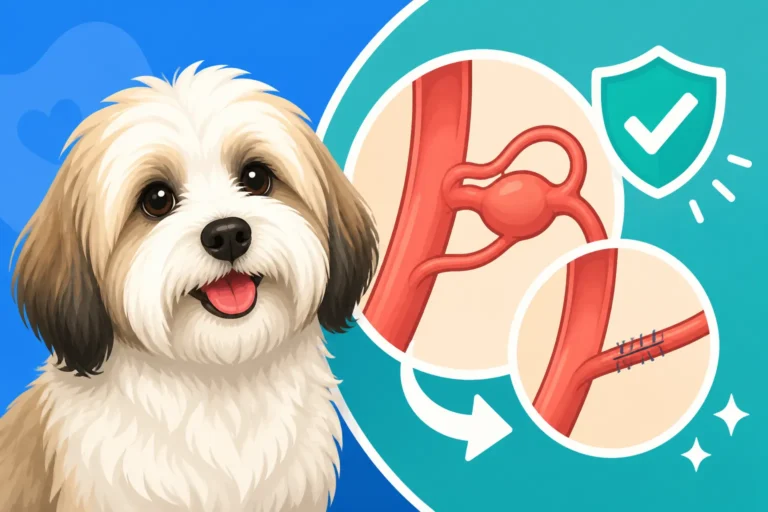
Heart conditions, particularly Mitral Valve Disease (MVD), are a significant concern for small breeds like the Havanese as they age. It's one of the most common acquired heart diseases in older dogs, and it happens when the mitral valve, located between the left atrium and left ventricle of the heart, starts to degenerate and doesn't close properly. This leads to blood leaking back into the atrium with each heartbeat, putting strain on the heart and eventually leading to congestive heart failure if left unmanaged.
The signs of MVD can be subtle at first and often go unnoticed until the condition progresses. You might start hearing a cough, especially at night or when your Havanese is excited, which can be mistaken for a normal "old dog cough." Other symptoms include reduced stamina, where they tire quickly during walks or play, difficulty breathing, a distended abdomen, or even fainting spells in more advanced stages. This is why regular veterinary check-ups are paramount for senior Havanese. Your vet will listen for a heart murmur, which is often the first indicator of MVD. If a murmur is detected, further diagnostics like an echocardiogram might be recommended to assess the severity and guide treatment. For more specific details on what to listen for, check out The Heart Murmur an Older Havanese Develops, and learn more about Mitral Valve Disease in an Older Havanese itself.
Sensory Decline: Vision and Hearing Loss
It’s truly disheartening to see our vibrant Havanese, who once responded to every rustle and tracked every bird with keen eyes, begin to struggle with their senses. Vision and hearing loss are common aspects of aging in dogs, and while they can be distressing for us, our Havanese often adapt with incredible resilience, especially with our help.
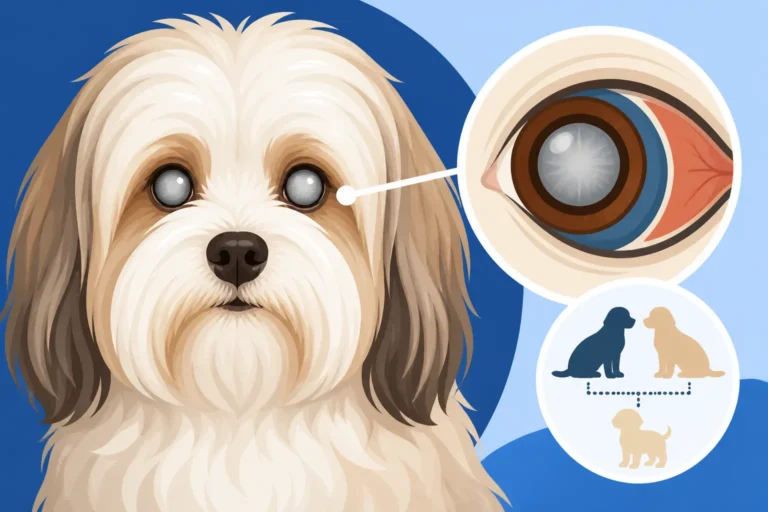
Regarding vision, conditions like cataracts are highly prevalent in older Havanese, causing the lens of the eye to become cloudy, eventually leading to blindness. You might notice a bluish-grey haze in their eyes. Other eye diseases that can affect older Havanese include glaucoma and progressive retinal atrophy, though cataracts are perhaps the most common. Learning The Age Cataracts Appear in a Havanese can help you prepare, and understanding Whether a Havanese Goes Blind From Cataracts can alleviate some fears by knowing what to expect. If your Havanese starts bumping into furniture or hesitates on stairs, it’s a clear sign their vision is declining. While Whether an Old Havanese Goes Blind is a possibility, many dogs adjust remarkably well to limited or no sight. For hearing, age-related deafness can also creep in, making them less responsive to their names or familiar commands. You might find yourself having to clap loudly or stomp your foot to get their attention, or they might seem startled when you approach them from behind. For insights into Early Deafness in a Havanese and How Early Deafness Shows in a Havanese, understanding the signs early can make a big difference in how you adapt your communication.
Living with a vision or hearing-impaired Havanese requires some adjustments. For those with diminishing sight, try to keep furniture in consistent locations to minimize confusion and bumping. Use scent markers or textured mats to help them navigate familiar spaces. For deaf Havanese, hand signals become your new best friend. You might already be teaching them hand signals alongside verbal cues when they are young, and this investment truly pays off in their senior years. Always approach them from the front to avoid startling them, and consider a vibrating collar for recall in a safe, fenced area. Patience and consistency are your greatest allies in ensuring your Havanese feels secure and loved, regardless of their sensory capabilities.
Cognitive Changes: Understanding Canine Cognitive Dysfunction
Just like people, our Havanese can experience a decline in cognitive function as they age. This isn't just about getting a little forgetful; it's a specific set of symptoms known as Canine Cognitive Dysfunction (CCD), or "doggy dementia." It's incredibly challenging to witness your once sharp and engaging companion start to seem confused or disoriented, and it's a frustration many senior Havanese owners face.
The signs of CCD can vary, but common indicators often spell out the acronym DISHA: Disorientation (getting lost in familiar places, staring blankly at walls), Interactions (changes in how they interact with family or other pets, becoming more withdrawn or irritable), Sleep-wake cycle changes (waking up at night, sleeping more during the day), House-soiling (accidents indoors despite being fully house-trained), and Activity level changes (decreased exploration, repetitive behaviors, pacing). You might find yourself asking Whether an Old Havanese Gets Confused as they stand by the wrong side of the door to go outside, or seem unsure of where their food bowl is placed.
While there's no cure for CCD, there are strategies to manage its progression and improve your Havanese's quality of life. Maintaining a consistent daily routine is paramount, providing a sense of security and predictability. Mental stimulation, even gentle puzzle toys or short "sniffaris" in the yard, can help keep their minds engaged. Some veterinarians may recommend specific diets enriched with antioxidants, omega-3 fatty acids, and medium-chain triglycerides, or certain supplements to support brain health. There are also prescription medications that can help manage symptoms in some dogs. It’s about creating an environment that minimizes stress and confusion, allowing your Havanese to navigate their world with as much confidence and comfort as possible, even when their internal compass might be a little off.
Tailoring Nutrition and Hydration for the Senior Havanese
As your Havanese reaches their golden years, their dietary needs undergo significant changes. What worked perfectly for them as a vibrant adult might not be optimal anymore. It’s a common frustration to see a once enthusiastic eater become finicky, or to notice weight fluctuations despite consistent feeding. Adjusting their nutrition and ensuring proper hydration are paramount to supporting their aging body and maintaining their overall health.
Adjusting Dietary Needs: Quality and Quantity
The metabolism of an older Havanese tends to slow down, meaning they require fewer calories to maintain a healthy weight. Continuing to feed them the same amount of their adult food can easily lead to unwanted weight gain, which puts extra strain on their joints and organs. Conversely, some senior Havanese might experience a decrease in appetite or develop dental issues that make chewing dry kibble painful, leading to unintended weight loss. This is where switching to a senior-specific dog food can be incredibly beneficial. These formulas are typically designed with lower calorie counts, often higher fiber content to support digestion, and sometimes include added joint-supporting supplements like glucosamine and chondroitin.
When choosing a senior food, look for high-quality protein sources to help maintain muscle mass, as muscle wasting can be a concern in older dogs. If your Havanese has become a picky eater, you might consider adding some warm water or a low-sodium broth to their kibble to make it more palatable, or incorporating some wet food. For Havanese struggling with dental pain, soft foods are a must. It's a balance to ensure they're getting enough nutrients without overfeeding or underfeeding. Regularly assessing their body condition score with your veterinarian can help you determine if they are at an ideal weight. For more insights on this, you can look into Feeding an Old Havanese and also understand general guidelines for Feeding a Havanese That Weighs Twelve Pounds to ensure their diet is perfectly tailored. Brands like Royal Canin and Hill's Science Diet offer excellent senior-specific formulas tailored for small breeds that can be a great starting point for discussion with your vet.
The Critical Importance of Hydration
Hydration is often overlooked, but it becomes critically important for senior Havanese. As dogs age, their thirst drive can decrease, and they may be more prone to dehydration, especially if they have underlying health conditions like kidney disease, which is more common in older pets. Dehydration can exacerbate existing health issues, make them feel lethargic, and even lead to more serious complications.
Encouraging your senior Havanese to drink enough water is essential. Place multiple water bowls around the house in easily accessible locations, perhaps even in their favorite napping spots, so they don't have to travel far. Consider using ceramic or stainless steel bowls, which some dogs prefer over plastic. A pet water fountain can also be a game-changer, as the flowing water often entices dogs to drink more. Adding a bit of water to their dry food or incorporating wet food into their diet can also increase their daily fluid intake. Always ensure their water is fresh and clean. If you notice a significant decrease in water consumption or signs of dehydration (e.g., sunken eyes, dry gums, lethargy), consult your vet immediately. Kidney function is a vital concern in older dogs, and adequate hydration plays a crucial role in supporting their renal health.
Adapting Grooming Routines for Comfort
The beautiful, flowing Havanese coat is one of their most distinctive features, but grooming it can become quite a challenge as they age. What was once a pleasant, if lengthy, bonding experience can turn into a source of discomfort or anxiety for a senior Havanese whose body might be stiff or sore. It’s frustrating when your once cooperative dog now fusses on the grooming table, but it’s often a sign that we need to adapt our approach to prioritize their comfort.
Gentle Brushing and Clipping Strategies
Long grooming sessions can be physically demanding for an older Havanese. Standing for extended periods, being manipulated into different positions, or enduring prolonged brushing can be painful for joints affected by arthritis or a worsening The Kneecaps a Havanese Slips. You might find your Havanese protesting more, trying to lie down, or showing signs of discomfort during what used to be a routine brush. This is a clear signal that their body is no longer as flexible or tolerant as it once was.
To make grooming a more positive experience, consider switching to shorter, more frequent brushing sessions, allowing them to rest or lie down if they prefer. Use a soft slicker brush and a wide-toothed comb to gently work through their coat, always being mindful of any tender spots. Many senior Havanese owners opt for a shorter, low-maintenance clip, often referred to as a "The Puppy Cut Most Havanese Owners End Up Choosing." This significantly reduces the time spent on brushing and helps prevent mats, which can pull at their skin and cause discomfort. Don't be afraid to discuss this with your groomer; they can offer various options that keep your Havanese comfortable and looking neat without the stress of a full show coat. It’s also wise to focus on essential areas like paw pads (to prevent slipping), sanitary trims (for cleanliness), and carefully around their eyes and ears. If your Havanese struggles to stand, a grooming table with a supportive sling or having them sit on your lap might be helpful. For extensive tips on adapting care, delve into Grooming an Old Havanese That Cannot Stand Long to ensure their comfort. If you're wondering Whether an Old Havanese Should Be Kept Clipped, the answer is often yes, for their comfort and ease of care.
Dental Care: More Important Than Ever
Dental health is critically important for Havanese throughout their lives, but it becomes even more crucial and often more problematic in their senior years. Small breeds are particularly prone to dental disease, and by the age of twelve, many Havanese will have accumulated significant plaque and tartar buildup, leading to gingivitis, periodontal disease, and potentially painful tooth loss. It's a frustrating reality that despite our best efforts, dental issues can creep up and severely impact their quality of life.
The consequences of poor dental health extend far beyond just bad breath. Infected teeth and gums can be incredibly painful, making it difficult for your Havanese to eat, leading to weight loss and discomfort. Furthermore, the bacteria from severe dental disease can enter the bloodstream and affect vital organs like the heart, kidneys, and liver, exacerbating other age-related health issues. This is why regular professional dental cleanings under anesthesia are often recommended, even for older dogs, after a thorough pre-anesthetic workup. Many Havanese, unfortunately, need The Dental Work Every Havanese Needs by Six, and these problems only compound with age.
At home, if your Havanese tolerates it, daily tooth brushing with dog-specific toothpaste is the gold standard. If brushing isn't feasible, dental chews, water additives, or dental wipes approved by the Veterinary Oral Health Council (VOHC) can help, though they are rarely as effective as brushing or professional cleaning. Discussing your Havanese's dental health with your vet at every check-up is paramount. They can advise on the best course of action, balancing the risks of anesthesia with the significant benefits of a healthy mouth. Addressing dental crowding in a Havanese mouth is also important, as this can trap food and accelerate decay.
Enhancing the Home Environment and Daily Life
As your Havanese moves through their golden years, their home environment needs to evolve with them. What was perfectly safe and stimulating for a younger dog might now pose challenges or even risks. It’s all about creating a sanctuary that supports their changing physical and cognitive needs, ensuring they can navigate their world with dignity and comfort.
Creating a Safe and Accessible Space
The playful Havanese who once bounded across slippery floors without a care might now struggle with traction, risking slips and falls that could injure fragile joints or bones. Their eyesight might be dimming, making stairs or changes in floor levels tricky to navigate. These physical limitations necessitate a careful reevaluation of their living space.
Start by addressing flooring. Place non-slip mats or runners on hard surfaces, especially in high-traffic areas or where they jump on and off furniture. Invest in sturdy ramps or steps for beds and couches, eliminating the need for risky jumps. Your Havanese might be trying to follow their routine of jumping onto the bed, but this can really hurt their joints. Ensure their food and water bowls are easily accessible and perhaps raised slightly if they struggle to bend down. Orthopedic beds with supportive foam can significantly ease pressure on aging joints, making rest more comfortable. Look for one that's easy to get in and out of. Consider baby gates to block off stairs or areas that could be dangerous if their vision or mobility is compromised. Temperature control is also important; older dogs can be more sensitive to extremes, so ensure they have a warm, draft-free spot in winter and a cool area in summer. These thoughtful adjustments can drastically improve their safety and confidence at home.
Maintaining Mental and Emotional Well-being
It’s easy to focus solely on the physical ailments of a senior Havanese, but their mental and emotional health are just as vital. While they might not be chasing squirrels with the same vigor, their minds still crave stimulation and connection. The frustration for many owners is seeing their dog withdraw or seem less engaged, and wondering how to rekindle that spark.
Gentle, low-impact activities are key. Instead of long, strenuous walks, consider shorter, more frequent "sniffaris" in the yard or a quiet park. The mental engagement of exploring new scents is incredibly enriching without putting excessive strain on their body. Puzzle toys, even simple ones filled with a small amount of their kibble, can provide valuable mental exercise. Continue with gentle play, perhaps a short game of tug or rolling a soft toy, adapting the intensity to their energy levels. It’s heartwarming to know that Whether an Old Havanese Still Wants to Play is often true, they just need the right kind of play. Consistency in their daily routine provides a sense of security, which is especially important for dogs experiencing cognitive decline. Ensure they have a quiet, comfortable resting spot away from household hustle and bustle where they can retreat when they feel overwhelmed. Continued social interaction, gentle petting, and consistent affection reinforce their bond with you and remind them they are cherished members of the family.
Regular Veterinary Care and Proactive Monitoring
As your Havanese enters their senior years, the adage "prevention is better than cure" becomes even more poignant. Regular veterinary care shifts from annual check-ups to a more frequent, proactive approach, aiming to catch potential health issues early, before they become serious or difficult to manage. It's a partnership between you and your vet, working together to give your Havanese the best possible quality of life.
The Importance of Bi-Annual Check-ups
For a senior Havanese, those yearly vet visits just aren't enough anymore. Instead, your veterinarian will likely recommend bi-annual (every six months) check-ups. This increased frequency is crucial because age-related diseases can progress rapidly in older dogs, and catching them early can make a significant difference in treatment outcomes and overall prognosis. It's a small investment of time that can pay huge dividends in their health and comfort.
During these senior exams, your vet will perform a comprehensive physical assessment, paying close attention to their weight, muscle mass, joint mobility, dental health, and listening carefully to their heart and lungs. Beyond the physical, these visits often include diagnostic screenings. A complete blood panel can reveal early signs of kidney or liver disease, diabetes, or thyroid issues before clinical symptoms even appear. A urinalysis helps assess kidney function and detect urinary tract infections. Blood pressure monitoring is also important, as hypertension can affect organs like the kidneys, heart, and eyes. It's a time to openly discuss any changes you've observed at home – however minor they might seem – from shifts in appetite or thirst to new lumps, bumps, or behavioral quirks. Your observations are invaluable to your vet, as you know your Havanese best.
Understanding Pet Insurance and Financial Planning
Let's be realistic: providing comprehensive care for a senior Havanese, especially one facing chronic or unexpected health challenges, can become quite expensive. The costs for specialized diagnostics, ongoing medications, prescription diets, and potential surgeries can quickly add up, creating a significant financial burden that many pet owners haven't fully anticipated. It's a genuine worry for many, as we want to give our furry family members the best, but the bills can be daunting.
This is where planning, whether through pet insurance or a dedicated savings fund, truly comes into play. Pet insurance, such as Healthy Paws, can be an invaluable tool in managing these costs. While many policies have age restrictions for new enrollments and might not cover pre-existing conditions, if your Havanese was enrolled when they were younger, a good policy can cover a substantial portion of veterinary expenses for new illnesses or accidents, including specialist visits, medications, and emergency care. For more on this, consider exploring Insuring a Havanese Against Knees and Heart for deeper insights into how such policies can help protect your senior dog's health without breaking the bank. It's not a silver bullet, but it can certainly ease the financial strain during what can already be an emotionally taxing time.
Even without insurance, setting aside a "senior fund" specifically for their later-life care is a smart strategy. Consider the potential for The Full Cost of Sixteen Years With a Havanese and start planning early. Discussing potential costs with your vet and understanding payment plans or third-party financing options like CareCredit can also provide peace of mind. The goal is to ensure that financial concerns don't prevent your Havanese from receiving the care they need and deserve to live their golden years in comfort and happiness.
Knowing When It's Time: Difficult Decisions
This is perhaps the hardest part of being a pet parent: recognizing when your beloved Havanese's quality of life has diminished to a point where intervention is no longer beneficial, and the kindest thing to do is say goodbye. It’s a decision fraught with emotion, guilt, and deep sadness, and there's no easy answer. Many of us grapple with this, constantly asking ourselves, "Is it time?"
Recognizing Signs of Decreased Quality of Life
The most painful frustration for owners is the inability to truly know what their dog is feeling. We observe, we interpret, and we agonize over whether we're making the right call. However, there are clear indicators that can help guide you, even though they won't make the decision any less heartbreaking. A useful tool often recommended by veterinarians is the "HHHHHMM" scale:
- Hurt: Is your Havanese experiencing unmanageable pain, despite medication?
- Hunger: Are they refusing to eat or struggling to keep food down?
- Hydration: Are they consistently dehydrated or unwilling to drink?
- Happiness: Are they showing joy? Are they still interested in favorite activities, even if adapted? Do they greet you, play, or show curiosity?
- Mobility: Are they struggling to stand, walk, or move without significant pain or assistance? Are they having frequent accidents due to inability to get up?
- More Good Days Than Bad: This is often the most important factor. Are the bad days, filled with pain, lethargy, and lack of interest, starting to outnumber the good days?
It’s about honestly assessing their daily life, not just isolated moments. A senior Havanese might still have moments of joy, a wag of the tail when you walk in, or an attempt to play. But if those moments are increasingly overshadowed by persistent pain, extreme lethargy, chronic vomiting, severe incontinence, or a complete loss of interest in life, it’s time to have a serious conversation with your veterinarian. This is an incredibly personal decision, and it’s okay to seek multiple opinions or simply need more time to process. For a deeper understanding of the indicators, you can refer to Knowing When an Old Havanese Has Had Enough to help you navigate this difficult period.
Supporting Your Havanese and Yourself Through End-of-Life Care
Once you and your veterinarian determine that the time is near, or has arrived, the focus shifts entirely to comfort and peace. Palliative care aims to provide comfort and pain relief without necessarily curing the underlying condition. This might involve adjusting medications, ensuring warm, soft bedding, hand-feeding favorite treats, and simply showering them with love and gentle attention. It’s about creating a tranquil environment where their last days are as serene and pain-free as possible.
The decision for euthanasia is one of the most agonizing an owner will ever face. Many vets now offer in-home euthanasia services, which can be a profound gift, allowing your Havanese to pass peacefully in their familiar surroundings, surrounded by the people they love most. It allows for a calm, private goodbye, free from the stress of a vet clinic. Afterwards, allow yourself to grieve. The bond with a Havanese runs incredibly deep, and the loss is profound. Seek support from friends, family, online communities, or pet bereavement counseling. Remember that your Havanese knew nothing but love and comfort in your care, and making this final, selfless decision is the ultimate act of love.
Senior Havanese Health & Care Overview
| Aspect | Common Changes/Issues Past 12 Years | Care & Management Strategies |
|---|---|---|
| Mobility | Arthritis, worsening luxating patellas, general stiffness | Orthopedic beds, ramps/steps for furniture, non-slip mats, joint supplements (glucosamine/chondroitin), gentle exercise |
| Heart Health | Increased risk of Mitral Valve Disease (MVD), heart murmurs, coughing | Bi-annual vet check-ups, regular cardiac screenings (echocardiogram), prescribed heart medications |
| Sensory Decline | Cataracts, glaucoma, hearing loss | Consistent furniture placement, hand signals, safe environments, gentle approaches, regular eye exams |
| Cognition | Canine Cognitive Dysfunction (CCD): disorientation, house-soiling | Consistent routine, mental stimulation (puzzle toys), special diets/supplements, vet-prescribed medications |
| Nutrition | Slower metabolism, decreased appetite, dental pain | Senior-specific dog food, wet food, warmed food, regular weight monitoring, addressing dental issues |
| Hydration | Decreased thirst drive, risk of dehydration | Multiple water bowls, water fountains, adding water to food, monitoring kidney health |
| Grooming | Discomfort with long sessions, matting, tender spots | Shorter clips (e.g., puppy cut), frequent gentle brushing, professional senior-specialized groomers, focus on comfort |
| Dental Health | Periodontal disease, tooth loss, pain, systemic health impact | Professional dental cleanings, daily brushing (if tolerated), dental chews/wipes, monitoring for pain |
| Vet Care | Increased risk of various diseases | Bi-annual vet check-ups, comprehensive blood work, urinalysis, blood pressure monitoring, open communication with vet |
Disclaimer
The information provided in this guide is intended for general knowledge and informational purposes only, and does not constitute veterinary advice. Always consult with a qualified veterinarian for any health concerns or before making any decisions about your Havanese's medical care.