Keeping a Havanese Off Furniture It Should Not Jump From
It’s a common scenario that strikes fear into the heart of any Havanese owner: your adorable, spirited little companion, seemingly made of springs, launches itself from the armrest of the couch or leaps down from the bed with reckless abandon. While their enthusiasm is endearing, the sheer drop from human-sized furniture to the floor can be incredibly dangerous for these pint-sized pups, potentially leading to painful injuries and costly vet visits. This comprehensive guide is here to walk you through exactly why this behavior is so risky and, more importantly, how you can effectively manage it to keep your beloved Havanese safe and sound.
Why Jumping is Risky Business for a Havanese
Havanese might seem robust for their size, but their delicate bone structure and small stature make them particularly vulnerable to injuries from high-impact activities like jumping off furniture. What might be a harmless hop for a larger dog can be a significant fall for a Havanese, akin to a human jumping from a second-story window.
The Delicate Nature of Havanese Joints
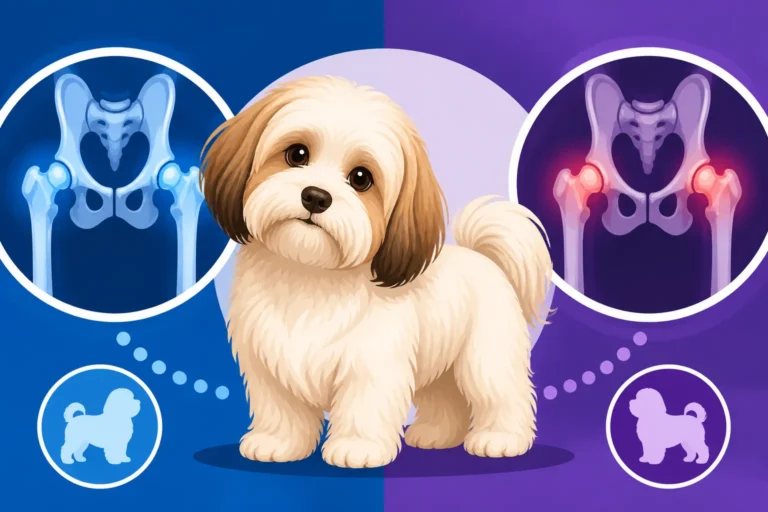
Havanese, like many small breeds, are predisposed to certain orthopedic conditions that can be exacerbated or even caused by repeated stress from jumping. Their joints simply aren't designed to absorb the shock of frequent, uncontrolled landings from heights. Imagine the stress on tiny knees and hips every time they decide to take the plunge from your favorite armchair!
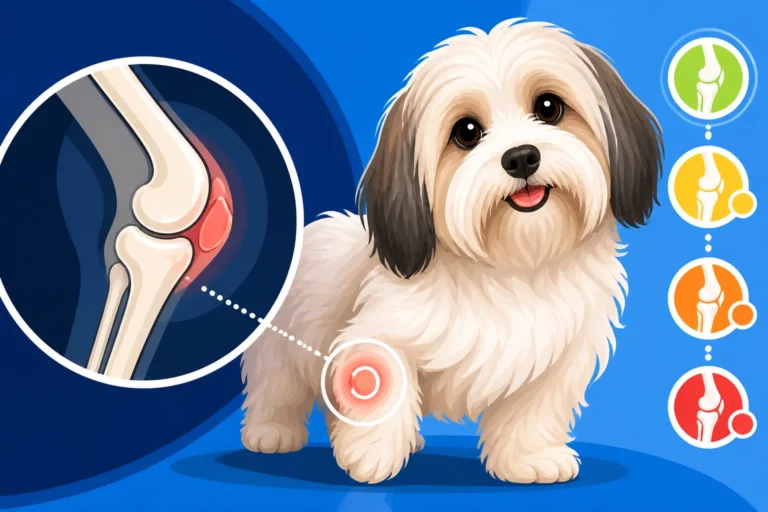
The kneecaps, specifically, are a major concern. Many Havanese are prone to a condition called The Kneecaps a Havanese Slips, where the kneecap (patella) moves out of its normal groove. This is known as patellar luxation. Even a seemingly minor jump can cause this to happen or worsen an existing condition. If you notice your Havanese occasionally "skipping" or holding up a back leg for a few steps, it might be a sign of a slipping kneecap, and continued jumping only increases the likelihood of further damage or pain. Understanding How Common Slipping Kneecaps Are in a Havanese can truly help owners be proactive.
Common Injuries from Falls and Jumps
The consequences of a Havanese taking a dive from furniture can range from mild discomfort to severe, debilitating injuries. Beyond patellar luxation, there's a whole host of issues we worry about. They might land awkwardly, twisting a joint or straining a muscle, leading to lameness. Sprains and strains are bad enough, but fractures of small bones in the legs are also a very real possibility, often requiring expensive surgical intervention and a long recovery period.
Furthermore, a hard landing can impact their spine. While not as commonly associated with jumping as, say, luxating patellas, repeated impacts can contribute to or aggravate conditions like Whether a Havanese Gets Disc Disease. A sudden, jarring landing can put immense pressure on their tiny vertebrae and the discs in between, potentially leading to pain, neurological issues, or even paralysis in severe cases. It’s truly heartbreaking to see a dog in pain from something preventable.
Exacerbating Existing Conditions
For a Havanese already living with a pre-existing orthopedic issue, jumping from furniture isn't just risky; it's practically an invitation for trouble. A Havanese with a mild case of patellar luxation, for instance, might live a relatively normal life with proper management, but one ill-advised jump could escalate it to a more severe grade, potentially requiring surgery. If you've been wondering Which Patella Grade Needs Surgery in a Havanese, aggressive jumping could push them right into that category.
Similarly, an older Havanese, or one with a touch of arthritis, is even more vulnerable. Their joints are less resilient, their bones might be more brittle, and their coordination might not be as sharp as it once was. A fall for them could lead to prolonged pain and a significant reduction in their quality of life. It’s why we need to be extra vigilant as they age, even if they’ve been lifelong jumpers.
Understanding Your Havanese's Jumping Instincts
It's easy to get frustrated when your Havanese repeatedly hops off the couch despite your best efforts, but understanding why they do it can help you approach the problem with more empathy and effective solutions. They aren't doing it to spite you; they're simply acting on instinct and their delightful, yet sometimes mischievous, nature.
The Desire for Height and Attention
Havanese are companion dogs through and through. They thrive on being close to their people, and often, that means being at your level. If you're on the couch or bed, they want to be there too. For some, the thrill of being up high offers a better vantage point to survey their domain, or simply to feel more included in the family activities happening on the furniture.
Then there's the attention factor. Let's be honest, when your Havanese jumps down and then barks excitedly at you to get back up, sometimes we pick them up. This, unwittingly, can reinforce the behavior. They've learned that jumping (or the precursor to it) often leads to interaction, cuddles, or a ride back to the comfy spot. They’re smart cookies, and they’ll repeat what works for them.
The Playful and Curious Havanese Personality
Havanese are known for their playful, intelligent, and often clownish personalities. They love to engage, explore, and sometimes, they just want to zoom from one point to another in the quickest way possible. For a Havanese, the path of least resistance from the bed to their toy on the floor might just be a flying leap. They're curious explorers, and sometimes that curiosity leads them to test their physical limits, often without considering the consequences.
This breed has a natural vivaciousness. They're quick, agile, and often possess an innate confidence that makes them feel invincible, even when they’re tiny. This spirited nature is one of the many reasons we adore them, but it's also why we need to be their guardians when it comes to risky behaviors like high jumps. They simply don't have the foresight to connect a joyful leap with a potential injury.
Lack of Awareness of Danger
Dogs don't understand gravity and impact in the way humans do. They don't analyze the height of the furniture, calculate the potential force of the landing, or consider the long-term wear and tear on their joints. To them, the gap between the bed and the floor is just a space to traverse. They see the ground, they see their destination, and they make the connection.
This lack of danger awareness means that consistency and management on our part are absolutely crucial. You can't explain to a Havanese why Whether Jumping Off the Bed Hurts a Havanese is a bad idea. Instead, you have to proactively prevent them from being in a position where they can jump and teach them safer alternatives. It’s about creating an environment where their natural instincts don't put them at risk.
Strategies to Prevent Furniture Jumping
Stopping your Havanese from launching itself off furniture requires a multi-pronged approach involving training, environmental modification, and consistent management. There's no magic bullet, but with patience and persistence, you can significantly reduce the risk.
Consistent Training and Command Reinforcement
Training is fundamental. Start by teaching your Havanese a solid "off" command. This isn't just for furniture; it's a useful command for many situations. When they're on the furniture and you want them down, say "off" and lure them down with a treat. Reward them immediately when all four paws are on the floor. Practice this repeatedly. Make coming down a positive experience.
You might also consider teaching them to use pet steps or a ramp. Start by luring them onto the first step with a treat, then the next, rewarding each successful ascent and descent. The command "Whether a Havanese Should Use Steps to the Couch" is key here. Make it a fun game, not a chore. If they've learned tricks easily, like the ones discussed in Why the Havanese Learns Tricks Faster Than Most Toys, then they should pick up steps quickly. Consistency is king here; every time they're about to jump or are already on furniture you want them off, gently guide them to the steps or use your "off" command.
Providing Safe Alternatives for Climbing
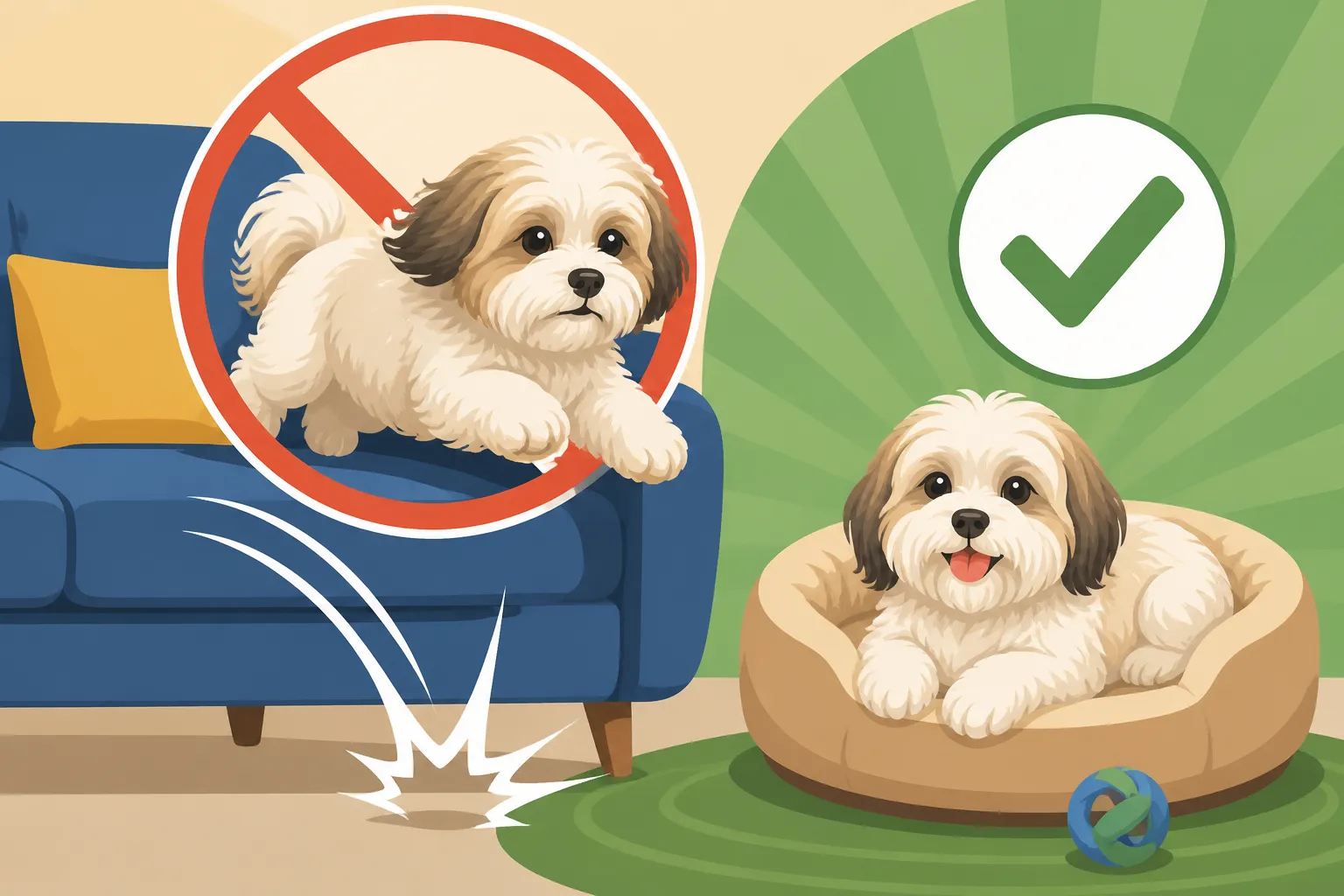
Sometimes, a Havanese jumps because they just love being up high. Instead of fighting this instinct entirely, redirect it! Invest in a low dog bed next to your couch, or a sturdy, comfortable dog sofa that's just a few inches off the ground. Place it right next to your seating, so they can still feel close to you without risking a fall.
You could also get a pet-friendly ottoman or a sturdy cat tree (if it's stable enough and not too high) that allows them to climb safely to a moderate height. Ensure these alternatives are stable and non-slip. The goal is to satisfy their desire for elevation and proximity to you in a controlled, safe manner. Always praise and reward them for choosing these safe spots over the forbidden furniture.
Managing Access to High Surfaces
This is where proactive management comes in. The simplest way to prevent jumping is to limit access when you can't supervise. This isn't always feasible if you want your Havanese to be part of family life, but it's crucial at certain times.
Consider crating your Havanese or using a playpen when you're out of the house or unable to actively watch them. A well-trained Havanese should be comfortable in their crate, especially if you followed tips for Whether Crate Training Suits a Havanese. This prevents them from practicing unsafe jumping while unsupervised. If you have rooms with particularly high furniture, like a tall bed, consider simply closing the door to that room if your Havanese is prone to leaping from it. It sounds simple, but removing the opportunity is often the most effective prevention.
Creating a Safe Environment for Your Havanese
Beyond training, modifying your home environment is a crucial step in keeping your Havanese safe from jumping-related injuries. A safe home is one where the potential for falls is minimized, and safer options are readily available.
Investing in Ramps and Pet Steps
Ramps and pet steps are absolute game-changers for Havanese owners. They provide a gentle, low-impact way for your dog to get on and off furniture. When choosing, consider the height of your furniture and the size of your Havanese. Steps should be wide and shallow enough for easy navigation, and ramps should have a gentle slope and a non-slip surface.
There are many styles available, from fabric-covered steps to sturdy wooden ramps. Brands like Pet Gear and Majestic Pet offer a good range of options that can blend with your home decor. The key is to make using them a positive and consistent experience. Place them next to every piece of furniture your Havanese currently jumps from – beds, couches, even certain chairs. This helps them learn that these are the acceptable routes for reaching their desired elevated spots. Over time, your Havanese should instinctively use them.
| Feature | Pet Steps | Pet Ramps |
|---|---|---|
| Pros | Compact, easy to store, clearly defined steps | Gentle incline, easier for older/arthritic dogs |
| Cons | Can be steep for very small dogs, some prefer flatter surfaces | Can take up more floor space, might be less visually discreet |
| Best For | Havanese with good mobility, compact spaces | Older Havanese, those with joint issues, larger furniture heights |
| Training | Lure with treats step-by-step | Lure with treats along the ramp |
| Placement | Beside furniture | Beside furniture |
Using Gates and Playpens
Sometimes, even with steps and training, a particularly determined Havanese will find a way to jump. This is where physical barriers become indispensable. Baby gates are fantastic for blocking access to rooms with high furniture or stairs. A sturdy, pressure-mounted gate can easily prevent your Havanese from getting into the bedroom where your tall bed is located. For rooms where you want them to be present but contained, a large exercise pen (or playpen) can be a godsend.
A playpen allows your Havanese to be in the same room as you, participating in family activities, but it physically prevents them from accessing furniture they shouldn't jump from. Ensure the playpen is tall enough that they can't jump over it – some Havanese are surprisingly agile! Brands like Midwest Homes for Pets and Richell offer durable and safe playpens. This is especially helpful during puppyhood or for Havanese still learning boundaries, preventing bad habits from forming.
Optimizing Floor Surfaces
It's not just the jump, but the landing surface that matters. Slippery floors like hardwood, tile, or laminate can be incredibly dangerous for a Havanese, even if they're using steps correctly. A slip on landing can lead to a splay-legged injury or a nasty fall, exacerbating any joint issues. If you’re worried about Whether Slippery Floors Hurt a Havanese, you're right to be.
Consider laying down rugs or runners in high-traffic areas where your Havanese frequents, especially around furniture they might be jumping from or onto. Non-slip bath mats can also be strategically placed. For some dogs, wearing non-slip socks or booties indoors can provide extra traction, though some Havanese are not big fans of footwear! Ensuring they have good traction not only helps prevent injury from jumping but also during general play and movement around the house, contributing to their overall joint health.
Dealing with Persistent Jumpers and Accidents
Despite our best efforts, sometimes accidents happen, or a Havanese remains a persistent jumper. Knowing what to do in these situations is just as important as prevention.
Recognizing Signs of Injury
If your Havanese takes an unsupervised leap or seems to land awkwardly, it’s vital to observe them closely for any signs of injury. This includes limping, holding a paw up, reluctance to put weight on a leg, yelping when touched, swelling, or unusual tenderness. They might also appear lethargic, lose their appetite, or generally act "off."
Don't assume they'll just "walk it off." Small dogs can be surprisingly stoic, or they might try to hide their pain. If you notice any of these symptoms, even subtle ones, contact your veterinarian immediately. Early intervention is crucial for proper healing and preventing a minor injury from becoming a chronic problem. Remember, a quick check-up is always better than ignoring a potential issue, especially when considering conditions like The Skip That Means a Havanese's Knee Has Gone.
Emergency Care and Vet Consultation
If you suspect a serious injury, handle your Havanese with extreme care. Support their body, especially the suspected injured area, to avoid further damage. If they are in severe pain or can't bear weight, a pet carrier or even a sturdy box can help transport them safely to the vet. Avoid trying to force them to walk or manipulate the limb yourself.
Your vet will conduct a thorough examination, which may include X-rays to check for fractures or dislocations, and palpation to assess joint stability. They will diagnose the specific injury and recommend the appropriate course of treatment, which could range from pain medication and rest to surgery. Having pet insurance from providers like Healthy Paws can be a massive relief in these stressful and often expensive situations, covering a significant portion of emergency vet bills.
Re-evaluating Your Prevention Strategy
If your Havanese continues to jump despite your efforts, it’s time to take a step back and reassess your prevention strategy. Are your steps or ramps placed correctly and used consistently? Are there hidden opportunities for them to jump when you're not looking?
Perhaps you need to increase supervision, expand the use of gates or playpens, or dedicate more time to training. Sometimes, a professional dog trainer or a veterinary behaviorist can offer tailored advice and help identify specific triggers or underlying behavioral patterns you might be missing. They can provide new techniques and help you establish a routine that truly clicks for your particular Havanese. Remember, consistency and commitment are key – it's a marathon, not a sprint, to build safe habits.
Long-Term Joint Health for Your Havanese
Preventing furniture jumping is a big piece of the puzzle, but overall joint health is a lifelong commitment for a Havanese. By proactively addressing other factors, you can further safeguard their delicate joints and contribute to a long, comfortable life.
Maintaining a Healthy Weight
One of the most impactful things you can do for your Havanese's joints is to keep them at a healthy weight. Extra pounds put immense strain on their knees, hips, and spine, amplifying the risk and severity of conditions like luxating patellas, arthritis, and disc disease. Even a small amount of excess weight can make a significant difference for a dog of their size. It’s a reason why we constantly advocate for owners to monitor their Havanese’s waistline, a principle echoed in discussions about Whether a Havanese Should Be Kept Slim for Its Joints.
Talk to your vet about the ideal weight range for your individual Havanese, as it can vary slightly. Stick to a high-quality, balanced diet, being mindful of portion sizes and limiting treats. If your Havanese is a picky eater, as sometimes discussed in Whether a Havanese Is a Picky Eater, ensure they are still getting balanced nutrition without overfeeding. Regular exercise, appropriate for their age and condition, is also vital for weight management and muscle strength.
Nutritional Support and Supplements
Beyond a balanced diet, certain nutritional supplements can play a supportive role in joint health, especially as your Havanese ages. Glucosamine, chondroitin, and MSM are common ingredients found in joint supplements that help maintain cartilage health and reduce inflammation. Omega-3 fatty acids, often from fish oil, also have anti-inflammatory properties that can benefit joints. If you've ever wondered Whether Joint Supplements Help a Havanese, the answer is often yes, particularly as a preventative measure or for dogs with early signs of joint discomfort.
Always consult your veterinarian before starting any supplements. They can recommend specific products, dosages, and ensure there are no interactions with other medications your Havanese might be taking. High-quality supplements often come from reputable brands known for pet health products, and your vet can guide you to reliable choices.
Regular, Controlled Exercise
While high-impact activities like jumping from furniture are a no-go, regular, controlled exercise is crucial for maintaining strong muscles around the joints, promoting flexibility, and keeping weight in check. This doesn't mean marathon runs! Havanese benefit from daily walks on a leash, ensuring they don’t overexert themselves, and engaging in gentle play. Activities like short games of fetch on a soft surface or puzzle toys can provide mental stimulation and physical activity without undue strain. The discussion around What a Havanese Needs Every Day often highlights the balance of mental and physical engagement.
Avoid activities that involve excessive jumping, twisting, or sharp turns, especially on slippery surfaces. Remember that stairs can also put stress on joints, so consider if Whether Stairs Damage a Havanese's Knees applies to your home environment and if ramps or steps are a better solution for navigating multi-level spaces. Regular, moderate activity helps maintain a healthy range of motion and keeps the supporting structures around the joints strong, contributing to your Havanese's overall well-being and helping them enjoy their full The Fourteen to Sixteen Years a Havanese Lives.
Disclaimer
The information provided in this article is for general informational purposes only and is not a substitute for professional veterinary advice, diagnosis, or treatment. Always seek the advice of your veterinarian or other qualified animal health provider with any questions you may have regarding a medical condition or treatment options for your Havanese.